7 Differences Between Electric Counterbalance Forklift vs Diesel Forklift

Compartilhar
LinkedIn
Correio eletrónico
WhatsApp

Produtos Akuros

Contatar Akuros

Endereço: Nº 382, Rua Anbian, Rua Maxiang, Distrito de Xiang’an, Xiamen, China

Correio eletrónico: [email protected]

Telefone: +86 138 5979 6703


    The debate around electric counterbalance forklift vs diesel forklift is becoming more important
    for industrial buyers. In warehousing, logistics, and manufacturing, many companies are now comparing
    electric counterbalance forklift vs diesel forklift solutions to find the right balance between
    heavy-duty performance, cleaner operation, and long-term practicality.

    For operations that want to reduce noise, improve indoor air quality, and move away from combustion equipment,
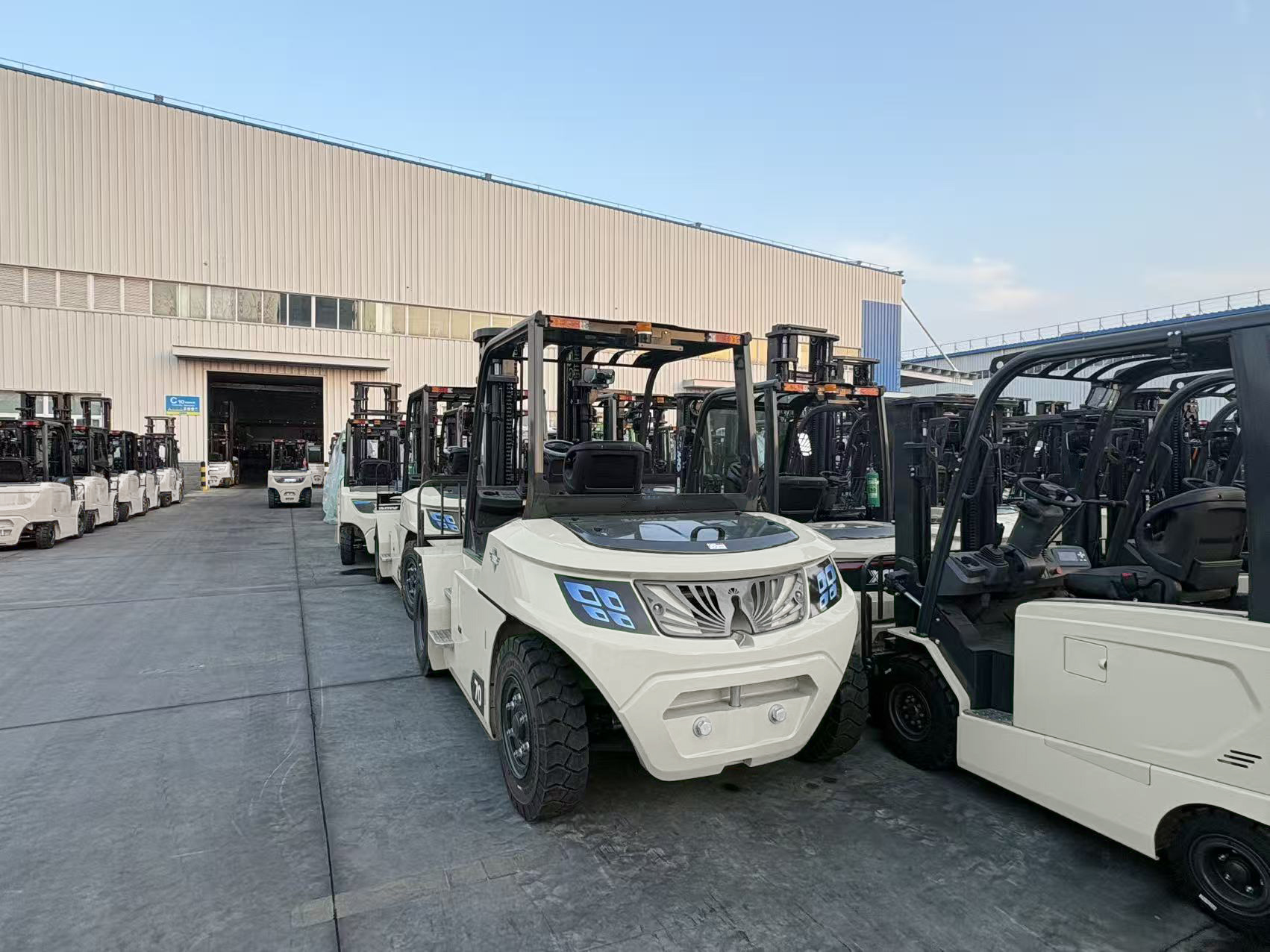
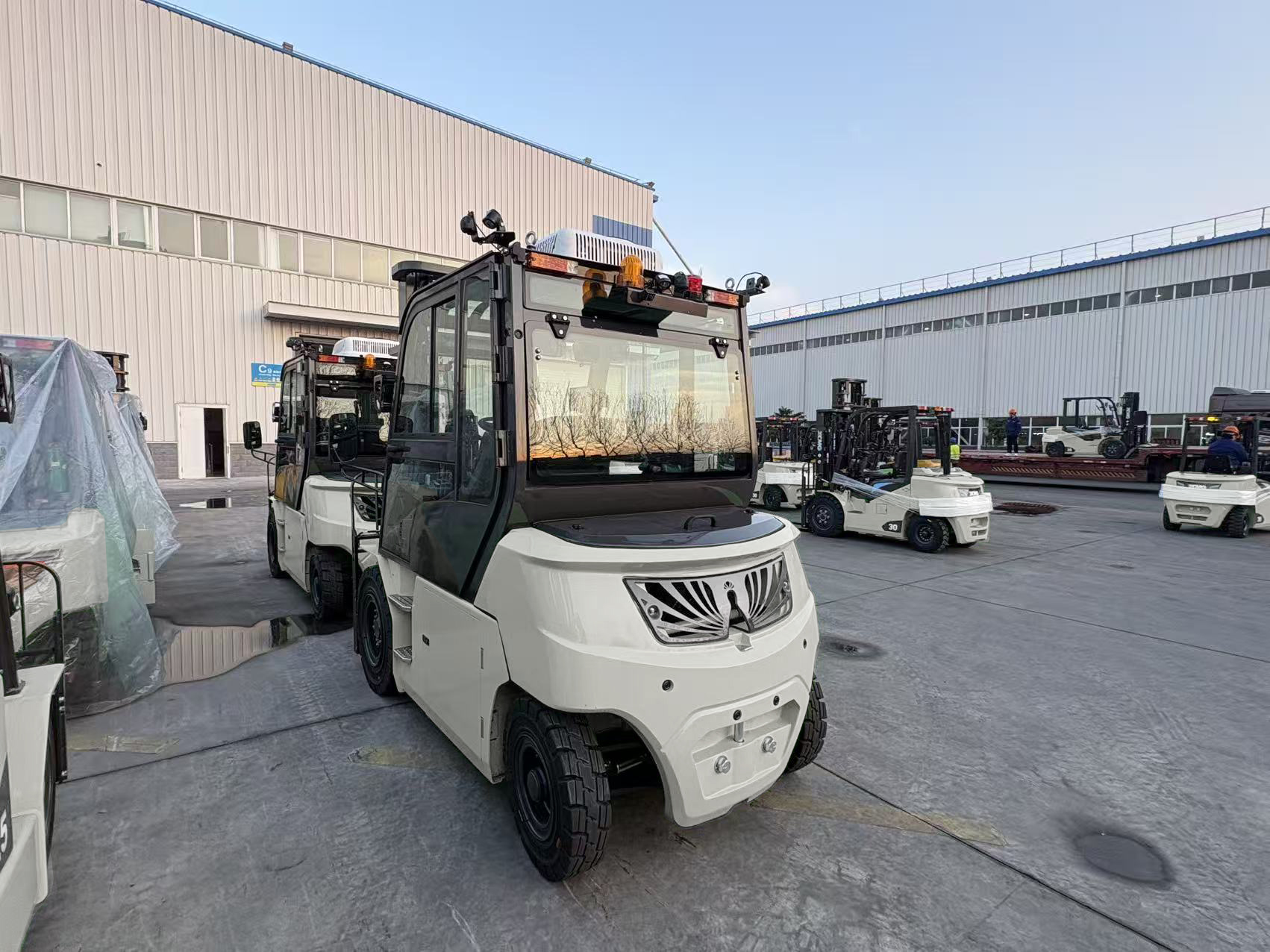
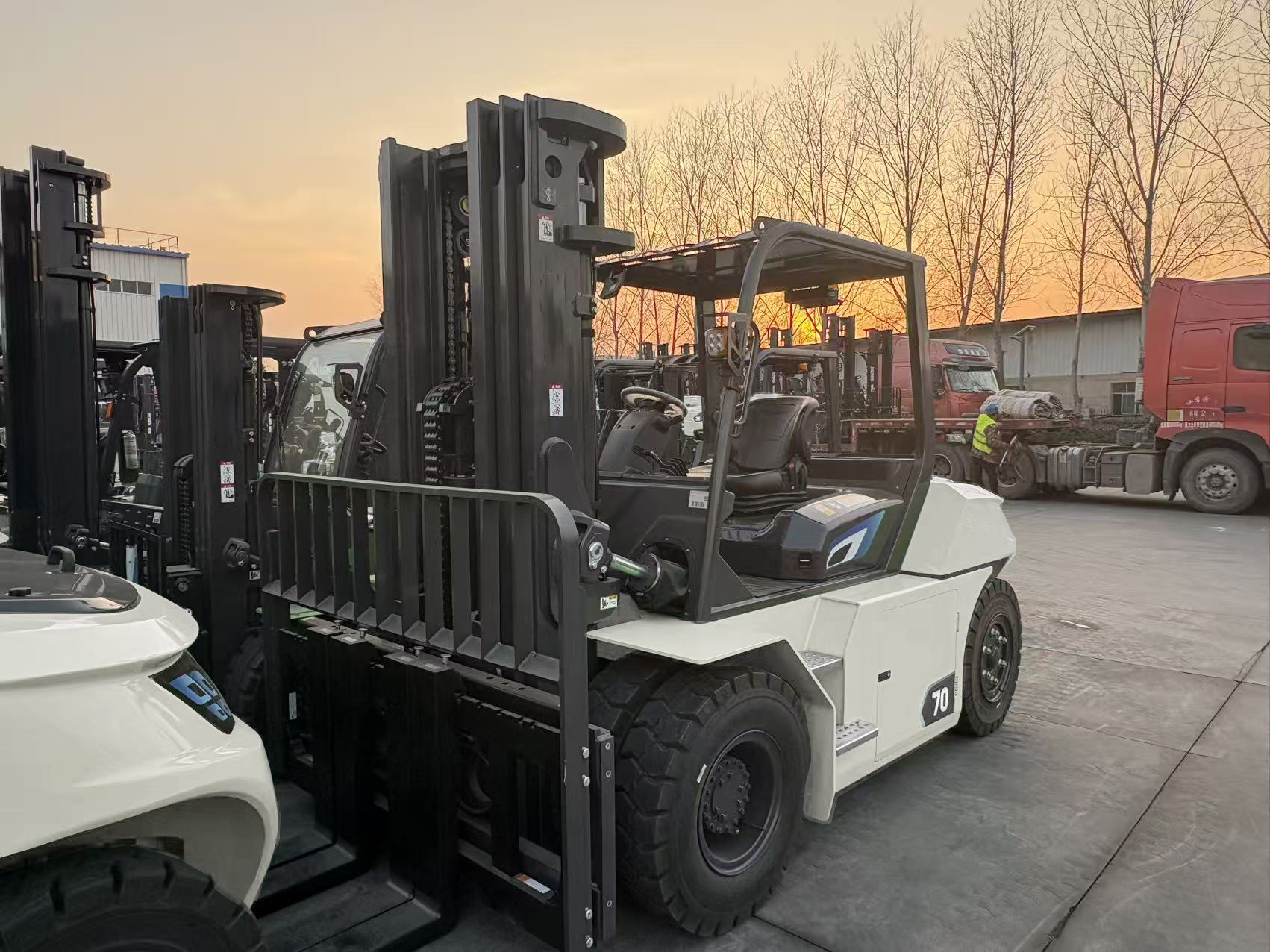
    the Akuros Peacock Series heavy-duty electric counterbalance forklift
    offers a practical answer. When evaluating electric counterbalance forklift vs diesel forklift,
    buyers should not only look at power, but also working environment, maintenance logic, battery strategy, and
    long-term operating value.

    electric counterbalance forklift vs diesel forklift heavy-duty comparison

    1. Working Environment Is the First Major Difference

    The first point in any electric counterbalance forklift vs diesel forklift comparison is the
    workplace itself. Diesel forklifts create exhaust emissions, stronger engine noise, and more vibration during use.
    By contrast, an electric counterbalance forklift runs more quietly and produces no on-site exhaust emissions.

    This difference matters most in indoor warehouses, factories, and logistics centers where employee comfort,
    cleaner air, and noise control directly affect the quality of daily operations.

    2. Daily Driving Feel Is Very Different

    Another important factor in electric counterbalance forklift vs diesel forklift selection is the
    operator experience. Electric forklifts generally provide smoother acceleration, more controlled response, and a
    quieter driving feel. Diesel forklifts may still be familiar to many operators, but electric models often deliver
    a more refined handling experience in modern industrial environments.

    3. Maintenance Logic Changes with the Power System

    In an electric counterbalance forklift vs diesel forklift decision, maintenance is one of the most
    practical issues. Diesel forklifts involve engine-related servicing, fuel systems, and exhaust-related components.
    Electric forklifts shift the focus toward battery management, charging routines, and electrical system inspection.

    For many operations, that means simpler day-to-day management, especially when the site already has a structured
    charging process.

    4. Heavy-Duty Work No Longer Belongs Only to Diesel

    One common misunderstanding in the electric counterbalance forklift vs diesel forklift discussion
    is that diesel is always better for heavy-duty work. That is not necessarily true. It depends on the forklift class,
    structural design, battery setup, and actual application.

    A heavy-duty electric counterbalance forklift such as the Akuros Peacock Series is built for
    stronger load handling in industrial warehousing, logistics, and manufacturing. For buyers looking for a
    cleaner diesel forklift alternative,
    this kind of model is increasingly relevant.

    5. Battery Strategy Replaces Fuel Strategy

    In the electric counterbalance forklift vs diesel forklift comparison, energy supply changes from
    fuel management to battery planning. Instead of diesel refueling, operators must consider battery type, charging
    conditions, and work shifts.

    The Akuros Peacock Series supports both lead-acid and lithium battery configurations, giving buyers more flexibility
    in how they organize daily use. You can also explore more about battery technology trends through
    battery development insights
    and general industrial electrification trends from
    OSHA materials handling guidance.

    6. Indoor Operations Usually Favor Electric Equipment

    In most indoor applications, electric counterbalance forklift vs diesel forklift comparisons
    often favor electric equipment. Warehouses and production plants increasingly prefer forklifts that help create
    a quieter, cleaner, and more comfortable workspace.

    For companies operating mainly indoors or in covered areas, an electric forklift often provides stronger long-term
    value than a diesel unit, especially when environmental standards and employee working conditions are becoming more
    important.

    7. Long-Term Value Depends on the Actual Application

    The final point in any electric counterbalance forklift vs diesel forklift decision is practical fit.
    The best option depends on load weight, shift length, workplace layout, charging conditions, operator preference,
    and maintenance capability.

    Buyers should compare forklift types based on real daily use rather than assumption. A properly matched electric
    model can be a very strong choice for industrial handling, especially when the goal is to modernize operations
    without losing counterbalance forklift practicality.

    Why the Akuros Peacock Series Is Worth Considering

    O Akuros Peacock Series heavy-duty electric counterbalance forklift
    is positioned for users who need a reliable solution in the 4.0–5.0 ton range. It is suitable for industrial
    warehousing, logistics centers, and manufacturing facilities that want a practical electric replacement for
    traditional combustion forklifts.

    If you are comparing electric counterbalance forklift vs diesel forklift for your next purchase,
    you may also want to review our related guide on
    heavy-duty electric counterbalance forklift for industrial warehousing
    and our buying guide on
    how to choose a 4 ton or 5 ton electric counterbalance forklift.

    Conclusão

    The comparison of electric counterbalance forklift vs diesel forklift is no longer just a question
    of traditional power versus new technology. It is about choosing the forklift that best matches your application,
    your workplace, and your long-term operating goals.

    For businesses seeking a cleaner, quieter, and more modern material handling solution, the Akuros Peacock Series
    offers a compelling alternative in the heavy-duty electric forklift category.

    Obter um orçamento gratuito
    Contacte-nos para obter orçamentos gratuitos e mais conhecimentos profissionais sobre o produto. Prepararemos uma solução profissional para si.


      Deixe a sua mensagem