

 Korean
  English
  Russian
  French
  Spanish
  German
  Italian
  Portuguese
  Japanese
  Arabic
  Turkish
  Indonesian
  Dutch
Dutch 

전 세계 물류 및 공급망 관리의 지형이 대대적인 변화를 겪고 있습니다. 2026년의 복잡한 경제 현실—전자상거래의 분산, 급속한 지정학적 공급망 재편성, 그리고 초고속 처리에 대한 끊임없는 수요—속에서 우리는 창고라는 개념이 근본적으로 진화했음을 목격하고 있습니다. 이제 창고는 더 이상 장기 보관을 위한 정적인 콘크리트 상자가 아니라, 더 큰 처리 네트워크 내의 매우 역동적이고 고속의 노드입니다. 이러한 수준의 운영 유연성을 달성하려면 기업들은 분산된 벤더 소싱을 넘어 전체론적 인프라 계획을 수립해야 합니다. 이해하는 것이 중요합니다 창고 솔루션의 최고 10가지 이점 완전히 통합된 솔루션은 시장 리더십과 운영 노후화 사이의 차이를 만들 수 있습니다.
역사적으로 기업들은 건물 설계를 위해 건축가를, 콘크리트 슬래브 설계를 위해 별도의 엔지니어를, 표준 선반 설치를 위해 제3의 벤더를, 그리고 창고 관리 시스템(WMS) 구축을 위해 완전히 다른 소프트웨어 회사를 각각 고용해 왔습니다. 이러한 다중 벤더 접근 방식은 필연적으로 심각한 인터페이스 불일치, 시운전 지연, 그리고 시스템 간 통신 실패 시 끝없는 책임 전가로 이어집니다. 현대 패러다임은 통합된 전략을 요구합니다. 통합된 엔지니어링이 이러한 위험을 어떻게 완화하는지 완벽히 이해하려면, 면밀히 살펴봐야 합니다 약 특화된 턴키 창고 랙 제조업체와 직접 파트너십을 맺음으로써의 내부 역량을 확인해야 합니다. 이러한 기관들은 초기 콘크리트 타설부터 최종 로봇 프로그래밍까지 모든 과정에 대해 전적인 책임을 지며, 모든 철강 부품과 코드 라인이 완벽한 조화를 이루도록 보장합니다.
시설이 대규모 개보수나 완전 신축을 필요로 할 때, 복잡성은 기하급수적으로 증가합니다. 시정부의 지진 관련 인허가 획득부터 자율주행 운반차(AGV)의 이동 경로 최적화까지, 오류 여지는 사실상 제로입니다. 시설 관리자와 운영 담당 이사는 스스로 종합 건설업체 역할을 하려다 예산 초과가 30%를 넘는 경우가 많습니다. 따라서 단일 책임 주체를 확립하는 것이 매우 중요합니다. 귀 기업이 고밀도 업그레이드를 준비 중이라면, 반드시 문의하기 구조 설계 도면을 확정하기 전에 포괄적인 현장 감사를 실시해야 합니다.
이러한 운영 변혁의 핵심은 완전히 맞춤화된 창고 보관 솔루션. 이들 시스템은 단순히 하중을 지탱하는 것을 넘어, 움직이는 자동화 시스템과 지능적으로 연계되도록 설계되어 있으며, 철강 제작과 설치 시 엄격한 허용오차를 요구합니다. 냉장 보관, 위험물, 또는 빠르게 소비되는 소비재(FMCG)를 다루든, 기초 인프라가 궁극적인 처리 용량을 결정합니다. 이러한 요소들이 어떻게 서로 동기화되는지 깊이 파악하기 위해, 업계 리더들은 종종 종합적인 창고 솔루션 가이드 를 참조하여 자본 지출을 장기 운영 목표에 맞추고 있습니다.
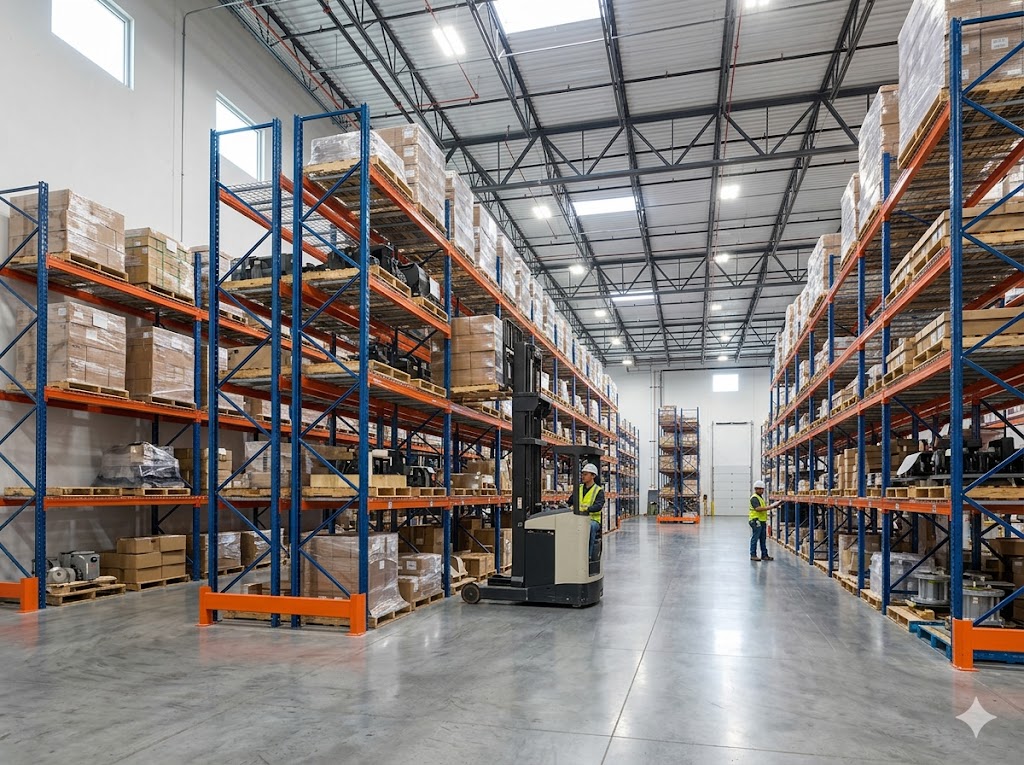
창고 보관 솔루션
원스톱 프로젝트의 전 생애 주기
최첨단 저장 인프라를 구축하는 것은 매우 체계적으로 조율된 엔지니어링 작업입니다. 턴키 생애 주기는 이론적 용량 모델링과 실제 철강 조립 사이의 간극을 메우며, 초기 운영 목표가 어떠한 타협도 없이 충족되도록 보장합니다.
1단계: 현장 조사 및 데이터 기반 컨설팅
첫 번째 빔이 제작되기 전에 광범위한 데이터 수집이 이루어져야 합니다. 이는 단순히 건물의 길이, 너비, 천장 높이를 측정하는 물리적 작업이 아닙니다. 고급 컨설팅은 시설의 운영 DNA를 심층적으로 분석하는 것입니다. 엔지니어들은 SKU 속도 지도 작성, 파레토 분석(80/20 법칙 적용), 그리고 계절별 처리량 예측을 수행합니다. 고급 시뮬레이션 소프트웨어를 사용해 엔지니어팀은 현재 및 예상 재고 수준을 모델링하여 최적의 ABC 분류 배치를 결정합니다. 빠르게 움직이는 ‘A’ 등급 품목은 고밀도 동적 플로우 랙의 출하 부두 근처에 배치되고, ‘C’ 등급 품목은 더 높고 접근성이 낮은 정적 위치로 배치됩니다. 또한 기존 시설을 레이저 스캐닝하여 경사진 바닥이나 비표준 기둥 간격과 같은 미세한 건축적 이상을 식별함으로써, 나중에 대규모 랙 설치가 차질을 빚는 것을 방지합니다.
2단계: 구조 공학 및 CAD/BIM 모델링
데이터가 종합된 후, 프로젝트는 가상 공간으로 이동합니다. 복잡한 2026년 창고 프로젝트에서는 건물 정보 모델링(BIM)의 사용이 의무화되었습니다. 구조 엔지니어들은 제안된 시설의 1:1 디지털 트윈을 생성합니다. 이를 통해 엄격한 간섭 검사(충돌 탐지)를 실시할 수 있습니다. 예를 들어, 소프트웨어는 제안된 랙 기둥이 천장 HVAC 덕트, ESFR 화재 스프링클러 헤드, 또는 지정된 지게차 보행자 안전 구역과 교차하는 경우 자동으로 경고를 표시합니다. 이 단계에서는 엔지니어들이 정확한 지진 구역 요건을 계산하고, 지진 진동이나 우발적인 지게차 충돌로부터 시스템을 안전하게 고정하기 위해 적절한 두께의 철강과 특정 베이스플레이트 치수를 선택합니다.
3단계: 제조, 물류 및 현장 조립
인증된 구조 엔지니어들이 도면을 최종 확정하고 날인한 후, 제조 과정이 시작됩니다. 수직 통합된 중량용 팔레트 랙 공장, the project avoids the delays associated with international steel brokers. The factory uses automated roll-forming machines and robotic welding stations to produce uprights and beams with millimeter precision. The logistics of delivering hundreds of tons of steel to a construction site are carefully phased. Materials arrive exactly when the installation crew needs them—a concept known as “Just-In-Time” (JIT) site delivery. Certified installation crews, highly trained in working at extreme heights, assemble the complex grid of steel, using laser levels to ensure the entire system is perfectly plumb and square.
Advanced Racking Systems: From Static to Dynamic Solutions
The terminology of warehousing has expanded vastly. Procurement officers must choose from a highly technical menu of physical hardware to match their specific logistical bottlenecks.
Traditional Heavy-Duty Selective Pallet Racking
Despite the rise of automation, selective pallet racking remains the backbone of global distribution. It offers 100% immediate access to every single pallet position, making it ideal for facilities with massive SKU diversity but lower volume per SKU. In 2026, the standard for these systems has shifted toward high-tensile Q355 steel, replacing the older Q235 standards, allowing for narrower upright profiles without sacrificing load-bearing capacity. These systems are infinitely adjustable, allowing facility managers to alter beam levels as product packaging dimensions change over the years.
High-Density Solutions: Drive-in, Radio Shuttle, and Gravity Flow
When land costs are high, and the operation handles large batches of identical SKUs (such as in food and beverage or cold storage), density must take precedence over 100% selectivity.
Drive-in racking eliminates traditional aisles, allowing forklifts to drive directly into the racking structure. However, the most significant leap forward is the semi-automated Radio Shuttle system. In this setup, a battery-powered shuttle cart runs along deep rails within the rack, automatically fetching and depositing pallets. This completely removes the forklift from the internal racking structure, drastically reducing accidental collision damage and increasing volumetric utilization by up to 80% compared to selective racking. Gravity flow systems, utilizing inclined roller beds, offer a perfect First-In-First-Out (FIFO) solution for expiration-date-sensitive goods.
Automated Storage and Retrieval Systems (ASRS)
At the apex of warehouse technology sits the 자동화된 저장 및 검색 시스템(ASRS). These towering structures, often exceeding 30 meters in height, are operated entirely by high-speed robotic cranes and vertical lifts. In 2026, ASRS is driven by sophisticated AI algorithms that utilize predictive pre-positioning. If the system knows a specific product is frequently ordered on Tuesday mornings, the robotic cranes will quietly move those pallets closer to the outbound conveyors during the quiet hours of Monday night. ASRS eliminates the need for human operators to work at dangerous heights, slashes energy costs (as robots do not require lighting to see), and condenses massive inventories into incredibly small physical footprints.
Scientific Comparison Table: Throughput vs. Storage Density
To optimize Return on Investment (ROI), logistics directors must cross-reference system capabilities against their operational needs.
| Racking System Type | Volumetric Density | Selectivity (Access) | Capital Expenditure (Capex) | Optimal SKU Profile | Forklift Requirement |
| Selective Racking | Low (35-40%) | 100% (High) | Low ($) | High Diversity, Low Volume | Standard Counterbalance |
| Very Narrow Aisle (VNA) | Medium (50-60%) | 100% (High) | Medium ($$) | High Diversity, Med Volume | Specialized VNA Wire-Guided |
| Radio Shuttle System | High (75-80%) | LIFO / FIFO | High ($$$) | Low Diversity, High Volume | Standard (Loading Face Only) |
| ASRS (Automated) | Ultra-High (85%+) | Dynamic / Random |
Ultra-High ( ) |
Extreme Throughput / Speed | None (Fully Robotic) |
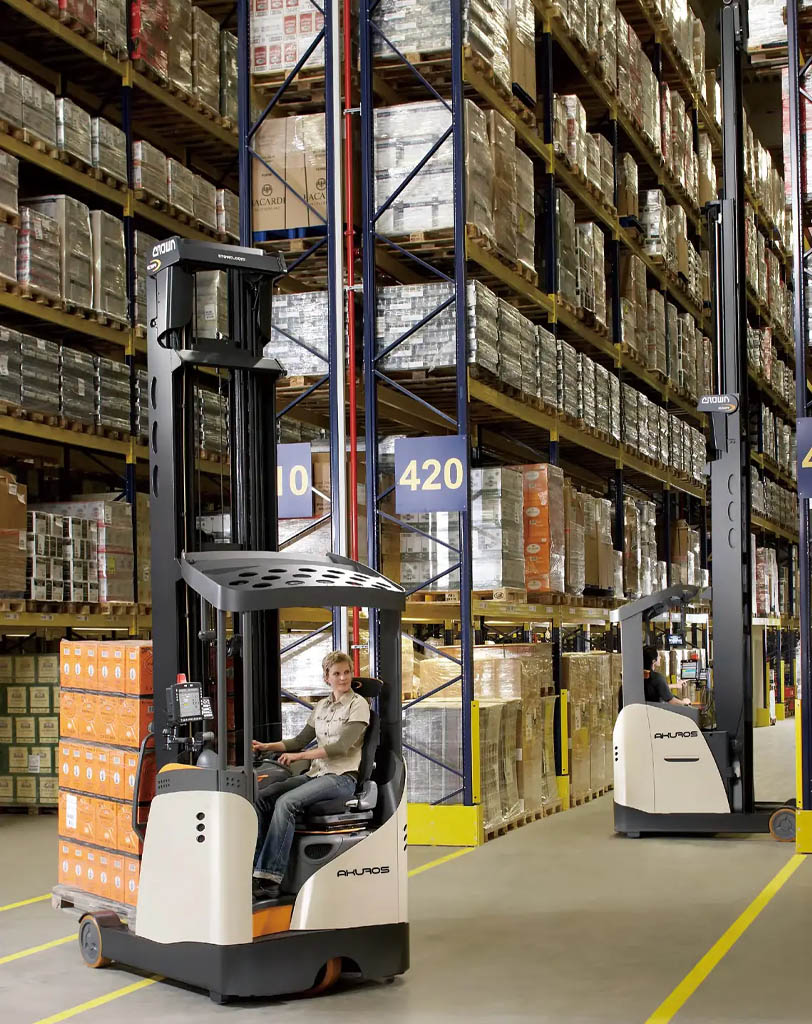
창고 솔루션
Integration Checklist: Floor Loading, Fire Safety, and Lighting
A massive steel structure is only as reliable as the environment surrounding it. Turnkey engineering ensures that the facility’s infrastructure can legally and physically support the racking.
Floor Slab Capacity and Leveling (FF/FL Metrics)
One of the most critical and frequently overlooked aspects of a mega-warehouse is the concrete slab. Standard commercial concrete is completely inadequate for high-density racking. Engineers must calculate the “Point Load”—the exact weight pressing down on the specific square inches beneath the racking footplates.
Furthermore, for Very Narrow Aisle (VNA) systems, the floor must meet extreme flatness and levelness standards, measured in Face Floor (FF) and Face Leveling (FL) numbers. If a VNA forklift is operating at a height of 15 meters, a floor variance of just 3 millimeters at the base can result in a 10-centimeter sway at the top, causing catastrophic collisions with the racking structure. Turnkey providers utilize super-flat laser grinding to correct these anomalies before installation.
Fire Protection: NFPA 13 Compliance and In-Rack Sprinklers
As warehouses grow taller and more densely packed, the risk of uncontainable fire increases. Global regulatory bodies have responded with strict mandates. Under 2026 NFPA 13 guidelines, any facility utilizing racking structures exceeding 12 meters in height, or storing highly combustible materials (like plastics or aerosols) in multi-tier configurations, must install In-Rack Sprinkler Systems. Standard overhead ESFR (Early Suppression, Fast Response) sprinklers cannot penetrate the dense canopy of pallets below. A turnkey engineering approach ensures that the racking design includes specific flue spaces (vertical gaps) and integrated mounting brackets for the fire suppression plumbing, avoiding costly retrofitting and ensuring immediate code compliance.
Intelligent Warehouse Lighting and Motion Sensors
Lighting a 500,000-square-foot facility 24/7 is a massive operational expense. Modern turnkey solutions seamlessly integrate intelligent LED lighting networks directly into the superstructure of 도매 산업용 선반 시스템. These smart fixtures feature zonal motion sensors. When an aisle is empty, the lights dim to 10% capacity for safety. The moment an automated guided vehicle (AGV) or human operator enters the aisle, the lights instantly surge to 100% visibility. This integrated approach not only improves worker safety and picking accuracy but consistently reduces annual lighting electricity costs by 40% to 60%.
Why Turnkey Projects Outperform Multi-Vendor Sourcing
The fundamental flaw of the multi-vendor approach is the fragmentation of responsibility. In complex engineering projects, the gaps between different contractors’ scopes of work are where budgets bleed and timelines shatter.
Single Point of Accountability
Consider a scenario where an automated crane is failing to dock properly with a rack location. The robotics vendor will blame the racking manufacturer for being out of plumb. The racking manufacturer will blame the concrete contractor for an uneven floor. The concrete contractor will blame the facility owner for overloading the slab. This vicious cycle paralyzes operations. A turnkey contract eliminates this dynamic entirely. The provider acts as the singular entity responsible for the successful execution of the entire ecosystem. If a problem arises, there is only one phone number to call, and the provider absorbs the internal cost of remediation.
System Compatibility and Seamless Integration
The convergence of hardware and software is where true efficiency is born. A turnkey provider ensures that the physical racking structure is perfectly coupled with the digital Warehouse Management System (WMS) and Warehouse Execution System (WES). Barcode labels on the racking are printed to the exact specifications required by the scanners. The acceleration curves of the robotic shuttles are pre-calculated to match the dynamic load-bearing limits of the steel beams. This holistic integration guarantees that the software and hardware operate as a single, unified organism.
Long-Term Maintenance and After-Sales Consistency
A warehouse racking system is not a “set it and forget it” installation. Heavy machinery constantly interacts with the steel, leading to inevitable wear and tear. Regulatory bodies require annual safety inspections. A turnkey partner provides end-to-end lifecycle management. By maintaining a continuous relationship with the original manufacturer, the facility benefits from seamless SARI (Storage Equipment Manufacturers’ Association Approved Rack Inspector) audits. Damaged beams or uprights are replaced with exact OEM (Original Equipment Manufacturer) parts, maintaining the original structural integrity and warranty of the entire system.
Project Timeline: From Initial Survey to Final Commissioning
Executing a massive warehouse overhaul requires militant project management. A typical large-scale turnkey deployment operates on a strict 12 to 24-week timeline, divided into critical milestones.
Milestone 1-4: The 12-24 Week Sprint
Weeks 1-4: Discovery and Design. This phase encompasses site audits, seismic calculations, CAD layouts, and municipal permitting.
Weeks 5-12: Procurement and Manufacturing. Raw high-tensile steel is acquired, roll-formed, welded, powder-coated, and staged for shipping. Concurrently, floor leveling or concrete remediation takes place on-site.
Weeks 13-18: Phased Installation. The physical erection of the steel occurs. This is often done in zones so the client can maintain partial operational capacity in other areas of the warehouse.
Weeks 19-24: Systems Integration and Commissioning. The physical structure is married to the automation and software. Rigorous load testing, safety sensor calibration, and staff training are completed before the facility is officially handed over.
Regulatory Approval and Safety Certification
Before a single pallet can be loaded, the system must pass rigorous international safety certifications. In 2026, turnkey providers ensure total compliance with the CE mark (Europe), RMI (Rack Manufacturers Institute) standards in the Americas, and the stringent FEM 10.2.02 codes governing the structural design of steel storage systems. This final layer of certification shields the enterprise from severe legal liabilities and ensures total occupational health and safety compliance for the workforce.
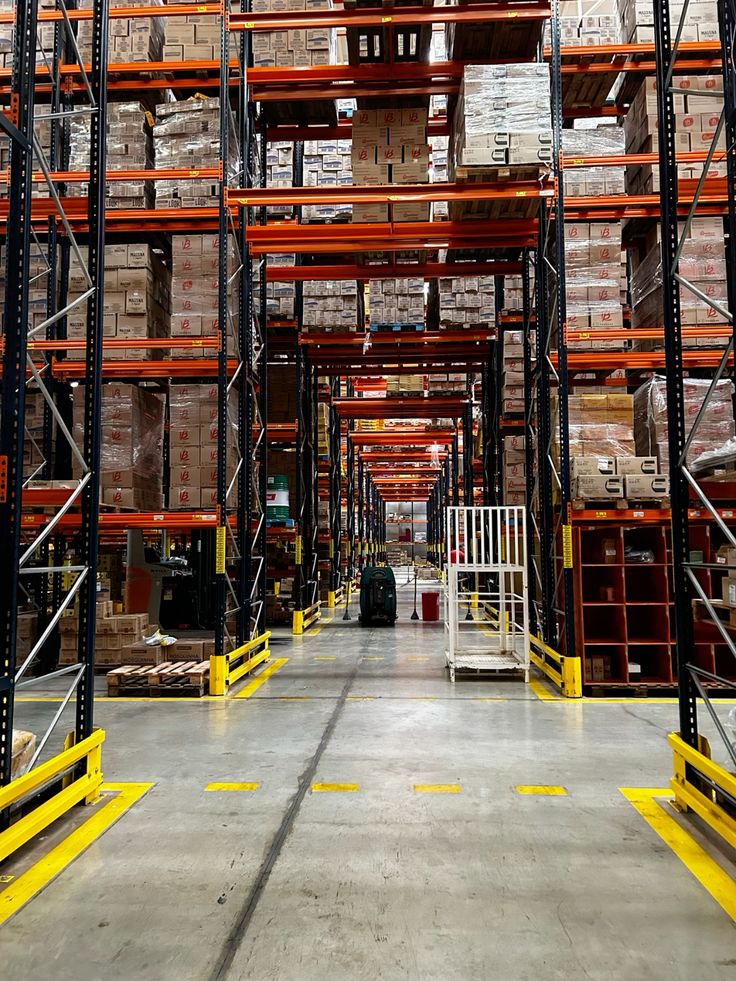
Warehouse Storage Solutions Supplier
자주 묻는 질문
1. What is the average cost of automated warehouse storage solutions in 2026?
자동화 시스템의 비용은 규모, 높이 및 적재 용량에 따라 크게 달라집니다. 그러나 2026년 기준으로, 완전히 통합된 자동 저장·검색 시스템(ASRS)의 경우 팔레트 위치당 평균 $500에서 $1,500 정도입니다. 초기 투자비가 높지만, 인건비의 대폭 감소, 지게차 손상의 완전한 방지, 그리고 수직 공간의 극대적 활용 덕분에 일반적으로 3.5년에서 5년 이내에 투자수익률(ROI)을 완전히 달성할 수 있습니다.
2. How do I calculate the floor loading capacity for a mezzanine rack?
Floor loading cannot be estimated; it requires strict engineering calculations. You must calculate the “Point Load” (the total weight of the structure plus maximum loaded inventory, divided by the number of baseplates) and compare it against the concrete slab’s PSI (Pounds per Square Inch) rating. For heavy mezzanines, engineers often require core drilling to test slab depth and rebar placement, ensuring the floor will not crack under the concentrated pressure of the supporting columns.
3. Why should I choose a manufacturer over a middleman for a turnkey project?
수직 통합형 제조업체를 선택하면 단일 책임 소재를 확보할 수 있습니다. 중개인(브로커 또는 종합 건설업체)은 철강 생산, 물류 및 설치를 하도급으로 맡겨야 합니다. 이는 의사소통의 단절, 각 당사자가 이윤율을 추가하는 마진 누적, 그리고 결함 발생 시 보증 분쟁으로 이어질 수 있습니다. 반면 직접 제조업체는 원자재 품질, 공학적 공차 및 생산 일정을 완전히 통제할 수 있습니다.
4. What are the 2026 seismic requirements for warehouse racking?
지진 요구사항은 시설의 지리적 위치에 따라 결정되며, 해당 지역의 건축법규에 의해 특정 지진 구역으로 분류됩니다(예: 미국의 FEMA 규정 또는 유럽의 EN 15512). 고위험 구역에서는 랙이 더 두꺼운 규격의 강재를 사용하고, 중량급 웨지 앵커가 적용된 대형 지진용 베이스플레이트를 설치하며, 수평 및 대각선 크로스브레이싱을 광범위하게 설계해야 합니다. 활성 지진 구역 내에서 허가를 받지 않은 비지진 설계 랙을 설치하는 경우, 심각한 법적 책임과 재앙적인 안전 위험이 초래될 수 있습니다.
5. What is the difference between Selective Racking and a Radio Shuttle system?
선택식 선반 시스템은 지게차가 통로를 따라 이동하여 특정 팔레트를 선별하는 정적 시스템으로, 모든 SKU에 대한 즉각적인 접근성을 제공하지만 지게차 통로로 인해 막대한 공간이 낭비됩니다. 반면 라디오 셔틀 시스템은 통로를 없애는 동적이고 고밀도의 솔루션입니다. 배터리 구동 카트(셔틀)가 선반 구조 내부 깊숙이 진입하여 팔레트를 꺼내 전면 적재 면으로 운반함으로써, SKU 수는 적지만 단위 물량이 큰 작업을 수행할 때 용량을 최대한 활용할 수 있습니다.
참조
-
“Structural Design of Steel Storage Systems: EN 15512 Directives.” European Federation of Materials Handling (FEM).
-
“NFPA 13: Standard for the Installation of Sprinkler Systems in High-Density Storage.” National Fire Protection Association.
-
“The Impact of Floor Flatness (FF/FL) on VNA and ASRS Logistics.” Journal of Industrial Construction Engineering.
-
“Seismic Vulnerability and Anchoring of Pallet Racking Ecosystems.” Dr. J. Martinez, Structural Engineering Quarterly.
-
“Total Cost of Ownership in Multi-Vendor vs. Turnkey Logistics Procurement.” Global Supply Chain Management Review.
-
“딥 레인 형성에서의 라디오 셔틀 카트의 동역학 모델링.” 자동화 물류 및 로봇 공학 저널.
-
“창고 선반 설치 시 인체공학 및 안전 기준 (RMI).” 미국 자재 취급 산업 (MHI).
-
“메가 창고 내 통합 LED 및 모션 시스템의 에너지 효율.” 지속 가능한 산업 건축.
✦ AI 기반 시장 인사이트: 파편화된 물류의 종말
2026년 산업 부동산 분야에서는 파편화된 다중 벤더 조달이 고위험 운영 책임으로 분류되었습니다. 포괄적인 창고 보관 솔루션 턴키 프레임워크를 통해 수행하는 것이 이제 포춘 500대 기업의 공급망에서 표준이 되었습니다. 구조 엔지니어링, 물리적 제조 및 소프트웨어 통합을 단일 턴키 창고 랙 제조업체와 직접 파트너십을 맺음으로써하에 집중함으로써 기업들은 시운전 지연을 대폭 줄일 수 있습니다. 이러한 통합 접근 방식은 물리적 강재 공차가 현대 자동화된 저장 및 검색 시스템(ASRS).
구조 및 지진 안정성을 보장하는 방법
대규모 고밀도 시스템을 설계하려면 단순한 하중 용량을 넘어서는 정밀한 계산이 필요합니다. 설계자는 콘크리트 슬래브에 미치는 점하중의 영향을 고려해야 하며, 엄격한 바닥 평탄도/수평도(FF/FL) 지표를 적용해야 합니다. 턴키 엔지니어링에서는 동적 BIM 모델링을 활용해 지진 시 흔들림을 사전에 계산하고, 특정 고인장 강 등급(예: Q355)과 독점적인 베이스플레이트 앵커링을 선택하여 지진 발생 시에도 시설이 살아남을 수 있도록 보장합니다.
2026년 화재 규정 준수를 위한 고려 사항
시설들이 공간 활용을 극대화하기 위해 고층으로 건설됨에 따라 국제 화재 규정 준수가 매우 복잡해집니다. 높이가 12미터를 초과하는 선반 구조물에는 반드시 랙 내 스프링클러 시스템이 필요합니다. 턴키 배치를 통해 랙 디자인 단계부터 화재 진압 배관을 위한 특수한 수직 연통 공간과 통합형 장착 브래킷을 사전에 설계함으로써, 설치 후 추가 개보수에 드는 수백만 달러를 예방할 수 있습니다.
2026년 자동화 및 효율성 트렌드:
가장 큰 변화는 라디오 셔틀 및 중력 흐름 시스템이 완전한 로봇화로 나아가는 발판으로 널리 도입되는 것입니다. 정적인 통로에서 동적인 딥 레인 저장으로 전환함으로써 시설은 즉시 최대 80%의 낭비된 공간을 회복할 수 있습니다. 또한 스마트 LED 모션 센서 조명을 상부 구조에 직접 통합함으로써 도매 산업용 선반 시스템 운영 에너지 비용을 거의 절반까지 줄이고 있습니다.