

 Indonesian
  English
  Russian
  French
  Spanish
  German
  Italian
  Portuguese
  Korean
  Japanese
  Arabic
  Turkish
  Dutch
Dutch 

Introduction: Why Forklift Selection Matters More in Food and Cold Chain Operations
Food and cold chain warehouses do not operate like standard logistics centers. Their handling equipment works inside tightly controlled environments where product quality, sanitation discipline, throughput, and temperature integrity all matter. The forklift is not just a transport machine. It is part of the operational system that protects product flow and warehouse efficiency.
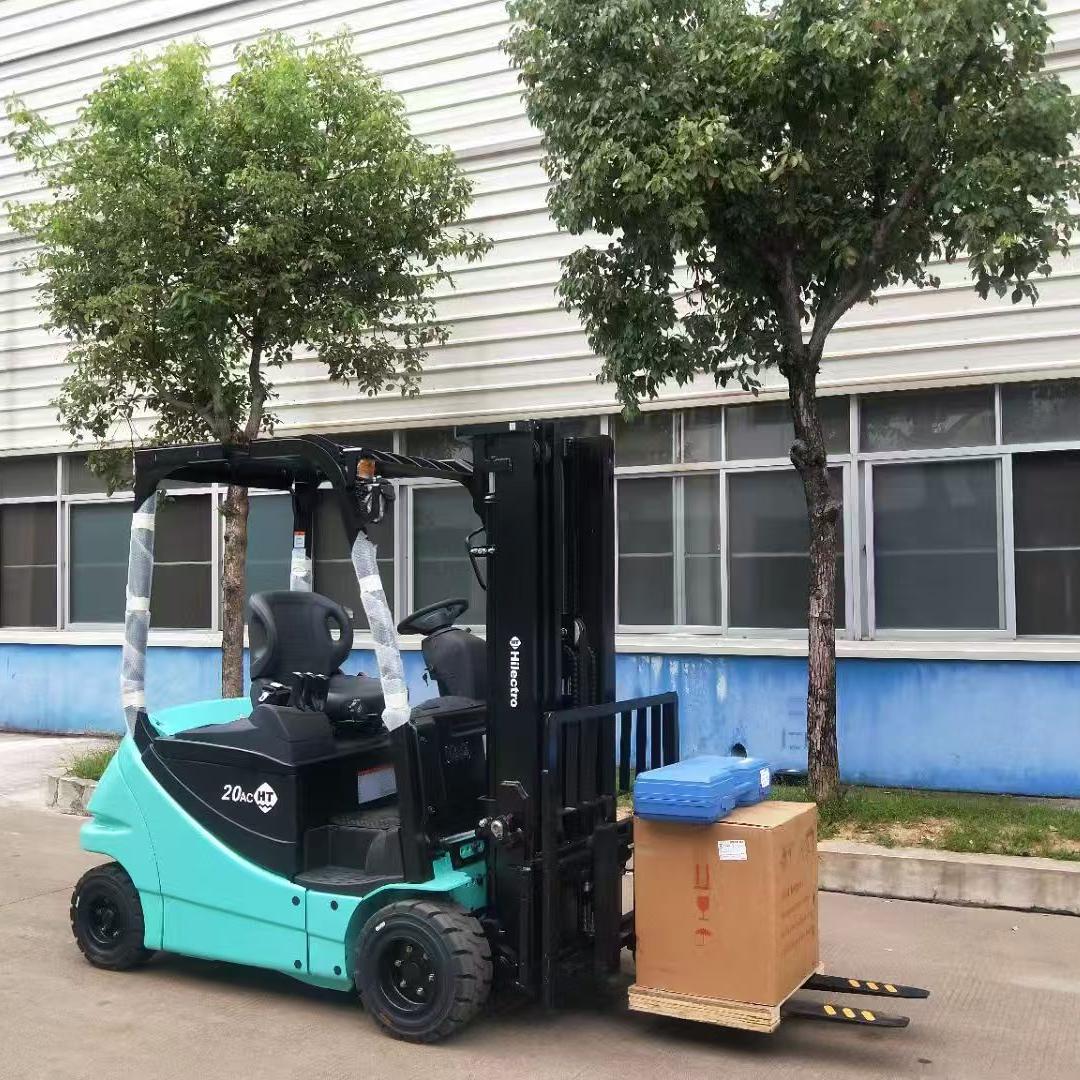
That is why choosing an E16 electric forklift for freezer warehouse should not be treated as a simple purchase of lifting capacity. The correct decision depends on work temperature, humidity, aisle width, stacking routine, battery charging rhythm, corrosion risk, operator comfort, and maintenance responsiveness.
For food processors, refrigerated distributors, frozen goods operators, and third-party cold chain providers, the E16 is worth attention because it combines compact electric handling with application logic suited to low-temperature environments.
What Makes Food and Cold Chain Forklift Operations Unique
Temperature-Controlled Product Flow
Cold chain operations aim to preserve product quality from receiving to storage to dispatch. Forklifts in these environments often work under pressure to move goods quickly so that cold exposure, door opening time, and staging delays are minimized. This makes operating speed and control highly valuable.
Sanitation and Housekeeping Expectations
Food logistics facilities usually require stronger housekeeping discipline than general warehousing. Equipment used in these spaces should be easy to clean, resistant to corrosion, and less likely to trap moisture or contaminants in exposed areas. A properly configured food industry cold room forklift supports this working culture.
Mixed Temperature Routing
Forklifts may move from receiving areas to chilled rooms and then into freezer zones. This repeated temperature transition is one of the most damaging realities for standard equipment. It is also one of the strongest reasons buyers choose a specialized solution from a cold storage electric forklift manufacturer.
Why the E16 Fits Freezer Warehouse Workflows
Compact Geometry for Food Warehouses
Food warehouses often want more pallet positions without sacrificing accessibility. The E16 helps because compact maneuverability supports denser layouts and smoother movement near racking, dock staging lines, and packing interfaces.
Electric Drive for Indoor Hygiene and Control
Electric forklifts are widely preferred in indoor food-related environments because they support cleaner operation, lower noise, and smoother handling behavior. The E16 fits this preference while also addressing the low-temperature demands of freezer warehouse work.
Low-Temperature Suitability
A specialized low temperature forklift factory solution should account for condensation, electrical protection, corrosion, and battery performance. The E16 is relevant because it is positioned around these practical concerns rather than only around rated load.
Material and Engineering Priorities in an E16 for Cold Storage
Electrical Protection Against Moisture
In freezer operations, moisture is unavoidable. Trucks that enter and leave cold rooms repeatedly experience condensation stress, especially around electrical interfaces. Protective routing, sealed connectors, and robust component placement all matter.
Anti-Corrosion Surface Logic
Food, seafood, and refrigerated logistics environments can be aggressive to equipment surfaces. Anti-corrosion treatment is therefore not a cosmetic issue. It is a durability issue. When comparing suppliers, buyers should evaluate whether the truck is built for real-life freezer use or simply marketed that way.
Cold-Ready Contact Materials and Components
Hoses, seals, and exposed protective materials should remain functional in low-temperature conditions. If materials harden or crack, reliability declines and service interventions become more frequent.
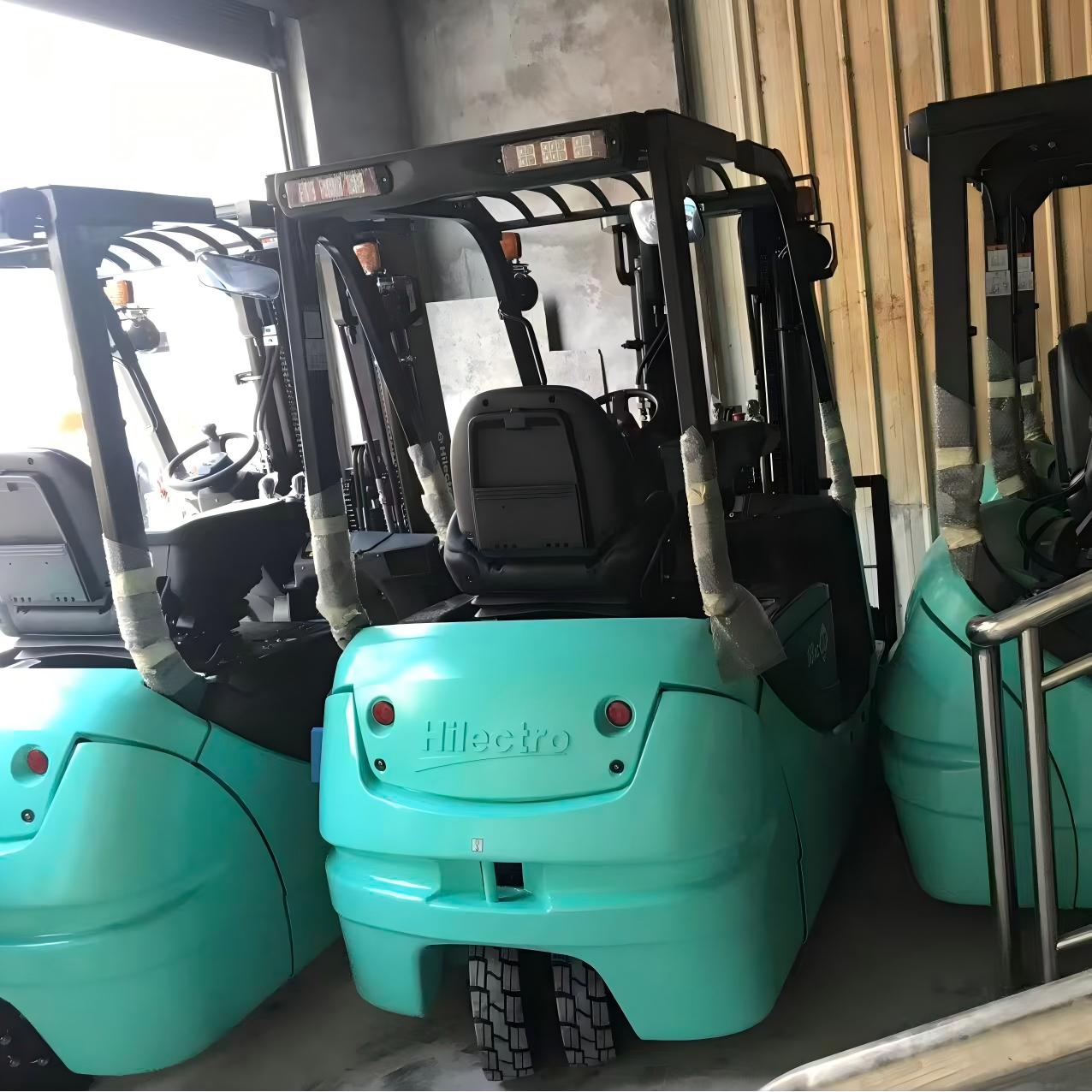
Battery Strategy: One of the Most Important Buying Questions
No cold storage forklift discussion is complete without battery strategy. Temperature affects available energy, charging behavior, and shift planning. Buyers usually compare three key issues:
- Whether the battery chemistry matches freezer work cycles
- Whether the charger matches the site power supply and charging windows
- Whether the runtime estimate is based on real low-temperature duty, not ambient assumptions
In many cold chain facilities, battery performance becomes a hidden cost issue. If the truck requires unscheduled charging or battery changes because freezer conditions reduce effective runtime, labor scheduling and throughput both suffer.
| Battery Evaluation Factor | Why It Matters in Freezer Use | Buyer Question |
|---|---|---|
| Runtime at low temperature | Cold can reduce effective available energy | Is the estimate based on freezer conditions? |
| Charging flexibility | Affects shift continuity | Can the truck support your charging routine? |
| Maintenance requirement | Impacts labor and uptime | How often is service attention needed? |
| Power supply compatibility | Determines charger suitability | Does the charger fit your site voltage? |
| Long-term cost logic | Influences total cost of ownership | What is the replacement and lifecycle strategy? |
Comparing the E16 to Other Food Warehouse Equipment Choices
E16 Versus Hand Pallet Equipment
For low-volume movement, pallet trucks may still have a role. However, once workflow requires frequent stacking, faster route movement, or more precise pallet handling, the E16 becomes more productive and ergonomically better suited.
E16 Versus Larger Counterbalance Forklifts
Larger trucks may handle heavier loads, but they often require more turning room and may not be ideal for dense refrigerated layouts. The E16 is attractive where compactness and daily handling efficiency matter more than oversized capacity.
E16 Versus Automated Equipment
Automation is growing in cold chain logistics, but many facilities still need flexible, manually operated equipment that can adapt to mixed workflows. The E16 is valuable in this middle ground because it improves performance without requiring the capital intensity and process redesign of full automation.
Operational Metrics Buyers Should Watch
To evaluate whether an E16 is the right choice, decision-makers should measure the following:
- Pallet cycles per hour
- Average travel distance per cycle
- Aisle correction time
- Battery runtime under actual temperature conditions
- Maintenance incidents per quarter
- Rack contact or pallet damage frequency
These metrics are more useful than brochure comparisons because they connect equipment choice to warehouse economics and operational risk.
Regulatory and Quality Expectations in Food Logistics
Food-related warehousing places more attention on cleanliness, documentation, repeatability, and safe operation. Forklift buyers should therefore review not only machine specifications, but also maintenance planning, operator training support, and component traceability. If the equipment is sourced internationally, the supplier should also support the documentation needed for the destination market.
In practice, food operators should ask whether the forklift design supports easy cleaning, corrosion resistance, and stable daily use in humidity-heavy areas. These factors may not appear first in a quotation, but they often affect ownership satisfaction later.
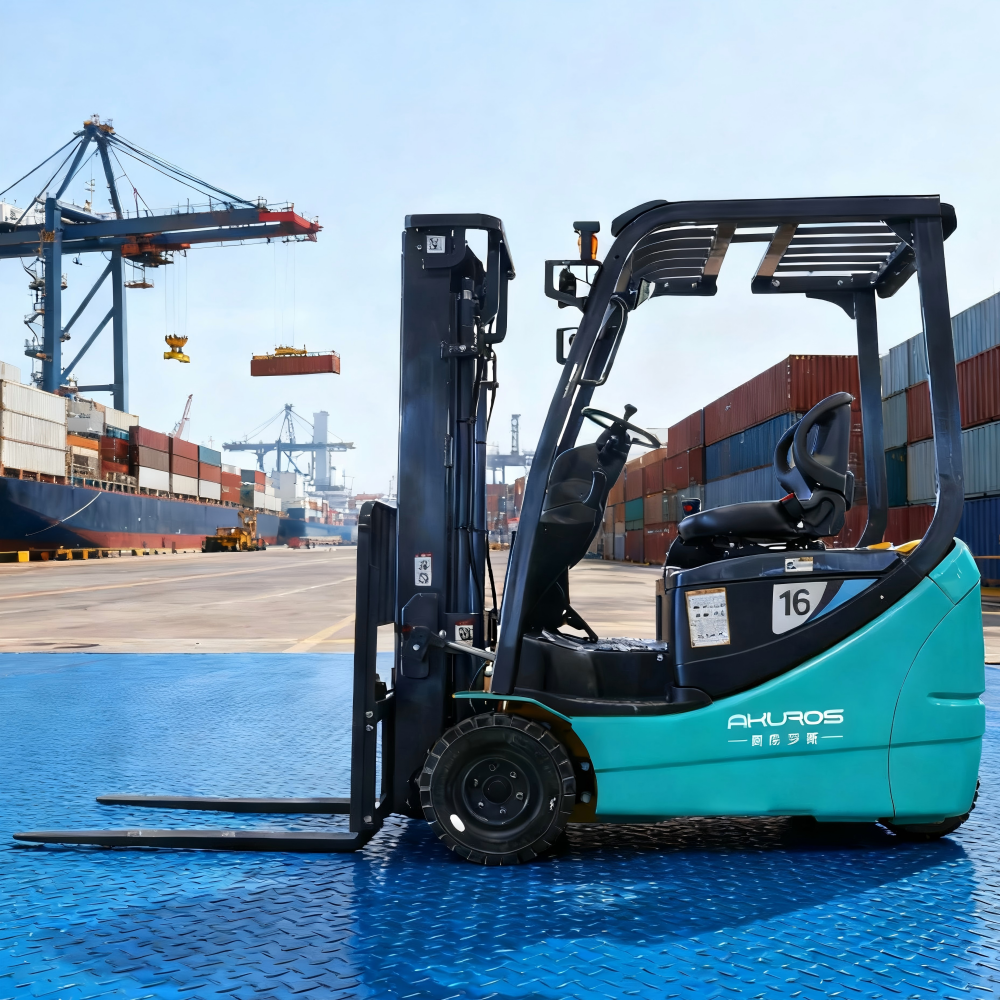
Market Trend: Why More Buyers Want Practical Low-Temperature Forklifts Instead of Generic Models
The old approach was to use standard indoor equipment and accept reduced performance in freezer zones. That approach is becoming less attractive. Food logistics is under pressure to improve throughput, reduce waste, and maintain stronger service levels. At the same time, cold chain infrastructure is expanding across frozen food, prepared meals, seafood export, and pharmaceutical distribution.
As a result, buyers increasingly want forklifts that are purpose-matched to environment and workflow. The E16 fits this trend because it provides a practical cold-ready option without moving into overly specialized or overbuilt equipment categories.
How to Choose the Right Supplier
When choosing a cold storage electric forklift manufacturer or evaluating a low temperature forklift factory, buyers should look beyond marketing terms. A reliable supplier should ask about aisle width, floor condition, freezer temperature, product type, pallet size, daily cycles, charging method, and service expectations. This shows that the supplier is building a solution, not only a quote.
Kesimpulan
The E16 electric forklift for freezer warehouse is a practical choice for food and cold chain operations that require compact movement, stable indoor electric handling, and reliable low-temperature performance. For buyers seeking a food industry cold room forklift, comparing a cold storage electric forklift manufacturer, or sourcing from a low temperature forklift factory, the E16 offers a commercially balanced combination of workflow fit, safety, and durability.
In freezer logistics, the right truck improves more than handling speed. It supports sanitation discipline, preserves storage efficiency, reduces avoidable downtime, and helps the entire warehouse operate with more confidence.
PERTANYAAN YANG SERING DIAJUKAN
1. What is the main benefit of using an E16 electric forklift for freezer warehouse work?
The main benefit is that the E16 is better suited to low-temperature handling than a generic indoor forklift. It supports compact movement, stable control, and practical resistance to the moisture and condensation challenges common in freezer warehouse operations.
2. Is the E16 suitable for food industry cold room forklift applications?
Yes. The E16 is suitable for many food industry cold room forklift applications because it combines electric indoor operation with compact maneuverability and low-temperature handling logic. It is especially relevant in frozen food, seafood, dairy, and refrigerated distribution settings.
3. What should I ask a cold storage electric forklift manufacturer before buying?
You should ask about actual operating temperature range, battery performance in freezer use, charger compatibility, anti-corrosion treatment, sealing and moisture protection, mast options, maintenance support, and parts availability. These details are essential for real cold chain performance.
4. Does a low temperature forklift factory need to customize the truck for different industries?
In many cases, yes. Frozen food, seafood, pharmaceutical cold chain, and cold storage distribution can have different humidity, hygiene, and workflow requirements. The best suppliers usually adapt the configuration to the application rather than treating every cold room as the same environment.
5. How does the E16 compare with a standard warehouse forklift in total value?
Although a standard forklift may appear cheaper initially, it may not perform as reliably in freezer conditions. The E16 can create better long-term value by reducing handling difficulty, improving uptime, supporting denser layouts, and lowering the hidden costs associated with moisture-related wear and inefficient operation.
Referensi
- Cold Chain Logistics and Temperature-Controlled Warehousing, Global Cold Chain Alliance, Industry Publication
- Food Safety and Logistics Operations, FAO, Technical Resource
- Electric Forklift Application Guidance, Industrial Truck Association, Technical Guide
- Low Temperature Battery Behavior, U.S. Department of Energy, Technical Material
- Corrosion Prevention in Industrial Facilities, NACE International, Engineering Reference
- Refrigerated Warehouse Best Practices, International Institute of Refrigeration, Industry Resource
- Industrial Ergonomics for Manual and Powered Handling, NIOSH, Safety Publication
- Warehouse Throughput and Layout Efficiency, MHI, Industry Insight
Semantic Insight Block
How does the E16 fit the logic of food and cold chain warehousing?
It fits because these warehouses need more than lifting. They need controlled movement, compact operation, moisture tolerance, and equipment that can work reliably in product-sensitive environments. The E16 answers this with a balance of cold storage suitability and daily practicality.
Why is supplier selection as important as product selection?
Because the success of a freezer forklift depends on configuration details, charger matching, maintenance planning, and workflow understanding. A strong supplier helps ensure the truck is correctly matched to the facility rather than simply shipped as a standard model.
What options have the biggest effect on long-term ownership value?
Battery strategy, low-temperature package design, anti-corrosion treatment, mast visibility, and service parts support are usually the most important. These options affect uptime, productivity, and maintenance cost throughout the equipment lifecycle.
What should warehouse managers consider before finalizing the order?
They should review aisle width, load profile, floor conditions, humidity level, charging routine, operator shift pattern, and the percentage of time spent in deep freezer zones versus ambient transition areas. These factors determine whether the configuration will truly perform as expected.
Why is the market moving away from generic forklifts for freezer work?
Because cold chain operators are under pressure to improve consistency, reduce downtime, and increase throughput. Generic forklifts often create hidden losses in low-temperature environments. Practical cold-ready equipment like the E16 responds more directly to real warehouse needs.