

 Turkish
  English
  Russian
  French
  Spanish
  German
  Italian
  Portuguese
  Korean
  Japanese
  Arabic
  Indonesian
  Dutch
Dutch 

The backbone of modern warehousing and material handling lies in the humble Palet Kamyonları. These versatile handling tools enable rapid loading, unloading, and movement of palletized goods, reducing labor strain and optimizing workflow. Yet improper use can lead to equipment damage, product loss, or, worse, serious workplace injuries. By understanding the core features, configurations and best practices of pallet trucks, and choosing models with advanced selling points such as ergonomic tiller heads, reinforced chassis and energy-efficient hydraulic pumps.
Understanding What a Pallet Truck Is
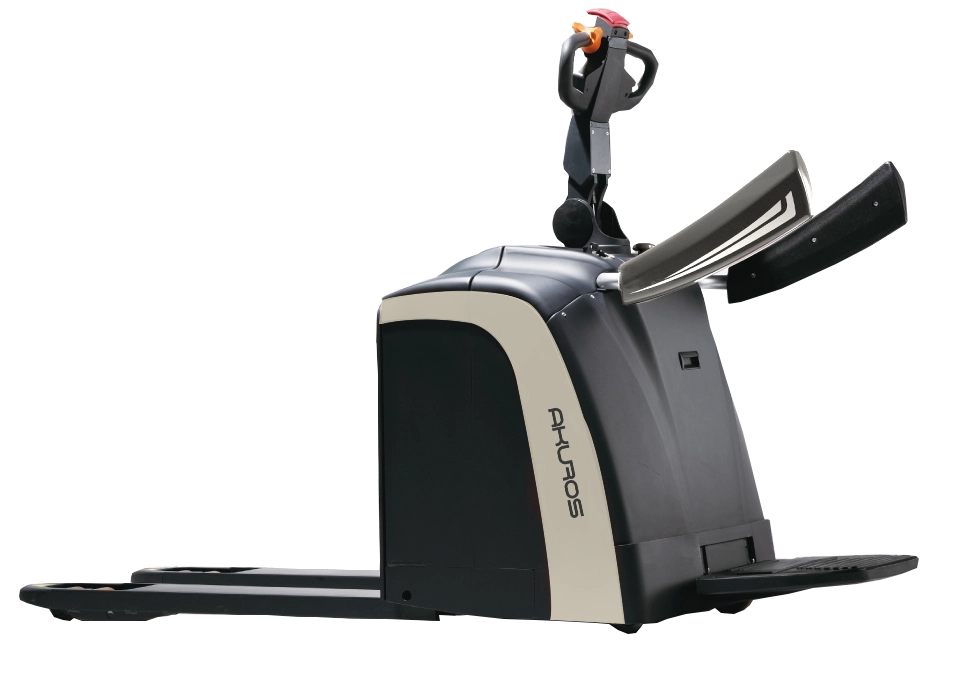
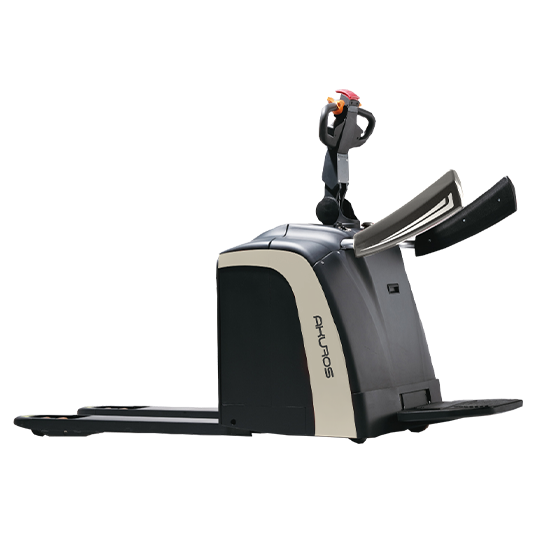
A Palet Kamyonu—also known as a pallet jack or pump truck—is a wheeled device designed to lift and move palletized loads over short distances. Manual models employ a hydraulic pump actuated by a tiller handle: pumping raises the forks, and a release lever lowers them. Electric-powered variants integrate battery-driven hydraulic systems and motorized drive units, further reducing operator exertion. Regardless of type, pallet trucks concentrate lifting power into narrow fork channels that slide beneath pallets, lifting loads up to 5,500 lbs with minimal effort.
Modern pallet trucks often feature advanced selling points:
-
Ergonomic Tiller Design: Cushioned grips, adjustable handle heights, and intuitive controls minimize operator fatigue during long shifts.
-
High-Efficiency Hydraulic Pumps: Precision-engineered cylinders require fewer pumps to reach full height—often as few as 12–14 strokes—speeding up routine lifts.
-
Reinforced Fork Construction: Heat-treated steel forks resist bending under heavy loads, ensuring long-term reliability.
These enhancements differentiate premium pallet trucks from basic models, delivering superior performance and lower lifecycle costs.
Palet Kamyonları
Recognizing Different Configurations of Pallet Trucks
Not all pallet trucks are created equal. Understanding the available types allows you to select the right tool for your operation:
-
Standard Manual Pallet Trucks: Ideal for light to medium loads on smooth, level surfaces. They offer simple maintenance and low upfront cost.
-
Electric Pallet Trucks: Incorporate battery-powered drive and lift functions, reducing operator strain and boosting productivity, especially over longer distances or high-volume shifts.
-
Weighing Pallet Trucks: Integrated load cells provide on-the-go weight measurement, streamlining inbound/outbound verification without additional scales.
-
High-Lift Pallet Trucks: Feature lifting mechanisms that elevate loads to ergonomic waist height, converting the truck into a mobile workbench for assembly or order-picking tasks.
-
Narrow-Aisle and Straddle Pallet Trucks: Designed with slim frames or extended straddle legs to maneuver in tight corridors or under oversized skids.
Selecting the appropriate configuration enhances operational efficiency and reduces wear on the equipment. For instance, electric trucks are indispensable in cold-storage environments, where manual pumping becomes arduous under low-temperature conditions, while high-lift models minimize back injuries in assembly-line settings.
Performing Pre-Operation Inspections and Routine Maintenance
Before each shift, operators must conduct a standardized safety check to ensure Palet Kamyonları remain in peak condition. Key inspection points include:
-
Hydraulic System: Check for fluid leaks around the pump and cylinder. Low fluid levels or fractured seals can compromise lifting capacity.
-
Wheels and Rollers: Examine polyurethane or nylon wheels for debris, cracks, or uneven wear. Damaged wheels increase rolling resistance and risk floor damage.
-
Fork Integrity: Look for bends, cracks, or corrosion in the fork arms and heels. Reinforced forks with heat-treated steel should be free of stress fractures.
-
Tiller Functionality: Test the handle’s full range of motion, ensuring the lift, neutral, and lower positions engage smoothly without sticking.
-
Safety Decals and Load Charts: Confirm legible labels indicating capacity, lift height, and operating instructions are in place.
Routine maintenance—typically every 3–6 months—should include:
-
Hydraulic Oil Replacement: Using manufacturer-approved oil to maintain consistent pump performance.
-
Greasing Pivot Points: Lubricating bushings and pins to reduce wear.
-
Wheel Bearing Inspection: Replacing worn bearings to preserve smooth rolling.
-
Frame and Fork Painting: Touching up powder-coat surfaces to prevent corrosion, especially in humid or wash-down environments.
A well-executed maintenance program extends equipment life, reduces downtime, and safeguards both product and personnel.
Adopting Proper Loading and Unloading Techniques
Efficient material handling begins with correct load placement. Palet Kamyonları perform best when loaded and unloaded using these guidelines:
-
Centering the Load: Position the pallet so weight is evenly distributed between the two forks. Off-center loads can swivel the truck and increase tipping risk.
-
Full Fork Insertion: Insert forks completely beneath the pallet deck to ensure maximum support. Partial insertion can lead to pallet deformation and unstable lifting.
-
Pump Till Full Lift: Raise the forks until the pallet clears the floor by at least 3 inches (75 mm), providing sufficient ground clearance for maneuvering.
-
Controlled Lowering: Use the release lever gently to set the load down smoothly, avoiding sudden drops that stress the chassis and contents.
-
Avoid Overloading: Respect the rated capacity—exceeding the limit strains the hydraulic pump and may activate internal safety valves that lock the lift function.
When unloading, ensure a clear pathway and stable floor surfaces. Uneven or grated floors can cause forks to shift unexpectedly, risking pallet damage.
Implementing Safe Maneuvering and Driving Practices
Even a high-quality pallet truck with polyurethane wheels and a precision tiller can become hazardous without proper handling. Best practices include:
-
Maintain Line of Sight: When possible, face the direction of travel. If reversing, use spotters or mirrors to prevent collisions.
-
Control Speed: Keep movement slow and deliberate—rapid turns or sudden stops can cause the load to shift.
-
Use Designated Routes: Stick to marked pathways and avoid pedestrian traffic areas. Adequate aisle width prevents side impacts.
-
Brake Engagement on Ramps: On inclined floors, keep the load uphill and engage the brake function to secure the truck. Avoid moving heavy loads on slopes whenever possible.
-
Two-Handed Operation: Always grip the tiller with both hands to better control steering and activation of lift/lower functions.
These measures protect both workers and inventory, reducing accident rates and liability risks.
Maximizing Efficiency Through Optimized Workflow
Beyond safety, thoughtful integration of Palet Kamyonları into your logistics flow can drive substantial productivity gains:
-
Staging Areas: Designate pick-up and drop-off zones that minimize cross-traffic. Group pallets by destination to reduce rehandling.
-
Combined Tasks: Pair pallet truck routes with inventory checks, allowing operators to scan SKUs while moving goods.
-
Battery Rotation (for Electric Models): Maintain multiple charged batteries on rotation to avoid downtime during charging cycles.
-
Integration with Racking Systems: Use pallet stop bars and floor guides to streamline pallet engagement, reducing fork misalignment.
-
Data-Driven Deployment: Track usage patterns via RFID tags or telematics in advanced electric pallet trucks, optimizing fleet size and positioning.
Well-planned workflows cut transit distances, minimize idle time, and leverage each truck’s unique selling features—such as rapid-lift hydraulics—to their fullest potential.
Ensuring Proper Training and Certification for Operators
Even the most feature-rich pallet truck cannot compensate for untrained use. A formal training program should cover:
-
Equipment Familiarization: Identifying controls, capacity labels, and safety features.
-
Operational Procedures: Hands-on practice in loading, maneuvering, and shutdown sequences.
-
Hazard Recognition: Spotting floor irregularities, identifying overloading signs, and responding to hydraulic failures.
-
Maintenance Basics: Conducting daily inspections and reporting defects promptly.
-
Mevzuata Uygunluk: Elektrikli ve manuel endüstriyel kamyonlar için OSHA, ANSI veya yerel standartlara uyum sağlama.
Sertifikasyon her yıl yenilenmeli ve otomatik fren sistemleri veya dijital yük tartım ekranları gibi yeni özellikleri vurgulayan tazeleme modülleri ile operatörlerin en iyi uygulamalar konusunda güncel kalmaları sağlanmalıdır.
Transpalet Tedarikçileri
Etkili malzeme elleçleme, doğru malzeme seçimine bağlıdır yüksek kaliteli transpaletler ve disiplinli operasyonel protokoller uygulamak. Temel tanımları kavramaktan gelişmiş telematiği entegre etmeye kadar her kılavuz daha güvenli ve daha üretken bir iş yerine katkıda bulunur. Ergonomik tasarımlar, yüksek verimli hidrolik pompalar, güçlendirilmiş çatallar ve çevresel korumalar gibi satış noktalarına sahip kamyonları seçen şirketler, yalnızca çalışanları ve envanteri korumakla kalmaz, aynı zamanda uzun vadeli kârlılığı da destekler. Operasyon öncesi denetimleri, uygun yükleme yöntemlerini, güvenli manevrayı, optimize edilmiş iş akışlarını ve sürekli operatör eğitimini kapsayan kapsamlı bir yaklaşım, transpaletlerin tüm potansiyelini ortaya çıkararak onları yalnızca taşıma araçları olmaktan çıkarıp her türlü lojistik ekosisteminde stratejik varlıklara dönüştürür: "Hakkında daha fazla bilgi edinmek ister misiniz? Palet Kamyonları? Fiyat teklifi almak için hemen bizimle iletişime geçin!"