

 Italian
  English
  Russian
  French
  Spanish
  German
  Portuguese
  Korean
  Japanese
  Arabic
  Turkish
  Indonesian
  Dutch
Dutch 

manufacturing plants, industrial warehouses, and logistics operations. As companies look for cleaner,
quieter, and more efficient material handling equipment, the heavy-duty electric counterbalance forklift
is now being considered not only for standard indoor work, but also for more demanding daily applications.
Il heavy-duty electric counterbalance forklift combines the familiar structure of a traditional
counterbalance truck with the advantages of electric power. For buyers who need strong load handling,
better working conditions, and a long-term alternative to combustion equipment, this category offers
a practical solution.

1. A Heavy-Duty Electric Counterbalance Forklift Improves Indoor Working Conditions
One of the main reasons to choose a heavy-duty electric counterbalance forklift è il
improvement it brings to the workplace. Compared with diesel equipment, an electric forklift operates
with less noise, less vibration, and no on-site exhaust emissions.
In manufacturing environments and indoor warehousing, this creates a more comfortable space for operators
and nearby staff. Cleaner indoor air and lower noise levels can make daily operations more efficient,
especially where forklifts are used frequently throughout the day.
2. A Heavy-Duty Electric Counterbalance Forklift Supports Modern Manufacturing Needs
Modern factories need material handling equipment that is reliable, controllable, and suitable for
structured workflows. A heavy-duty electric counterbalance forklift fits well into these
environments because it offers stable handling for palletized goods, components, and finished products
without relying on a combustion engine.
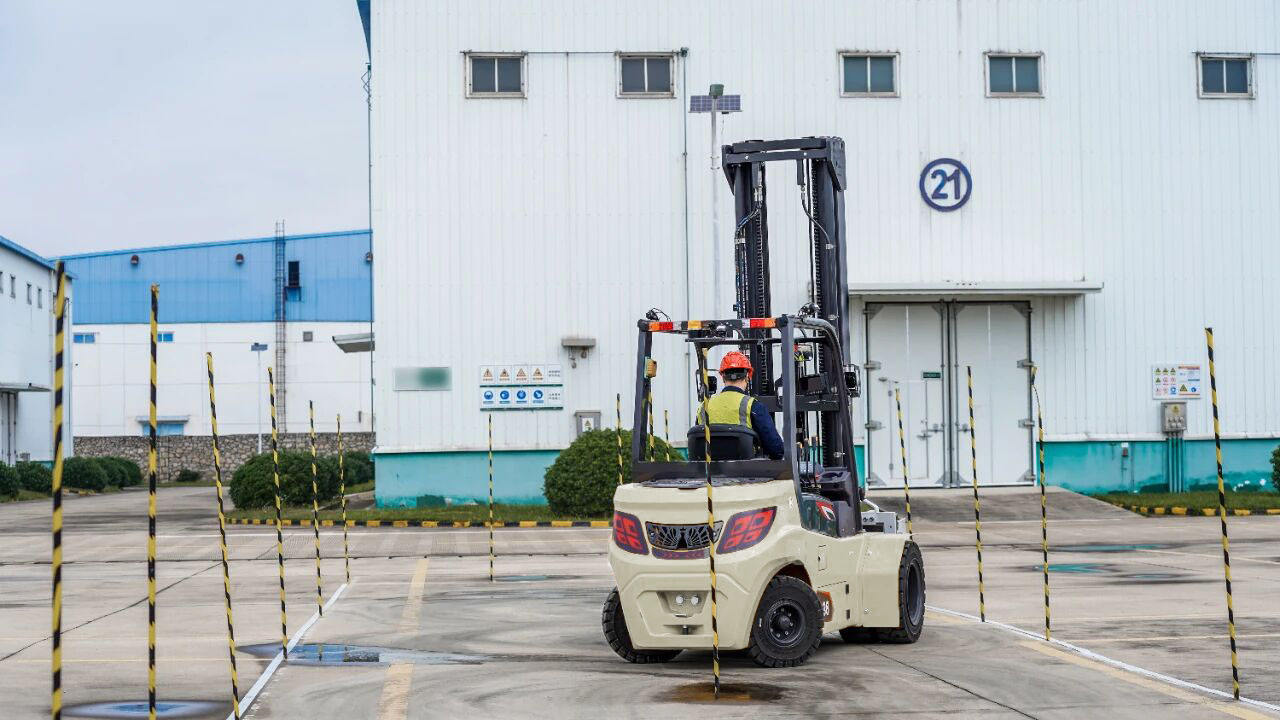
For manufacturers looking to improve internal transport efficiency, this type of forklift is well suited
to repetitive daily movement between production areas, storage zones, and outbound staging points.
3. A Heavy-Duty Electric Counterbalance Forklift Is a Practical Diesel Alternative
Many buyers still compare electric models with diesel forklifts, especially when evaluating higher-capacity
machines. In many cases, a heavy-duty electric counterbalance forklift can serve as a practical
diesel alternative for indoor and covered industrial applications.
The key advantage is that businesses can keep the familiar counterbalance operating logic while gaining the
benefits of electric operation. This makes it easier for operators to adapt and easier for companies to
transition toward cleaner equipment.
4. A Heavy-Duty Electric Counterbalance Forklift Can Handle Demanding Daily Work
A common misconception is that electric forklifts are only suitable for light warehouse jobs. In reality,
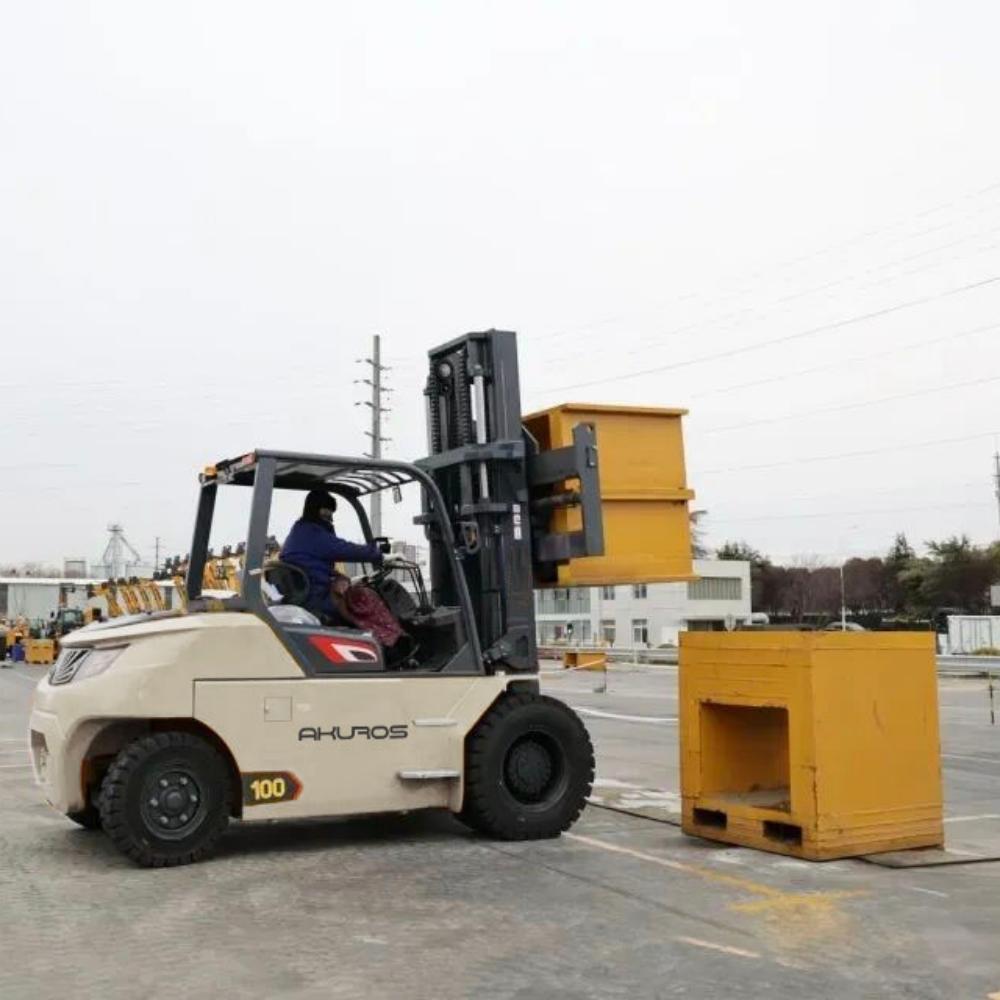
a properly designed heavy-duty electric counterbalance forklift is built for stronger load
handling and more demanding daily duty cycles.
This is especially important for industrial users handling denser pallet loads, bulk materials, or continuous
workflow between multiple operational areas. Structural design, battery strategy, and forklift class all
affect performance, which is why heavy-duty electric models have become increasingly important.
5. A Heavy-Duty Electric Counterbalance Forklift Offers Flexible Battery Choices
Another reason to choose a heavy-duty electric counterbalance forklift is battery flexibility.
Depending on the model, users may choose lead-acid or lithium battery configurations to match their shift
pattern, budget, and charging setup.
Buyers can learn more about broader electrification trends through
this U.S. Department of Energy resource on battery adoption
and review workplace material handling considerations through
OSHA material handling guidance.
6. A Heavy-Duty Electric Counterbalance Forklift Matches Long-Term Industrial Upgrading
More companies are upgrading their facilities with cleaner and more efficient equipment. A
heavy-duty electric counterbalance forklift fits this long-term direction because it supports
modern industrial standards while maintaining the practical advantages of a counterbalance truck.
For businesses planning equipment renewal, process improvement, or facility modernization, this forklift type
provides a realistic balance between performance and operational improvement.
Why the Akuros Peacock Series Fits This Category
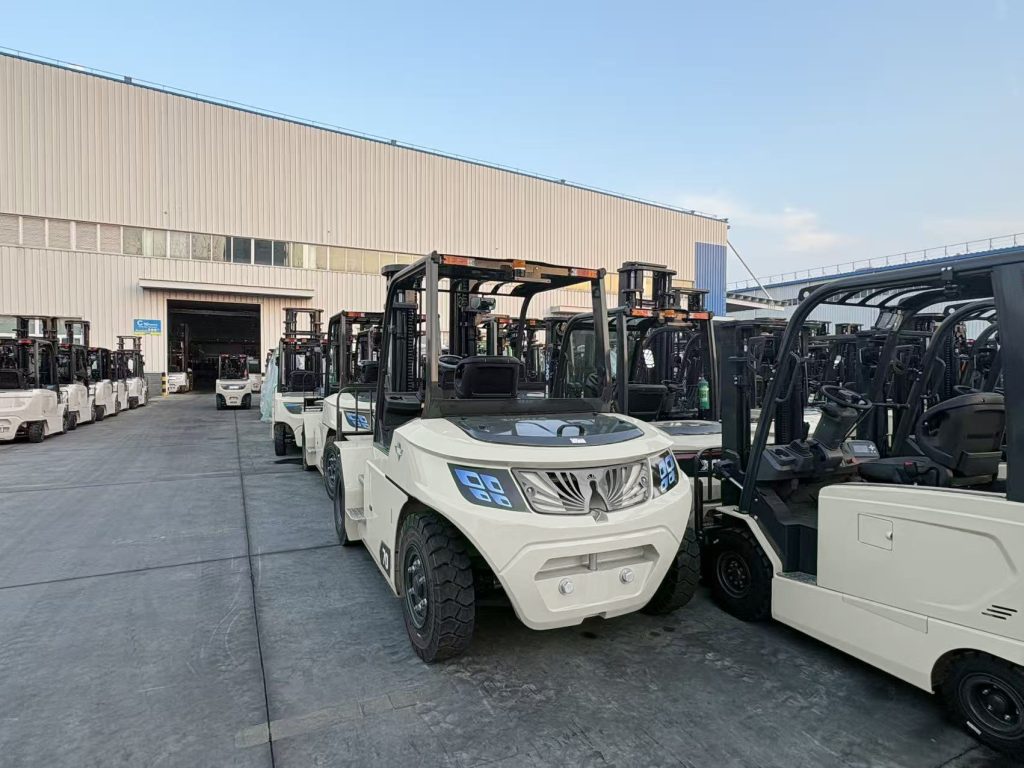
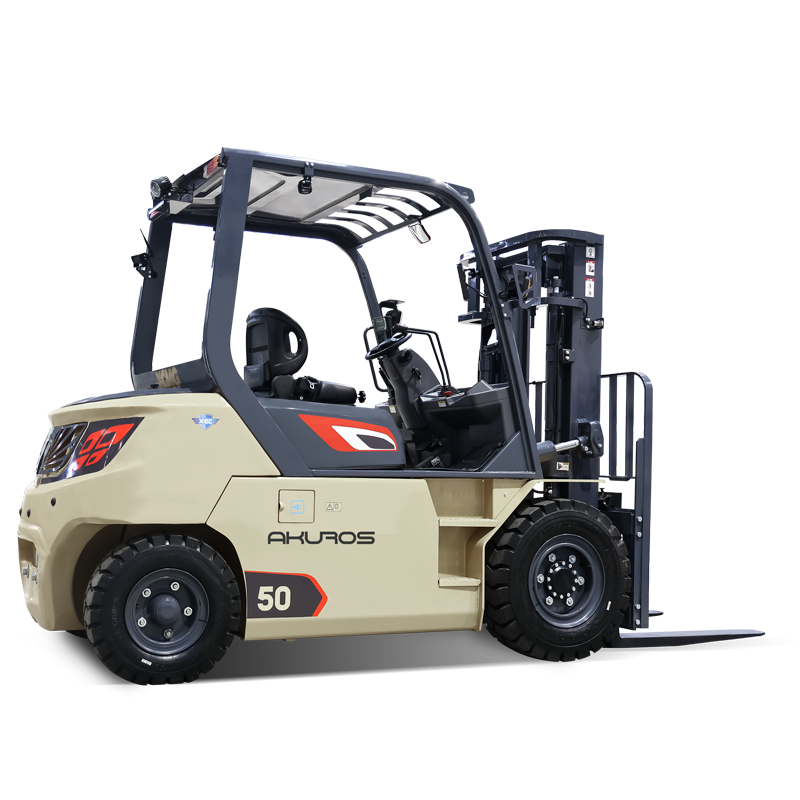
Il Akuros Peacock Series heavy-duty electric counterbalance forklift
is designed for industrial warehousing, manufacturing, and logistics operations that require stronger electric
load handling. Positioned in the 4.0–5.0 ton range, it offers a reinforced structure, stable counterbalance
performance, and flexible battery options for demanding daily work.
If you are researching a heavy-duty electric counterbalance forklift, you may also want to read
our related guide on
electric counterbalance forklift vs diesel forklift
and our article about
how to choose a 4 ton or 5 ton electric counterbalance forklift.
Best Applications for a Heavy-Duty Electric Counterbalance Forklift
- Manufacturing plants moving raw materials and finished goods
- Industrial warehouses handling medium to heavy pallet loads
- Logistics centers seeking cleaner forklift operation
- Covered operational areas replacing diesel equipment
- Facilities upgrading to modern electric material handling systems
Conclusione
A heavy-duty electric counterbalance forklift is no longer a niche option. It is now a strong
solution for businesses that need industrial load handling, better indoor working conditions, and a cleaner
alternative to combustion forklifts.
For companies in manufacturing, warehousing, and logistics, the Akuros Peacock Series offers a practical way
to adopt a heavy-duty electric counterbalance forklift without sacrificing daily operational value.