

 Turkish
  English
  Russian
  French
  Spanish
  German
  Italian
  Portuguese
  Korean
  Japanese
  Arabic
  Indonesian
  Dutch
Dutch 

In a heavy industrial warehouse, a forklift is not just a machine that moves pallets. It decides how fast trucks are unloaded, how safely materials are stacked, how often workers wait for equipment, and how much money disappears into downtime. A buyer may think the question is simple: “Which forklift can lift this load?” In reality, the better question is: “Which forklift can lift this load safely, repeatedly, efficiently, and economically in our real working environment?”
That is why Counterbalance Forklifts remain one of the most important material handling machines for factories, warehouses, distribution centers, cold storage operations, construction material yards, and heavy industry plants. Buyers comparing Counterbalance Forklifts for industrial applications should evaluate load capacity, power type, load center, mast height, tire choice, battery planning, safety systems, service support, and total cost of ownership before placing an order.
Counterbalance Forklifts
What Are Counterbalance Forklifts?
Counterbalance Forklifts Explained in Simple Terms
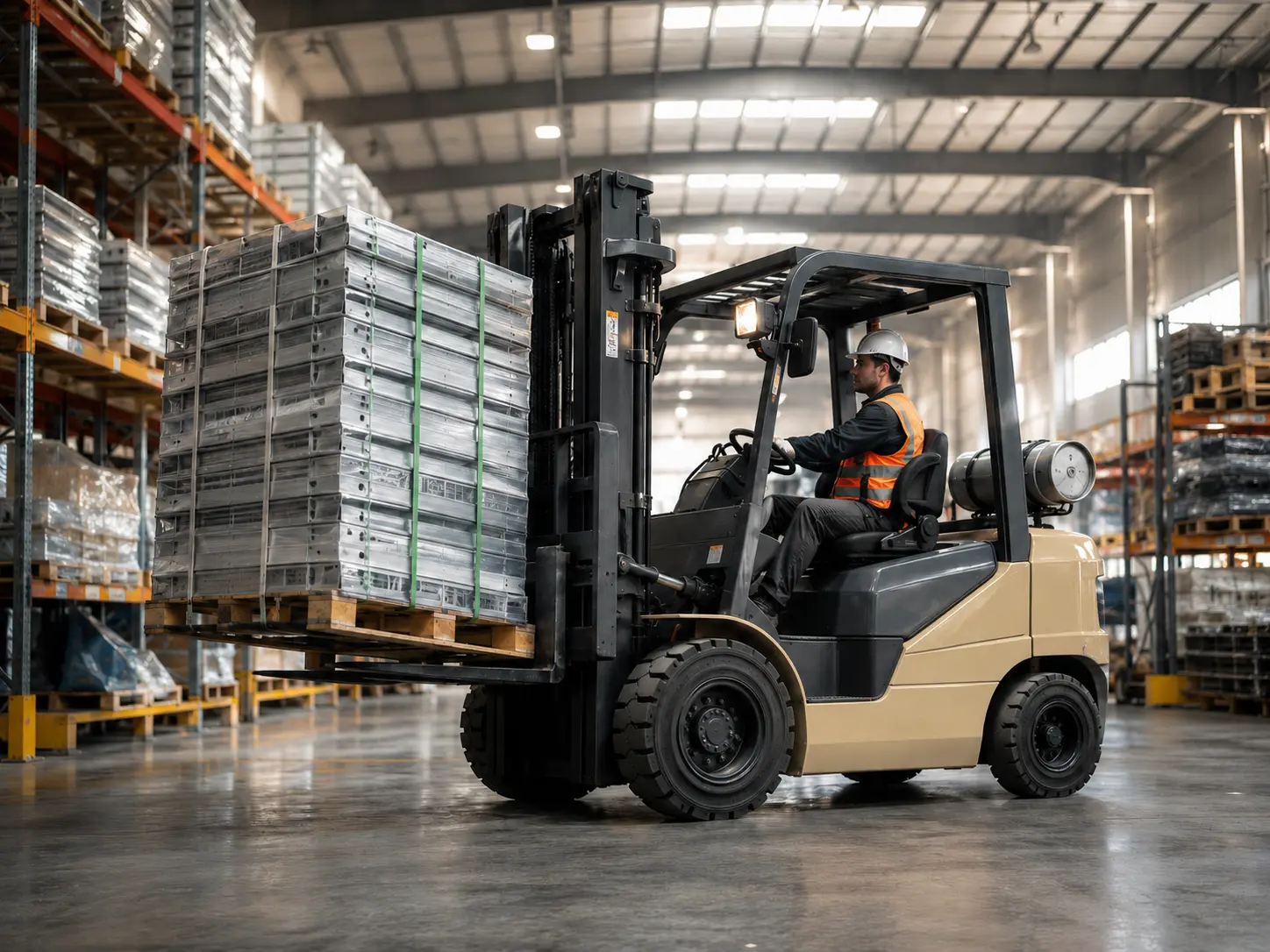
Counterbalance Forklifts are forklifts designed with a counterweight at the rear of the machine to balance the load lifted at the front. Unlike reach trucks or straddle stackers, they do not need front support legs around the pallet. The operator can drive directly up to pallets, racks, trucks, containers, loading docks, and production lines.
They are widely used for loading, unloading, pallet transfer, stacking, container handling, production logistics, and heavy-duty material movement. Depending on application and supplier configuration, common power types include electric, diesel, LPG, and lithium battery electric models. In 2026, more buyers are shifting toward electric counterbalance forklifts because of cleaner operation, lower noise, energy efficiency, and easier indoor use.
Why Heavy Industry Still Uses Counterbalance Forklifts
Heavy industry still relies on Counterbalance Forklifts because they are versatile, strong, familiar, and practical. They can handle pallets, crates, drums, metal components, packaged goods, timber, molds, cold storage pallets, and industrial materials. In open warehouse layouts, production plants, loading docks, and outdoor yards, counterbalance models often provide a better balance of strength and flexibility than more specialized warehouse equipment.
However, choosing the wrong machine can create serious consequences. Too little capacity creates safety risk. Too much capacity wastes budget and space. Wrong tires reduce stability. Weak battery planning causes downtime. Poor supplier support makes every spare part feel like a treasure hunt. Procurement should be based on real operating data, not guesswork with a brochure.
Top 1: Load Capacity and Real Working Weight
Why Rated Capacity Is Not the Whole Story
A forklift rated at 3,000kg does not automatically lift every 3,000kg load safely in every condition. Load center, mast height, attachment weight, pallet size, and load shape all affect real capacity. A compact pallet with centered weight is very different from a long steel component, an oversized crate, or a dense industrial mold.
Heavy industry buyers should calculate the maximum regular load, not only the average load. If your average pallet is 1,200kg but you regularly handle 2,500kg machinery parts, the 2,500kg load should guide procurement. Undersizing creates safety risk; oversizing may increase cost, turning radius, and energy consumption.
How to Estimate Required Capacity
A practical rule is: required capacity = maximum load weight + attachment weight + safety margin. If the operation uses clamps, side shifters, fork positioners, extended forks, or rotators, attachment weight and load center changes must be included. Buyers should ask the supplier to confirm derated capacity with attachments installed.
| Load Type | Typical Weight Range | Recommended Forklift Capacity | Buyer Warning |
|---|---|---|---|
| Standard pallet goods | 500–1,500kg | 1.5–2.0 ton class | Check pallet dimensions and stack height. |
| Cold storage pallets | 800–2,000kg | 1.6–2.5 ton electric model | Battery performance and tire grip matter. |
| Yapı malzemeleri | 1,500–3,500kg | 2.5–4.0 ton class | Confirm outdoor tires and chassis strength. |
| Machinery molds or steel parts | 2,000–5,000kg+ | Heavy-duty counterbalance forklift | Load center and attachment derating are critical. |
Top 2: Electric vs Diesel vs LPG Counterbalance Forklifts
Electric Counterbalance Forklifts
Electric Counterbalance Forklifts are suitable for indoor warehouses, cold storage, logistics centers, food facilities, retail distribution, and manufacturing plants that need cleaner operation. They produce no tailpipe emissions during operation, generate less noise, and usually have lower daily energy cost than fuel-powered alternatives. They also fit companies moving toward greener warehouse operations.
In 2026, electric models are no longer only for light-duty tasks. Many modern electric forklifts now support strong torque, stable handling, and practical shift operation. For buyers evaluating electrification, this article on energy-efficient electric counterbalance forklifts explains why electric power is becoming more attractive for warehouses that need both productivity and lower operating impact.
Diesel and LPG Counterbalance Forklifts
Diesel counterbalance forklifts remain useful for outdoor yards, heavy loads, rough environments, long continuous operation, and applications where fast refueling is important. They usually provide strong power and rugged performance, but they also create more noise and emissions. For enclosed indoor spaces, ventilation and local rules must be considered carefully.
LPG forklifts can support mixed indoor and outdoor use in some markets. They refuel faster than battery-powered models and produce lower emissions than diesel, but fuel handling, ventilation, and availability must still be reviewed. The right choice depends on working site, load type, shift schedule, energy infrastructure, and local safety requirements.
| Güç Türü | Best Use | Başlıca Avantaj | Main Limitation | Buyer Recommendation |
|---|---|---|---|---|
| Elektrik | Indoor warehouses and clean facilities | Low noise and cleaner operation | Charging must be planned | Choose for indoor and cold-chain operations. |
| Diesel | Outdoor yards and heavy-duty work | Strong power and fast refueling | Noise and emissions | Choose for outdoor heavy loads. |
| LPG | Mixed-use sites | Fast refueling | Fuel storage and ventilation required | Choose where electric charging is limited. |
Top 3: Load Center and Stability
What Load Center Means
Load center is the horizontal distance from the fork face to the center of gravity of the load. Standard pallet loads often use a 500mm or 600mm load center, depending on regional specification and forklift design. Longer loads shift the center of gravity outward, reducing the forklift’s safe lifting capacity.
This is where many procurement mistakes begin. A buyer sees a capacity rating and assumes it applies to every load shape. It does not. Long crates, machinery parts, uneven pallets, and loads carried with attachments can change stability. Always match forklift rating with real load dimensions.
Stability Triangle and Tipping Risk
Counterbalance Forklifts rely on the balance between the load at the front and the counterweight at the rear. Sudden turning, uneven ground, high mast lifting, poor load placement, overspeeding, or overloading can increase tipping risk. Safety systems can help, but operator training and correct usage are still essential.
Top 4: Mast Height and Lift Requirements
Choosing the Right Mast Type
Mast selection affects stacking height, container loading, doorway clearance, visibility, and cost. Common choices include two-stage masts, three-stage masts, full free lift masts, and wide-view masts. Too low limits storage capacity. Too high may add cost and reduce visibility if unnecessary.
Buyers should confirm maximum lift height, lowered mast height, free lift height, rack height, doorway height, container entry needs, and ceiling limitations. If you load containers, free lift and lowered mast height become especially important. If you stack in high racks, mast stability and visibility matter more.
Why Visibility Matters
Poor visibility increases pallet damage, rack collision, and safety risk. A wide-view mast improves operator control. Camera systems or positioning aids may be useful for high stacking. Heavy industry buyers should prioritize safety and visibility, not only maximum lift height.
| Warehouse Condition | Recommended Mast Feature | Neden Önemli Olduğu |
|---|---|---|
| Low doorway | Low lowered mast height | Avoids doorway clearance problems. |
| High racking | Three-stage mast | Supports higher stacking. |
| Container loading | Full free lift mast | Allows lifting under low overhead space. |
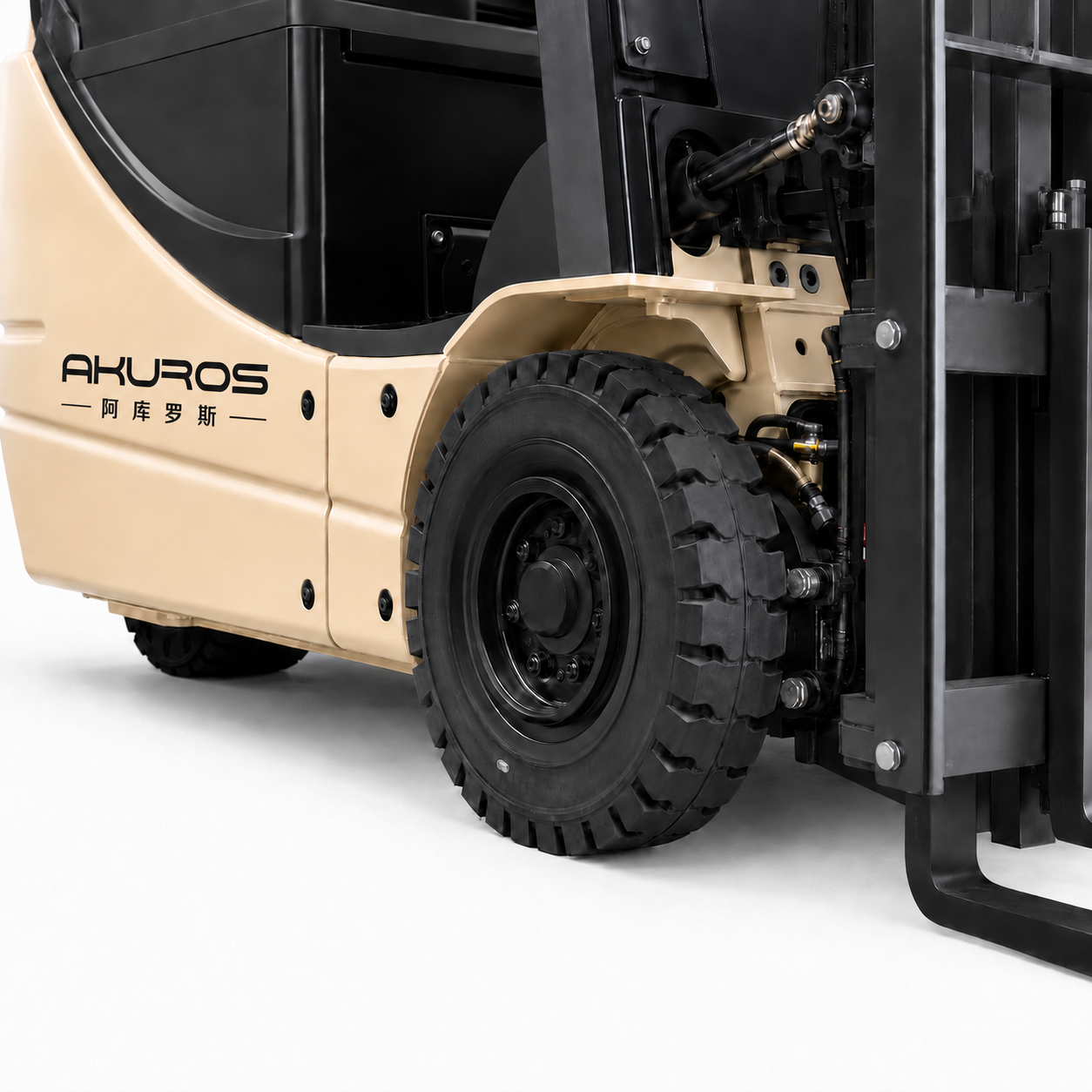
E16 Electric Counterbalanced Forklift
Top 5: Tires and Working Surface
Cushion Tires vs Pneumatic Tires
Tire selection depends on floor condition. Cushion tires are suitable for smooth indoor floors, while pneumatic tires are better for outdoor yards, rougher surfaces, ramps, gravel, and uneven ground. Solid pneumatic tires offer puncture resistance and durability for industrial environments.
Wrong tire choice reduces stability, comfort, traction, and productivity. A forklift that works beautifully on smooth concrete may struggle on an outdoor yard. A forklift built for rough ground may be too bulky for compact indoor aisles.
Cold Storage and Special Surfaces
Cold storage environments require special attention to traction, condensation, battery behavior, operator comfort, and clean operation. For cold-chain buyers, this article on E16 counterbalance forklift in cold storage shows why electric equipment can become a core handling asset when low emissions, indoor maneuverability, and reliable pallet movement are required.
| Work Surface | Tire Recommendation | Forklift Feature Needed | Buyer Warning |
|---|---|---|---|
| Smooth indoor concrete | Cushion or solid tires | Kompakt dönüş yarıçapı | Check aisle width before buying. |
| Outdoor yard | Pneumatic or solid pneumatic | Ground clearance and traction | Do not use indoor-only models. |
| Soğuk depo | Suitable indoor traction tires | Battery and condensation planning | Cold conditions affect runtime and handling. |
Top 6: Battery, Charging, and Energy Efficiency
Lithium Battery vs Lead-Acid Battery
Battery choice directly affects productivity. Lithium batteries usually charge faster, support opportunity charging, require less daily maintenance, and may improve uptime. Lead-acid batteries may have a lower initial cost but require more maintenance, ventilation, watering, longer charging time, and battery room planning in some operations.
Buyers should compare total cost of ownership, not only battery purchase price. A forklift that stops during peak loading because the battery is empty is not energy efficient. It is an expensive obstacle with forks.
How to Plan Forklift Battery Runtime
Calculate shift hours, load intensity, travel distance, charging breaks, charger type, and number of machines. Ask for battery capacity, expected runtime, charging time, battery warranty, and charging method. If the warehouse operates across long shifts, lithium opportunity charging or spare battery planning may be necessary.
| Pil Tipi | Charging Time | Bakım | Best Use | Buyer Recommendation |
|---|---|---|---|---|
| Lead-acid | Longer charging cycle | Daha yüksek | Lower initial budget operations | Plan charging space and maintenance. |
| Lithium-ion | Faster charging | Daha düşük | Multi-shift and high-efficiency operations | Choose for uptime and opportunity charging. |
Top 7: Safety Features and Regulatory Compliance
Essential Safety Features
Modern Counterbalance Forklifts may include overload warning, speed limit control, seat belt system, operator presence system, backup alarm, blue light or red zone warning, rearview camera, LED lights, emergency stop, mast safety control, stability control, anti-slip steps, and warning horn. Safety features are especially important in busy warehouses, cold storage aisles, loading docks, and manufacturing plants.
Regulatory and Workplace Safety Considerations
Forklift operation is subject to local workplace safety rules. Operators often need training and authorization. Employers must maintain safe traffic routes, equipment condition, inspection routines, and operating procedures. International buyers should request user manuals, warning labels, safety instructions, and maintenance guidance from the supplier.
Top 8: Attachments and Application Matching
Common Forklift Attachments
Common attachments include side shifters, fork positioners, paper roll clamps, bale clamps, drum clamps, rotators, extended forks, push-pull attachments, and container loading accessories. Attachments improve flexibility, but they also add weight and change load center. This can reduce rated capacity.
Heavy Industry Use Cases
Stone warehouses may need fork extensions or special handling attachments. Paper factories may use roll clamps. Chemical warehouses may need drum clamps. Food logistics centers may prioritize clean electric handling. Manufacturing plants may require fork positioners for different pallet sizes. Attachments should match real daily tasks, not wishful thinking.
| Endüstri | Common Load | Recommended Attachment | Buyer Warning |
|---|---|---|---|
| Chemical warehouse | Drums and palletized goods | Drum clamp or side shifter | Check load stability and safety rules. |
| Manufacturing plant | Molds, parts, and pallets | Fork positioner | Recalculate capacity with attachment. |
| Soğuk zincir lojistiği | Palletized food or packaging | Side shifter | Battery and traction planning are key. |
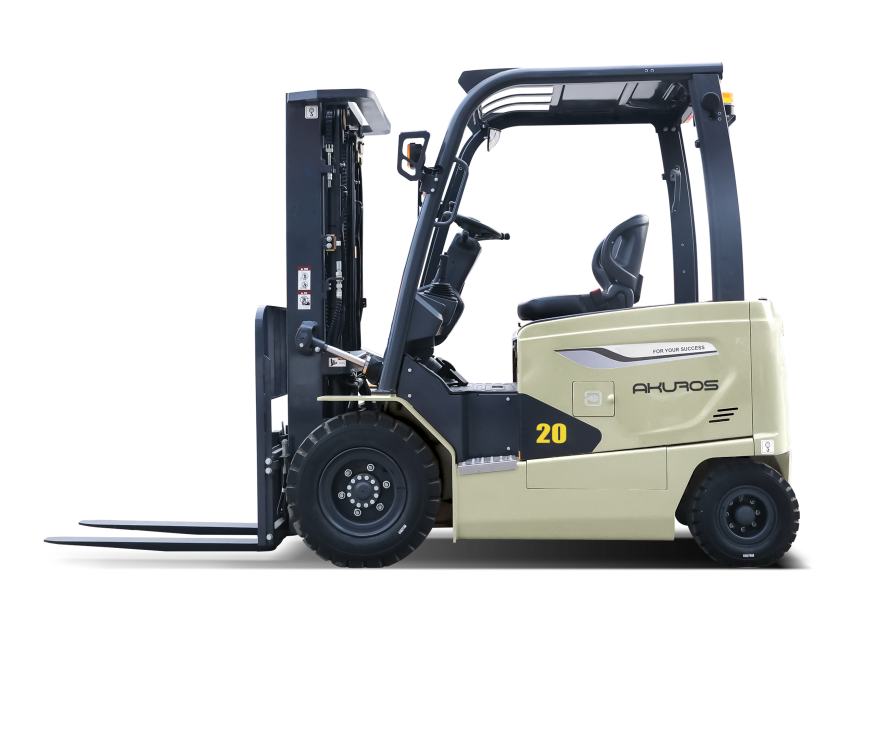
Counterbalanced Trucks2
Top 9: Total Cost of Ownership
Purchase Price vs Lifetime Cost
The real cost of Counterbalance Forklifts includes purchase price, battery or fuel cost, maintenance, tires, spare parts, downtime, operator productivity, charging infrastructure, and resale value. A cheaper forklift with weak parts support may cost more over three to five years than a better-specified machine with reliable service.
Maintenance and Spare Parts Support
Buyers should check spare parts availability, warranty terms, battery warranty, local or remote service support, and maintenance guidance. Key systems include battery, controller, motor, hydraulic system, brake system, mast components, tires, and safety electronics. Downtime is often more expensive than maintenance cost because it stops work, delays orders, and annoys everyone from warehouse staff to sales teams.
| Cost Item | Neden Önemli Olduğu | Buyer Check | Risk if Ignored |
|---|---|---|---|
| Battery or fuel cost | Affects daily operation | Compare energy use and shift runtime | Higher operating cost |
| Yedek parçalar | Controls downtime | Ask about parts availability | Long repair delays |
| Warranty | Protects investment | Review warranty scope and exclusions | Unexpected repair cost |
Top 10: Choosing the Right Counterbalance Forklifts Supplier
What a Reliable Supplier Should Provide
A reliable Counterbalance Forklifts supplier should provide model recommendation, load capacity guidance, mast selection support, battery or engine specification, tire selection, attachment matching, technical drawings, safety documents, spare parts support, warranty, training guidance, export documentation, after-sales support, and lead time confirmation.
Supplier credibility matters because forklift procurement is not a one-time machine purchase. It is an operating system decision. Buyers can review Akuros material handling equipment supplier information when evaluating whether the supplier understands warehouse applications, product support, and long-term procurement needs.
Manufacturer vs Supplier vs Distributor Logic
If you need customized specifications, choose a manufacturer or factory-direct supplier. If you need local service and fast parts, a distributor may help. If you need container-level procurement, compare factory capacity and export experience. If you need mixed warehouse equipment, choose a supplier with broader material handling range. If you need long-term fleet planning, choose a supplier that can match models to load profile and workflow.
For compact spaces and indoor operations, buyers may also study three-point electric counterbalance forklift efficiency to understand how turning radius, electric drive, and warehouse layout affect real productivity in tight areas.
Questions to Ask Before Ordering
Before ordering, ask: What rated capacity do you recommend for my heaviest load? What is the load center? What mast height should I choose? Is electric, diesel, or LPG better for my worksite? What battery type and runtime are available? What tire type fits my floor condition? Can attachments be added? How does attachment weight affect capacity? What safety features are included? What spare parts are available? What is the warranty? What is the lead time? Can you provide manuals and export documents?
To get a practical recommendation, buyers can contact Akuros for Counterbalance Forklifts with load weight, pallet size, lift height, aisle width, floor condition, shift hours, power preference, attachment needs, and application environment. Clear information helps the supplier recommend a machine that fits the job, not just the catalog.
Counterbalance Forklifts vs Other Warehouse Equipment
Counterbalance Forklifts vs Reach Trucks
Counterbalance Forklifts are more versatile for loading docks, truck loading, outdoor work, and mixed applications. Reach trucks are better for narrow aisles and high racking in indoor warehouses. Choose based on aisle width, load type, stacking height, and warehouse layout.
Counterbalance Forklifts vs Pallet Trucks
Pallet trucks are suitable for horizontal movement. Counterbalance forklifts lift and stack. Pallet trucks cost less, but they are limited in height and capacity. Many warehouses need both: pallet trucks for short transfer and counterbalance forklifts for lifting, stacking, and truck loading.
Counterbalance Forklifts vs Stackers
Stackers are useful for lighter indoor stacking. Counterbalance forklifts handle heavier loads and more demanding environments. If your operation handles light pallets in a small indoor warehouse, stackers may work. If your site handles heavy industry loads, mixed materials, and loading docks, counterbalance models are usually stronger.
| Ekipman Türü | Best Use | Advantage | Limitation | Buyer Recommendation |
|---|---|---|---|---|
| Counterbalance forklift | Mixed lifting, loading, and stacking | Versatile and strong | Needs aisle and turning space | Best all-rounder for industrial sites. |
| Reach truck | Narrow aisle and high racking | Good vertical storage efficiency | Less suitable for outdoor loading | Choose for high indoor racking. |
| Pallet truck | Horizontal pallet movement | Low cost and simple | Limited lift height | Use with forklifts, not as replacement. |
Common Mistakes When Buying Counterbalance Forklifts
Mistake 1: Choosing Capacity by Average Load
Average load is not enough. A forklift must handle your maximum regular load at the correct load center and lift height. Choose based on real peak tasks, not only daily averages.
Mistake 2: Ignoring Aisle Width
A forklift with enough capacity may still be wrong if it cannot turn efficiently. Confirm turning radius, aisle width, pallet dimensions, and working layout before buying.
Mistake 3: Buying Electric Without Charging Planning
Electric machines need charging logic. Plan chargers, shift length, battery capacity, spare batteries, or lithium opportunity charging before procurement.
Mistake 4: Forgetting Attachment Capacity Loss
Attachments add weight and change load center. Recalculate capacity after choosing side shifters, clamps, rotators, or fork extensions.
Mistake 5: Choosing Supplier by Price Only
Low price may hide poor parts support, weak warranty, short battery life, weak documentation, and downtime risk. Evaluate technical support and long-term service before ordering.
Recommended Buyer Checklist Before Ordering
| Checklist Item | Neden Önemli Olduğu | Buyer Action |
|---|---|---|
| Maximum load weight | Determines safe capacity | Calculate peak load, not average load. |
| Load center | Affects real lifting capacity | Confirm with pallet and load dimensions. |
| Aisle genişliği | Controls maneuverability | Compare with turning radius. |
| Pil çalışma süresi | Affects shift productivity | Match battery capacity to shift hours. |
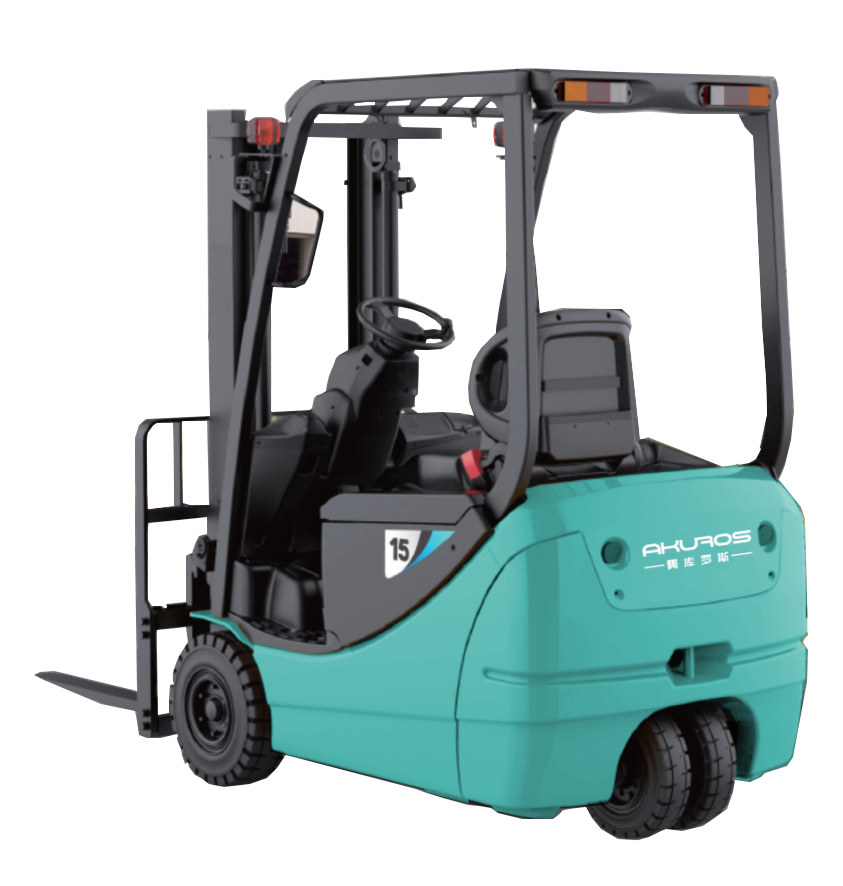
denge kamyonu
FAQ: Counterbalance Forklifts Procurement
1. What are Counterbalance Forklifts used for?
Counterbalance Forklifts are used for lifting, carrying, loading, unloading, and stacking pallets or heavy goods in warehouses, factories, logistics centers, docks, cold storage facilities, and industrial yards. They are valued because they can drive directly up to pallets, trucks, containers, and production lines without front support legs, making them versatile for many material handling applications.
2. How do I choose the right capacity for Counterbalance Forklifts?
Choose capacity based on maximum regular load, load center, lift height, attachment weight, pallet size, and safety margin. Buyers should not choose only by average load because peak loads create the highest safety risk. If attachments such as side shifters, clamps, rotators, or extended forks are used, the supplier should confirm derated capacity before final selection.
3. Are electric Counterbalance Forklifts suitable for heavy industry?
Yes, electric Counterbalance Forklifts can be suitable for many heavy industry applications when capacity, battery runtime, charging system, tire type, floor condition, and shift schedule match the operation. Electric models are especially useful for indoor warehouses, clean facilities, cold storage, logistics centers, and companies seeking lower noise and cleaner operation.
4. What is the difference between Counterbalance Forklifts and reach trucks?
Counterbalance Forklifts are more versatile for loading, unloading, truck work, container handling, mixed indoor and outdoor use, and general industrial material handling. Reach trucks are usually better for narrow aisles and high racking inside warehouses. Buyers should choose based on aisle width, lift height, load type, floor condition, and whether the operation includes dock or outdoor work.
5. What should buyers check before ordering Counterbalance Forklifts?
Buyers should check load capacity, load center, mast height, lowered mast height, aisle width, floor condition, indoor or outdoor use, power type, battery runtime, charging time, tire type, attachments, safety features, operator comfort, service support, spare parts availability, warranty terms, lead time, export documents, and total cost of ownership before ordering.
Referanslar
1. Powered Industrial Trucks Safety Guidance — Occupational Safety and Health Administration — Forklift Operation Reference.
2. Rider Trucks: Stability, Capacity and Load Handling — Industrial Truck Association — Forklift Safety Guidance.
3. Warehousing and Storage: A Guide to Health and Safety — Health and Safety Executive — Warehouse Safety Guidance.
4. Safe Use of Lift Trucks — Health and Safety Executive — Forklift Operation Safety Reference.
5. Warehouse Management: A Complete Guide to Improving Efficiency and Minimizing Costs — Gwynne Richards — Kogan Page.
6. Industrial Truck Standards and Safety Practices — ANSI/ITSDF B56 Reference — Industrial Truck Safety Standard.
7. Battery Charging and Electric Industrial Truck Operation Guidance — National Fire Protection Association — Workplace Electrical Safety Reference.
8. Material Handling Equipment Selection and Warehouse Productivity — Material Handling Industry Reference — Industrial Logistics Guidance.
How Buyers Should Evaluate Counterbalance Forklifts in 2026
How should buyers understand Counterbalance Forklifts?
Counterbalance Forklifts are versatile material handling machines designed to lift loads at the front while using rear counterweight balance. They are widely used in warehouses, factories, logistics centers, cold storage, loading docks, and heavy industry sites because they can handle pallet movement, stacking, truck loading, and mixed industrial tasks.
Why does forklift selection matter in heavy industry?
Forklift selection matters because the wrong machine can cause unstable lifting, aisle congestion, battery downtime, high maintenance cost, safety risk, and poor productivity. Heavy industry buyers should evaluate real load weight, load center, lift height, power type, tire selection, attachments, floor conditions, safety systems, and supplier support before procurement.
What option should different operations choose?
If the operation is indoor, clean, and pallet-based, choose electric Counterbalance Forklifts with suitable battery runtime and turning radius. If the operation is outdoor, rough, or extremely heavy-duty, choose stronger capacity, suitable tires, and rugged chassis design. If the warehouse has tight aisles, check turning radius before capacity. If the operation runs long shifts, battery planning is as important as lift capacity.
What should buyers consider before ordering?
Buyers should confirm maximum load weight, load dimensions, load center, lift height, lowered mast height, aisle width, floor condition, indoor or outdoor use, power type, battery capacity, charging time, shift length, tire type, attachment needs, safety features, operator comfort, service support, spare parts availability, warranty, lead time, export documents, training support, and total cost of ownership.
What is the practical recommendation?
Do not choose Counterbalance Forklifts only by price or rated capacity. Choose by real operation data. A reliable supplier should help match the forklift to your load profile, warehouse layout, shift schedule, safety requirements, battery plan, and service needs. The best forklift is not always the biggest one; it is the one that works safely and efficiently every day.