

 Turkish
  English
  Russian
  French
  Spanish
  German
  Italian
  Portuguese
  Korean
  Japanese
  Arabic
  Indonesian
  Dutch
Dutch 

Gerçek Dünya Meydan Okumaları: Orta Doğu Depolarının Neden Ağır Hizmetli Raflama Sistemlerine İhtiyaç Duyması
Fatima (Lojistik Müdürü, Dubai Serbest Bölgesi):
“Depo kapasitemiz son limitte. Alanımızı genişletemiyoruz ve her ekstra palet güvenlik riski gibi hissettiriyor.”
Omar (Depo Mühendisi, Riyad):
“Bunun nedeni, geleneksel raflama sistemlerinin bu tür throughput için asla tasarlanmamış olması. Karışık yükler karşısında çökerler. Bizim ihtiyacımız olan ise doğru deprem ve termal dirence sahip ağır hizmetli raflar.”
David (Tedarik Zinciri Çözümleri Alıcısı, Akuros):
“Akuros’da, Orta Doğu lojistik merkezlerinin Ağır Hizmetli Raflama Sistemlerine geçişine yardımcı olduk. Bir depo çözümü kapsamında raflama, güvenlik tasarımı ve akıllı envanter planlamasını entegre ettiğinizde, hem dayanıklılık, hem uyumluluk hem de uzun vadeli yatırım geri dönüşü elde edersiniz—bütün bunlar sürdürülebilir büyümeyi desteklerken.”
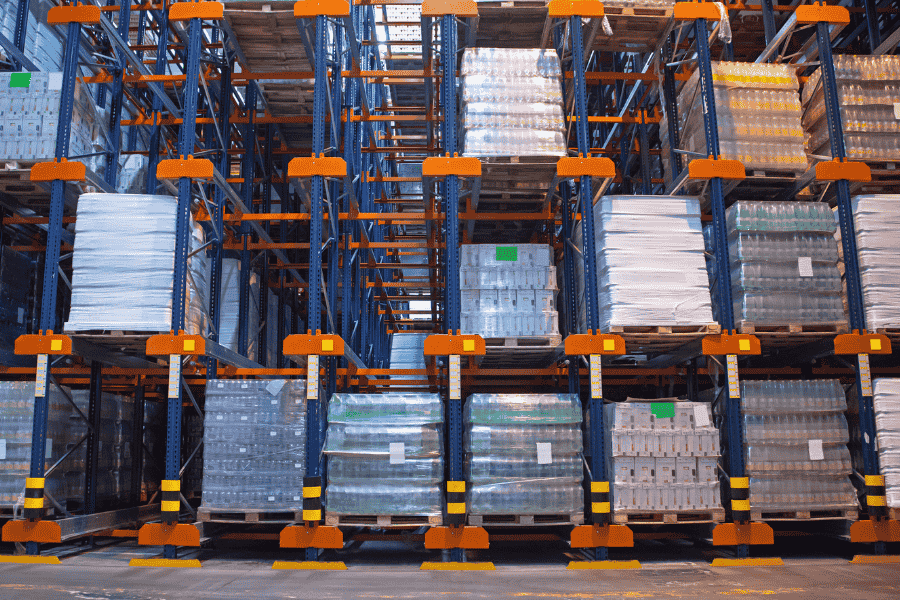
Tek Duraklı Depo Çözümleri—Ağır Hizmetli Raflama Sistemleri
Orta Doğu Lojistik Patlaması: Neden Önemli?
Son on yılda Orta Doğu, Asya, Avrupa ve Afrika’yı birbirine bağlayan bir lojistik merkezi haline geldi. Buna göre PwC’nin Orta Doğu Lojistik Görünümü 2025, GCC bölgesinin depo kapasitesi 2019’dan beri yüzde 40% Sınırlı endüstriyel arazi
-
şehir içi serbest bölgelerde. Artan sıcaklık etkileri
-
metal yorgunluğu ve ekipman üzerinde. ESG ve EPR uyumluluğu
-
küresel alıcılardan gelen baskılar. Bu kısıtlar
uzun vadeli direnç ve sürdürülebilir büyüme için vazgeçilmez kılar. Ağır Hizmet Tipi Raf Sistemleri Ağır Hizmetli Raflama Sistemi Neyle Tanımlanır?
Ağır Hizmetli Raflama Sistemi, seviye başına
3.000 kg’ı aşan yükleri taşıyacak şekilde tasarlanmıştır , deprem veya termal stres altında dengesini korur ve palet şutlları veya AS/RS sistemleri gibi otomasyonla entegre olur.Temel Bileşenler:
Soğuk Haddeleme Çelik Kirişler
-
: Yüksek mukavemet–ağırlık oranı için.Güçlendirilmiş Dikmeler
-
: Deprem ve sıcaklık direnci için tasarlanmıştır.Korozyona Karşı Kaplama
-
: BAE ve Umman gibi kıyı iklimlerine ideal.Modüler Ayarlanabilirlik
-
: Paletli, toplu veya kartonlu malları destekler.Malzeme Seçimi ve Mühendislik Mükemmelliği
1. Premium Malzemeler
Ağır hizmetli sistemler
endüstriyel sınıf çelik kullanır şuna uygun olarak: EN 15512 ASTM A36 ve standartlara. Toz kaplama
-
50°C üzeri sıcaklıklarda bile oksidasyonu önler. Cıvatalı bağlantılar
-
Kaynak yapmadan esnek genişlemeye imkan tanır. Epoksi kaplama
-
nemli limanlarda korozyona karşı performans sağlar. 2. Gelişmiş Üretim Süreci
Robotik kaynak
-
hassasiyet ve homojen mukavemet için. CNC delme ve lazer kesim
-
mükemmel delik hizalaması için. Yük testi
-
statik simülasyon ve ISO 9001 kalite yönetimi kapsamında. 3. Neden Geleneksel Raflamayı Geçer?
Ağır Hizmetli Raflama
| Özellik | Standart Raflama | Seviye başına 3.000–6.000 kg |
|---|---|---|
| Yük Kapasitesi | Seviye başına 800–1.500 kg | Deprem ve termal sertifikalı |
| Güvenlik | Sınırlı tolerans | Uzun ömürlülük |
| Longevity | 15–20 years | 5–8 years |
| Bakım | Minimal, modular | Frequent repair |
| ESG Impact | Recyclable steel | Higher material waste |
Expert Insights & Industry Data
Dr. Lina Hassan, Middle East Supply Chain Journal (2024):
“Integrated racking systems are becoming the backbone of sustainability in Gulf logistics. They optimize cubic storage, lower carbon emissions, and improve energy use efficiency.”
Bilimsel Veriler:
-
McKinsey (2024): Centralized warehousing improves space utilization by 25–35%.
-
MIT Logistics Lab (2023): Automated racking systems reduce workplace accidents by 40%.
-
Deloitte (2024): Companies upgrading to heavy-duty racking cut maintenance costs by 30% and downtime by 18%.
Real-World Applications in the Middle East
Case 1 – Dubai Free Zone: Compact Expansion Without Construction
A major e-commerce distributor replaced outdated shelving with heavy duty racking systems. Result:
-
40% more storage capacity in the same footprint.
-
Improved safety audit scores from 72% → 95%.
-
No additional construction costs.
Case 2 – Saudi Arabia Industrial Warehouse
A machinery supplier faced temperature-related metal fatigue. After adopting heavy duty racks with heat-resistant coatings:
-
Downtime dropped by 25%.
-
Rack lifespan extended by 7 years.
Case 3 – Oman Logistics Hub (ESG Integration)
A shipping terminal adopted a tek durak depo solution integrating heavy-duty racking, automation, and solar-powered lighting:
-
20% lower electricity consumption.
-
Full EPR documentation for European buyers.
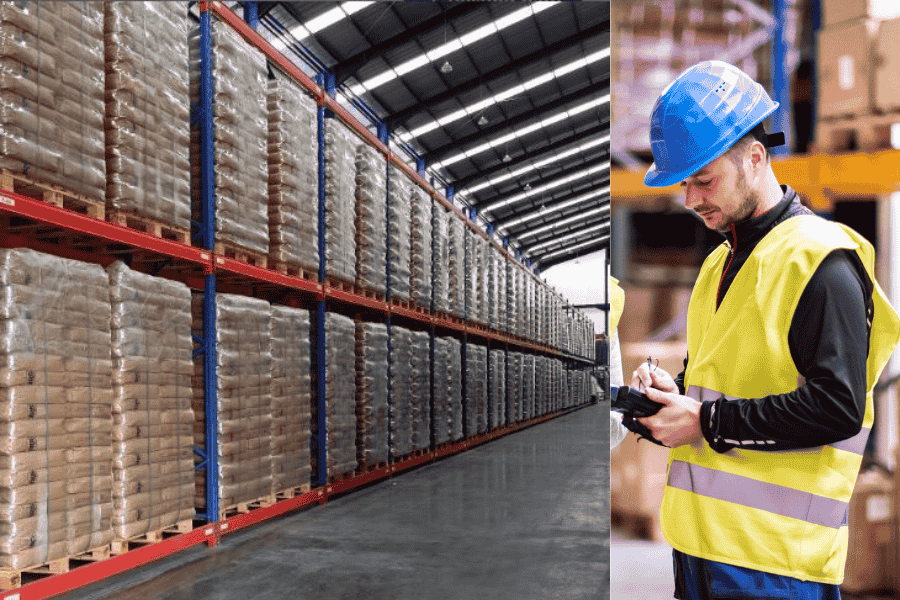
Ağır Hizmet Tipi Raf Sistemleri
Customer Feedback
Ahmed, Operations Director (UAE):
“Our previous racks couldn’t handle mixed loads. Since switching to heavy duty systems, we haven’t had a single collapse incident.”
Rana, Warehouse Supervisor (Saudi Arabia):
“The tek noktadan depo çözümü simplified everything—layout, safety, and expansion. The ROI showed up in under a year.”
Hassan, Import Manager (Kuwait):
“Integrating ESG reporting through warehouse design made our audits smoother and our clients happier.”
Expert Interpretation
“Warehouse optimization is not just about stacking higher; it’s about building smarter. The Middle East’s logistics future depends on sustainability, automation, and racking systems engineered for resilience.”
- Dr. Elena Rossi, Journal of Global Logistics, 2024
Frequently Asked Questions
1. What makes a Heavy Duty Racking System different?
It handles higher loads, resists corrosion and seismic stress, and integrates automation for modern logistics.
2. Why are these systems crucial in the Middle East?
They address space limits, heat resilience, and sustainability targets set by regional logistics regulators.
3. Are heavy duty racking systems compatible with automation?
Yes, they integrate easily with AS/RS, pallet shuttles, and smart picking robots.
4. How do they support ESG compliance?
By using recyclable steel, energy-efficient design, and durability that reduces material waste.
5. Can small warehouses benefit too?
Absolutely. Modular systems allow small operations to scale up without major capital investments.
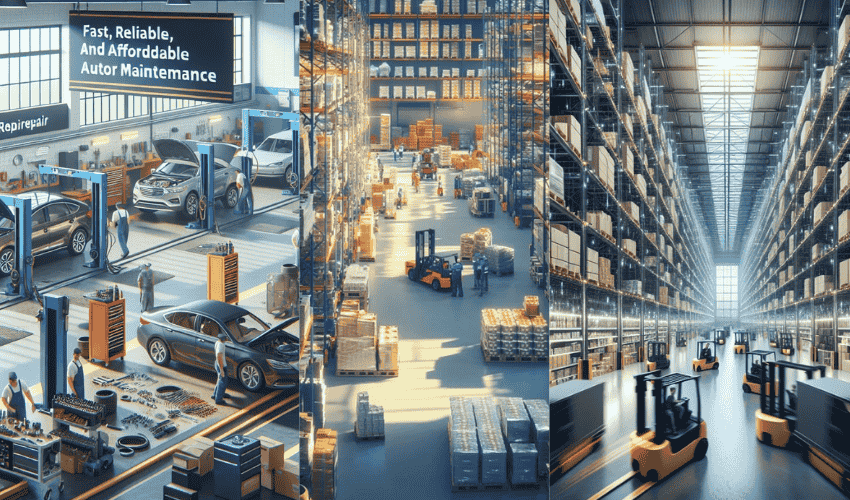
One-stop warehouse for various industries
Referanslar
-
Deloitte (2024) - Global Supply Chain Resilience Report. Deloitte Insights.
-
McKinsey & Company (2024) - Next-Generation Warehousing: Trends in Centralized Logistics.
-
PwC Middle East (2024) - Warehousing Outlook in the GCC: From Expansion to Efficiency.
-
MIT Center for Transportation & Logistics (2023) - Impact of Racking Systems on Warehouse Lifecycle.
-
Hassan, L. (2024) - Sustainable Infrastructure in Gulf Supply Chains. Middle East Supply Chain Journal.
-
World Economic Forum (2024) - Global Trade and Supply Chain Future Outlook.
-
El-Sharif, A. (2023) - ESG Adoption in the Middle East Logistics Sector. Arabian Business Review.
-
ASTM International (2023) - Structural Steel Standards for Warehouse Applications.
-
European Committee for Standardization (CEN, 2023) - EN 15512: Steel Static Storage Systems.
-
Rossi, E. (2024) - Safety and Sustainability Integration in Modern Warehousing. Küresel Lojistik Dergisi.
Heavy Duty Racking Systems are redefining Middle Eastern warehousing.
They deliver space efficiency, operational safetyve ESG compliance—turning warehouses into sustainable, intelligent ecosystems.
As Gulf economies continue to diversify, logistics hubs that adopt these integrated systems will gain a decisive competitive edge—growing not by building more space, but by optimizing what they already have.
In the Middle East, where climate conditions and space limitations challenge traditional designs, one-stop warehouse solutions offer a holistic path forward.Research by McKinsey and MIT confirms measurable ROI—reduced accidents, increased capacity, and compliance readiness.
These racking systems bridge industrial engineering and environmental responsibility, supporting regional ESG frameworks and global trade competitiveness.For buyers, adopting integrated solutions means lower lifecycle costs and higher operational reliability. For governments, it means greener infrastructure aligned with Vision 2030 and the UAE’s Net Zero goals.
Simply put: heavy duty racking systems are the scaffolding of sustainable growth in the Middle East’s logistics transformation.