

 English
  Russian
  French
  Spanish
  German
  Italian
  Portuguese
  Korean
  Japanese
  Arabic
  Turkish
  Indonesian
  Dutch
Dutch 

A Conversation That Happens in Many Warehouses
“Why are our operating costs increasing even though we added more staff?”
The warehouse manager looked at the dashboard again. Orders were growing, yet efficiency seemed stuck. Pallets were waiting longer to be processed, storage density was inconsistent, and the cold-chain section often experienced bottlenecks.
The logistics consultant replied calmly:
“Your warehouse doesn’t need more labor. It needs smarter Warehouse Solutions.”
This conversation reflects a challenge faced by modern distribution centers around the world. As global supply chains become faster and more complex, businesses must rethink how their warehouses operate. According to industry logistics studies, companies that adopt integrated warehouse optimization strategies can increase storage efficiency by up to 35% and reduce operational costs by nearly 20%.
In this article, we explore the real advantages of implementing modern Warehouse Solutions, backed by expert insights, case studies, and practical recommendations drawn from the experience of Akuros.
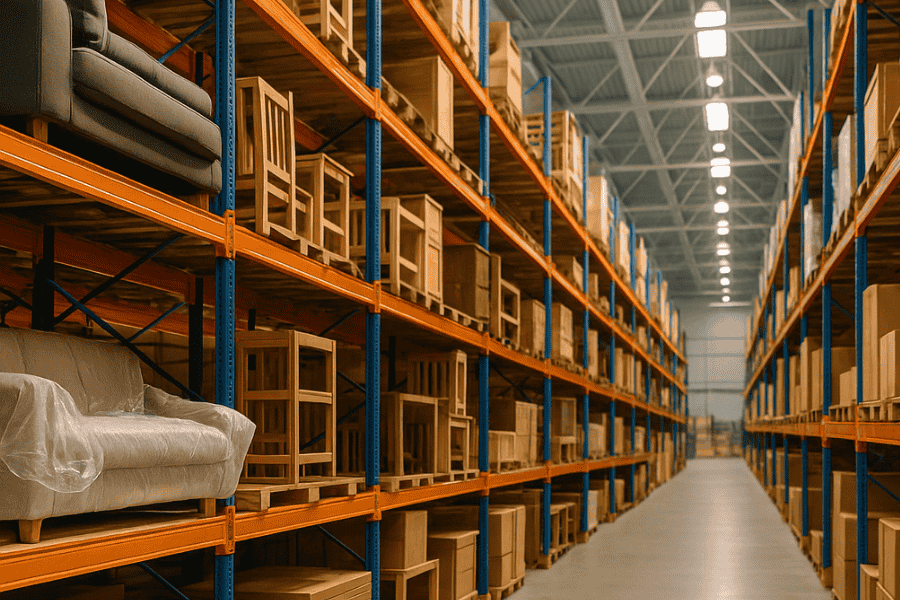
High-quality One-Stop Warehouse Solutions
Why Warehouse Solutions Are Becoming Essential for Modern Logistics
Warehouse management has changed dramatically in the past decade. E-commerce growth, same-day shipping expectations, and supply chain disruptions have forced companies to rethink their operational models.
Traditional warehouses often struggle with:
-
Inefficient storage layouts
-
Slow inventory handling
-
Poor equipment coordination
-
Limited scalability for growing demand
Modern Warehouse Solutions integrate storage systems, material handling equipment, workflow design, and intelligent planning to solve these challenges.
Companies that implement strategic warehouse systems can achieve:
-
Faster inventory processing
-
Higher storage density
-
Reduced labor dependency
-
Improved safety and operational control
Organizations exploring reliable partners often begin by reviewing the experience and engineering expertise of providers like Akuros company overview, which highlights how specialized warehouse technology providers design scalable logistics infrastructures.
The Core Components of Effective Warehouse Solutions
Not all warehouse improvements produce meaningful results. The most effective Warehouse Solutions combine several integrated components rather than isolated upgrades.
1. Storage Optimization
High-density storage systems are essential for maximizing space utilization. These systems may include:
-
selective pallet racking
-
drive-in racking
-
shuttle systems
-
automated storage solutions
Well-designed storage layouts can increase usable warehouse capacity by 30–50% without expanding floor area.
2. Material Handling Equipment
Equipment such as forklifts, automated guided vehicles (AGVs), and pallet conveyors ensure efficient goods movement.
Choosing the correct equipment configuration is a critical step when implementing Warehouse Solutions systems for large logistics operations.
3. Workflow and Process Optimization
Even advanced equipment cannot compensate for poorly designed workflows. Modern warehouses apply:
-
optimized picking routes
-
dynamic slotting strategies
-
automated replenishment planning
These improvements significantly reduce order processing time.
4. Technology Integration
Modern logistics relies on digital systems such as:
-
warehouse management systems (WMS)
-
IoT equipment monitoring
-
predictive maintenance platforms
-
AI-assisted demand forecasting
Technology integration allows warehouses to move toward fully intelligent operations.
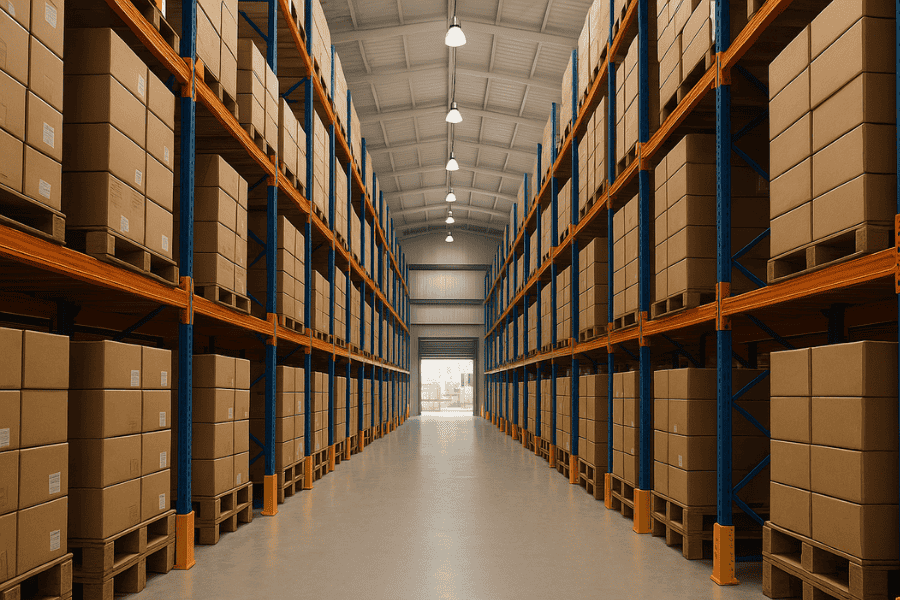
Warehouse Solutions
Data-Driven Benefits of Warehouse Solutions
Industry research consistently shows that integrated Warehouse Solutions deliver measurable operational improvements.
According to logistics industry studies:
-
Storage density improves 20–40%
-
Picking productivity increases 25–60%
-
Inventory accuracy exceeds 99%
-
Operational downtime decreases 15–25%
These improvements explain why many logistics experts recommend implementing systematic warehouse upgrades instead of isolated equipment purchases.
For a deeper look at operational benefits, Akuros outlines the Top 10 Benefits of Warehouse Solutions for Your Business, highlighting how structured warehouse strategies directly improve profitability.
Case Study: How Integrated Warehouse Solutions Improve Efficiency
A regional distribution center handling consumer electronics faced several operational problems:
-
inventory congestion
-
slow pallet handling
-
inefficient cold storage layout
-
rising operational costs
After implementing integrated Warehouse Solutions, the facility achieved the following results:
Operational Improvements
-
35% increase in storage capacity
-
28% reduction in order fulfillment time
-
22% decrease in equipment idle time
-
significant reduction in workplace safety incidents
Such results demonstrate why logistics experts emphasize the importance of designing One-Stop Warehouse Solutions for optimizing operations in 2026.
Rather than upgrading isolated equipment, integrated solutions transform the entire logistics workflow.
Cold Chain Warehousing: A Special Challenge
Cold-chain logistics presents unique challenges for warehouse management. Temperature-controlled storage requires precise planning to avoid inefficiencies.
Common problems include:
-
aisle congestion in refrigerated zones
-
inefficient pallet access
-
energy waste caused by poor layout
Advanced Warehouse Solutions help address these issues through:
-
compact high-density storage systems
-
optimized forklift routes
-
automated temperature monitoring
Akuros highlights innovative approaches in Warehouse Solutions for Cold-Chain Density Without Bottlenecks, demonstrating how modern systems can increase storage density while maintaining strict temperature compliance.
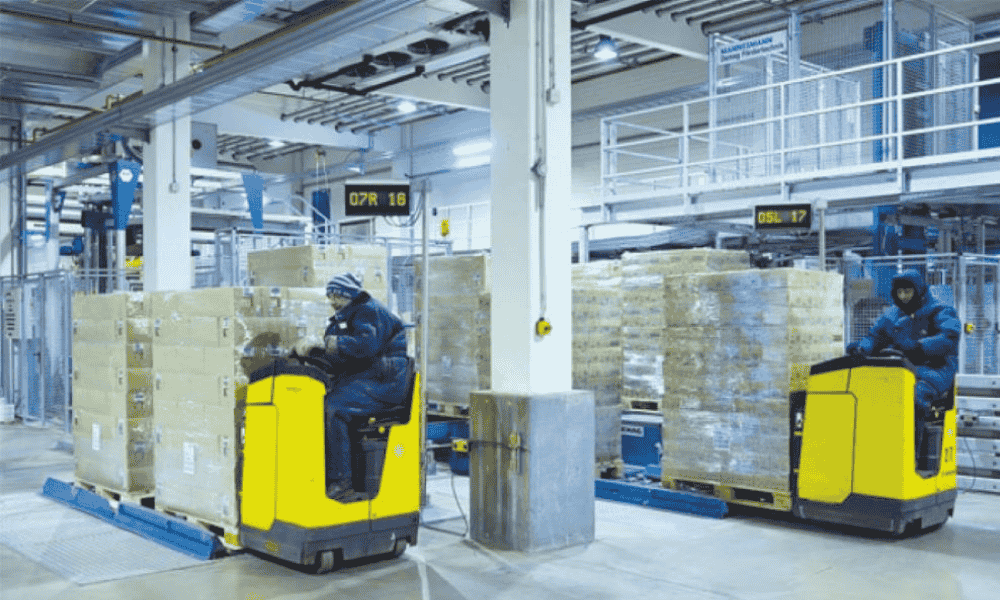
One-Stop Warehouse Solutions cold-chain
Strategic Planning for Warehouse Optimization in 2026
As global logistics evolves, warehouses must prepare for future challenges such as:
-
higher order volumes
-
labor shortages
-
faster delivery expectations
-
supply chain disruptions
Industry experts recommend focusing on three strategic priorities:
1. Automation Readiness
Automation systems such as robotic pallet movers and automated picking systems can dramatically improve productivity.
2. Flexible Infrastructure
Scalable warehouse systems allow companies to adapt quickly as business demand changes.
3. Integrated Logistics Planning
Companies must align warehouse infrastructure with broader supply chain strategies.
These priorities are discussed in depth in One-Stop Warehouse Solutions: How to Optimize Warehouse Operations in 2026.
Choosing the Right Warehouse Solutions for Your Business
Selecting the right Warehouse Solutions requires a clear understanding of operational requirements.
Key evaluation factors include:
Warehouse Characteristics
-
storage volume
-
SKU diversity
-
pallet turnover rate
-
temperature requirements
Operational Goals
-
cost reduction
-
efficiency improvement
-
automation integration
-
scalability for growth
Businesses planning major logistics upgrades often consult experts or solution providers who specialize in warehouse engineering. Akuros provides guidance on this topic in How to Choose the Right Warehouse Solutions for Your Business.
Regional Growth: Warehouse Solutions in Emerging Logistics Markets
Rapid industrial growth in regions such as Southeast Asia has created a strong demand for advanced logistics infrastructure.
These markets face several challenges:
-
limited warehouse space in urban areas
-
rapid growth in e-commerce demand
-
high logistics costs
To address these challenges, companies increasingly adopt high-density storage systems and integrated Warehouse Solutions designed for scalable expansion.
Akuros discusses these emerging trends in Smarter Warehouse Solutions for Southeast Asia’s Rapid Growth.
Why Businesses Trust Akuros for Warehouse Solutions
Warehouse modernization requires more than equipment—it requires expertise.
Akuros has established a strong reputation in the logistics equipment industry by providing:
-
customized warehouse system design
-
integrated storage and handling solutions
-
technical consulting and planning
-
long-term operational support
Organizations interested in evaluating tailored warehouse systems can reach out through Akuros Contact Services to discuss project requirements with experienced logistics specialists.
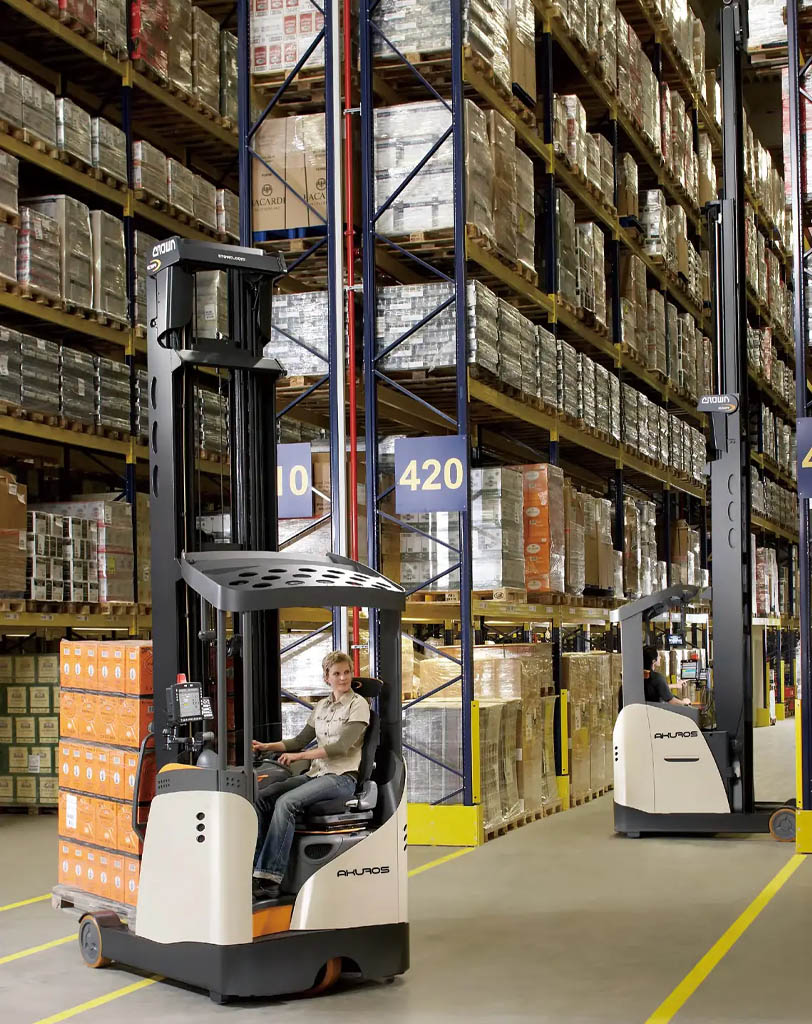
Warehouse Solutions
Frequently Asked Questions
What are warehouse solutions?
Warehouse solutions refer to integrated systems that improve storage efficiency, inventory management, and goods handling within a warehouse. These systems may include racking structures, forklifts, automation technologies, and digital management platforms.
How do warehouse solutions improve efficiency?
They streamline warehouse workflows, reduce unnecessary material handling, optimize storage density, and improve inventory accuracy. As a result, businesses can process orders faster and reduce operational costs.
What industries benefit most from warehouse solutions?
Industries such as e-commerce, manufacturing, food distribution, pharmaceuticals, and retail logistics benefit significantly from optimized warehouse systems.
Are warehouse solutions suitable for small businesses?
Yes. Modular warehouse systems allow smaller companies to improve efficiency without large infrastructure investments.
What factors determine the best warehouse solution?
The ideal solution depends on warehouse size, storage density requirements, inventory turnover, automation goals, and long-term business growth strategies.
Smarter Warehouses Start with the Right Strategy
Returning to the conversation between the warehouse manager and the consultant, the answer became clear: efficiency problems rarely come from a lack of workers or equipment.
Instead, they often result from outdated infrastructure and disconnected systems.
Modern Warehouse Solutions provide a powerful path forward by combining advanced storage systems, intelligent material handling equipment, and optimized workflows. Businesses that adopt these strategies can dramatically increase efficiency, reduce operational costs, and build resilient logistics networks prepared for future growth.
As supply chains become more complex and competitive, companies that invest in smarter warehouse infrastructure will gain a decisive advantage in global logistics performance.