

 English
  Russian
  French
  Spanish
  German
  Italian
  Portuguese
  Korean
  Japanese
  Arabic
  Turkish
  Indonesian
  Dutch
Dutch 

When the Warehouse Still Runs but No Longer Runs Well
A warehouse rarely becomes inefficient overnight.
Most of the time, the warning signs appear quietly. A little more walking between pick points. Slightly longer loading times. More congestion during inbound peaks. More frequent stock handling just to reach the right pallet. More pressure on staff, but not necessarily more output. On paper, the warehouse is still operating. In practice, the operation is becoming slower, more expensive, and more vulnerable to disruption.
That is where many businesses misread the problem. They assume they need more labor, more forklifts, or a larger building. But in many cases, the deeper issue is structural. Storage density, equipment flow, zone planning, and operational logic are no longer working together. Once that happens, adding more hardware without redesigning the system often creates more motion, not more performance.
This is exactly why Warehouse Solutions matter. A strong warehouse solution is not just about storing goods more neatly. It is about redesigning the entire warehouse so that storage, handling, space use, and daily operations all support each other. That is what turns a busy warehouse into an efficient one.
This broader systems view is also why buyers exploring Akuros About often see more than a rack supplier. They see a warehousing partner focused on planning, layout, equipment coordination, and long-term operational thinking. For businesses facing growth, complexity, and cost pressure at the same time, that difference is not cosmetic. It is strategic.
Warehouse Solutions
Why Warehouse Solutions Matter More Than Businesses First Assume
A warehouse is one of those parts of a business that people notice only when something goes wrong. When stock cannot be found, when loading takes too long, when aisles feel crowded, when accuracy drops, or when labor seems constantly busy but strangely unproductive, the warehouse finally gets attention.
But the warehouse should not be treated as a repair problem. It should be treated as a performance system.
That is the real value of a proper warehouse solution. Instead of asking whether you need more shelving, more trucks, or more manpower, a better warehouse strategy asks more important questions:
-
Is the space being used efficiently?
-
Are goods moving in a logical direction?
-
Are travel paths too long?
-
Are storage methods matched to product type?
-
Is the current layout helping or quietly hurting productivity?
-
Can the warehouse support future growth without becoming chaotic?
When those questions are answered correctly, the warehouse stops being a constant source of operational drag and starts becoming a real business advantage.
Benefit 1: Better Use of Available Space
One of the clearest benefits of warehouse solutions is improved space utilization. This does not just mean “fit more products in.” It means using the building more intelligently.
Many warehouses waste space in ways that are not obvious at first glance. Aisles may be too wide. Storage zones may be poorly grouped. Vertical height may be underused. Fast-moving stock may be stored in inefficient locations. Overflow areas may start acting like permanent inventory zones.
A smart warehouse solution addresses these issues through better layout logic. That can create:
-
more usable storage positions
-
better vertical utilization
-
less wasted floor area
-
cleaner allocation of high-turn and low-turn inventory
-
more room for movement without overcrowding
This is one reason space optimization is often the first major win in warehouse redesign. A better system can often delay or even avoid the need for building expansion, which makes the return much more attractive than simply leasing more space.
Benefit 2: Faster Daily Operations
A warehouse is not judged only by how much it stores. It is judged by how quickly it helps goods move.
That is why operational speed is such a critical benefit. A warehouse solution that reduces unnecessary steps can improve performance across the entire workflow, including receiving, put-away, replenishment, picking, consolidation, and dispatch.
This becomes especially valuable in businesses where order speed, inbound rhythm, or peak-season pressure matters.
Practical gains often show up as:
-
shorter travel paths
-
quicker access to stock
-
smoother forklift movement
-
faster loading and unloading
-
better staging logic
-
less waiting between tasks
That is exactly the kind of improvement discussed in how to choose the right warehouse solutions. The point is not to install a “modern-looking” system. The point is to choose a warehouse model that matches the real operational demands of the business.
Benefit 3: Lower Operating Costs
A weak warehouse layout creates hidden costs every day.
The forklifts still move. The staff still work. Orders still leave. But too much time is wasted in movement, double handling, searching, correction, congestion, and inefficient routing. Those costs do not always show up under one neat accounting line, which is why businesses often underestimate them.
A strong warehouse solution helps lower those costs by reducing friction throughout the operation.
That usually means:
-
less wasted labor time
-
lower equipment inefficiency
-
reduced repeated handling
-
fewer delays between tasks
-
more output from the same footprint
-
better use of warehouse assets already in place
The important point is this: a warehouse solution should not be evaluated only by what it costs to install. It should be judged by how much inefficient activity it removes after installation.
Benefit 4: Better Inventory Visibility and Control
As inventory grows, disorder becomes more expensive.
A business may have the right goods in the building and still lose time, money, and accuracy because those goods are not positioned logically. Poor slotting, overfilled staging areas, unclear replenishment rules, and weak zone discipline can make inventory harder to trust even when the system says the stock is there.
This is why better warehouse solutions also improve inventory control.
A stronger storage and movement structure makes it easier to:
-
organize inventory by behavior, not just by empty space
-
separate fast-moving and slow-moving stock
-
reduce stock searching
-
improve picking consistency
-
keep locations cleaner and more reliable
-
support more accurate inventory decisions
Inventory control is never only a software problem. It is also a physical layout problem. If the warehouse itself is confusing, the data will eventually struggle too.
Benefit 5: Improved Safety Through Better Flow
A crowded warehouse is not just inefficient. It can also be unsafe.
When aisles are congested, zones overlap, traffic patterns are unclear, and storage grows without structure, operators are forced to work harder inside a space that gives them less room for good decisions. That increases pressure, fatigue, and the chance of avoidable mistakes.
A better warehouse solution improves safety by making the operation easier to read and easier to control.
That may include:
-
clearer routes for trucks and staff
-
better separation between functions
-
more logical staging positions
-
less emergency rearranging
-
fewer blind or congested movement areas
-
storage systems better matched to product type and turnover
This is one of those benefits that should not be treated as secondary. A safer warehouse is often also a more productive warehouse, because good flow and good visibility reduce friction for everyone.
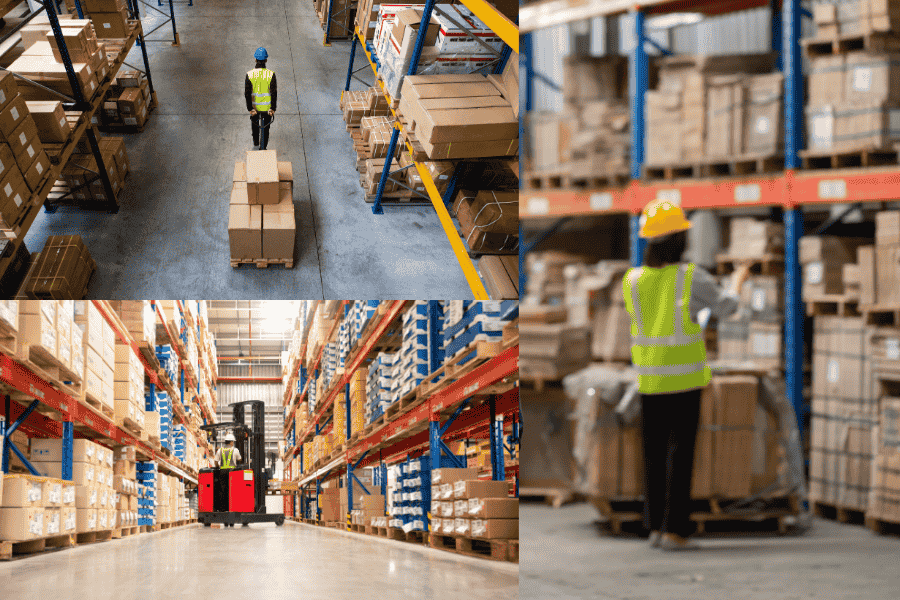
One-Stop Warehouse Solutions
Benefit 6: Stronger Fit for Different Industry Needs
One warehouse does not behave like another.
A food distributor does not move like an e-commerce operator. A cold-chain site does not behave like a spare-parts warehouse. A manufacturing facility has different flow pressure from a general retail distribution center. That is why copying a storage model without adapting it to industry reality often leads to disappointment.
This is exactly why how to customize warehouse solutions for different industry needs is such a valuable topic. The best warehouse solution is not the one that looks the most impressive in isolation. It is the one that is shaped around the product profile, picking behavior, volume rhythm, and operating conditions of the business.
This benefit matters because true warehouse efficiency depends on fit.
A well-fitted warehouse solution supports:
-
the right inventory density
-
the right retrieval logic
-
the right traffic pattern
-
the right storage structure
-
the right future scalability
That is where customization stops being a luxury and becomes basic operational intelligence.
Benefit 7: Better Performance in Cold-Chain and High-Density Operations
Some warehouse environments are more demanding than others. Cold-chain is one of the clearest examples.
When temperature control, density pressure, and flow speed all matter at the same time, generic storage logic usually starts falling apart. Over-densify the wrong SKU mix, and you create reshuffling. Prioritize access too broadly, and you lose valuable cold-room capacity. Ignore movement logic, and the warehouse becomes expensive in all the wrong ways.
That is why one-stop warehouse solutions for cold-chain is such an important reference point. It reflects a broader warehousing truth: dense storage is only useful if the operation can still breathe.
Cold-chain thinking teaches a valuable lesson for all warehouses:
the right system is not just the one that stores the most.
It is the one that stores intelligently without slowing everything else down.
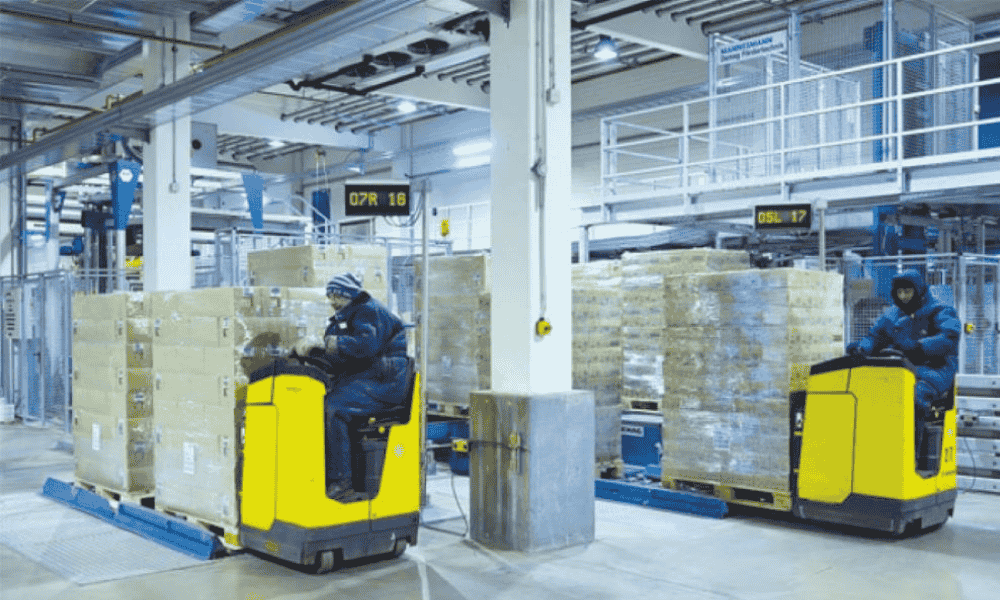
One-Stop Warehouse Solutions cold-chain-
Benefit 8: Better Support for Fast-Growing Markets
Rapid-growth markets create warehouse stress very quickly. That is because order volumes, SKU ranges, customer expectations, and delivery pressure often scale faster than the building’s original layout ever expected.
This is why smarter warehouse solutions for Southeast Asia matters beyond just one region. It speaks to a larger operational truth: when business expands fast, warehouses cannot keep running on yesterday’s logic.
A smarter warehouse solution helps fast-growing businesses by:
-
organizing capacity for volume growth
-
reducing the chaos of reactive expansion
-
supporting denser and more structured storage
-
improving flow under peak demand
-
creating better readiness for multi-stage growth
Fast growth often hides operational waste for a while. Then, suddenly, the warehouse starts becoming the bottleneck. A strong solution helps prevent that moment from arriving too early.
Benefit 9: More Climate-Responsive and Sustainable Operations
Warehouse performance is shaped by environment, not just by product movement.
Humidity, heat, dust, unstable power conditions, coastal exposure, and seasonal shifts all affect how a warehouse should be designed. Yet many businesses still apply the same layout assumptions across very different operating environments.
That is why sustainable warehouse solutions for Africa’s climate challenges is such a useful discussion. It highlights something many buyers forget: a warehouse solution that ignores climate is not really a complete solution.
This benefit is not only about sustainability in a branding sense. It is about resilience.
A more climate-aware warehouse solution can help businesses:
-
protect inventory more effectively
-
reduce energy waste
-
improve layout durability
-
choose more suitable systems for harsh environments
-
make operations more reliable under local conditions
Sustainability becomes more credible when it also improves business practicality.
Benefit 10: Better Localization Across Global Markets
A warehouse model that works well in one country may work badly in another.
That is because warehousing is influenced by much more than product dimensions. It is also shaped by labor patterns, site constraints, transport infrastructure, regulatory expectations, energy reliability, and local operational habits.
This is why how to localize one-stop warehouse solutions for different global markets is such an important benefit discussion. Localization is not decoration. It is one of the biggest differences between a warehouse design that works on paper and one that works in real life.
For global or multi-regional businesses, localized warehouse solutions help align the system with:
-
local building realities
-
workforce patterns
-
environmental conditions
-
supply chain behavior
-
market-specific business expectations
The result is a warehouse that is not only technically possible, but operationally usable.
Why These Benefits Work Best Together
Each of these ten benefits matters on its own. But the real value appears when they are treated as one connected system.
A well-designed warehouse solution helps your business:
-
store more intelligently
-
move more quickly
-
reduce hidden cost
-
control stock more cleanly
-
improve safety
-
fit your industry better
-
handle demanding environments
-
support growth more smoothly
-
respond to climate challenges
-
work across real market conditions
That is why Warehouse Solutions should never be treated as a generic storage category. The term only matters when it describes a genuine system-level improvement.
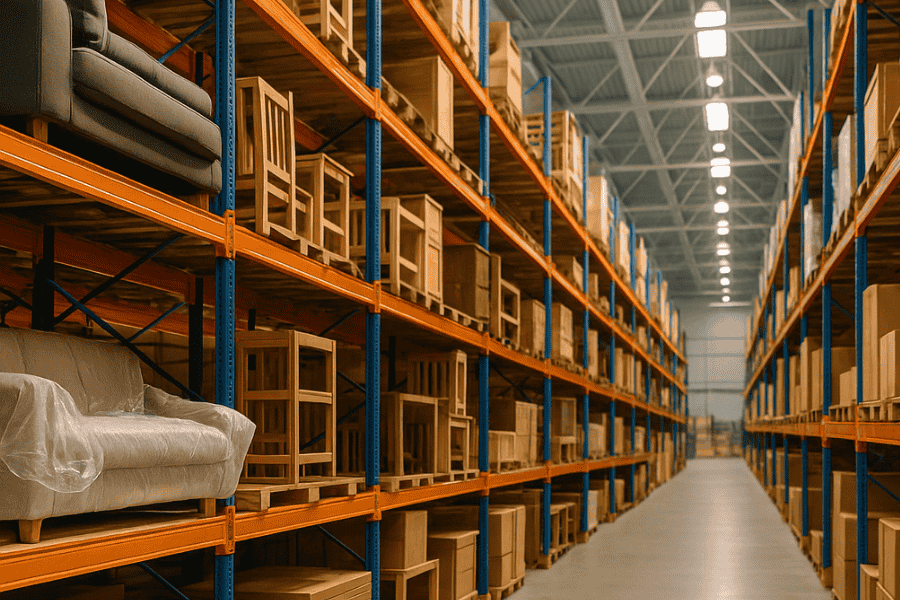
High-quality One-Stop Warehouse Solutions
What Smart Buyers Should Check Before Choosing a Warehouse Solution
Before requesting quotes or comparing hardware, buyers should step back and ask better questions.
What is the real bottleneck?
Is it storage density, travel time, replenishment logic, congestion, poor access, or inaccurate stock flow?
Is the building truly too small, or just badly organized?
That distinction changes the whole investment strategy.
Does the solution fit your inventory behavior?
Product profile matters more than generic warehouse aesthetics.
Will this system still make sense if the business grows?
A solution that only works for today may become tomorrow’s constraint.
Can the supplier think beyond products?
This is where supplier quality matters most. You do not just need equipment. You need a warehouse logic that makes sense.
And once the project moves from general thinking to real planning, the most efficient next step is to Contact Us. That is where layout questions, storage logic, and business needs become a real solution instead of another internal debate.
FAQ
1. What are warehouse solutions?
Warehouse solutions are coordinated systems that improve how a warehouse stores, handles, and moves goods. They usually include storage design, equipment logic, space planning, and workflow structure rather than isolated hardware alone.
2. How do warehouse solutions benefit a business?
They help businesses use space more effectively, improve movement speed, reduce operational waste, strengthen inventory control, improve safety, and support long-term growth in a more organized way.
3. Are warehouse solutions only useful for large warehouses?
No. Smaller warehouses can benefit significantly as well, especially when space is limited, SKU complexity is rising, or daily operations feel inefficient even without physical expansion.
4. Can warehouse solutions be customized by industry?
Yes. Different industries require different warehouse logic. That is why tailored solutions often perform far better than generic layouts, especially in food, cold-chain, distribution, manufacturing, or high-turn inventory environments.
5. How do I choose the right warehouse solution for my business?
Start by identifying your real bottleneck, your inventory profile, your growth pressure, and how your operation actually moves goods each day. Then choose a warehouse structure that fits those realities instead of forcing your business into a generic storage model.
The Key to Smarter Warehouse Operations: Efficiency, Not Just Space
The real advantage of a good warehouse solution is not that it makes the warehouse look more organized.
It is that it makes the business behave more intelligently.
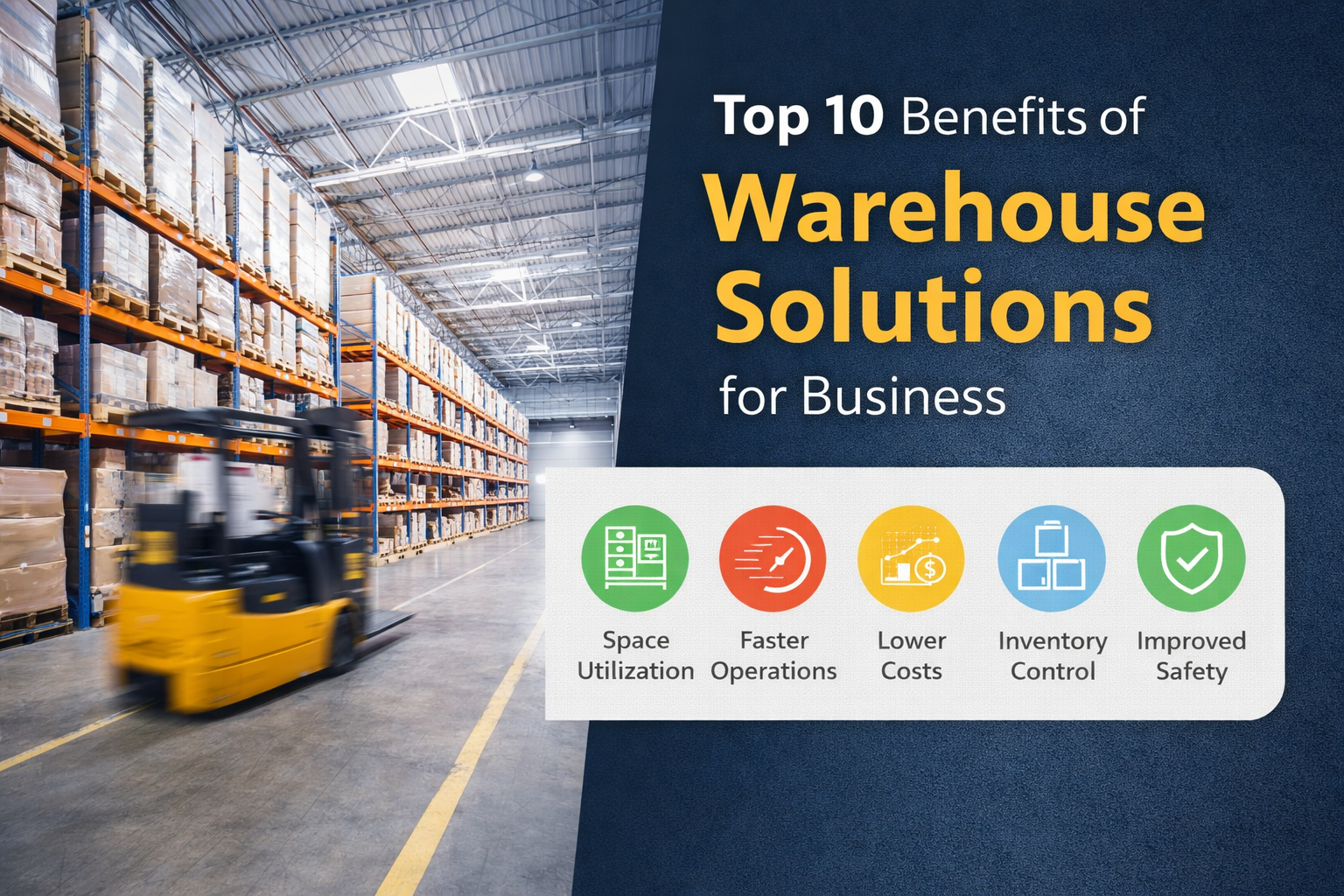
That is the bigger point behind Top 10 Benefits of Warehouse Solutions for Your Business. Better warehouse solutions do not simply create more storage positions or add more equipment to the floor. They improve how space is used, how goods move, how labor is deployed, how costs are controlled, and how future growth is absorbed without turning daily operations into constant firefighting.
For many businesses, that is the difference between a warehouse that merely holds stock and a warehouse that actively supports profit, service, and scalability.