

 English
  Russian
  French
  Spanish
  German
  Italian
  Portuguese
  Korean
  Japanese
  Arabic
  Turkish
  Indonesian
  Dutch
Dutch 

In today’s highly competitive logistics and manufacturing landscape, warehouse efficiency is no longer a “nice-to-have” — it is a decisive factor that directly impacts operating costs, customer satisfaction, and long-term profitability. As order volumes increase, delivery windows shrink, and labor shortages persist, companies are under growing pressure to move more goods with fewer resources.
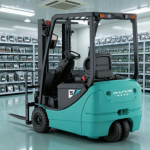
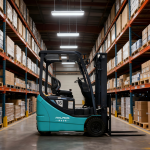
At the center of this transformation lies one critical element: modern forklift solutions combined with the right material handling attachments. From electric counterbalance forklifts to pallet trucks and advanced forklift attachments, intelligent equipment selection plays a key role in building a more productive, safer, and future-ready warehouse.
This article explores how optimized forklift systems and attachments help businesses improve throughput, reduce costs, and adapt to diverse operational environments.
1. Why Forklift Optimization Matters More Than Ever
Warehouses today face several common challenges:
-
Rising labor costs and operator shortages
-
Increasing SKU diversity and mixed pallet handling
-
Narrower aisles and higher storage density
-
Growing demand for cold storage and temperature-controlled logistics
-
Stronger sustainability and emissions-reduction requirements
Traditional material handling methods are often inefficient in this new reality. Forklifts that lack flexibility, visibility, or the right attachments force operators to make more trips, reposition loads frequently, and spend more time on manual adjustments.
By contrast, optimized forklift solutions focus on doing more work per cycle, per shift, and per unit of energy consumed.
 2. The Role of Forklift Attachments in Warehouse Productivity
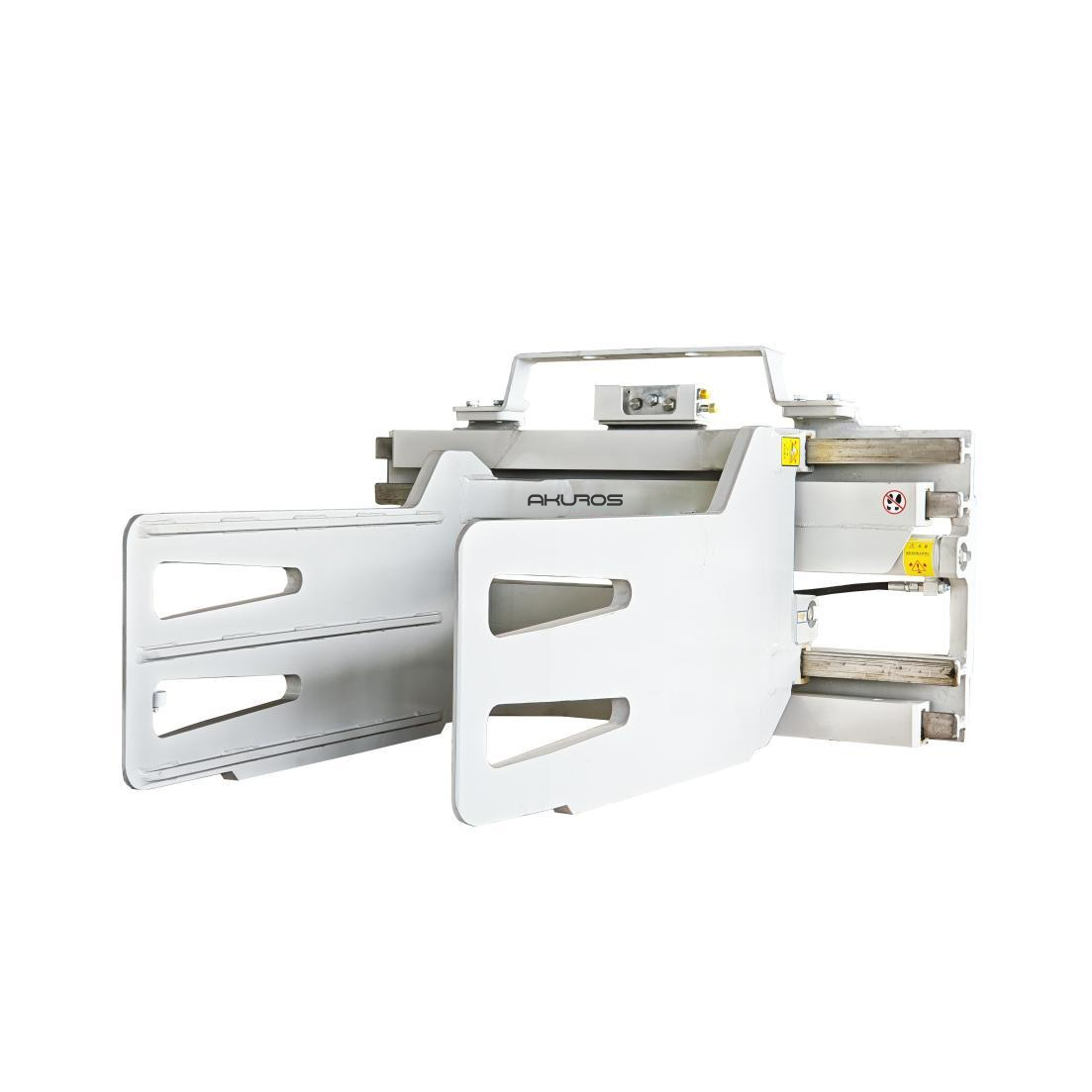
Forklift attachments transform a standard forklift into a multi-functional material handling tool. Instead of using multiple machines or manual labor, a single forklift equipped with the right attachment can handle a wide variety of loads safely and efficiently.
Common productivity benefits include:
-
Fewer handling cycles
-
Reduced travel distance
-
Lower energy consumption
-
Improved load stability
-
Reduced product damage
Key Forklift Attachments That Improve Efficiency
-
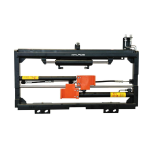
Sideshifting fork positioners for precise pallet alignment
-
Single-double pallet handlers to move two pallets in one trip
-
Carton clamps for slip-sheet and box handling
-
Paper roll clamps for paper and packaging industries
-
Bale clamps for recycling, textiles, and pulp handling
-
Push-pull attachments for pallet-free logistics
Each attachment addresses a specific handling challenge, allowing warehouses to tailor equipment to their workflow rather than forcing workflows to adapt to equipment limitations.
3. Reducing Operational Costs Through Smarter Handling
One of the most immediate advantages of advanced forklift solutions is cost reduction.
Lower Labor Costs
By handling more goods per cycle, attachments reduce the number of forklift trips required. This allows warehouses to:
-
Move the same volume with fewer operators
-
Reallocate labor to higher-value tasks
-
Reduce overtime during peak seasons
Lower Energy Consumption
Electric forklifts and pallet trucks combined with high-efficiency attachments:
-
Shorten driving distances
-
Reduce idle time
-
Lower overall battery charging frequency
This is especially important in cold storage environments, where energy efficiency directly affects operating margins.
Reduced Equipment Investment
Instead of purchasing additional forklifts, companies can often increase capacity by upgrading existing fleets with attachments — a much more cost-effective approach with faster ROI.
4. Improving Safety and Reducing Damage
Safety is a top priority in any warehouse. Poor load stability, excessive manual adjustments, and limited operator visibility increase the risk of accidents and product damage.
Modern forklift attachments enhance safety by:
-
Maintaining better load balance
-
Reducing the need for manual pallet repositioning
-
Improving load visibility through compact designs
-
Enabling precise hydraulic control
For example, fork positioners allow operators to adjust fork spacing from the cab, eliminating risky manual handling. Clamp attachments secure loads evenly, reducing the chance of dropped or shifting goods.
5. Supporting High-Density and Narrow-Aisle Warehousing
As warehouses move toward higher storage density, aisle widths continue to shrink. This trend places greater demands on forklift maneuverability and load control.
Optimized forklift systems help by:
-
Allowing precise sideshifting in tight spaces
-
Reducing the need for multiple corrective movements
-
Supporting accurate pallet placement at height
In narrow-aisle environments, even small efficiency gains per cycle translate into significant productivity improvements over time.
6. Cold Storage and Harsh Environment Applications
Cold storage logistics is one of the fastest-growing segments of the material handling industry. Low temperatures, condensation, and corrosive environments place unique demands on forklifts and attachments.
Forklift solutions designed for cold storage typically feature:
-
Corrosion-resistant coatings
-
Stainless steel components
-
Sealed hydraulic systems
-
Anti-slip wheels and load-contact surfaces
Attachments that reduce handling cycles are especially valuable in cold environments, as they minimize operator exposure time and reduce battery drain.
7. Sustainability and Green Warehousing
Sustainability has become a strategic priority for logistics operators worldwide. Electric forklifts and efficient attachments contribute directly to green warehousing goals by:
-
Reducing carbon emissions
-
Lowering energy usage per pallet moved
-
Extending battery life and reducing waste
By improving efficiency at the equipment level, warehouses can achieve sustainability targets without compromising performance.
8. Integration With Modern Warehouse Systems
Today’s warehouses are increasingly data-driven. Forklifts and attachments must integrate smoothly with:
-
Warehouse Management Systems (WMS)
-
Automated storage systems
-
Fleet management and monitoring platforms
Standardized forklift attachments support this integration by enabling predictable, repeatable handling processes that align with digital workflows and performance tracking.
9. Choosing the Right Forklift Solution
Selecting the right forklift and attachment combination requires understanding:
-
Load types and dimensions
-
Throughput requirements
-
Working environment (temperature, humidity, space constraints)
-
Safety and regulatory requirements
A one-size-fits-all approach rarely delivers optimal results. Instead, customized forklift solutions aligned with specific operational needs provide the highest long-term value.
10. Conclusion: Building a Smarter Warehouse With the Right Forklift Solutions
Warehouse efficiency is no longer achieved through speed alone — it is built on precision, flexibility, and intelligent equipment design. By combining advanced forklifts with purpose-built attachments, businesses can dramatically improve productivity, reduce costs, enhance safety, and future-proof their operations.
From pallet handling and cold storage logistics to high-density warehousing and sustainable operations, optimized forklift solutions play a critical role in shaping the modern warehouse.
For companies looking to stay competitive in a rapidly evolving logistics landscape, investing in the right material handling equipment is not just an operational decision — it is a strategic one.