

 English
  Russian
  French
  Spanish
  German
  Italian
  Portuguese
  Korean
  Japanese
  Arabic
  Turkish
  Indonesian
  Dutch
Dutch 

Forklifts, Racking & Automation Investment Analysis
Cold storage investments involve high upfront capital and long asset lifecycles. This article provides a practical framework to calculate ROI for cold storage projects—covering forklifts, racking systems, and automation—so decision-makers can evaluate payback periods, operating cost impact, and long-term value with clarity.
1. Why ROI Calculation Is Critical in Cold Storage Projects
Cold storage warehouses differ from ambient facilities in one fundamental way:
capital intensity + low tolerance for error.
Once a cold storage facility is built and equipped, design and equipment decisions are effectively locked in for 10–20 years. ROI misjudgments therefore compound over time through:
-
Excess labor cost
-
Energy inefficiency
-
Underutilized equipment
-
Missed automation opportunities
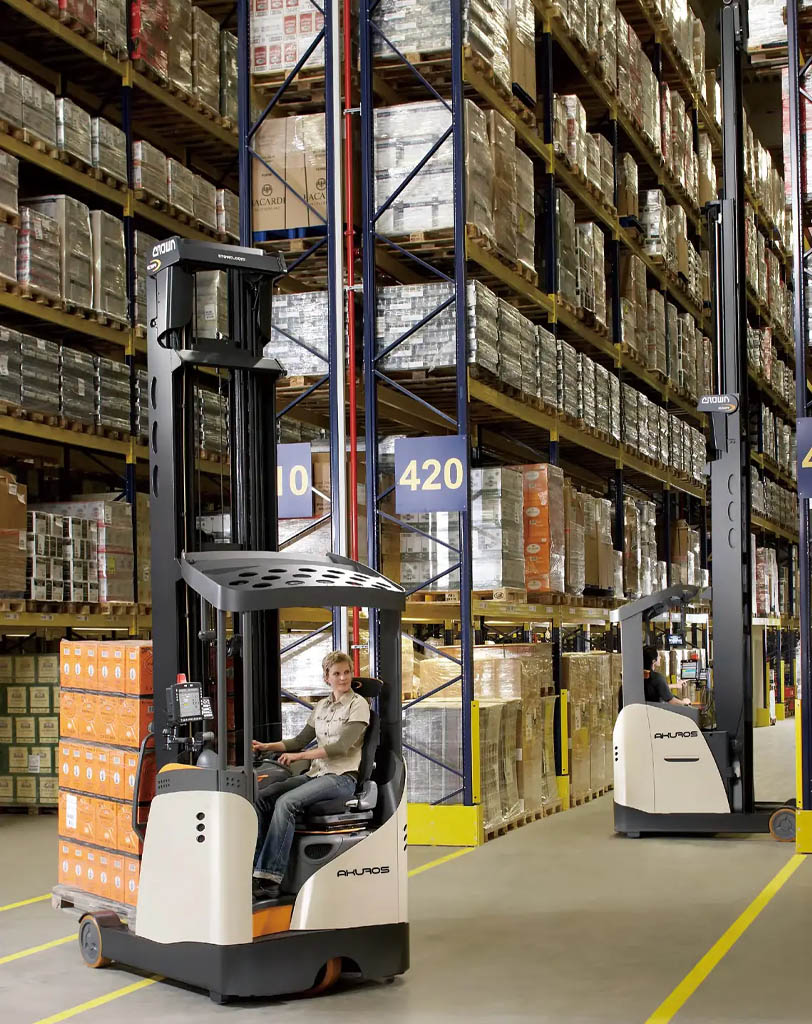
This is why cold storage ROI must be evaluated as part of an integrated warehouse solution, not as isolated equipment purchases.
 2. Cold Storage ROI Components — Overview Table
Before diving into calculations, the table below summarizes the main investment and return components in a cold storage project.
📊 Cold Storage ROI Framework
| Component | Investment Type | ROI Driver | Common Oversight |
|---|---|---|---|
| Forklifts | CAPEX + OPEX | Labor & uptime | Underestimating downtime |
| Racking systems | CAPEX | Storage & flow | Ignoring throughput |
| Automation | CAPEX + integration | Labor reduction | Overestimating speed |
| Energy systems | OPEX | Efficiency | Hidden consumption |
| Maintenance | OPEX | Reliability | Lifecycle neglect |
ROI clarity requires evaluating how these components interact—not how they perform individually.
3. Step 1: Define the Baseline Operating Cost
ROI calculation starts with understanding the current or projected baseline.
Key baseline inputs include:
-
Annual labor cost (operators, supervisors)
-
Energy consumption (handling + refrigeration impact)
-
Maintenance and spare parts
-
Throughput constraints during peak periods
Without a realistic baseline, ROI calculations often exaggerate potential savings.
4. Step 2: Forklift ROI — Beyond Purchase Price
Forklifts influence ROI primarily through labor efficiency and uptime, not acquisition cost.
Key ROI factors include:
-
Forklift availability under -25°C conditions
-
Battery performance and charging frequency
-
Operator productivity per shift
-
Downtime impact during peak periods
Cold-adapted electric forklifts with stable low-temperature performance often deliver higher ROI despite higher upfront cost, due to reduced downtime and longer lifecycle.
5. Step 3: Racking ROI — Density vs Throughput Trade-Off
Racking ROI is frequently miscalculated by focusing only on pallet positions.
In reality, ROI depends on:
-
How quickly pallets can be accessed
-
How racking geometry affects forklift cycle time
-
Whether layout supports future reconfiguration
For example:
-
Double deep racking systems often deliver higher ROI in mixed-SKU environments by balancing density and access.
-
Very narrow aisle racking systems maximize space but require precise forklift deployment and higher operator discipline.
Throughput constraints can negate the theoretical ROI of high-density racking.
6. Step 4: Automation ROI — Labor Reduction with Constraints
Automation ROI in cold storage is driven by labor substitution and consistency, not speed alone.
Key considerations include:
-
Percentage of labor hours replaced
-
Stability of workflows
-
Integration cost with WMS/WCS
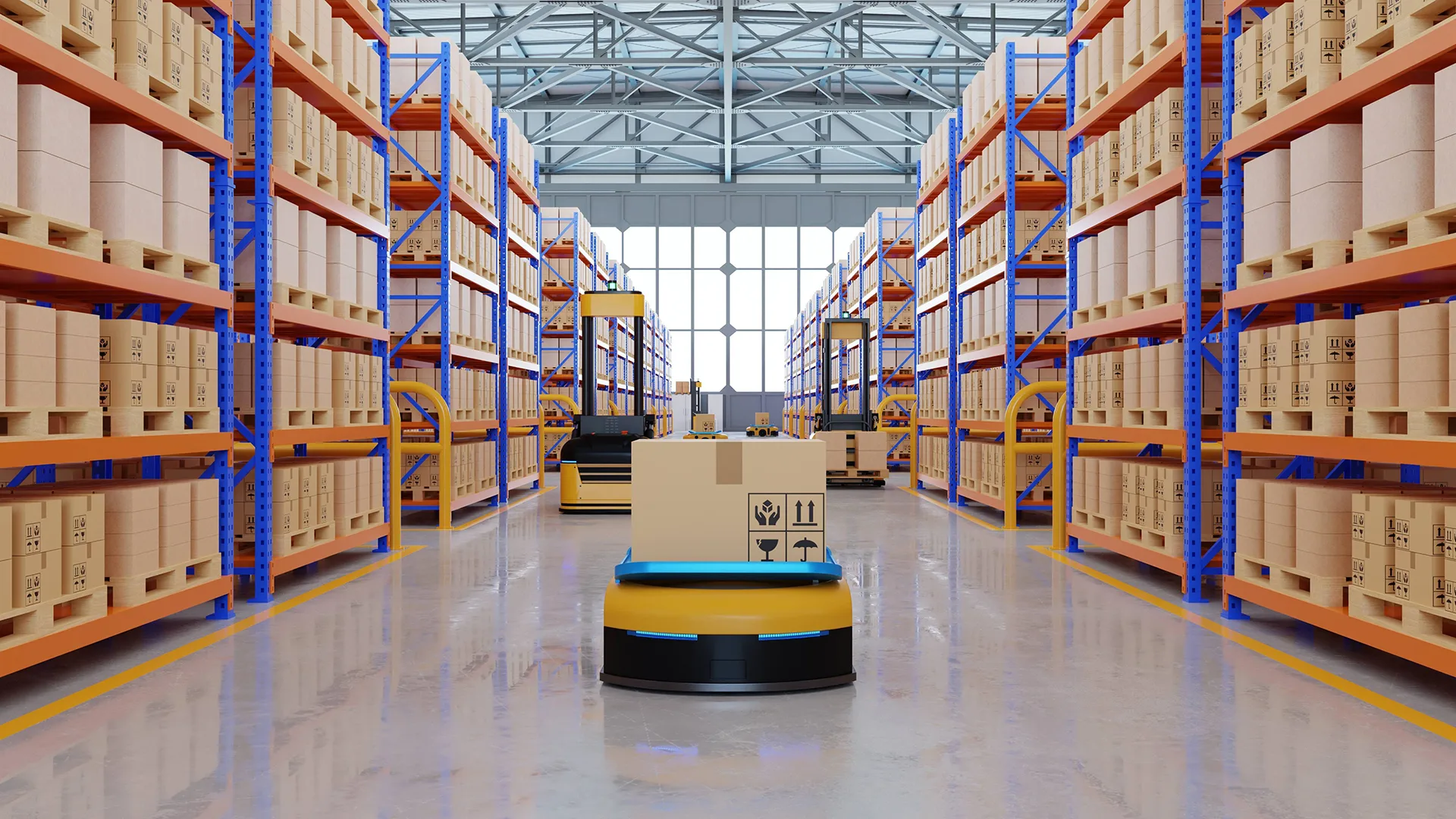
AGV systems, when integrated into broader automated warehouse solutions, often deliver strong ROI in repetitive transport tasks, but may underperform in highly variable operations.
Automation ROI should be evaluated in phases rather than as an all-or-nothing decision.
 7. Step 5: Energy and Maintenance Impact on ROI
Energy and maintenance costs accumulate quietly but significantly over time.
ROI analysis should include:
-
Battery replacement cycles
-
Charging efficiency losses in frozen environments
-
Maintenance frequency and spare parts availability
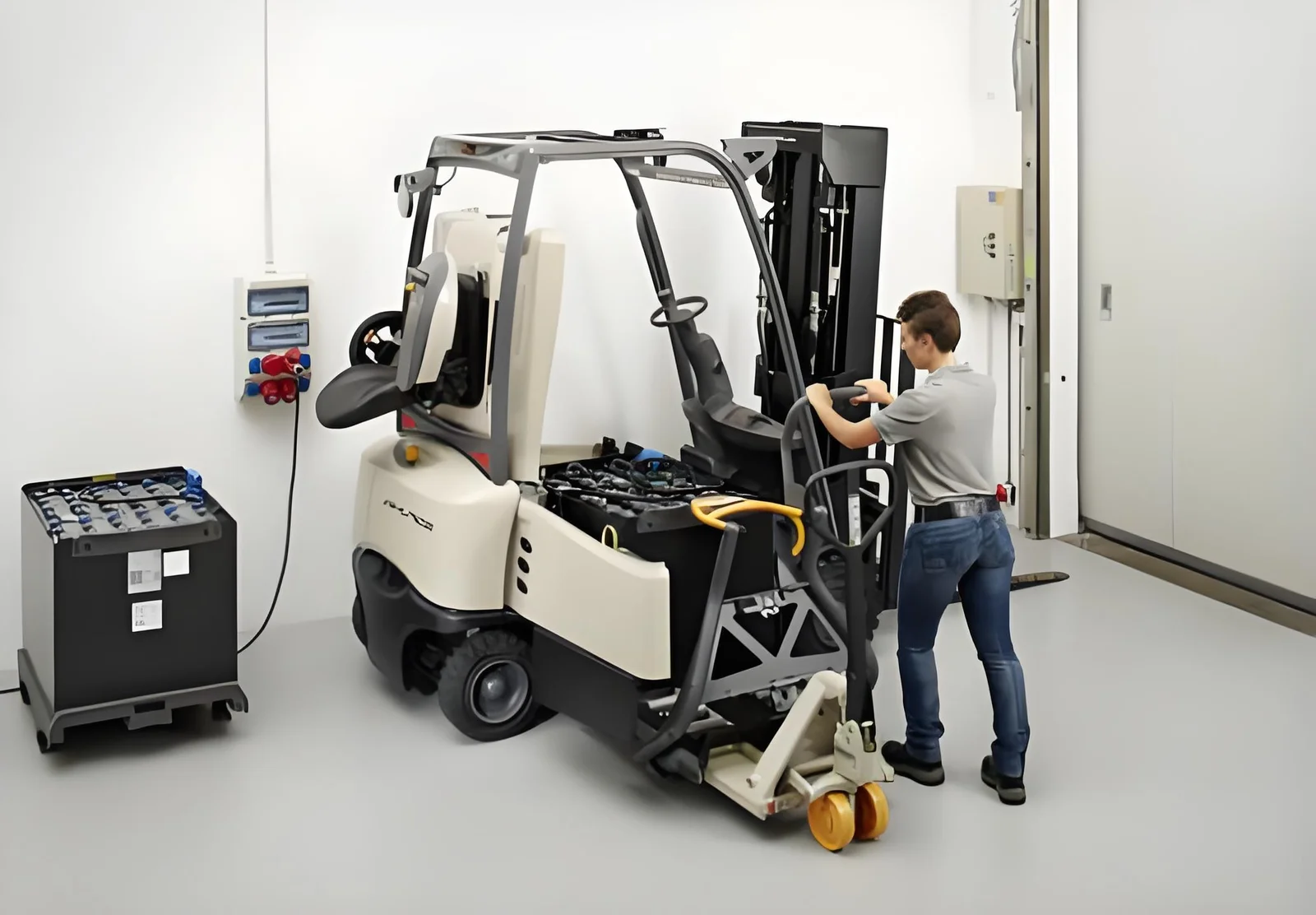
Cold-rated forklift battery systems and appropriate tire solutions often reduce long-term OPEX, improving total ROI even if initial CAPEX is higher.
 8. Step 6: Calculate Payback Period and TCO
Two metrics matter most to decision-makers:
-
Payback Period: How long until savings offset investment
-
Total Cost of Ownership (TCO): Cost over the asset lifecycle
Cold storage projects with slightly longer payback but lower TCO often outperform low-CAPEX designs over 10–15 years.
9. Common ROI Calculation Mistakes in Cold Storage
Frequent errors include:
-
Ignoring peak-period labor constraints
-
Underestimating cold-environment downtime
-
Treating automation ROI as linear
-
Excluding maintenance and energy escalation
These mistakes typically result in optimistic ROI models that fail post-commissioning.
10. Google Popular Topics (Contextual Answers)
How do you calculate ROI for cold storage forklifts?
By measuring labor savings, uptime improvement, and lifecycle cost rather than purchase price alone.
Is automation always ROI-positive in cold storage?
No. Automation delivers ROI primarily in stable, repetitive workflows.
Does higher-density racking always improve ROI?
Not necessarily. Throughput limitations can reduce overall returns.
What is the biggest hidden cost in cold storage ROI?
Downtime during peak periods.
Should ROI be calculated per system or per warehouse?
Per warehouse system, considering interactions between equipment.