

 English
  Russian
  French
  Spanish
  German
  Italian
  Portuguese
  Korean
  Japanese
  Arabic
  Turkish
  Indonesian
  Dutch
Dutch 

A Conversation on the Warehouse Floor
“Why are we still struggling with pallet movement during peak hours?” asked Mark, the warehouse operations supervisor, while watching a team maneuver bulky pallets in a crowded aisle.
Lisa, the logistics consultant visiting the facility, pointed toward a forklift across the loading area. “That’s exactly the problem. You need the right material handling equipment. A Counterbalanced Truck can dramatically simplify heavy lifting and improve operational flow.”
Mark looked curious. “Is it really that effective?”
“Absolutely,” Lisa replied. “Modern warehouses rely heavily on counterbalanced trucks because they combine lifting power, maneuverability, and safety in one machine.”
Her answer reflects a broader truth in warehouse management today: choosing the right equipment directly impacts productivity, safety, and long-term operational costs. Counterbalanced trucks have become a cornerstone of efficient warehouse logistics across industries.
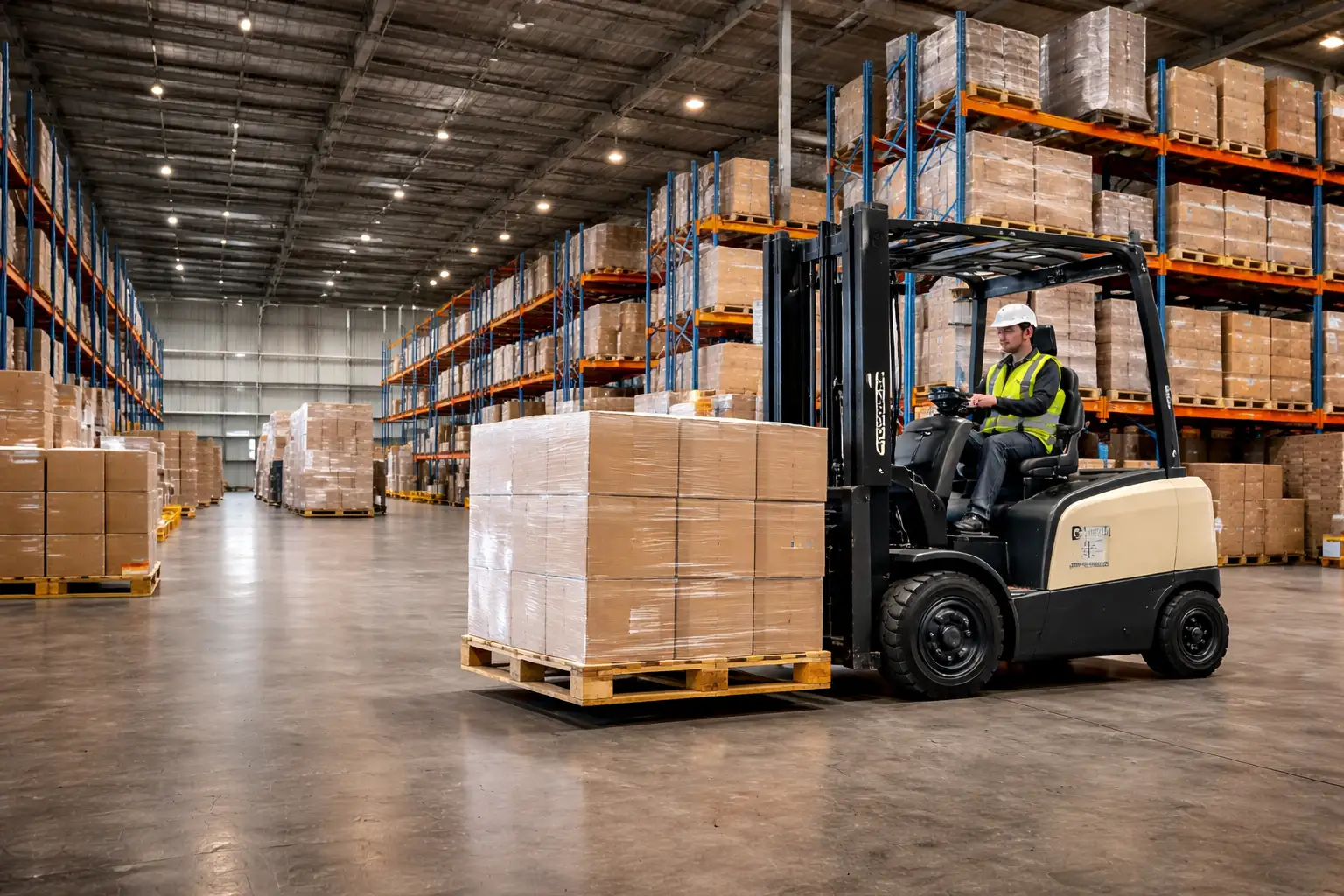
Counterbalanced Trucks
Why Counterbalanced Trucks Are Essential in Modern Warehouses
Warehouse environments are evolving rapidly due to e-commerce growth and global supply chain demands. According to logistics industry reports, distribution centers have increased their storage throughput by nearly 30% in the past decade, forcing operators to adopt more efficient equipment.
Counterbalanced trucks stand out because of their simple yet powerful design. Unlike other forklifts that rely on additional stabilizing mechanisms, these trucks use a rear counterweight to balance heavy loads at the front. This design provides several advantages:
-
Greater lifting stability for heavy pallets
-
Flexible operation in loading docks and storage zones
-
Minimal need for complex support structures
-
Faster loading and unloading cycles
Companies exploring equipment upgrades often consult Akuros About to understand how integrated warehouse solutions and professional guidance can improve logistics efficiency.
Understanding the Design of a Counterbalanced Truck
The Core Principle Behind the Technology
A Counterbalanced Truck operates using a rear-mounted counterweight that offsets the load being lifted at the front. This mechanism allows the truck to safely lift heavy pallets without additional stabilizing legs or outriggers.
Key components include:
-
Counterweight system – balances the lifted load
-
Hydraulic lifting mast – raises and lowers pallets
-
Fork attachments – support a variety of pallet types
-
Operator cabin or stand platform – ensures control and safety
This configuration enables the truck to function efficiently in areas where space is limited, making it ideal for warehouse operations.
Major Advantages of Counterbalanced Trucks
1. Exceptional Versatility
One of the biggest advantages of counterbalanced trucks is their ability to operate in multiple environments within a warehouse.
They are commonly used for:
-
Loading and unloading trucks
-
Transporting pallets across warehouse floors
-
Stacking goods in storage racks
-
Handling heavy materials in production facilities
Akuros’ report Top 10 Applications of Counterbalanced Trucks in Modern Warehouses highlights how these trucks adapt to diverse operational scenarios.
2. High Load Capacity
Counterbalanced trucks are designed to handle heavy loads efficiently. Many modern models support lifting capacities ranging from 1.5 to 5 tons, making them suitable for large-scale distribution centers.
This lifting power allows warehouses to:
-
Reduce manual handling risks
-
Move large inventory loads quickly
-
Improve overall material flow
3. Improved Warehouse Productivity
Studies by supply chain researchers suggest that efficient forklift usage can increase warehouse productivity by 15–20%. Counterbalanced trucks contribute to this improvement by enabling faster pallet movement and reducing downtime during loading operations.
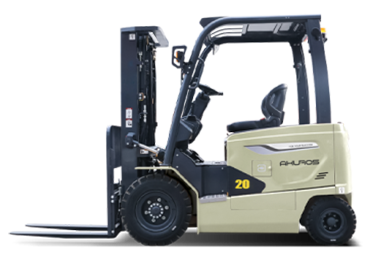 Counterbalanced Trucks |
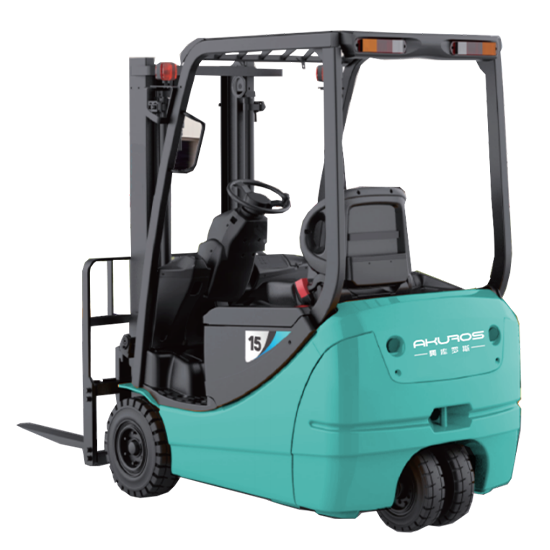 Counterbalanced Trucks |
Case Study: Distribution Center Optimization
A mid-sized logistics company struggled with inefficient pallet handling during peak shipping seasons. Workers relied on outdated equipment that slowed loading operations.
After implementing a fleet of Counterbalanced Truck systems from Akuros, the company observed the following results:
-
22% faster pallet handling times
-
18% increase in warehouse throughput
-
Reduced operator fatigue and improved safety compliance
The implementation aligned with insights shared in Unleashing the Power of Counterbalanced Trucks: Heavy-Duty Handling Made Easy, which explains how modern forklifts simplify heavy-duty warehouse tasks.
Operational Safety Benefits
Enhanced Stability
Because of the counterweight design, these trucks provide better load balance. This reduces the risk of tipping during lifting operations.
Operator Visibility
Many models feature ergonomic cabins and optimized mast designs that improve visibility when handling loads. Better visibility helps prevent accidents and increases operational accuracy.
Reduced Workplace Injuries
The Occupational Safety and Health Administration (OSHA) reports that proper forklift usage and training can significantly lower workplace injury rates. Counterbalanced trucks support this goal by offering intuitive controls and stable handling characteristics.
Counterbalanced Trucks vs Other Warehouse Equipment
Warehouse managers often compare counterbalanced trucks with reach trucks, pallet jacks, and stackers. Each tool has its place, but counterbalanced trucks often offer the most balanced combination of performance and flexibility.
| Equipment Type | Strengths | Limitations |
|---|---|---|
| Counterbalanced Truck | Heavy lifting, versatile operations | Requires moderate aisle space |
| Reach Truck | Excellent for narrow aisles | Limited outdoor usage |
| Pallet Jack | Low cost, simple handling | Limited lifting height |
| Stacker | Compact design | Lower load capacity |
Because of their adaptability, counterbalanced trucks remain the most widely used forklift type globally.
Choosing the Right Counterbalanced Truck for Your Warehouse
Selecting the right truck requires careful evaluation of operational needs.
Key Factors to Consider
-
Load capacity requirements
-
Warehouse aisle width and layout
-
Indoor vs outdoor usage
-
Operator training and ergonomics
-
Integration with warehouse workflow
Warehouse managers often consult experts before making equipment decisions. By reaching out through Akuros Contact Us, businesses can receive tailored recommendations based on their warehouse structure and operational goals.
Maintenance and Long-Term Reliability
Proper maintenance ensures that counterbalanced trucks perform efficiently for years.
Best practices include:
-
Scheduled hydraulic system inspections
-
Battery or fuel system maintenance
-
Tire condition monitoring
-
Operator training and safety checks
Warehouses that follow proactive maintenance strategies typically experience 30% fewer equipment failures and longer operational lifespans.
The Future of Counterbalanced Trucks
Technology continues to transform warehouse equipment. Modern counterbalanced trucks now integrate advanced features such as:
-
Smart sensors for load stability
-
Electric power systems for sustainability
-
IoT monitoring for predictive maintenance
-
Ergonomic operator controls
These innovations are helping warehouses meet the demands of faster distribution and smarter logistics management.
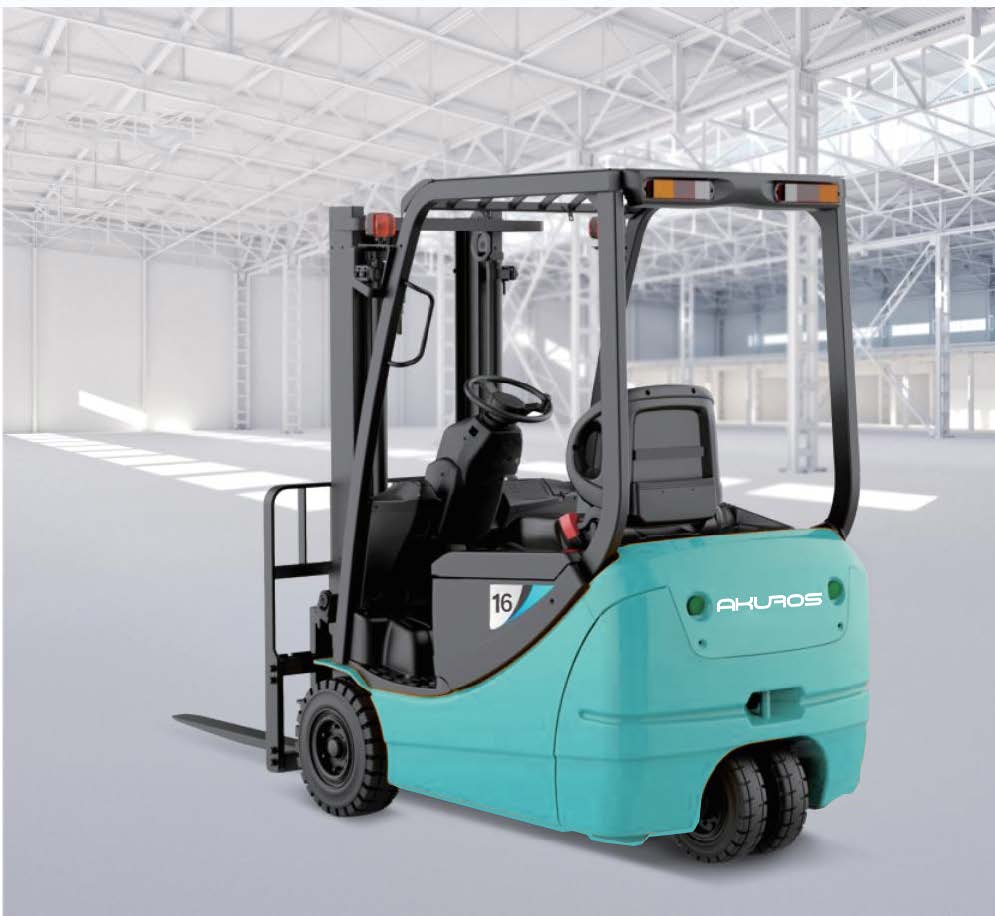
akuros E16 counterbalanced forklift truck
Frequently Asked Questions
What is a counterbalanced truck?
A counterbalanced truck is a type of forklift that uses a rear counterweight to balance the load lifted at the front. This design allows it to safely lift heavy pallets without additional support structures.
Where are counterbalanced trucks commonly used?
They are widely used in warehouses, manufacturing facilities, distribution centers, and shipping docks for lifting, transporting, and stacking palletized goods.
How much weight can a counterbalanced truck lift?
Most warehouse models can lift between 1.5 and 5 tons, depending on the truck size and configuration.
Are counterbalanced trucks safe to operate?
Yes. When operators receive proper training and equipment is maintained correctly, counterbalanced trucks offer high stability and safety in material handling operations.
Why are counterbalanced trucks popular in modern warehouses?
They combine versatility, strong lifting power, and efficient maneuverability, making them suitable for a wide range of warehouse tasks.
The Backbone of Efficient Warehouse Handling
Back on the warehouse floor, Mark watched a newly delivered counterbalanced truck glide smoothly across the loading area.
“Now I see what you meant,” he said to Lisa. “This machine makes everything faster.”
She smiled. “Exactly. When warehouses invest in the right equipment, productivity and safety improve immediately.”
Counterbalanced trucks have become essential tools for modern logistics operations. Their powerful lifting capabilities, operational flexibility, and reliability make them indispensable in warehouses around the world.
For businesses aiming to optimize material handling and streamline operations, adopting the right Counterbalanced Truck solution can transform efficiency, reduce labor strain, and support long-term growth in an increasingly competitive logistics environment.