

 Italian
  English
  Russian
  French
  Spanish
  German
  Portuguese
  Korean
  Japanese
  Arabic
  Turkish
  Indonesian
  Dutch
Dutch 

Riepilogo rapido:Sourcing Forklifts from China in 2026 is no longer only about finding the lowest unit price. Buyers should compare forklift type, load capacity, battery or engine system, CE/EPA/ISO documentation, factory-direct support, spare parts availability, pre-shipment inspection, and total cost of ownership before placing an order.
A warehouse buyer may start with a simple request: “We need 20 forklifts for a new logistics center.” But the real buying decision is rarely simple. Should the fleet use electric forklifts or diesel forklifts? Is lithium battery worth the higher upfront cost? Does the supplier provide CE documents for Europe, emission documents for diesel models, or ISO factory management proof? Will spare parts arrive quickly when the machine stops working? And most importantly, is the cheapest quotation really cheaper after three years of maintenance, downtime, and after-sales communication?
That is why sourcing Carrelli elevatori from China in 2026 should be treated as a procurement system, not a price hunt. China remains a major manufacturing base for material handling equipment, but overseas buyers now expect more than low cost. They need safe machines, verified certificates, reliable batteries, clear spare parts support, technical configuration advice, and long-term service communication.
For buyers who want to review a dedicated forklift product range before comparing models, the Carrelli elevatori page provides a practical starting point for understanding available warehouse and industrial forklift solutions.
This guide explains how to source industrial Forklifts from China with lower risk. It covers forklift types, key specifications, CE/EPA/ISO compliance, factory direct vs trading company cost analysis, total cost of ownership, pre-shipment inspection, application matching, supplier evaluation, common mistakes, and practical decision logic for warehouse operators, importers, distributors, rental fleet owners, and industrial procurement managers.
Carrelli elevatori
What Types of Forklifts Can Buyers Source from China?
Electric Forklifts for Warehouses and Logistics Centers
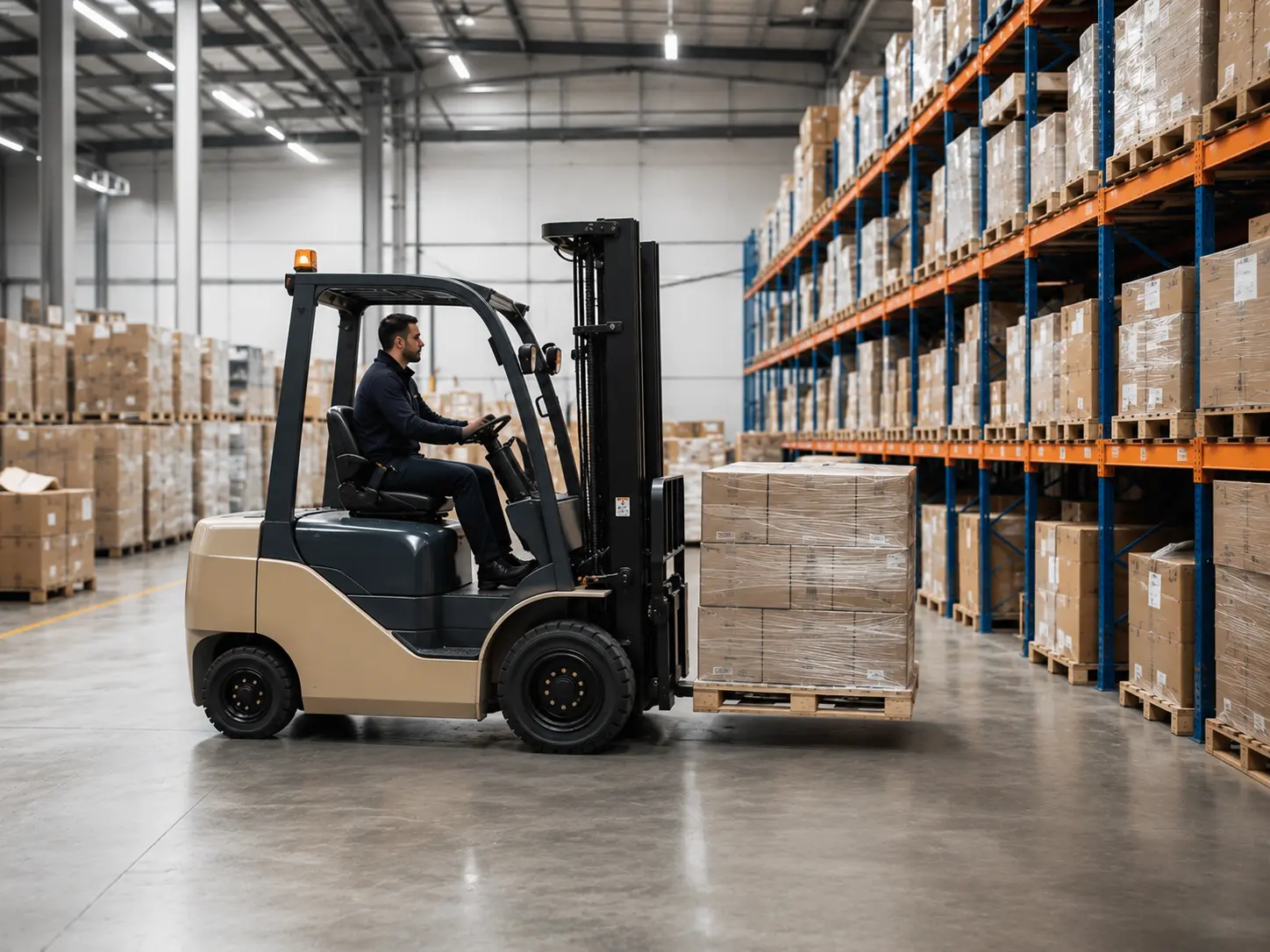
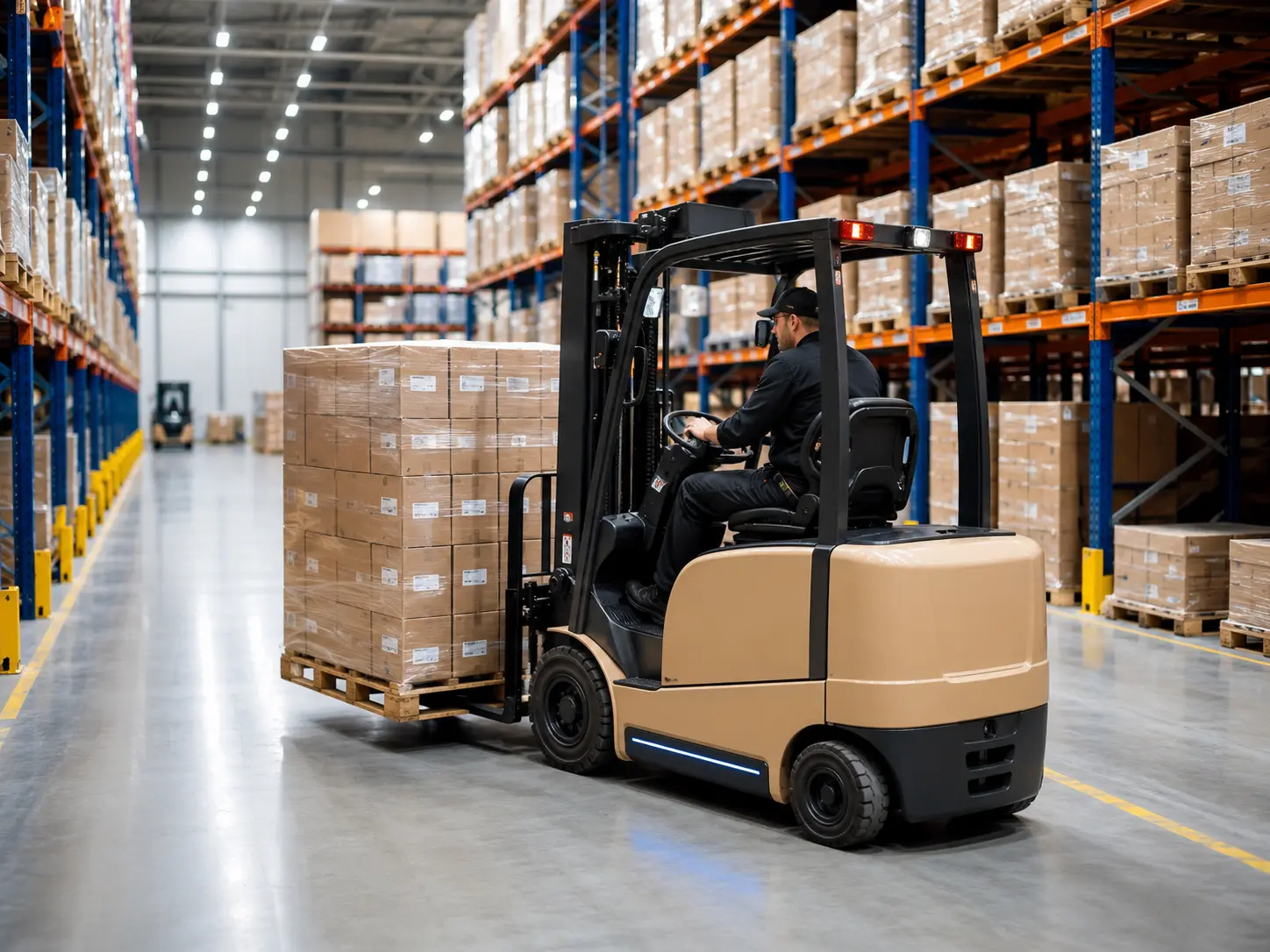
Electric forklifts for warehouse operations are one of the fastest-growing categories in modern material handling. They are widely used in indoor warehouses, logistics centers, food distribution facilities, supermarket supply chains, e-commerce warehouses, and manufacturing plants. Their main advantages include lower operating noise, zero direct exhaust emissions during use, smoother indoor operation, and lower routine maintenance compared with diesel-powered equipment.
Electric models are especially suitable when the operating area is clean, enclosed, or close to workers and stored goods. However, buyers must evaluate battery type carefully. Lithium battery forklifts usually offer faster charging, opportunity charging, lower maintenance, and better multi-shift flexibility. Lead-acid battery forklifts may cost less initially, but require longer charging time, watering, ventilation, and more maintenance discipline.
For narrow indoor storage areas where lifting and stacking are more important than long-distance transport, an electric stacker truck for indoor warehouses may be a better fit than a full-size counterbalance forklift, especially in compact aisles or small distribution centers.
Diesel Forklifts for Outdoor and Heavy-Duty Operations
Diesel forklifts are commonly used in outdoor yards, construction material handling, lumber yards, stone yards, container areas, ports, and heavy-duty industrial sites. They provide strong power, long continuous operation, and better performance in rough outdoor environments where charging infrastructure may be limited.
However, diesel forklifts require closer attention to emission compliance, fuel cost, maintenance schedule, engine documentation, and local market rules. For buyers importing into regions with strict emissions requirements, the engine model and emission certificate can be just as important as rated load capacity. A diesel forklift that cannot pass local compliance checks may become an expensive machine that cannot be legally used.
LPG Forklifts for Mixed Indoor and Outdoor Use
LPG forklifts may suit mixed indoor and outdoor operations when buyers want cleaner combustion than diesel but still need longer operating time than some battery models. They can be useful in certain warehouses, manufacturing plants, and distribution centers, but fuel availability, ventilation, local safety rules, and operator training must be considered before purchase.
Counterbalance Forklifts, Reach Trucks, and Specialized Models
Counterbalance forklifts are general-purpose machines used for loading, unloading, moving pallets, and handling materials across warehouses and yards. Reach trucks are designed for high racking and narrow aisle operations. Order pickers support piece-picking in warehouses where workers need to access goods at height. Rough-terrain forklifts suit uneven outdoor ground. Cold storage forklifts require low-temperature protection for batteries, hydraulic systems, electronics, seals, and operator safety.
For operations that involve order picking at height rather than only pallet movement, a high-level order picker forklift can improve warehouse picking efficiency, vertical storage access, and operator workflow in modern distribution centers.
| Tipo di carrello elevatore | Best Use | Key Buyer Check | Common Risk |
|---|---|---|---|
| Carrelli elevatori elettrici | Indoor warehouses | Battery, charger, runtime | Weak battery support |
| Diesel Forklifts | Outdoor heavy-duty work | Engine and emission compliance | Import restriction risk |
| LPG Forklifts | Mixed-use operations | Fuel safety and ventilation | Local fuel compatibility |
| Carrelli elevatori | High racking warehouses | Lift height and aisle width | Wrong mast specification |
| Cold Storage Forklifts | Freezer warehouses | Battery and low-temperature components | Battery or hydraulic failure |
Key Specifications Buyers Must Confirm Before Ordering Forklifts
Capacità di carico
Forklift load capacity is one of the first specifications buyers compare, but it is also one of the most misunderstood. Common industrial load capacities may include 1.5T, 2T, 2.5T, 3T, 3.5T, 5T, 7T, 10T, or higher depending on application. Buyers should select capacity based on actual pallet weight, load center, attachment use, maximum lifting height, and safety margin.
A 3T forklift does not automatically lift every 3T object safely in every condition. If the load center is longer than standard, if attachments are installed, or if the mast is raised high, the real safe lifting capacity may decrease. Buyers should request load charts and residual capacity information when loads are heavy, oversized, or non-standard.
Lift Height and Mast Type
Lift height must match warehouse racking height, container loading conditions, and site clearance. Common mast options include duplex mast, triplex mast, and full free lift mast. Higher lift height may reduce residual capacity, so buyers should not select a mast only by maximum height. They should measure the working environment first: rack height, doorway height, container clearance, ceiling restrictions, and aisle layout.
Load Center and Residual Capacity
Load center affects real lifting ability. Standard forklifts are often rated using a specific load center, but many real-world loads are longer, wider, or uneven. Attachments such as clamps, fork positioners, rotators, side shifters, and boom attachments can reduce residual capacity. Buyers handling paper rolls, stone slabs, long pallets, metal profiles, or non-standard cargo should confirm actual lifting performance before purchase.
Tire Type
Solid tires are puncture-resistant and suitable for warehouses, factories, and paved yards. Pneumatic tires are better for uneven outdoor surfaces. Non-marking tires help protect clean indoor floors. Cold storage operations may require special tire compounds. Tire selection affects stability, operator comfort, floor protection, and maintenance cost.
 Battery |
 custom Forklift Battery |
Battery, Engine, and Power System
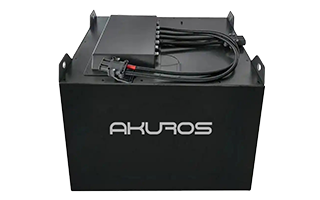
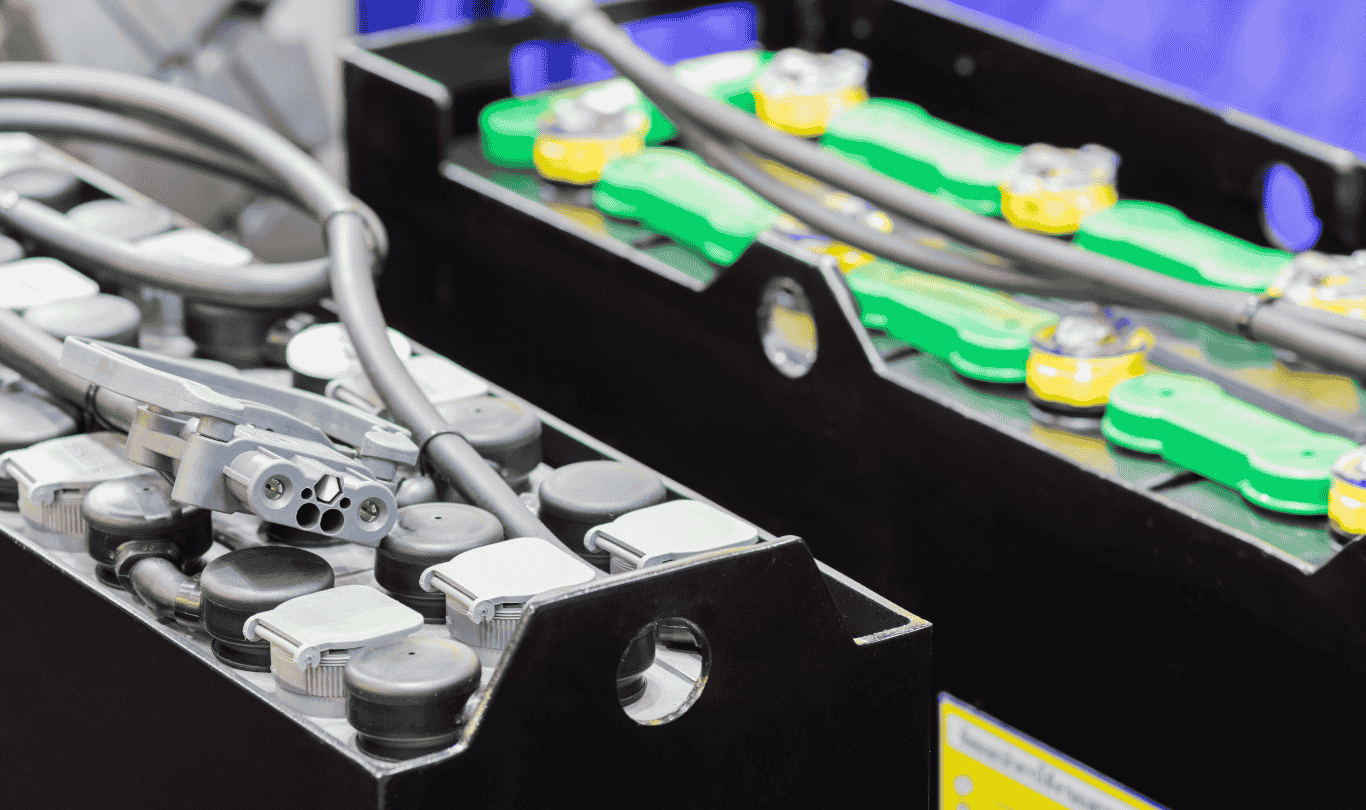
Battery or engine configuration determines daily productivity. Lithium battery forklifts are increasingly popular because they support fast charging, opportunity charging, and lower maintenance. Lead-acid batteries can reduce upfront cost but require more care. Diesel engines provide strong outdoor power but create emission, fuel, noise, and maintenance considerations.
For operations that require stronger lifting power with cleaner electric operation, a heavy-duty electric counterbalance forklift may be suitable for warehouses or industrial sites shifting away from diesel equipment while still needing higher load capacity.
| Specifiche | Why It Matters | Domanda dell’acquirente |
|---|---|---|
| Capacità di carico | Determines safe lifting range | What is my maximum loaded pallet weight? |
| Load Center | Affects real lifting ability | Is the load standard or oversized? |
| Altezza di sollevamento | Matches rack height | What is my highest storage level? |
| Mast Type | Controls clearance and lifting | Do I need container operation? |
| Battery Type | Affects runtime and charging | Lithium or lead-acid? |
| Tire Type | Matches floor condition | Indoor, outdoor, or mixed? |
| Turning Radius | Impacts aisle operation | What is my aisle width? |
Navigating CE, EPA, and ISO Certifications
CE Certification for European Markets
For machinery placed on the European market, CE-related conformity documentation is a key procurement checkpoint. The European Commission notes that machinery placed on the EU market before 20 January 2027 must comply with the current Machinery Directive 2006/42/EC, while the Machinery Regulation (EU) 2023/1230 becomes mandatory from 20 January 2027. Buyers should verify the correct conformity route for their import date, market, and product category. :contentReference[oaicite:0]{index=0}
For forklifts, buyers should request the Declaration of Conformity, nameplate information, applicable technical documents, model details, rated capacity, serial number, user manual, and safety documentation. CE marking should not be treated as a sticker or decorative PDF. The documents must match the actual forklift model and manufacturer.
EPA and Emission Requirements for Diesel Forklifts
Diesel forklifts may face emission-related requirements depending on the destination market. The U.S. Environmental Protection Agency is responsible for developing and enforcing environmental regulations in the United States, so diesel engine compliance must be verified carefully when importing diesel-powered industrial equipment into that market. :contentReference[oaicite:1]{index=1}
Buyers should confirm engine model, emission certificate, manufacturing year, engine identification, fuel type, and local import requirements before ordering diesel forklifts. If emission compliance is unclear, the forklift may face customs problems, registration barriers, resale limitations, or usage restrictions. Cheap diesel equipment is not cheap if it cannot legally enter or operate in the buyer’s market.
ISO Certification for Factory Management
ISO 9001 is a globally recognized quality management standard that helps organizations improve performance, meet customer expectations, and demonstrate quality management commitment. However, ISO certification does not automatically prove that every forklift is excellent. It shows that the factory has a structured quality management system, but buyers still need product inspection and technical verification. :contentReference[oaicite:2]{index=2}
Buyers should confirm that the ISO certificate belongs to the actual forklift factory, not a trading company, unrelated subsidiary, or expired entity. Certificate name, address, scope, issuing body, and validity period should be checked carefully.
Other Documents Buyers Should Request
For industrial forklift sourcing, buyers should request CE declaration where relevant, ISO certificate, EPA or engine emission documents where relevant, test reports, user manual, spare parts list, battery documentation, charger certificate, warranty terms, packing list, commercial invoice, bill of lading, certificate of origin if needed, inspection report, and maintenance manual.
| Market / Use Case | Key Document | Why It Matters | Buyer Risk if Missing |
|---|---|---|---|
| EU Market | CE Declaration | Machinery safety compliance | Import or sales barriers |
| U.S. Diesel Use | EPA / emission document | Engine compliance | Customs or usage restriction |
| Factory Evaluation | ISO 9001 | Quality management system | Weak process control |
| Carrelli elevatori elettrici | Battery and charger documents | Safety and compatibility | Charging or warranty issues |
Total Cost of Ownership: Why the Cheapest Forklift Is Not Always Cheaper
Purchase Price vs. Operating Cost
The total cost of a forklift includes purchase price, inland transportation, sea freight, customs duties, taxes, battery or fuel cost, charger compatibility, spare parts, maintenance, operator training, repairs, downtime, and resale value. A cheaper forklift with poor parts support can cost more over three years than a higher-quality machine with strong service support.
Buyers should compare 3-year or 5-year ownership cost rather than only FOB price. This is especially important for fleet operators, rental companies, distributors, and warehouses running multiple shifts.
Battery and Charging Cost
Lithium battery forklifts usually cost more upfront but can reduce charging time, battery maintenance, and downtime. They may support opportunity charging during breaks, which helps multi-shift operations. Lead-acid batteries can be more affordable initially but need longer charging time, watering, ventilation, and stricter maintenance routines.
Cold environments create additional battery and component challenges. For freezer or cold-chain operations, an electric forklift for cold storage should be specified with low-temperature protection rather than treated as a standard warehouse forklift.
Spare Parts and Downtime
Downtime can cost more than the failed part. A forklift waiting two weeks for a controller, wheel, hydraulic seal, charger component, sensor, or brake part is not “resting”; it is quietly eating profit. Buyers should request a recommended spare parts list and consider ordering wearing parts with the initial shipment.
| Cost Category | What to Include | Why It Matters |
|---|---|---|
| Purchase Price | Forklift unit cost | Only the starting point |
| Freight & Duties | Sea freight, customs, tax | Affects landed cost |
| Battery / Fuel | Charging or diesel/LPG cost | Impacts daily operation |
| Manutenzione | Filters, tires, hydraulic oil | Controls uptime |
| Spare Parts | Wearing parts and emergency parts | Reduces downtime |
| Warranty | Coverage and response speed | Protects buyer |
| Tempi di inattività | Lost productivity | Often hidden but expensive |
Quality Inspection Before Shipment
Visual and Structural Inspection
Before shipment, buyers should inspect welding quality, paint coverage, mast structure, forks, tires, operator seat, overhead guard, counterweight, hydraulic hoses, wiring, dashboard, and labels. Rough welding, oil leakage, uneven paint, loose wires, damaged parts, missing labels, or poor assembly may signal weak quality control.
Functional Testing
Functional testing should include lift and lower movement, forward and reverse driving, brake test, parking brake test, steering test, mast tilt test, horn and lighting test, battery charging test for electric models, and engine start and idle test for diesel models. Load testing is recommended where possible, especially for high-capacity models.
Documentation Check
Documents should match the actual machine. Model number, serial number, rated capacity, mast height, battery or engine details, certificate name, user manual, spare parts list, and packing list should be checked before final payment. Photos and videos should show the actual forklift, not generic showroom footage.
Third-Party Inspection
Third-party inspection is useful for first orders, high-value shipments, private-label orders, or unfamiliar suppliers. Inspection should cover product configuration, functionality, packaging, certificates, nameplate, spare parts, and loading photos. It is cheaper to find mistakes before shipment than after the forklift arrives on another continent.
| Inspection Item | What to Check | Why It Matters |
|---|---|---|
| Mast | Lifting, tilting, welds | Safety and stability |
| Forks | Thickness, straightness, marking | Load safety |
| Sistema idraulico | Leakage and smooth movement | Affidabilità |
| Battery / Engine | Brand, capacity, start test | Power performance |
| Brakes | Service and parking brake | La sicurezza degli operatori |
| Documents | Model, serial, certificate | Import and warranty |
Choosing Forklifts by Application
Magazzini e centri di distribuzione
Warehouses and distribution centers usually need electric forklifts, reach trucks, pallet trucks, stackers, and order pickers. Key specifications include turning radius, lift height, aisle width, battery runtime, charging time, floor condition, and daily operating hours. Clean indoor operation matters because emissions, noise, and floor protection affect both safety and productivity.
Buyers planning a complete cold-chain or warehouse fleet can review this guide on the cold storage equipment mix to understand how forklifts, reach trucks, pallet trucks, and related equipment can be matched to different warehouse zones.
Impianti di produzione
Manufacturing plants often use counterbalance forklifts for raw material movement, production line feeding, finished goods transfer, and loading operations. Electric or diesel selection depends on whether the work is indoor, outdoor, or mixed. Attachments may be needed for rolls, crates, pipes, molds, metal profiles, or non-standard loads.
Magazzini a temperatura controllata
Cold storage warehouses require special attention because low temperatures can affect batteries, hydraulic oil, seals, tires, displays, wiring, and operator comfort. Standard warehouse forklifts may fail quickly in freezer environments if they are not protected for low-temperature operation. Condensation is another risk when equipment moves between cold rooms and warmer areas.
Construction and Outdoor Yards
Outdoor yards and construction sites may require diesel forklifts, rough-terrain forklifts, pneumatic tires, higher ground clearance, stronger frames, and weather-resistant components. Buyers should consider mud, dust, uneven ground, slopes, rain, and load type. A forklift that works beautifully on a showroom floor may complain loudly on a muddy jobsite.
Ports, Stone Yards, and Heavy Industry
Heavy-duty applications require careful specification. Stone yards, metal plants, ports, timber yards, and heavy manufacturing sites may need high-capacity forklifts, stronger masts, heavy-duty hydraulic systems, attachments, and reinforced structures. Buyers should confirm capacity at load center, attachment compatibility, ground condition, and maintenance support.
| Applicazione | Recommended Forklift | Key Specs |
|---|---|---|
| Indoor Warehouse | Electric forklift | Battery, turning radius, lift height |
| High Racking | Reach truck | Mast height, aisle width |
| Stoccaggio a freddo | Cold-room electric forklift | Battery, seals, low-temperature oil |
| Outdoor Yard | Diesel forklift | Engine, tires, ground clearance |
| Manufacturing Plant | Counterbalance forklift | Capacity, uptime, attachments |
Carrelli elevatori elettrici
Industry Trend: Electric Forklifts Are Reshaping Modern Warehousing
Why Electric Models Are Becoming More Popular
Modern warehouses are becoming cleaner, more automated, and more energy-aware. Electric forklifts support this shift by reducing direct exhaust emissions during use, lowering noise, improving indoor working conditions, and reducing routine maintenance. Lithium battery technology has also improved charging flexibility, making electric fleets more practical for longer operating schedules.
For a deeper discussion of warehouse electrification, this article on electric forklifts transforming modern warehousing explains how reliability, efficiency, and sustainability are changing material handling decisions.
When Electric Forklifts Are the Better Choice
Choose electric forklifts if the operation is indoor, emissions matter, noise control matters, floor conditions are smooth, charging infrastructure is available, and daily runtime is predictable. Electric forklifts are especially strong for logistics centers, food warehouses, e-commerce facilities, retail distribution, and cold-chain operations when correctly specified.
When Diesel Forklifts Still Make Sense
Diesel forklifts still make sense when the operation is mainly outdoor, loads are heavy, charging is inconvenient, ground conditions are rough, or continuous operation is required in remote yards. However, emission rules, fuel cost, noise, and maintenance should be included in the buying decision.
Common Buyer Mistakes When Sourcing Forklifts from China
Buying Only by Lowest Price
The lowest price may hide weak batteries, poor mast quality, low-grade hydraulic components, limited spare parts, unclear warranty, or rough assembly. A cheap forklift with no support can become the most expensive machine in the warehouse.
Not Checking Certificates
Some buyers accept certificates without checking model consistency, issuing body, expiry date, manufacturer name, or destination market relevance. This can create customs, resale, insurance, or legal problems.
Ignoring After-Sales Support
Forklifts are working machines, not decorative equipment. They need parts, maintenance, technical troubleshooting, and warranty response. Weak after-sales support leads to downtime and frustrated operators.
Choosing Wrong Capacity
Wrong capacity can create safety risks, unstable lifting, damaged loads, and reduced equipment life. Buyers must calculate load weight, load center, lift height, and attachment impact before choosing a model.
Ignoring Battery Quality
For electric forklifts, battery quality is central to performance. Poor batteries can cause short runtime, slow charging, early replacement, overheating, or warranty disputes.
Not Confirming Spare Parts
Small parts can stop big machines. Buyers should confirm spare parts availability before shipment, especially for controllers, chargers, hydraulic components, tires, brakes, sensors, seals, and battery-related parts.
No Pre-Shipment Inspection
Without inspection, configuration errors may only be discovered after arrival. At that point, correction is slower, more expensive, and usually much more annoying. Nobody enjoys arguing over a wrong mast height after customs clearance.
How to Evaluate a Forklift Manufacturer in China
Factory Capability
A reliable forklift manufacturer in China should have production lines, welding capability, assembly process control, testing areas, quality inspection systems, technical engineers, battery and charger partners, export experience, and spare parts support. Buyers should ask for factory photos, videos, production capacity, testing process, and quality control details.
For buyers evaluating supplier background and organizational capability, the forklift manufacturer in China page can help review company positioning, service focus, and industrial equipment experience before deeper procurement discussions.
Product Range
A strong supplier should offer product choices that match different applications, including electric forklifts, diesel forklifts, lithium forklifts, pallet trucks, stackers, reach trucks, order pickers, attachments, and related warehouse handling equipment. A narrow product range is not always bad, but the supplier must be honest about what they can and cannot support.
Assistenza tecnica
Technical support should include load charts, drawings, product manuals, parts lists, maintenance guidance, troubleshooting videos, configuration advice, and remote support. Buyers should test communication quality before placing a large order. If the supplier cannot answer technical questions before payment, do not expect miracles after shipment.
Supplier Scorecard
| Fattore di valutazione | Weight | What to Check |
|---|---|---|
| Factory Capability | 20% | Production, testing, QC |
| Certification Support | 15% | CE, ISO, EPA where relevant |
| Product Configuration | 15% | Capacity, mast, battery, tire |
| Spare Parts Support | 15% | Stock and response speed |
| After-Sales Service | 15% | Warranty and technical support |
| Export Experience | 10% | Documents and shipping |
| Communication | 10% | Technical clarity and speed |
Practical Recommendation: How to Source Forklifts Safely in 2026
Choose Electric Forklifts If
Choose electric forklifts if the operation is indoor, noise and emissions matter, warehouse aisles are controlled, charging infrastructure is available, daily runtime is predictable, and lower routine maintenance is important. Electric forklifts are especially suitable for warehouses, cold-chain facilities, logistics centers, and indoor manufacturing plants.
Choose Diesel Forklifts If
Choose diesel forklifts if the operation is outdoor, loads are heavy, charging is not convenient, ground conditions are rough, and local emission rules allow diesel equipment. Diesel models remain practical for yards, construction sites, ports, and heavy industries.
Choose Lithium Battery Forklifts If
Choose lithium battery forklifts if fast charging, multi-shift operation, lower battery maintenance, and long-term efficiency matter. The upfront cost may be higher, but the total cost can be attractive when downtime and maintenance are reduced.
Choose Factory Direct If
Choose factory direct sourcing if long-term parts support matters, custom configuration is required, fleet expansion is planned, technical communication is important, or warranty response must be clear. Factory direct is usually better for buyers who understand their application and need stable long-term cooperation.
Choose a Trading Company If
Choose a trading company if mixed products are needed, order quantity is small, sourcing consolidation is more important than technical customization, or the buyer lacks factory audit resources. The key is making sure the trader can still provide real technical answers and reliable after-sales coordination.
Carrelli elevatori
Final Recommendation: Source Forklifts by Total Value, Not Lowest Quote
The best forklift sourcing strategy in 2026 is not “find the cheapest machine.” It is “find the right machine, from the right supplier, with the right documents, parts, and support.” Forklifts affect warehouse safety, operating efficiency, loading speed, maintenance cost, and customer delivery performance. A poor buying decision can create years of hidden cost.
If the operation is indoor, electric forklifts should be considered first. If the site is outdoor and heavy-duty, diesel may still be practical if local emission rules allow it. If the warehouse runs multiple shifts, lithium battery models may improve uptime. If customization and fleet support matter, factory direct sourcing is usually stronger. If mixed procurement is needed, a trading company can help, but only if technical and service support remain clear.
To discuss model selection, site requirements, load capacity, cold storage operation, or warehouse equipment configuration, buyers can contact a forklift supplier with load details, operating hours, aisle width, lift height, application photos, destination market, and certification requirements.
FAQ About Sourcing Forklifts from China
1. Are Chinese forklifts reliable?
Chinese forklifts can be reliable when buyers choose a qualified manufacturer with strong production capability, stable components, proper quality control, certificate support, spare parts availability, and clear after-sales service. Reliability depends less on the country label and more on the factory, configuration, battery or engine quality, hydraulic system, mast structure, inspection process, and technical support. Buyers should verify factory capability and inspect machines before shipment.
2. What certifications are needed for importing forklifts?
The required certifications depend on the destination market, forklift type, and power system. Buyers may need CE documentation for European markets, EPA or engine emission documents for diesel forklifts entering certain markets, ISO certification for factory quality management review, battery and charger documents for electric forklifts, and local import documents such as manuals, packing lists, invoices, certificates of origin, and inspection reports. Buyers should confirm local regulations before ordering.
3. Should I buy forklifts from a factory or trading company?
Buy forklifts directly from a factory if long-term spare parts support, custom configuration, technical communication, warranty response, and fleet expansion matter. A trading company may be useful if the buyer needs mixed warehouse equipment, small quantities, or consolidated sourcing support. The best choice depends on the buyer’s technical requirements, order size, product range, and after-sales expectations. Lowest price alone should not decide the supplier.
4. How do I choose the right forklift capacity?
To choose the right forklift capacity, calculate the maximum load weight, load center, pallet size, attachment weight, lifting height, working environment, and safety margin. Buyers should not rely only on nominal capacity because real lifting performance changes when the load center increases or attachments are installed. For heavy, long, or non-standard loads, ask the supplier for load charts and residual capacity data before confirming the model.
5. What should I inspect before forklift shipment?
Before forklift shipment, inspect the mast, forks, welds, hydraulic system, tires, brakes, steering, lights, battery or engine, charger, seat, overhead guard, nameplate, documents, spare parts, paint quality, and packing. Functional tests should include lifting, lowering, tilting, driving, braking, steering, and charging or engine start testing. Buyers should also verify the model number, serial number, rated capacity, certificates, manuals, and packing list before final payment.
Riferimenti
1. Machinery Regulation and Machinery Directive Guidance, European Commission, Internal Market, Industry, Entrepreneurship and SMEs.
2. ISO 9001:2015 Quality Management Systems, International Organization for Standardization.
3. Nonroad Compression-Ignition Engine Standards and Compliance Guidance, U.S. Environmental Protection Agency.
4. Powered Industrial Trucks Standard 1910.178, Occupational Safety and Health Administration.
5. Industrial Truck Standards Development Resources, Industrial Truck Association.
6. Warehouse Management and Material Handling Handbook, James A. Tompkins, McGraw-Hill.
7. Lithium-Ion Battery Safety for Industrial Equipment, National Fire Protection Association Technical Resources.
8. Supply Chain Management: Strategy, Planning, and Operation, Sunil Chopra, Pearson.
Strategic Insight: How Buyers Should Source Forklifts from China in 2026
What should buyers evaluate first? Buyers should start with application requirements, not price. Load capacity, load center, lift height, aisle width, power type, tire type, operating environment, runtime, and attachment needs determine which Forklifts are suitable.
Why does compliance matter? CE, EPA, ISO, battery documentation, charger certificates, manuals, and emission documents affect import approval, safety, resale, warranty, and legal operation. Missing or mismatched documents can create expensive delays or restrictions.
How should buyers compare factory direct and trading companies? If long-term parts support, customization, warranty response, and technical clarity matter, factory direct sourcing is usually stronger. If mixed products, small orders, or sourcing consolidation matter more, a trading company may help.
What risks should buyers avoid? Avoid buying only by lowest price, ignoring certificates, choosing the wrong capacity, overlooking battery quality, skipping spare parts confirmation, and shipping without inspection. These mistakes can create downtime, safety issues, compliance problems, and higher ownership costs.
Buyer consideration: A reliable forklift supplier should provide configuration advice, certificate support, production capability, spare parts availability, pre-shipment inspection, technical documents, export packing, after-sales service, and clear communication before and after delivery.