

 Italian
  English
  Russian
  French
  Spanish
  German
  Portuguese
  Korean
  Japanese
  Arabic
  Turkish
  Indonesian
  Dutch
Dutch 

Why Standard Batteries Fail in Freezing Environments
Forklift batteries are a critical component in cold storage warehouses, especially in environments with temperatures as low as -25°C. This article explains why standard forklift batteries fail in cold storage and outlines how cold-rated batteries can improve reliability, operational efficiency, and long-term ROI.
1. Why Standard Batteries Struggle in Cold Storage
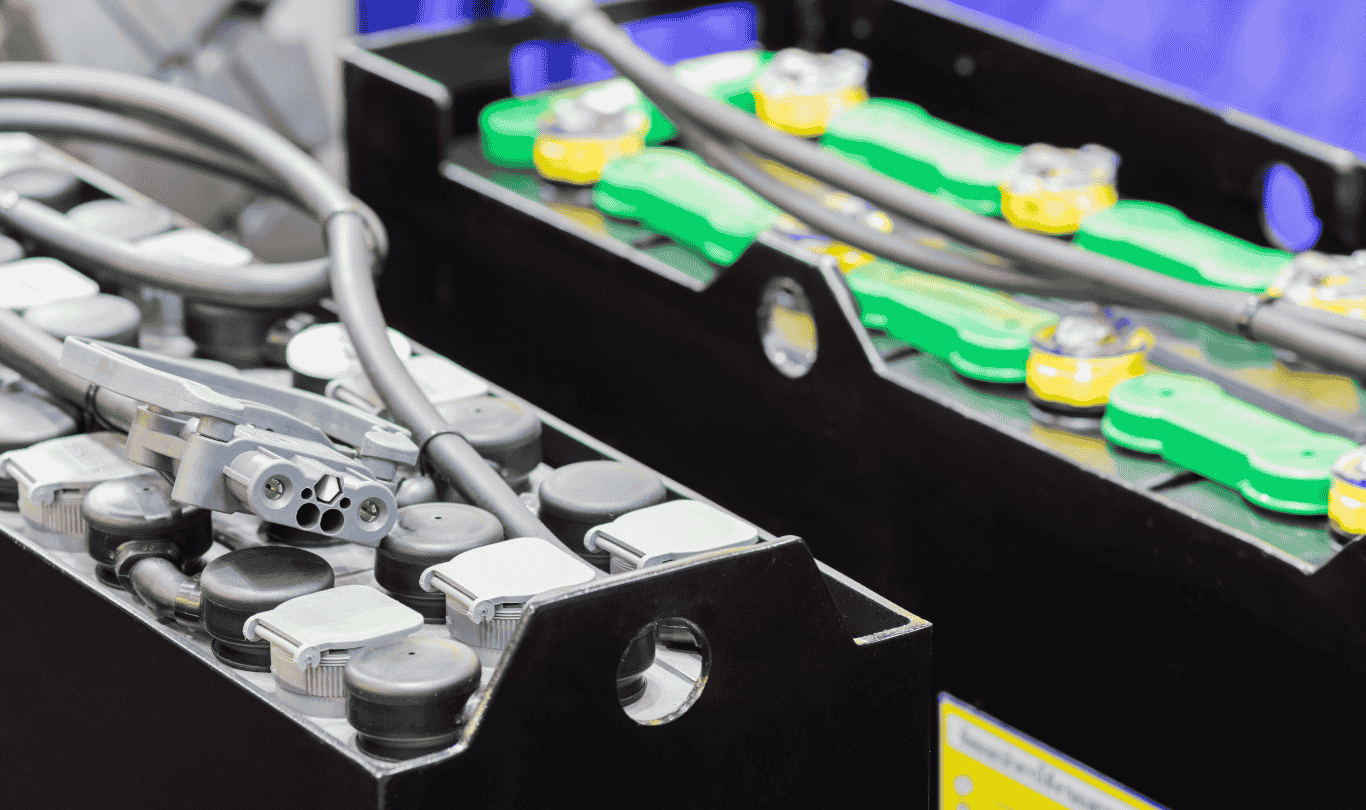
In cold storage, forklifts are subject to extreme conditions that put additional strain on batteries. Standard forklift battery, typically designed for ambient temperature environments, perform poorly under cold storage conditions due to:
-
Battery discharge instability: Low temperatures reduce the battery’s ability to hold a charge, leading to frequent recharging.
-
Voltage drop: Cold environments cause a rapid decrease in battery voltage, especially when used in high-lift or heavy-load situations.
-
Increased charging time: Batteries take significantly longer to recharge in cold environments, disrupting operations.
-
Premature battery failure: Exposure to sub-zero temperatures accelerates wear and tear on standard batteries, shortening their lifecycle.
These issues directly impact uptime, productivity, e costi operativi.
2. Cold Storage Battery Challenges — Overview Table
Before diving into the specifics of cold-rated batteries, the table below summarizes the core challenges faced by forklift batteries in cold storage environments.
📊 Cold Storage Forklift Battery Challenges
| Challenge | Impact on Battery Performance | Design Priority |
|---|---|---|
| Low temperature operation | Reduced charge capacity and efficiency | Cold-rated battery design |
| Long shift durations | Frequent recharging and downtime | Extended battery life and shift coverage |
| High lift and heavy loads | Increased battery discharge under load | High-performance battery under cold conditions |
| Frequent charging cycles | Accelerated battery wear | Faster charging and more durable batteries |
| Temperature fluctuations | Increased risk of condensation and damage | Enhanced sealing and thermal management |
Cold storage batteries must be engineered to handle sub-zero temperatures consistently, not just in short bursts.
3. Cold-Rated Battery vs Standard Battery
Cold-rated forklift batteries are specifically designed to operate in environments where the temperature can dip below freezing. The key differences include:
-
Electrolyte formulations that allow the battery to function at low temperatures without freezing
-
Sealed casings to prevent condensation from damaging internal components
-
Enhanced insulation to maintain charge retention during prolonged exposure to cold temperatures
-
Improved discharge control to avoid voltage drop during peak operational demand
These design features make cold-rated batteries more reliable and efficient than standard batteries, even in the harshest cold storage environments.
4. Battery Performance Under -25°C Conditions
Forklift batteries used in cold storage must maintain consistent discharge and charging performance in temperatures as low as -25°C. Cold-rated batteries are engineered to:
-
Minimize voltage drop even during high-lift cycles in freezing temperatures
-
Ensure consistent battery charge retention e shorter charging times under cold conditions
-
Handle long shifts without degrading battery capacity
-
Prevent condensation within the battery, ensuring no electrical failures from moisture buildup
Cold-rated batteries provide up to 30% more reliable uptime e longer operational hours compared to standard batteries under the same conditions.
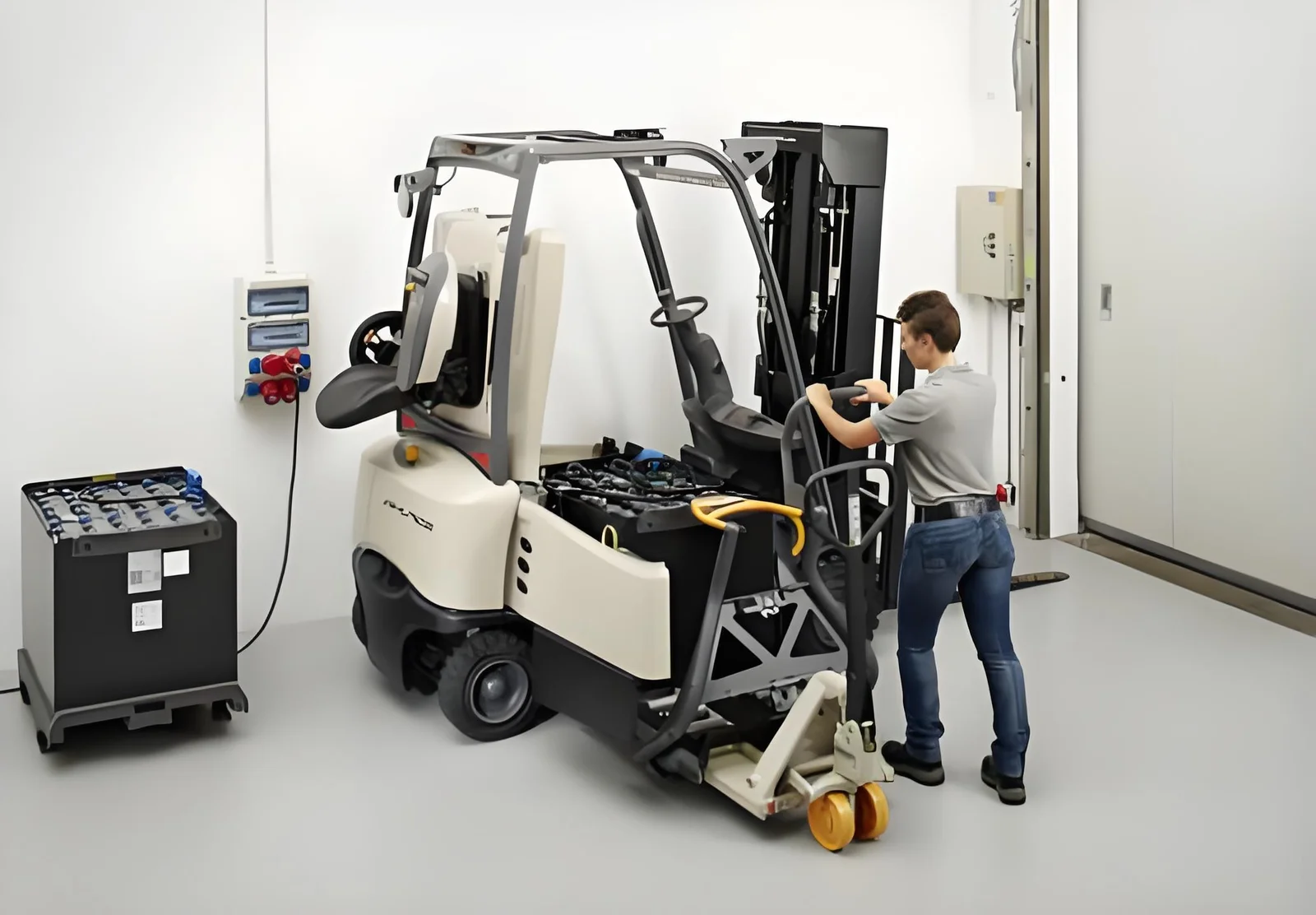 5. Battery Charging and Maintenance in Cold Storage
In cold storage, battery charging and maintenance become critical to operational continuity.
Cold-rated batteries feature:
-
Optimized charging algorithms that adjust for lower temperatures, ensuring faster recharging cycles and higher energy efficiency.
-
Thermal management that prevents overheating during charging, a frequent issue with standard batteries in cold environments.
-
Longer service life with fewer charging cycles, thanks to the improved internal components designed for cold storage.
Investing in cold-rated batteries can save costi di manutenzione, migliorare battery lifespan, and reduce the risk of downtime due to charging-related failures.
6. When Cold-Rated Batteries Are Not the Right Choice
Cold-rated batteries may not be necessary in certain applications:
-
Ambient or lightly chilled warehouses: Where temperatures do not fall below freezing, standard batteries are more cost-effective.
-
Short-duration cold storage operations: If a warehouse operates at low temperatures for only brief periods, standard batteries may suffice.
However, in high-volume, long-duration cold storage environments, especially those operating below -18°C, cold-rated batteries offer a much higher ROI due to their superior performance and durability.
7. Common Battery Selection Mistakes in Cold Storage
-
Choosing standard batteries for cold storage: Increases downtime and reduces forklift efficiency.
-
Underestimating charging needs: Cold environments prolong charging cycles and reduce battery output.
-
Not considering long-term battery maintenance: Cold-rated batteries cost more upfront but provide much lower operating and replacement costs over their lifetime.
By carefully evaluating these factors, operators can avoid costly mistakes and ensure they maximize their forklift fleet’s productivity.
8. Google Popular Topics (Contextual Answers)
Why do forklift batteries fail in cold storage?
Because standard batteries cannot handle the voltage instability, slow recharge times, and condensation risks caused by low temperatures.
Are cold-rated forklift batteries worth the extra cost?
Yes, cold-rated batteries provide longer lifespans, better performance, and reduced downtime in frozen environments.
How do cold-rated batteries perform at -25°C?
Cold-rated batteries are designed to operate efficiently and consistently at temperatures as low as -25°C, maintaining high lift and recharge performance.
What’s the difference between cold-rated and standard forklift batteries?
Cold-rated batteries are designed with specialized components to handle low temperatures, whereas standard batteries degrade quickly in cold storage conditions.
How often should cold storage forklift batteries be replaced?
Cold-rated batteries have a longer lifecycle, typically 5–8 years, depending on usage, maintenance, and charging practices.