

 Indonesian
  English
  Russian
  French
  Spanish
  German
  Italian
  Portuguese
  Korean
  Japanese
  Arabic
  Turkish
  Dutch
Dutch 

A Smart Vertical Handling Choice for Cost-Conscious Warehouse Operations
In many warehouses, the key limitation is not horizontal transport speed,
but how efficiently pallets can be lifted, positioned, and retrieved at height without increasing operating cost.
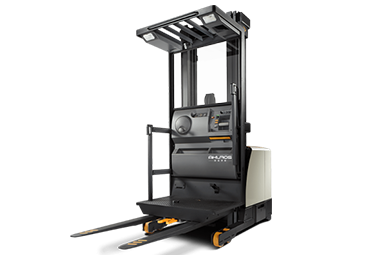
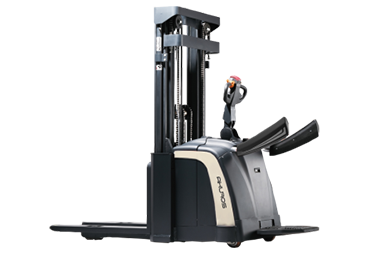
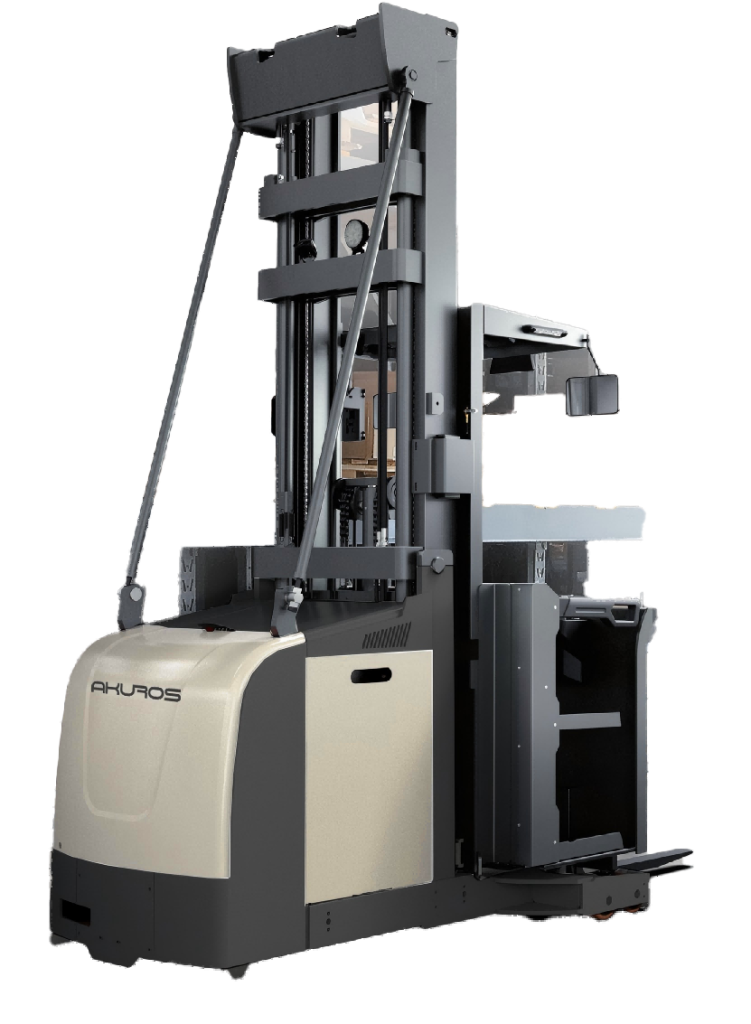
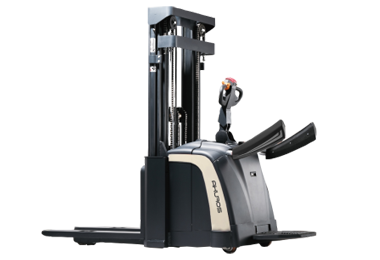
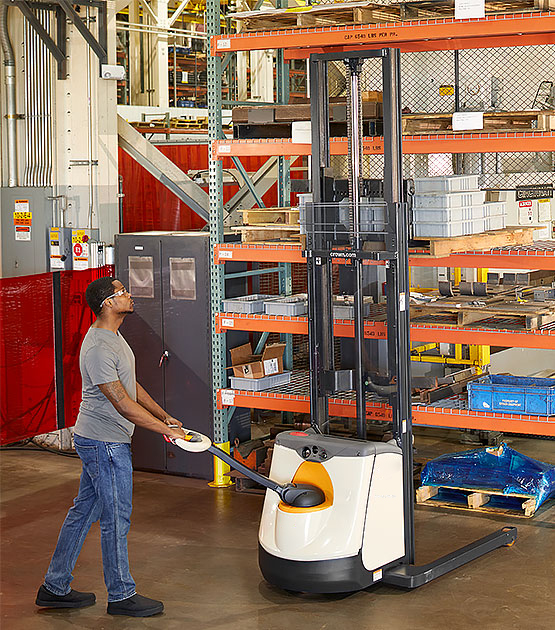
The Akuros Electric Stacker Truck is designed for warehouses that need controlled vertical handling,
offering a practical balance between storage height utilization, equipment size, and investment efficiency.
Key Product Information at a Glance
| Item | Deskripsi |
|---|---|
| Product Category | Electric Stacker Truck |
| Primary Use | Vertical pallet lifting & stacking |
| Operating Concept | Compact electric lifting solution |
| Load Range | Light to medium pallet loads |
| Lift Height Options | Multiple mast heights available |
| Drive & Lift | Fully electric |
| Operator Position | Walk-behind / Optional ride-on |
| Working Environment | Indoor warehouse |
| Aisle Compatibility | Narrow to standard aisles |
| Configuration | Customizable to layout needs |
How the Akuros Electric Stacker Fits Warehouse Planning Logic
Designed Around Storage Height Utilization
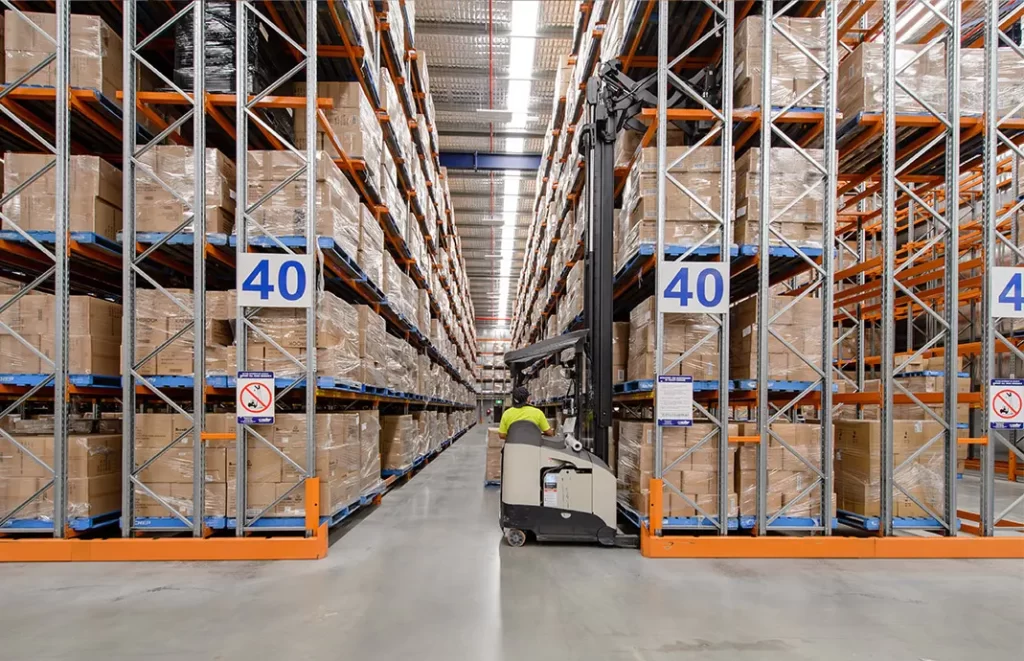
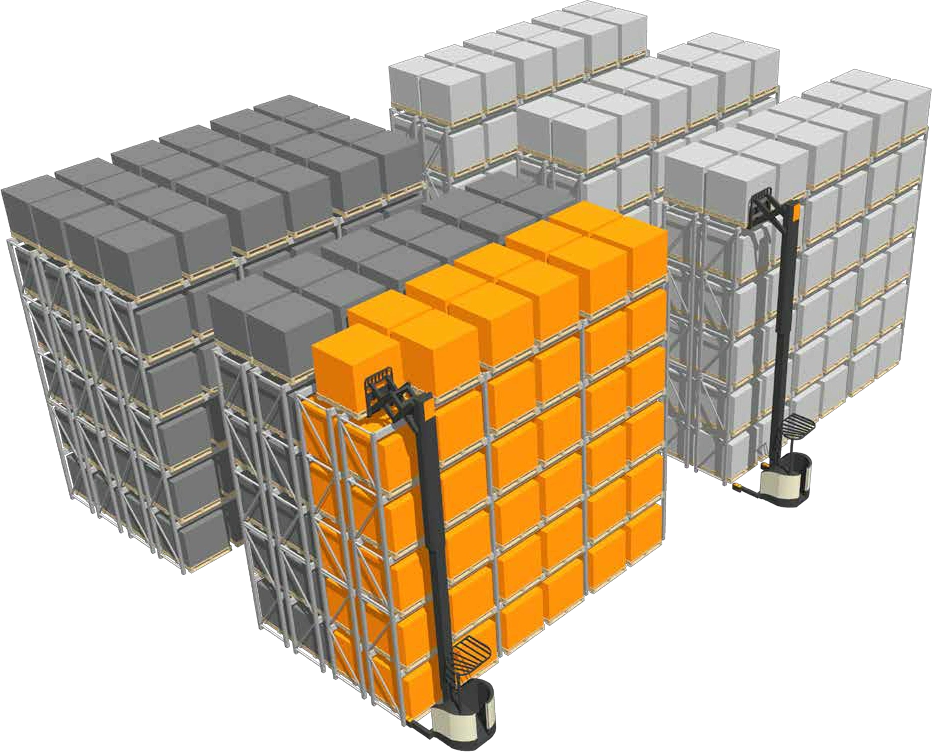
Rather than focusing on travel speed, the electric stacker is optimized to extend usable storage height in warehouses where floor space is already fixed. This enables higher pallet positioning without introducing larger forklifts.
Compact Equipment with Predictable Operation
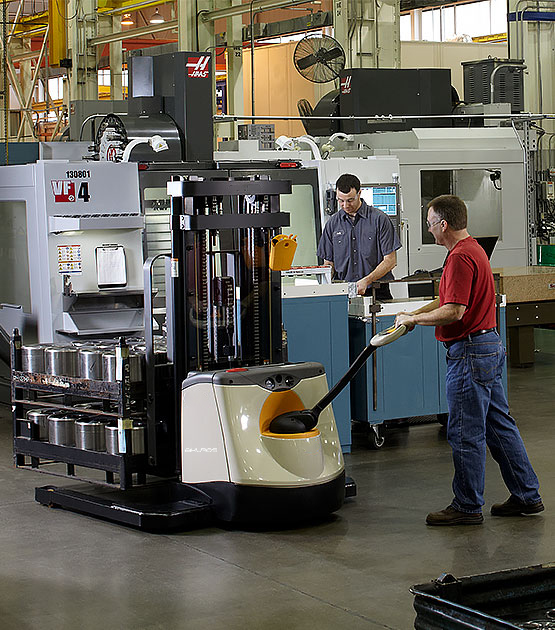
The slim chassis and simplified control system allow operators to work confidently in confined areas. This makes the stacker particularly suitable for dense storage zones and secondary stacking areas.
Balanced Investment for Growing Warehouses
For operations transitioning from manual handling to powered equipment, electric stackers offer a measured step forward—improving efficiency while keeping acquisition and maintenance costs under control.
Skenario Aplikasi Umum
The Akuros Electric Stacker Truck is commonly deployed in:
-
Warehouses expanding vertical storage levels
-
Retail and wholesale backroom storage
-
Manufacturing buffer and staging zones
-
Logistics facilities handling standardized pallets
-
Operations upgrading from manual pallet trucks
In these environments, the stacker supports organized storage growth without over-equipment.
Planning Considerations Before Selection
When evaluating an electric stacker truck, warehouse planners should consider:
-
Required stacking height and pallet weight
-
Aisle width and turning space
-
Daily lift frequency
-
Operator skill level and safety requirements
Akuros provides configuration guidance to ensure the stacker aligns with real operational conditions.
Practical Suitability Checklist
The Akuros Electric Stacker Truck is well suited if your warehouse needs:
-
Improved use of vertical storage space
-
Compact equipment for confined areas
-
Electric handling with low operating noise
-
A cost-controlled alternative to larger forklifts
-
Reliable stacking performance for daily operations
Pertanyaan yang Sering Diajukan (FAQ)
Q1: What role does an electric stacker play in warehouse operations?
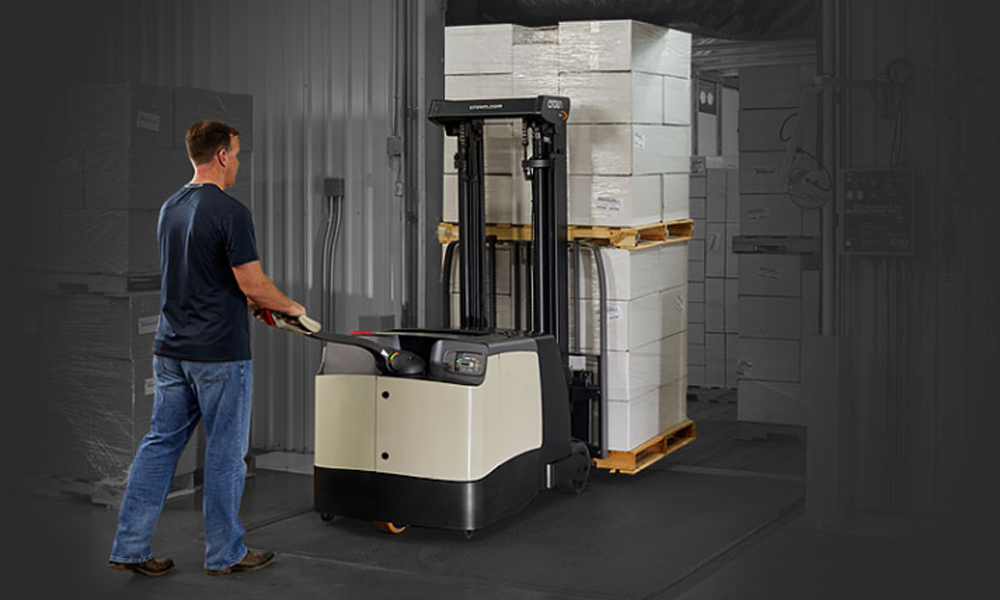
A: It is used for vertical pallet lifting and stacking where full-size forklifts are unnecessary or inefficient.
Q2: Is an electric stacker suitable for regular daily use?
A: Yes. It is designed for consistent indoor stacking tasks within light to medium duty cycles.
Q3: How does an electric stacker differ from a reach truck?
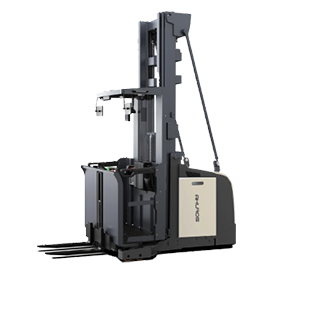
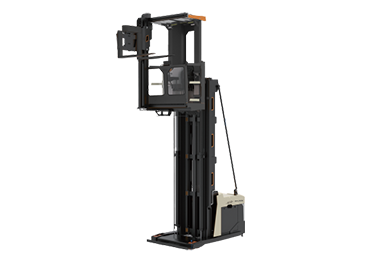
A: Reach trucks are designed for high-level racking and longer travel distances, while electric stackers focus on compact vertical handling.
Q4: Can the electric stacker operate in narrow aisles?
A: Yes. Its compact footprint makes it suitable for narrow to standard aisle layouts.
Q5: Can the stacker configuration be adjusted later?
A: Yes. Mast height and operating configuration can be selected or adjusted based on storage needs.
Closing Summary
The Akuros Electric Stacker Truck provides a measured and efficient approach to vertical pallet handling.
By focusing on storage height utilization, compact operation, and cost balance, it supports warehouses looking to improve organization without introducing unnecessary complexity.