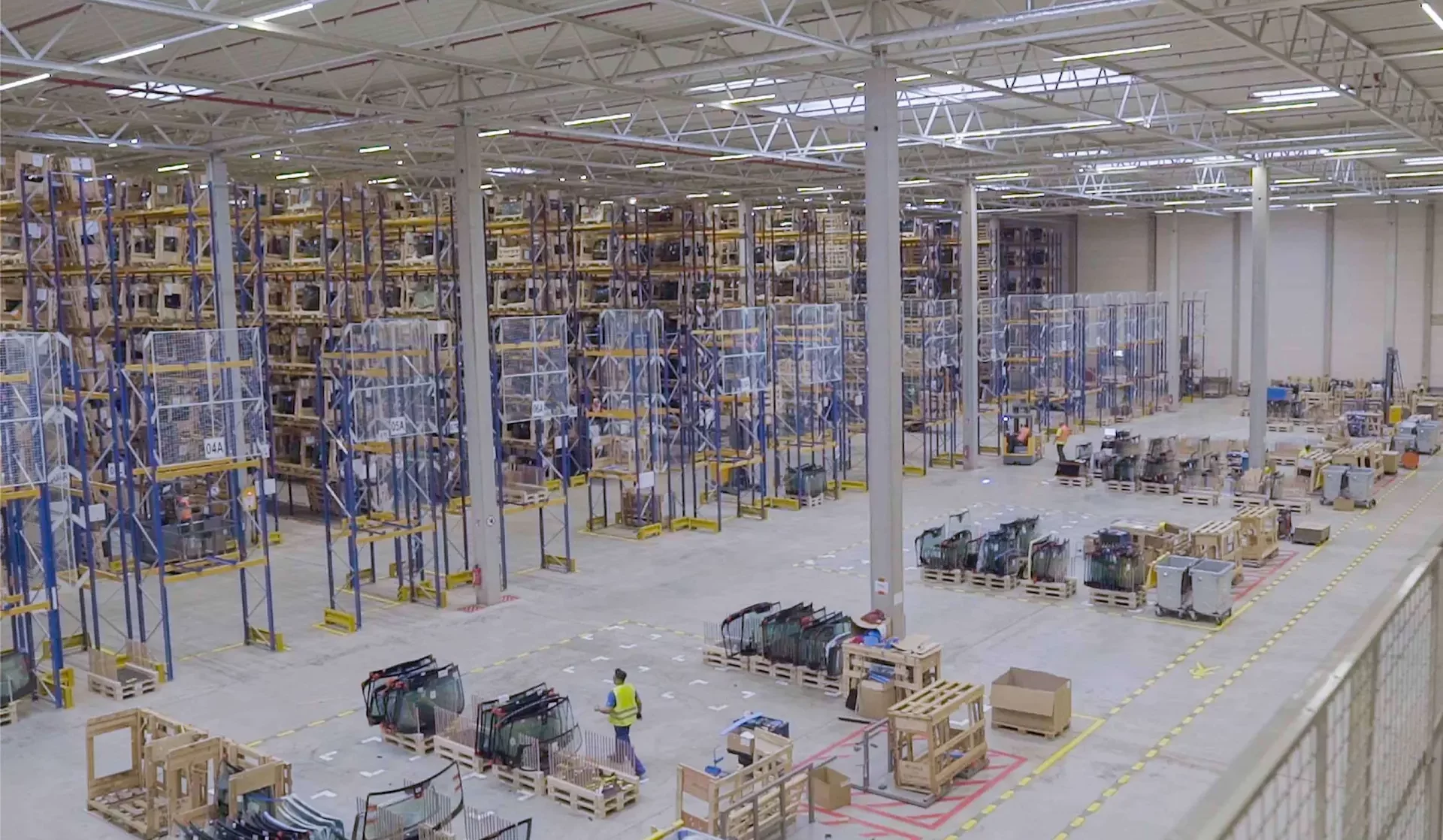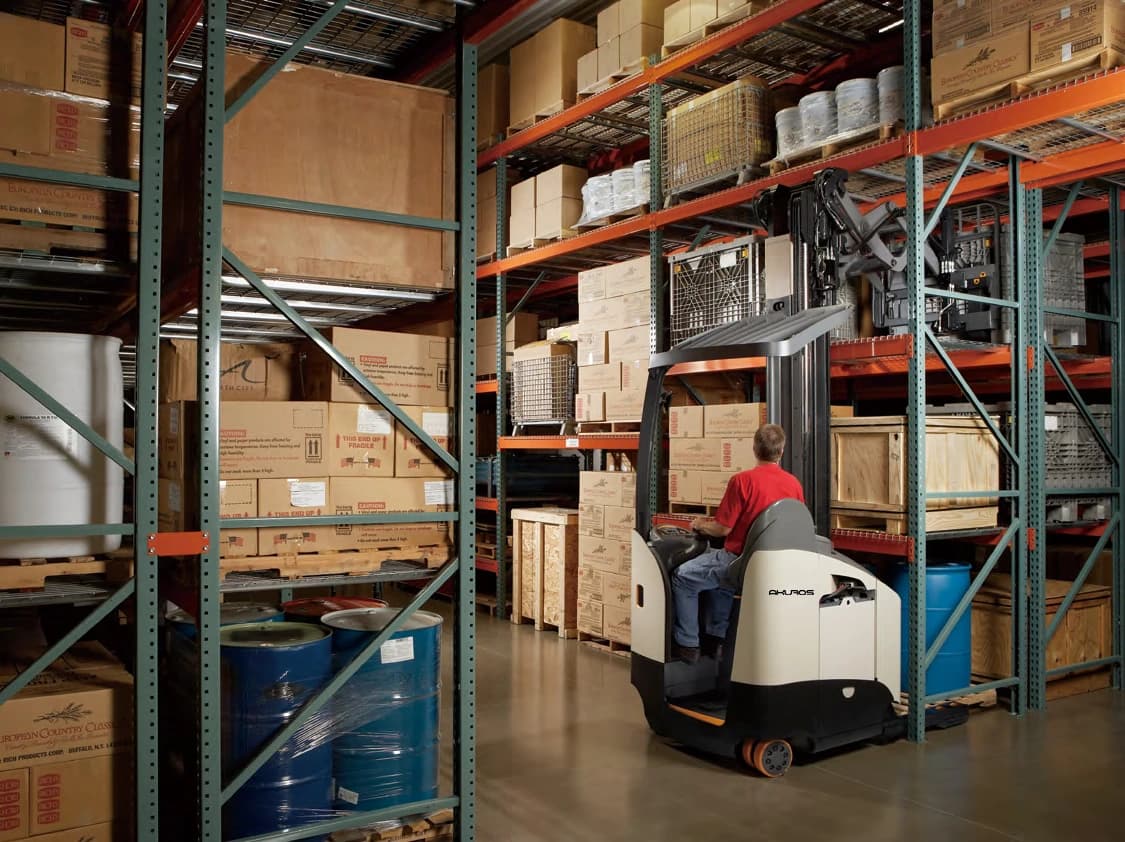


Cold storage planning should connect racking, forklifts, batteries, tires and safety protection.When every square meter is expensive to cool, equipment matching becomes a warehouse efficiency decision, not just a product purchase.
Value We Deliver for Cold Chain Operations
Cold chain warehouses need more than isolated equipment. Akuros helps buyers connect storage density, handling speed, low-temperature reliability and safety protection into one practical operating system.
❄
Higher Storage Density
Maximize pallet positions in expensive cold storage space with suitable racking systems and aisle planning.
▣
Reliable Cold Performance
Match forklifts, batteries and tires to low-temperature working conditions and long-shift operation.
↗
Faster Handling Flow
Optimize pallet movement around freezer doors, loading buffers, dispatch lanes and storage aisles.
◇
Safer Warehouse Routes
Protect racks, freezer doors, corners and forklift routes with anti-collision equipment and safety planning.
Cold Chain Solution Matrix
This matrix helps buyers match temperature zones with storage pressure, handling risk and suitable Akuros equipment.
Temperature Zone
Typical Challenge
Recommended System
Best-Fit Akuros Equipment
Chilled Area 0°C to 5°C
High SKU variety, frequent access and fast movement between storage and dispatch.
Flexible pallet handling and accessible storage layout.
Send Akuros your warehouse layout, temperature range, pallet size, load weight, storage height, aisle width and daily pallet movement. Our team will recommend the right equipment combination for your cold chain operations.
A reliable cold chain warehouse is built in layers. Storage systems, material handling equipment, power planning and safety protection should work together instead of being purchased as separate items.
1
Storage Systems
Drive-in racking, double deep racking, narrow aisle racking and beam racks support different storage density and access requirements.
Akuros cold chain warehouse solutions can be adapted to different refrigerated and frozen storage environments, from food warehouses to healthcare cold chain distribution.
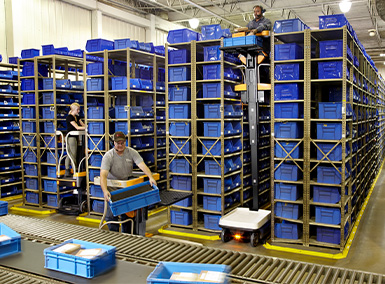
Frozen Food Warehouse
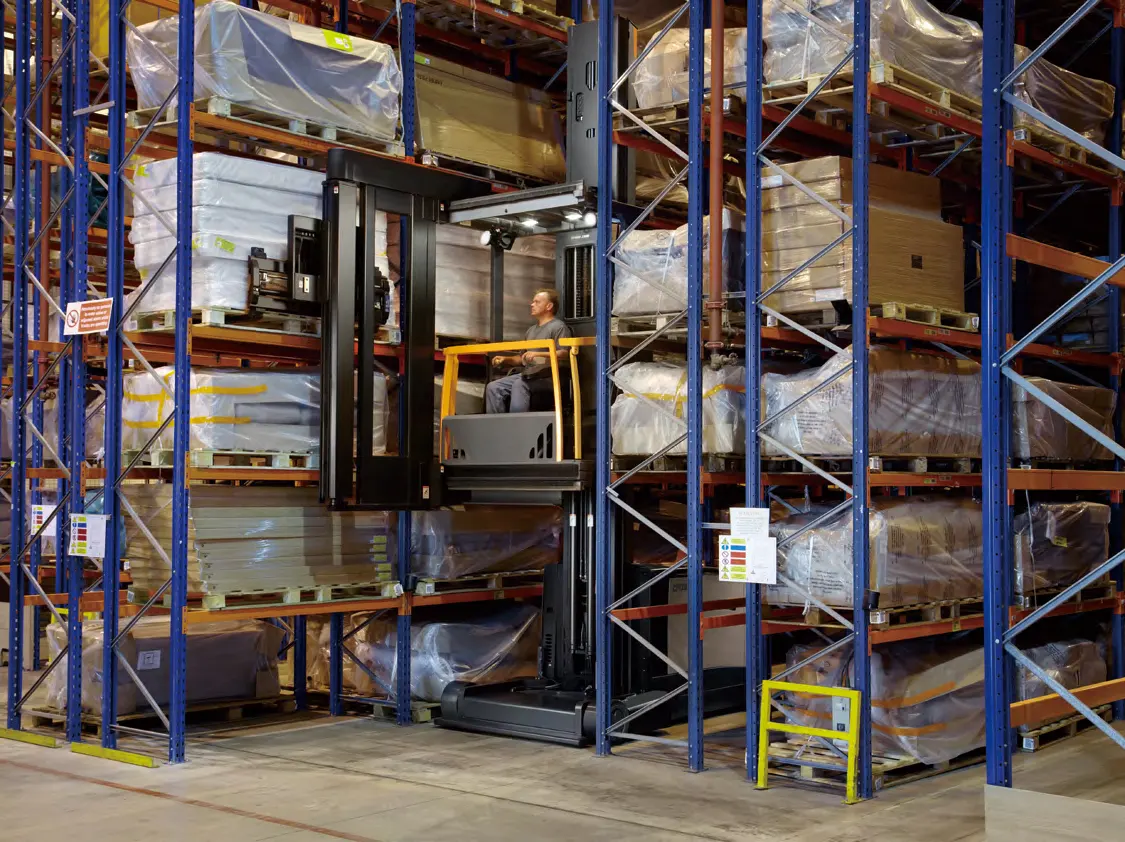
Use high-density storage, reliable pallet transfer and battery planning to improve capacity in frozen food warehouses.
Meat & Seafood Cold Storage
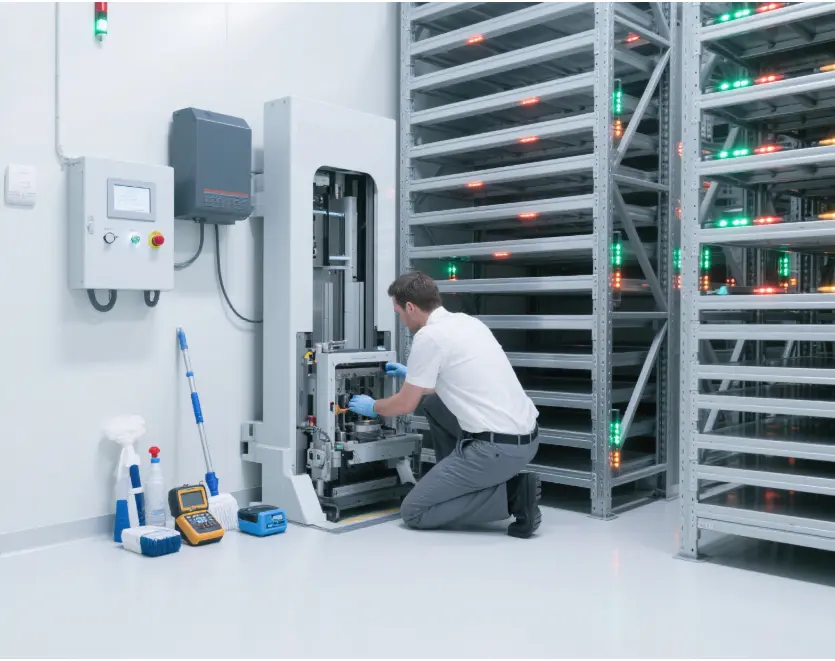
Batch storage often benefits from dense racking, safe pallet movement and protection around narrow freezer aisles.
Pharmaceutical Cold Chain
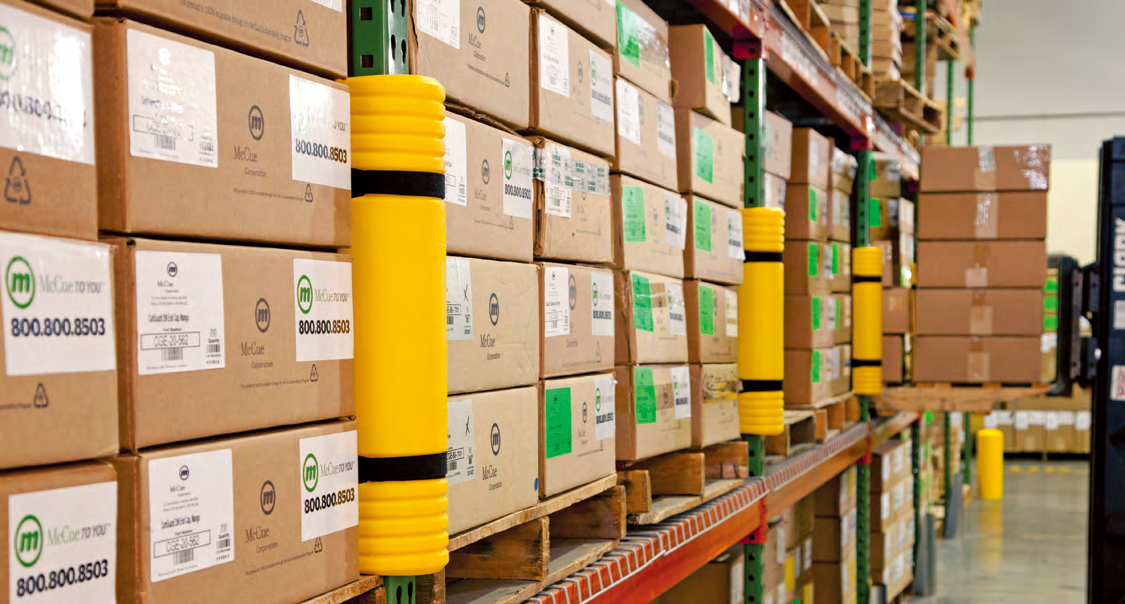
Healthcare-related cold storage needs cleaner organization, accurate access and stable handling routes.
لوجستيات سلسلة التبريد
Fast transfer, mixed pallets, loading buffers and high traffic require pallet handling plus route protection.
If This Happens in Your Cold Storage, Choose This
This selection logic helps buyers avoid choosing equipment only by catalog name. Cold chain planning should start from workload, access frequency, temperature zone and future expansion.
If SKU variety is low → choose drive-in racking
Drive-in racking is suitable for batch storage where products are stored in larger quantities and high pallet density is the main priority.
If access frequency is high → choose double deep racking
Double deep racking supports higher density than standard selective storage while keeping better access than deep-lane storage.
If door-open time is long → optimize pallet transfer routes
Use pallet trucks, route planning and loading buffer control to reduce unnecessary waiting time near cold room doors.
If floor conditions are demanding → review tires early
Polyurethane tires should be considered when floor compatibility, stability and handling comfort matter in cold storage routes.
If working shifts are long → plan battery capacity first
Battery selection affects working time, charging rhythm, maintenance planning and standby equipment requirements.
If expansion is expected → keep automation-ready space
Reserve route flexibility and structural planning for future AGVs, automation upgrades or increased pallet movement.
Common Cold Chain Warehouse Mistakes to Avoid
Cold storage projects are expensive to modify after installation. These mistakes should be checked before confirming racking layout, forklift route, battery system or safety equipment.
Maximizing density without checking turnover
High-density storage can become inefficient when SKUs require frequent access or fast replenishment.
If turning radius and aisle width are not matched, the warehouse may suffer from slow handling and rack damage.
Leaving freezer door protection too late
Door-area damage can interrupt operations. Protection should be planned before daily traffic begins.
Using normal warehouse logic for cold rooms
Cold storage requires different thinking around energy cost, safety, floor conditions and equipment reliability.
Final Recommendation for Cold Chain Warehouse Planning
For cold chain warehouses, the safest approach is to plan storage density, forklift routes, battery performance, tire selection, door-area traffic and protection equipment as one connected system. If your priority is pallet capacity, start with drive-in or double deep racking. If your priority is fast movement, focus on pallet transfer routes and access efficiency. If your warehouse operates long shifts in low-temperature zones, evaluate forklift battery planning before confirming the fleet.
What is a cold chain warehouse solution?
A cold chain warehouse solution is a storage and material handling system designed for refrigerated, chilled or frozen warehouse environments. It usually includes racking systems, forklifts, batteries, tires, traffic routes and safety protection equipment.
Which racking system is suitable for cold storage warehouses?
Drive-in racking and double deep racking are often suitable for cold storage warehouses that need higher pallet density. The right choice depends on SKU variety, pallet turnover, access frequency, FIFO or LIFO requirements and forklift operation routes.
Why is forklift battery selection important in cold chain warehouses?
Forklift battery selection is important because low-temperature operation can affect working time, charging rhythm, maintenance planning and equipment reliability. Buyers should evaluate shift length and charging conditions before choosing a battery solution.
Can Akuros provide customized cold chain warehouse recommendations?
Yes. Akuros can provide customized cold chain warehouse recommendations based on temperature range, warehouse layout, pallet size, load weight, storage height, aisle width, daily handling volume, SKU structure and safety requirements.
Should cold chain buyers choose racking or forklifts first?
Cold chain buyers should plan racking and forklifts together. Racking density, aisle width, forklift turning radius, battery planning, tire selection and safety protection must work as one warehouse system.
احصل على عرض أسعار مجاني
اتصل بنا للحصول على عروض أسعار مجانية ومزيد من المعرفة المهنية حول المنتج. سنقوم بإعداد حل احترافي لك.