

 Arabic
  English
  Russian
  French
  Spanish
  German
  Italian
  Portuguese
  Korean
  Japanese
  Turkish
  Indonesian
  Dutch
Dutch 

ملخص سريع: A Counterbalanced Truck is one of the most flexible warehouse material handling machines for pallet movement, loading docks, manufacturing plants, logistics centers, and heavy-duty warehouse operations. In 2026, buyers should choose a warehouse counterbalanced truck by load capacity, power type, lift height, aisle width, battery system, safety features, total cost of ownership, and supplier support.
Buying a شاحنة متوازنة in 2026 is not just about choosing a forklift with enough lifting power. A warehouse manager may need cleaner indoor handling. A logistics company may need faster pallet movement. A manufacturing plant may need a reliable truck for loading docks and production line feeding. A building material warehouse may need a truck that can handle heavy pallets, dense products, and frequent loading cycles without creating safety or maintenance problems.
The wrong counterbalanced truck can cause aisle congestion, slow loading speed, poor battery efficiency, high maintenance cost, unstable lifting, operator fatigue, and unnecessary downtime. The right truck, however, can improve material flow, reduce labor waste, support safer operation, and make warehouse handling more predictable. That is why this buying guide focuses on real selection logic: load capacity, lift height, turning radius, battery type, working environment, operator safety, total cost, and supplier reliability.
For buyers comparing warehouse equipment options, a dedicated شاحنة متوازنة product page is a useful starting point because it allows procurement teams to evaluate capacity, structure, power configuration, application scenarios, and customization direction before discussing a final purchase plan.
شاحنة متوازنة
What Is a Counterbalanced Truck?
Counterbalanced Truck Explained in Simple Terms
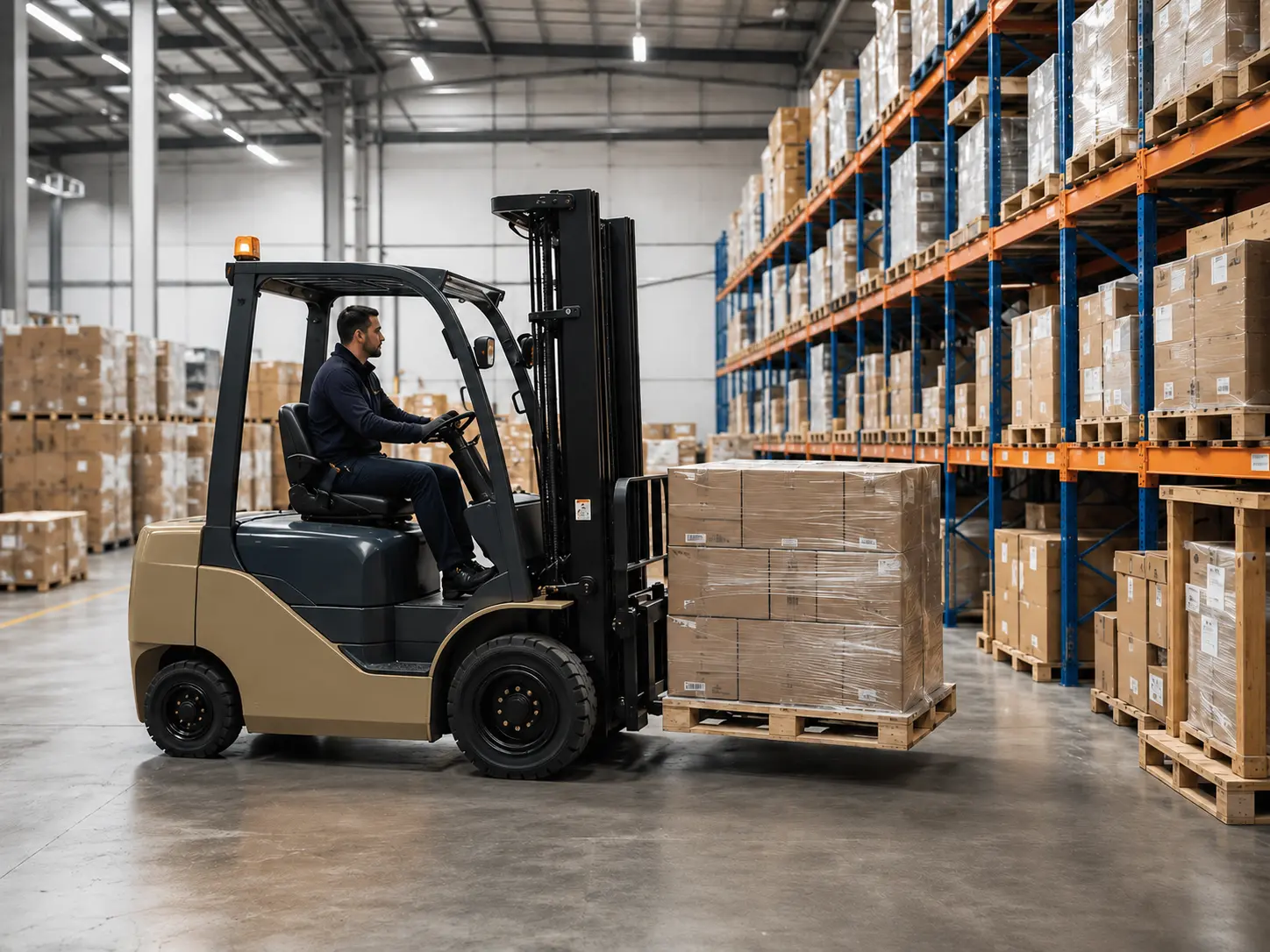
A Counterbalanced Truck is a material handling vehicle with forks at the front and a counterweight at the rear. The rear counterweight balances the load carried on the forks, allowing the truck to lift, move, stack, and transport pallets without using external stabilizing legs. This design makes the truck highly flexible for warehouse aisles, loading docks, production zones, storage yards, and distribution centers.
Unlike reach trucks, which are mainly designed for high racking and narrow aisles, counterbalanced trucks can usually drive directly up to pallets, trucks, containers, racks, and loading areas. This direct-access ability makes them valuable for general warehouse handling, especially where goods must move between storage, staging, trucks, and production lines.
Common Applications in Warehouses
Counterbalanced trucks are commonly used for pallet loading and unloading, truck and container handling, warehouse transfer, manufacturing line feeding, retail distribution, building material handling, cold storage logistics, and outdoor yard movement when the truck type is suitable. They can support many industries, including logistics, food distribution, manufacturing, construction materials, retail warehousing, e-commerce fulfillment, and heavy-duty product storage.
For buyers trying to understand practical use cases, the article on the top applications of Counterbalanced Trucks in modern warehouses helps connect the equipment with real warehouse operations such as loading docks, pallet staging, inventory transfer, and production support.
Counterbalanced Truck vs Other Warehouse Trucks
Counterbalanced Truck vs Reach Truck
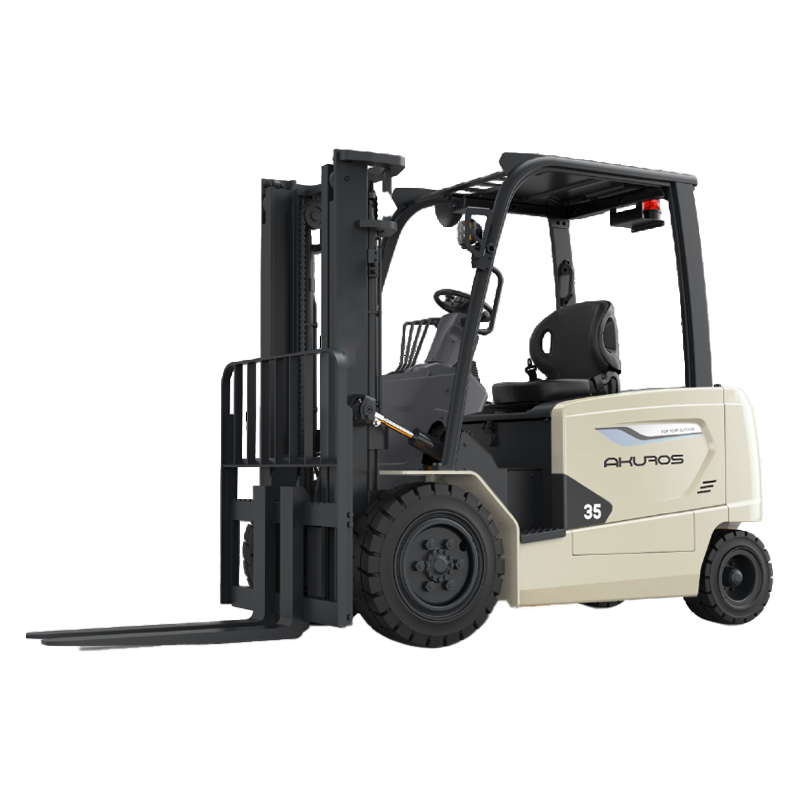
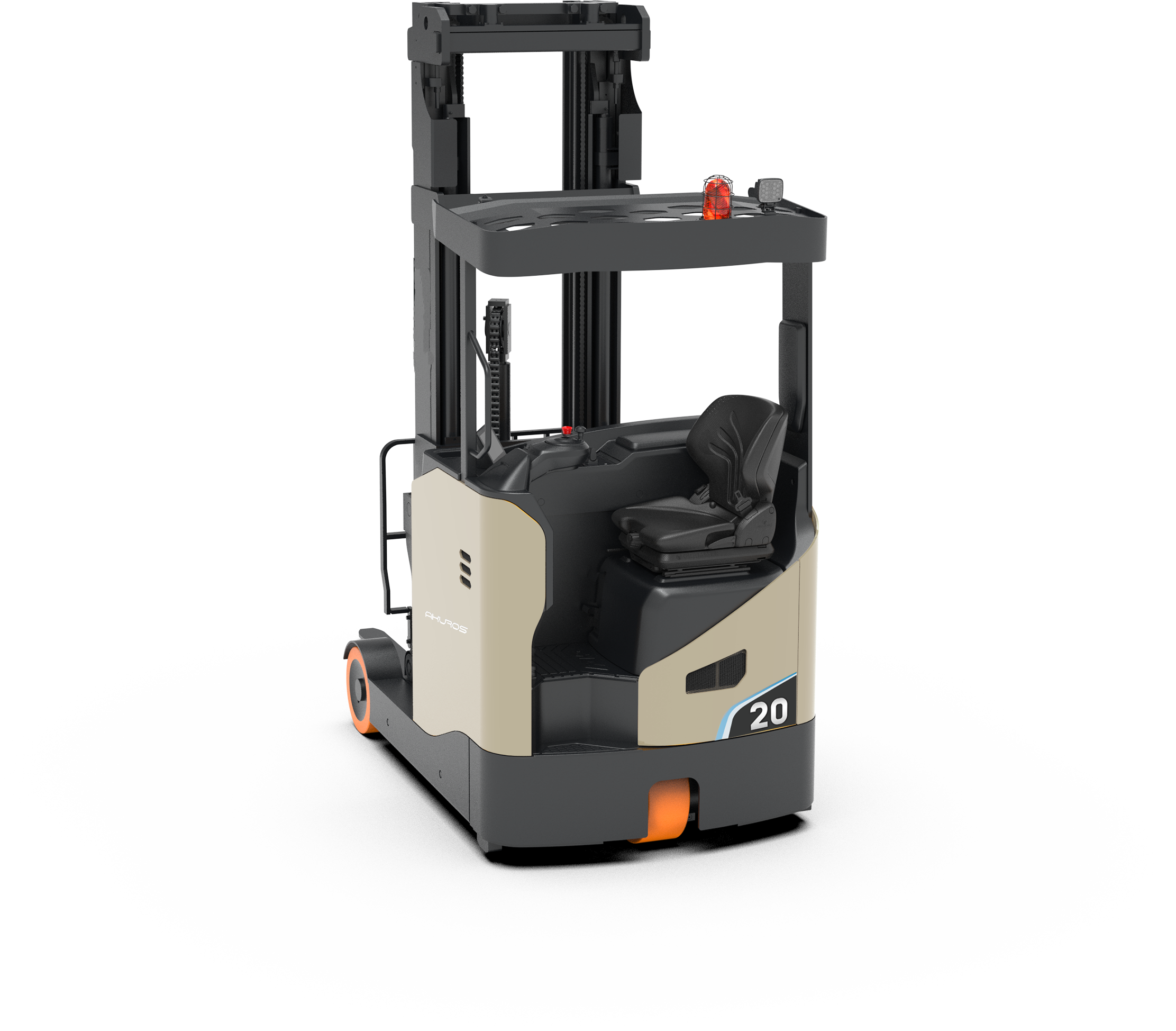
A counterbalanced truck is better for flexible warehouse handling, loading docks, outdoor or mixed-use operations, and direct pallet access. A reach truck is better for narrow aisles and high racking systems. If your warehouse focuses mainly on dense rack storage, a reach truck may improve vertical storage density. If your warehouse needs a flexible machine for pallets, trucks, docks, staging, and mixed handling, a counterbalanced truck is often more practical.
 شاحنة موازنة |
 شاحنة التوصيل |
Counterbalanced Truck vs Pallet Truck
Pallet trucks are simpler and cheaper, but they are mainly designed for horizontal pallet movement. They cannot lift high, stack pallets, or handle loading dock tasks in the same way as counterbalanced trucks. For warehouses that only move pallets over short distances, pallet trucks may be enough. For lifting, stacking, loading, and multi-zone transport, a counterbalanced truck is the stronger choice.
| نوع المعدات | Best Use | الميزة الرئيسية | Main Limitation |
|---|---|---|---|
| شاحنة متوازنة | General warehouse handling and loading docks | Flexible direct pallet access | Needs wider aisles than reach trucks |
| شاحنة التوصيل | High racking and narrow aisles | Better vertical storage density | Less suitable for dock and outdoor work |
| شاحنة منصات نقالة | Horizontal pallet movement | Low cost and easy operation | Limited lift height |
| VNA Truck | Very narrow aisle warehouses | Maximum storage density | Higher layout dependency |
Key Buying Factors Before Choosing a Counterbalanced Truck
Load Capacity: Do Not Buy Too Small or Too Large
Load capacity is the first serious buying factor. Many warehouse counterbalanced trucks are selected in capacity ranges such as 1.5 tons, 2 tons, 2.5 tons, 3 tons, or higher depending on application. But rated capacity is not the whole story. Buyers must also consider load center, pallet dimensions, lifting height, attachment weight, floor condition, and safety margin.
If your average pallet weighs less than 1.5 tons, a smaller electric counterbalanced truck may be enough. If your loads vary between 2 and 3 tons, choose a model with appropriate reserve capacity. If you use attachments such as fork positioners, clamps, rotators, or extended forks, remember that the attachment may reduce effective capacity. If your warehouse handles stone, steel, machinery, or dense materials, do not estimate the load. Weigh it. Guessing load weight is warehouse comedy until gravity joins the meeting.
Lift Height and Mast Type
Lift height affects racking access and stacking ability. Buyers should compare standard mast, duplex mast, triplex mast, and free-lift options. The mistake many buyers make is choosing only by maximum lift height. You should also check lowered mast height, ceiling clearance, container access, door height, rack beam height, and working environment.
If a truck can lift high enough but cannot pass through your warehouse door, it is not a solution. If the mast blocks visibility, operator accuracy may suffer. If the truck cannot safely lift the load at the required height, the rated capacity on paper becomes less useful in real operation.
Turning Radius and Aisle Width
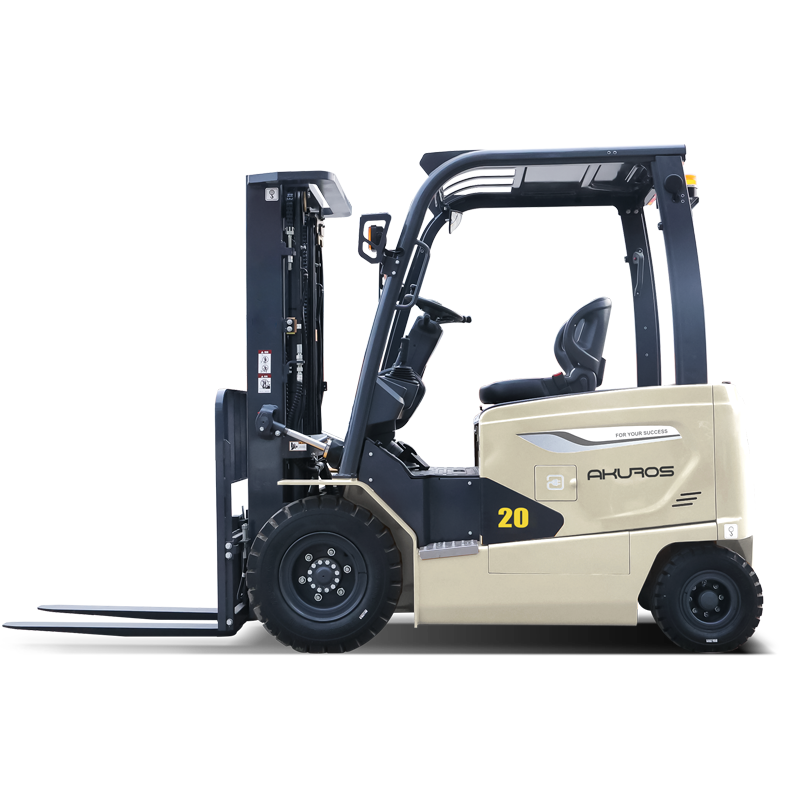
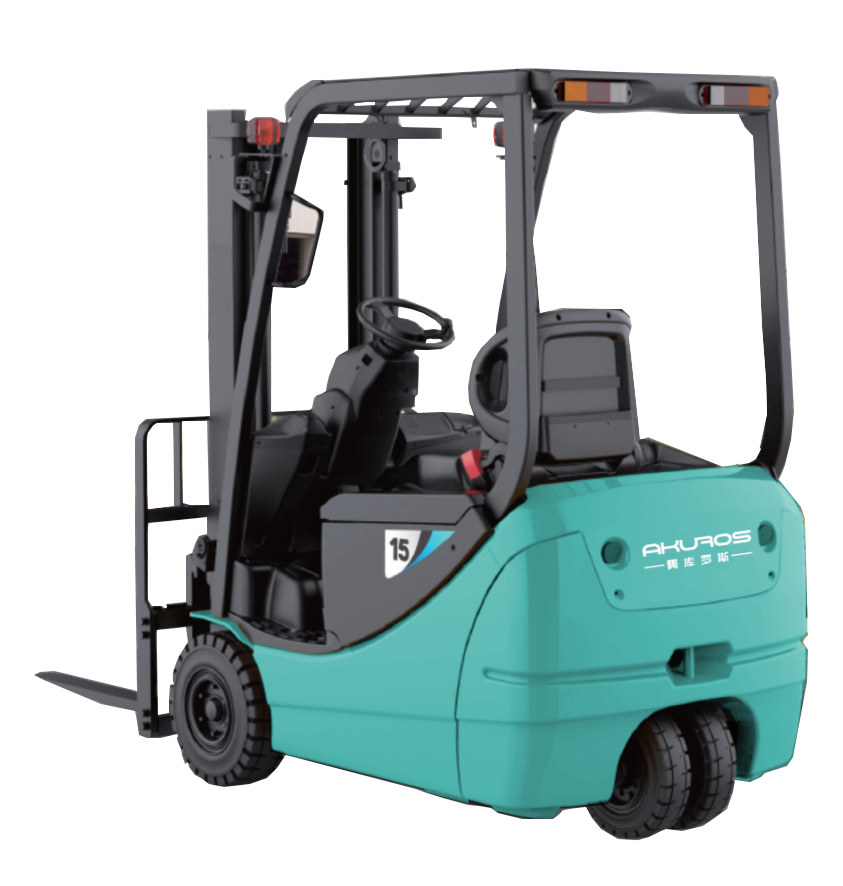
Counterbalanced trucks generally need more aisle space than reach trucks. Turning radius affects productivity, safety, and warehouse layout efficiency. In narrow indoor warehouses, a 3-wheel electric counterbalanced truck may improve maneuverability. In heavier or outdoor applications, a 4-wheel model may provide better stability.
| Warehouse Condition | Recommended Consideration | Buyer Risk |
|---|---|---|
| Wide aisles | 4-wheel counterbalanced truck | Good stability but larger turning radius |
| Narrower indoor aisles | 3-wheel electric truck | Capacity and surface conditions must be checked |
| High racking | Reach truck may be better | Counterbalanced truck may reduce storage density |
| Loading dock work | Counterbalanced truck suitable | Ramp and floor conditions matter |
 شاحنة موازنة |
 شاحنة موازنة |
Electric, Diesel, LPG, or Lithium: Which Power Type Fits Your Warehouse?
Electric Counterbalanced Truck
Electric counterbalanced trucks are suitable for indoor warehouses, retail distribution, food logistics, pharmaceutical storage, cold chain facilities, and operations where lower noise and cleaner working environments matter. Electric models can reduce indoor emissions and may reduce maintenance compared with engine-powered trucks.
For buyers comparing long-term operating value, the advantages of using Counterbalanced Trucks in warehouses include flexible pallet access, reliable loading support, improved material flow, and better suitability for mixed warehouse tasks when the truck is matched correctly to the site.
Lithium Battery Counterbalanced Truck
Lithium battery counterbalanced trucks are becoming more popular because they support opportunity charging, faster charging cycles, lower battery maintenance, and stable power output. They are especially useful for multi-shift warehouses if charging infrastructure is planned correctly.
However, lithium is not automatically best for every buyer. You should evaluate charger compatibility, battery warranty, local service support, electricity supply, charging schedule, and total cost of ownership. A lithium system that looks efficient on paper can become frustrating if the warehouse has poor charging planning.
Diesel and LPG Counterbalanced Trucks
Diesel counterbalanced trucks remain useful for outdoor yards, heavy-duty handling, rougher environments, and long operating periods where emissions rules allow. LPG trucks may fit mixed indoor/outdoor operations where quick refueling is important. However, diesel and LPG require careful consideration of ventilation, emissions, fuel handling, noise, and maintenance.
For demanding material movement, buyers can also study heavy-duty Counterbalanced Truck handling to understand how capacity, structure, stability, and operating environment affect performance in more demanding warehouse and industrial applications.
| نوع الطاقة | Best Use | الميزة الرئيسية | Buyer Risk |
|---|---|---|---|
| Lead-Acid Electric | مستودع داخلي | Traditional electric option | Battery maintenance and charging room needs |
| Lithium Electric | Multi-shift indoor operation | Fast charging and low maintenance | Higher upfront cost |
| Diesel | Outdoor heavy-duty work | Strong power and endurance | Emissions and noise |
| LPG | Mixed indoor/outdoor use | Quick refueling | Fuel handling requirements |
3-Wheel vs 4-Wheel Counterbalanced Truck
When to Choose a 3-Wheel Model
A 3-wheel counterbalanced truck is usually better for indoor warehouses, tighter aisles, smaller turning radius, retail distribution, and light to medium loads. It helps operators work in confined spaces and improves maneuverability around racks, pallets, and staging areas.
When to Choose a 4-Wheel Model
A 4-wheel counterbalanced truck is often better for general warehouse use, outdoor yards, heavier loads, longer travel distances, and operations requiring stronger stability. It may require more aisle space, but it can be the safer and more practical choice for heavier or mixed-use environments.
Decision logic is straightforward: if your warehouse has tight aisles and lighter loads, consider 3-wheel electric. If your loads are heavy, routes are longer, or the truck works partly outdoors, choose a 4-wheel model with sufficient capacity and suitable tires.
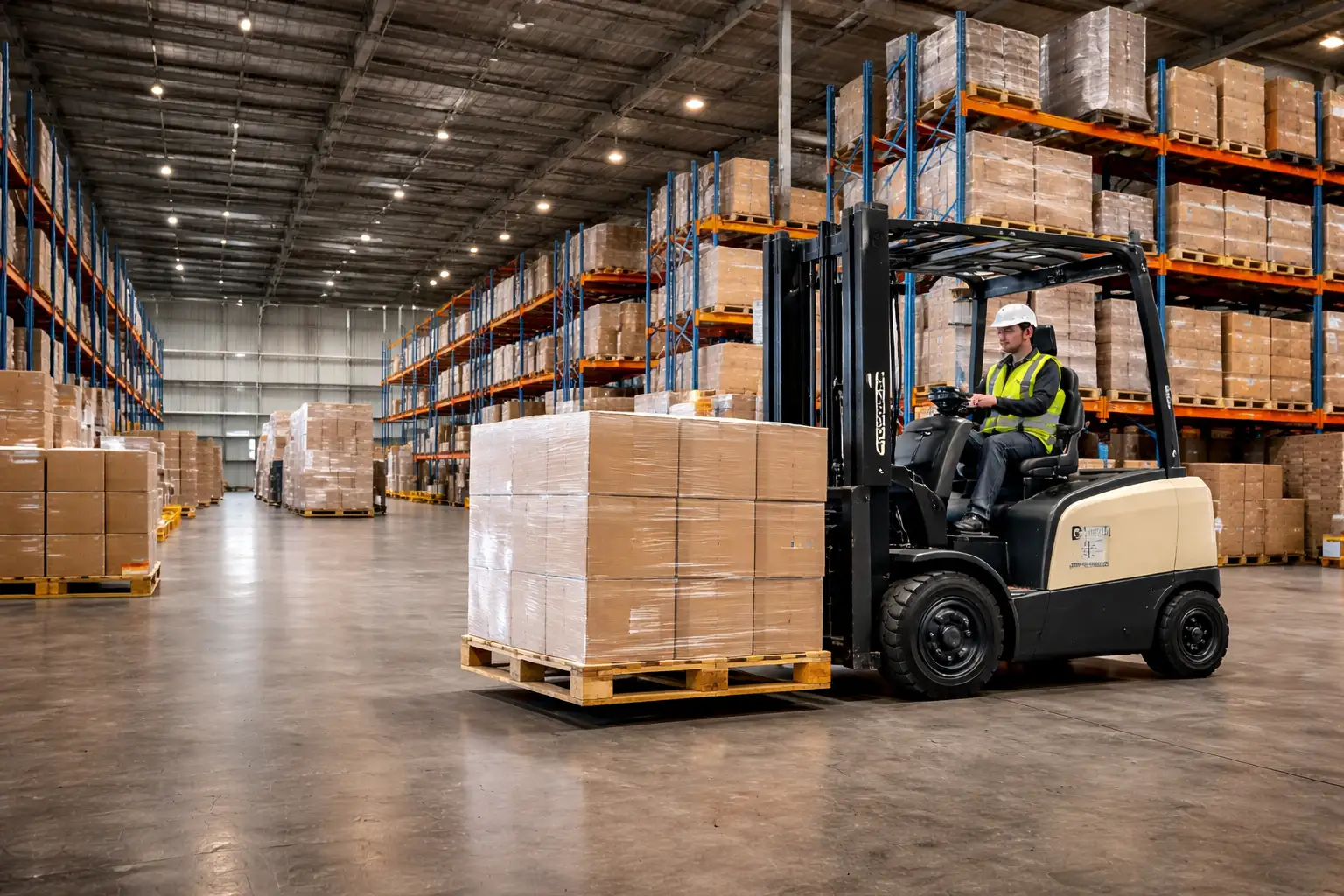
الشاحنات المتوازنة
Safety and Compliance: What Buyers Must Check
Operator Training and Daily Inspection
Counterbalanced trucks are powerful machines, not simple warehouse carts. Buyers should plan for operator training, daily inspection, load capacity awareness, battery or fuel safety, pedestrian traffic control, and maintenance records. In many markets, powered industrial truck operation requires structured training and compliance with local safety rules.
Daily inspection should include brakes, steering, forks, mast, tires, lights, horn, warning devices, hydraulic systems, battery or fuel system, and visible damage. A truck with poor maintenance can create hidden risk even if it was well designed originally.
Safety Features Buyers Should Compare
Useful safety features may include operator presence systems, seat belts, speed control, load backrest, LED warning lights, blue spot lights, rear handle horn, panoramic mirrors, camera systems, stability control, automatic parking brake, emergency stop, anti-slip steps, and clear mast visibility. The best safety package depends on the warehouse environment and traffic pattern.
Total Cost of Ownership: The Real Buying Number
Purchase Price Is Only One Part
The cheapest counterbalanced truck is not always the lowest-cost truck. Total cost of ownership includes purchase price, battery or fuel cost, charger cost, maintenance, tire replacement, downtime, spare parts, operator training, service availability, charging room or fuel storage, and potential product damage caused by poor visibility or unsafe handling.
For example, an electric lithium model may cost more upfront but reduce battery maintenance and support opportunity charging. A diesel model may offer strong outdoor power but require engine maintenance and fuel management. A truck with weak local service may become expensive when downtime stops warehouse operation.
| Cost Factor | Electric / Lithium | Diesel / LPG | Buyer Note |
|---|---|---|---|
| Upfront cost | Medium to high | متوسط | Depends on capacity and configuration |
| Energy / fuel | Often lower for electric | Fuel price varies | Calculate by operating hours |
| الصيانة | Lower for lithium electric | Higher engine maintenance | Service network matters |
| Indoor suitability | قوي | Limited by ventilation | Application driven |
Warehouse Layout: Match the Truck to Your Site
Aisle Width, Floor Condition, and Load Type
Before buying, measure the real warehouse. Do not rely only on building drawings. Check main aisle width, rack aisle width, turning zones, loading dock space, container access, staging areas, pedestrian routes, emergency exits, floor flatness, ramp gradients, dock plates, wet areas, and outdoor ground conditions.
Also check load type. Standard pallets, oversized goods, long materials, drums, cartons, building materials, and heavy industrial products may require different fork lengths, attachments, tires, or capacity ratings. Attachments such as side shifters, fork positioners, clamps, rotators, extended forks, or weighing systems can reduce effective capacity, so the real load chart must be reviewed.
How to Choose a Counterbalanced Truck Supplier
What a Reliable Supplier Should Provide
A reliable supplier should provide load capacity options, electric/diesel/LPG/lithium models, battery and charger details, mast options, tire options, attachments, spare parts support, warranty terms, operator manuals, safety documents, maintenance guidance, after-sales service, customization support, export packing, and delivery schedules.
Before choosing a Counterbalanced Truck supplier, buyers should evaluate manufacturing background, product range, warehouse application knowledge, service capability, and documentation support. A good supplier does not simply sell a truck; it helps match the truck to the warehouse workflow.
Supplier Evaluation Scorecard
| عامل التقييم | Weight | What to Check |
|---|---|---|
| Product Range | 15% | Capacity, power type, mast options |
| ميزات السلامة | 20% | Operator protection and warning systems |
| Battery / Power Support | 15% | Charger, fuel, lithium warranty |
| Service and Parts | 20% | Local service and spare parts availability |
| التخصيص | 10% | Attachments, forks, tire options |
| Documentation | 10% | Manuals, compliance, inspection support |
For buyers who need model recommendations, configuration support, or project discussion, contacting a professional Counterbalanced Truck manufacturer early can help clarify load capacity, mast height, battery plan, aisle limitations, and delivery requirements before purchase mistakes become expensive.
Common Mistakes When Buying a Counterbalanced Truck
Choosing by Rated Capacity Only
Rated capacity depends on load center, lift height, attachment, and mast configuration. A truck rated for one capacity at a low height may not safely handle the same load at a higher lift height.
Ignoring Aisle Width
The truck may have enough lifting power but still be too large for the warehouse. Always measure real turning space, not just rack spacing.
Buying Diesel for Indoor Work Without Ventilation Review
Diesel trucks may be powerful, but indoor use can create emissions and noise concerns. For indoor warehouses, electric or LPG may be more suitable depending on local requirements and site conditions.
Underestimating Battery and Charger Planning
Electric trucks require charging strategy, power supply, battery warranty review, and shift planning. A good electric truck with poor charging planning will still create downtime.
Forgetting Operator Training
A better truck cannot compensate for unsafe operation. Operator training, daily inspection, pedestrian control, and maintenance discipline are essential.
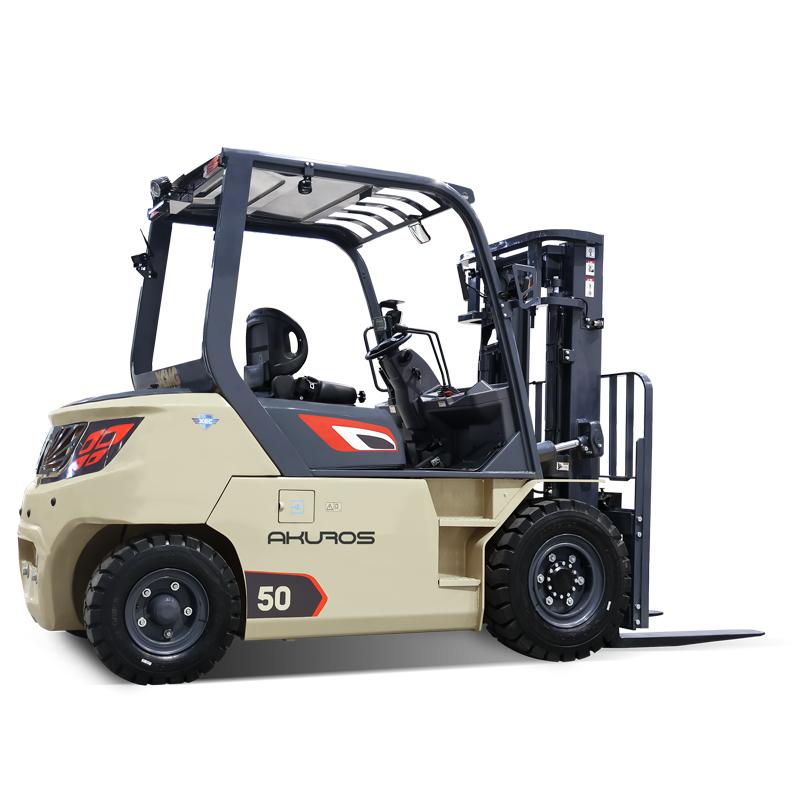
رافعة شوكية متوازنة
Practical Recommendation: Which Counterbalanced Truck Should You Buy?
For general indoor warehouses, choose an electric counterbalanced truck with the right capacity, turning radius, mast height, and battery plan. For multi-shift logistics centers, choose lithium battery models if charging infrastructure and service support are strong. For outdoor heavy-duty handling, choose diesel, LPG, or outdoor-rated electric models depending on emissions rules, ground conditions, and load weight.
For narrower warehouses, consider 3-wheel electric counterbalanced trucks or reach trucks if high racking dominates. For importers and dealers, choose suppliers with a strong model range, documentation, spare parts, warranty, export packing, and customization capability.
Final Buying Insight: Choose the Truck Around the Warehouse, Not the Other Way Around
A Counterbalanced Truck should be selected around the real warehouse workflow. The best truck is not always the strongest, largest, newest, or cheapest model. The best truck is the one that matches your load weight, aisle width, lift height, floor condition, power strategy, operator skill level, maintenance plan, and total cost target.
In 2026, buyers should pay special attention to electric and lithium battery options, safety features, service support, and TCO calculations. A well-selected counterbalanced truck can improve loading speed, reduce downtime, support safer operation, and make warehouse movement more predictable. A poorly selected truck can turn every aisle into a tiny traffic jam with forks. Nobody wants that.
الأسئلة الشائعة
1. What is a Counterbalanced Truck?
A Counterbalanced Truck is a warehouse material handling vehicle with forks at the front and a counterweight at the rear. The counterweight balances the load lifted on the forks, allowing the truck to move pallets, load trucks, stack goods, and support production or warehouse transfer tasks. It is widely used in logistics centers, factories, warehouses, loading docks, retail distribution, and building material handling.
2. What is the difference between a Counterbalanced Truck and a reach truck?
A Counterbalanced Truck is designed for flexible pallet handling, loading docks, warehouse transfer, and direct access to loads. A reach truck is mainly designed for narrow aisles and high racking systems where storage density is the priority. If your operation needs frequent truck loading, outdoor movement, or mixed warehouse tasks, a counterbalanced truck may be better. If your warehouse focuses on high rack storage in narrow aisles, a reach truck may be more suitable.
3. Is an electric Counterbalanced Truck better than diesel?
An electric Counterbalanced Truck is often better for indoor warehouses because it produces lower noise, cleaner operation, and usually less engine-related maintenance. Lithium battery models may also support faster charging and multi-shift operation when charging infrastructure is well planned. Diesel trucks may still be better for outdoor heavy-duty applications, rougher ground conditions, or long operating periods where emissions and ventilation are not major restrictions.
4. What capacity Counterbalanced Truck do I need?
The right capacity depends on actual load weight, pallet size, load center, lift height, attachment weight, floor condition, and safety margin. Buyers should not choose a truck based only on the heaviest pallet estimate. If attachments such as clamps, side shifters, fork positioners, or extended forks are used, the effective capacity may be reduced. For dense materials or heavy loads, weighing the load and checking the load chart is essential.
5. How do I choose a reliable Counterbalanced Truck supplier?
To choose a reliable Counterbalanced Truck supplier, check product range, load capacity options, electric and fuel-powered models, battery and charger support, mast options, safety features, spare parts availability, warranty terms, maintenance support, documentation, customization capability, and communication speed. A good supplier should help match the truck to your warehouse layout, load type, aisle width, shift pattern, and long-term operating cost.
المراجع
1. Powered Industrial Trucks Standard 29 CFR 1910.178, Occupational Safety and Health Administration, Workplace Safety Regulation.
2. Powered Industrial Trucks Training eTool, Occupational Safety and Health Administration, Operator Training Guidance.
3. Forklift Safety Guide, Washington State Department of Labor & Industries, Industrial Safety Publication.
4. Warehouse Management: A Complete Guide to Improving Efficiency and Minimizing Costs, Gwynne Richards, Kogan Page.
5. Warehouse Planning and Design: A Practical Guide, Edward Frazelle, Logistics Resources International.
6. Material Handling Equipment, Michael G. Kay, North Carolina State University, Industrial Engineering Reference.
7. Battery and Charger Selection for Electric Forklifts, Industrial Truck Association, Technical Guidance.
8. ISO 3691 Industrial Trucks Safety Requirements and Verification, International Organization for Standardization, Safety Standard.
Strategic Insight: How Buyers Should Choose a Counterbalanced Truck
What should buyers evaluate first?
Buyers should begin with real warehouse conditions: load weight, pallet size, lift height, aisle width, floor condition, loading dock design, shift pattern, and indoor or outdoor use. A Counterbalanced Truck should match the site, not just the rated capacity on paper.
Why does power type matter in 2026?
Electric and lithium battery counterbalanced trucks are increasingly attractive for indoor warehouses because they can reduce emissions, noise, and maintenance requirements. Diesel and LPG models may still suit outdoor, mixed-use, or heavy-duty applications when ventilation, fuel handling, and local regulations are properly considered.
How should buyers compare total cost?
Total cost includes purchase price, battery or fuel, charger, maintenance, tires, downtime, spare parts, operator training, and service availability. A lower upfront price may become more expensive if the truck creates downtime, poor handling, or high maintenance cost.
Which option is best for different warehouses?
General indoor warehouses often benefit from electric counterbalanced trucks. Multi-shift logistics centers may consider lithium battery models. Outdoor yards may require diesel, LPG, or outdoor-rated electric trucks. Narrow aisles may require 3-wheel electric models or alternative warehouse trucks.
Buyer consideration: A reliable supplier should provide product range, battery support, mast options, safety features, attachments, spare parts, documentation, after-sales service, and configuration advice. In warehouse purchasing, the right Counterbalanced Truck is not only a machine—it is a productivity decision.