

 English
  Russian
  French
  Spanish
  German
  Italian
  Portuguese
  Korean
  Japanese
  Arabic
  Turkish
  Indonesian
  Dutch
Dutch 

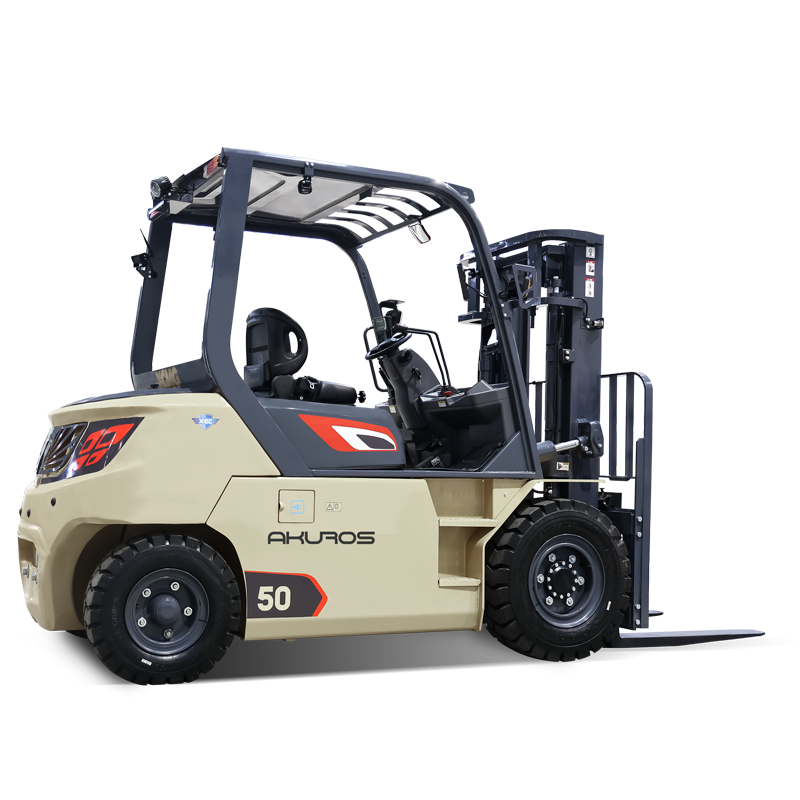
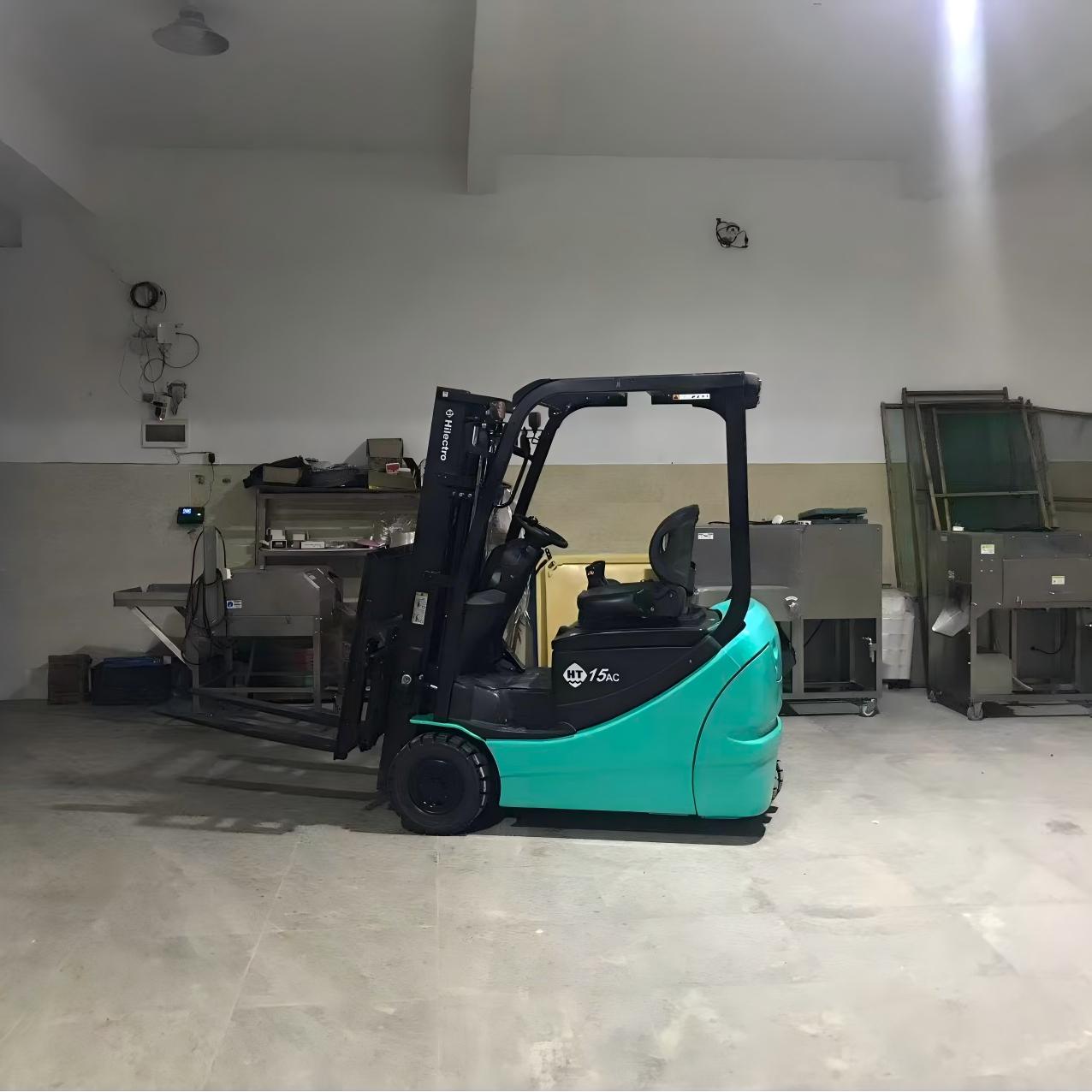
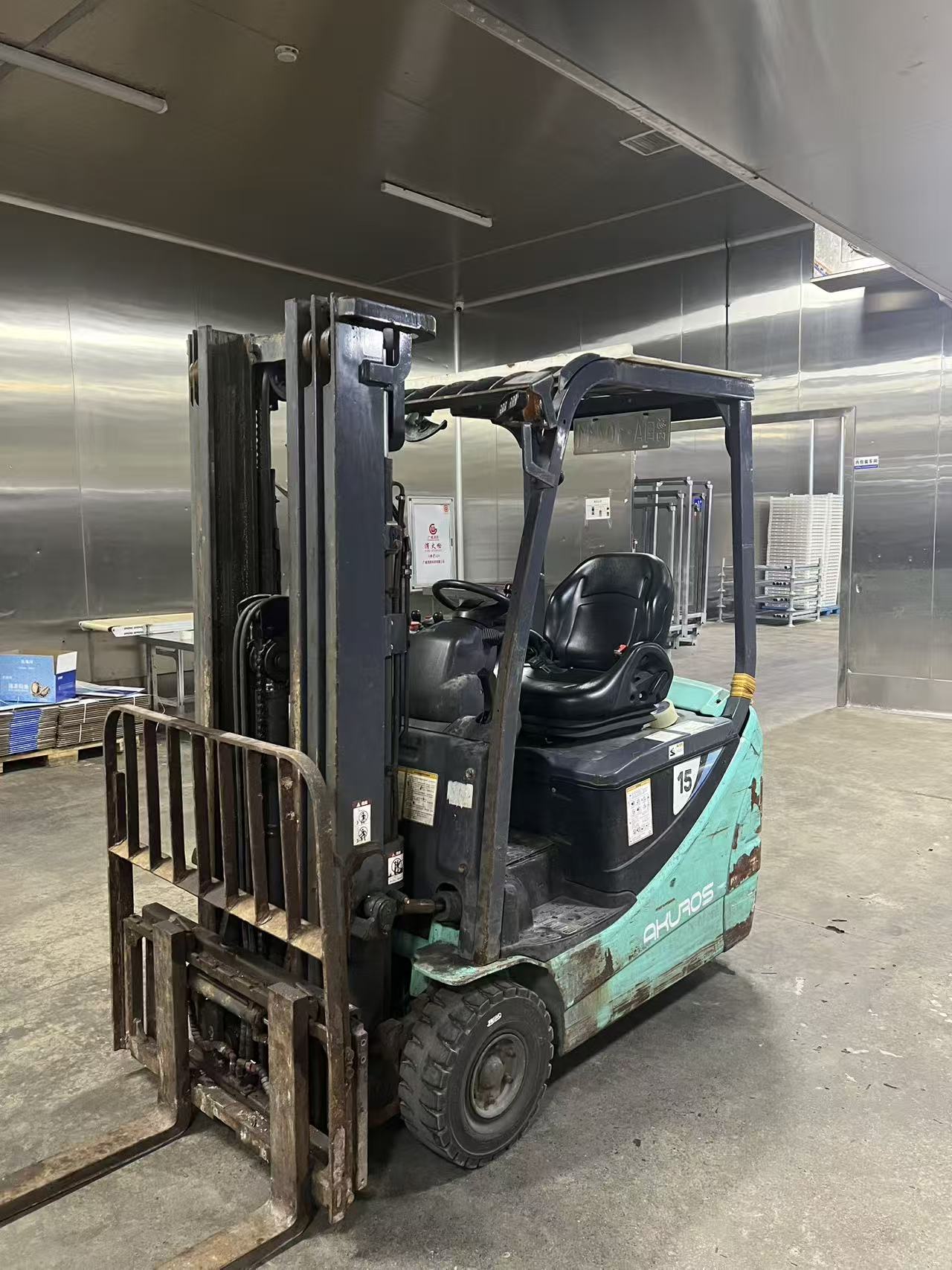
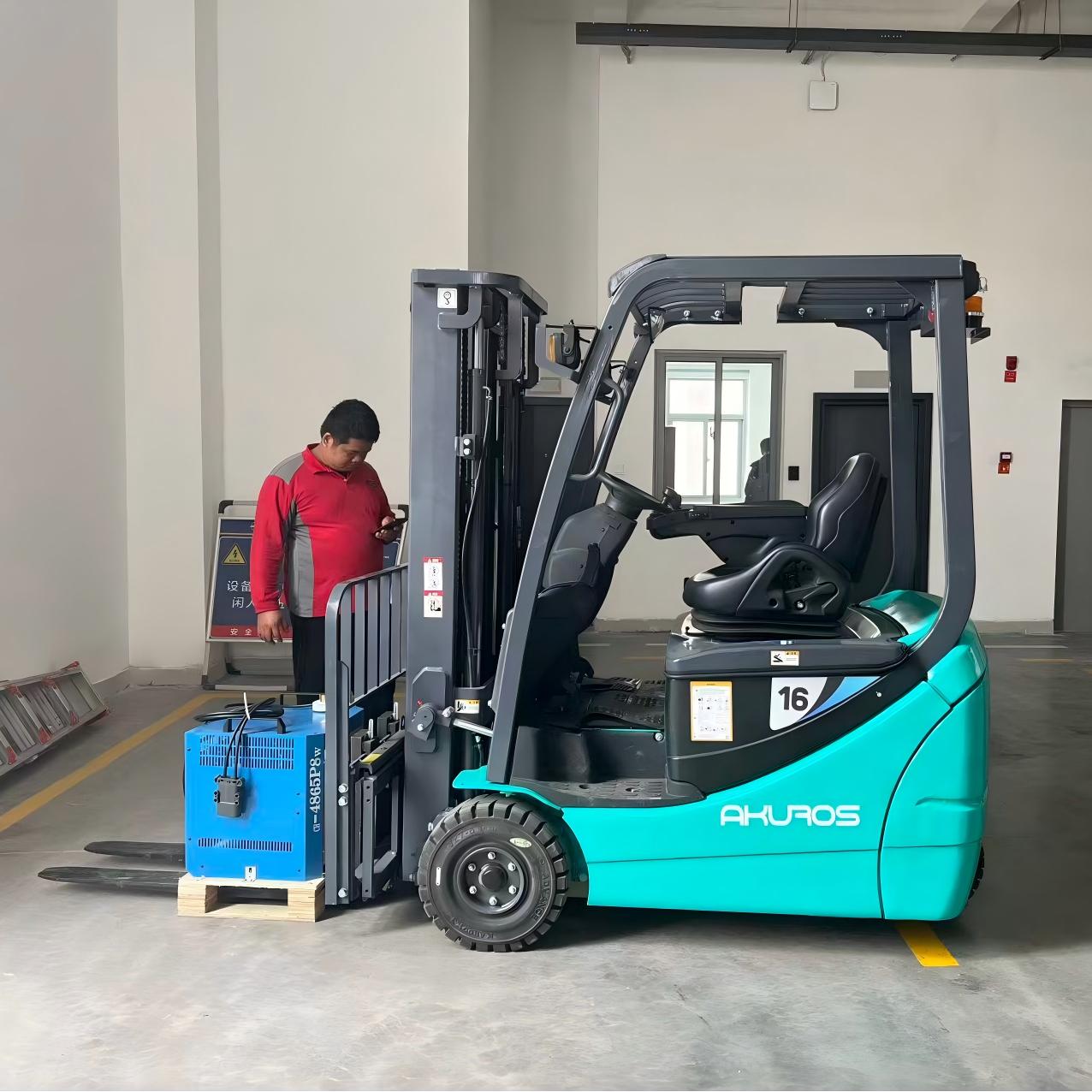
Akuros E16 3 Wheel Electric Forklift for Cold Storage
Quick Summary
A 3 wheel electric forklift for cold storage is a practical choice for warehouses that need efficient pallet movement in refrigerated rooms, freezer transfer areas, and narrow aisle layouts. The Akuros E16 3 wheel electric forklift for cold storage is developed for operations that require compact turning performance, smoother indoor electric handling, and better suitability for temperature-controlled logistics environments.
Cold storage warehouses place very different demands on forklift equipment compared with standard ambient facilities. Low temperatures, humidity changes, condensation, and tight maneuvering zones all create operating conditions where general-purpose forklifts may struggle to perform consistently. In these environments, a properly configured 3 wheel electric forklift for cold storage can offer a more efficient and dependable solution for daily handling tasks.
For logistics managers, warehouse planners, and overseas buyers, the Akuros E16 offers an effective balance between maneuverability, electric performance, and cold storage application suitability. It can also fit into a broader warehouse solution when cold-chain material flow is part of a larger project involving forklifts, counterbalanced trucks, forklift batteries, polyurethane tires, and storage system planning.
| Product Model | Akuros E16 Series |
| Forklift Type | 3-wheel electric counterbalanced forklift |
| Rated Capacity | 1.6–2.0 tons, depending on final configuration |
| Drive Type | Dual-motor electric drive |
| Steering Layout | 3-wheel rear steering |
| Battery Options | Lead-acid battery / lithium battery optional |
| Typical Use | Cold storage, refrigerated warehouses, freezer transfer zones, and narrow aisle indoor handling |
| Operating Environment | Indoor, humid, low-temperature, and refrigerated logistics environments |
| Related Akuros Solutions | Warehouse solution, forklifts, counterbalanced trucks, forklift batteries, and polyurethane tires |
Why Cold Storage Warehouses Need a Specialized Electric Forklift
Cold storage handling is not simply normal forklift work performed at a lower temperature. Once a truck enters refrigerated or freezer conditions, several operating factors become more important: traction stability, battery behavior, operator visibility, moisture exposure, and the ability to move efficiently in compact spaces.
Warehouses that frequently shift goods between loading areas, chilled rooms, and frozen zones also create repeated temperature transitions, which can increase condensation around electrical components and exposed surfaces. That is why many operators prefer a dedicated cold storage electric forklift rather than using a standard warehouse truck for all environments.
1. Better Maneuverability in Narrow Aisles
One of the main advantages of a 3 wheel electric forklift for cold storage is maneuverability. In warehouse layouts where aisle width is limited and turning space near dock lanes or rack ends is tight, a three-wheel truck can often reposition faster than a larger four-wheel model.
For users seeking a narrow aisle electric forklift, the three-wheel layout can support easier turning, smoother approach angles, and more flexible operation in confined workspaces. This helps operators complete pallet transfer tasks with less repositioning and less wasted movement.
2. Cleaner Indoor Electric Operation
Electric forklifts are often preferred for indoor storage applications because they offer lower noise, zero on-site exhaust emissions during normal operation, and smoother acceleration. In refrigerated and frozen goods environments, this makes them especially attractive for enclosed warehouse use.
For businesses evaluating a 3 wheel electric forklift for cold storage, indoor cleanliness and better environmental suitability are practical advantages over internal combustion alternatives.
3. Better Fit for Low-Temperature Workflows
The Akuros E16 is intended for operations where forklifts must work in low-temperature warehouse conditions. Application-focused configuration helps support more stable handling performance in cold rooms and refrigerated logistics workflows.
Buyers looking for an electric forklift for freezer warehouse use should focus not only on rated capacity, but also on whether the forklift can support repeated cold-room entry and exit under actual shift conditions.
4. Better Adaptation to Moisture and Condensation Conditions
Cold storage operations often involve transitions between warmer loading zones and colder rooms, which can create moisture and condensation. A forklift used in such environments should be selected with attention to component protection, system sealing, and practical long-term reliability.
This is one reason a dedicated 3 wheel electric forklift for cold storage is often preferred over a general indoor forklift when the working environment includes repeated temperature transitions.
5. Flexible Battery Options
Depending on project requirements, buyers may consider lead-acid or lithium battery configurations. This gives the forklift more flexibility for different duty cycles, charging strategies, and warehouse operating patterns.
Lead-acid batteries may suit operations with planned charging windows and traditional maintenance routines. Lithium batteries may be better for faster charging, opportunity charging, and higher equipment availability. Akuros can also support related forklift battery selection and charger matching for electric cold storage forklifts.
6. More Practical Than Larger Forklifts in Dense Layouts
A four-wheel model may be preferred where higher stability under heavier outdoor-style use is the main priority. However, a 3 wheel electric forklift for cold storage is often better suited for indoor cold storage layouts where operators need to turn frequently and work in tighter spaces.
In practical terms, the three-wheel configuration often provides better maneuverability in compact warehouse aisles, easier turning near rack ends and staging lanes, more flexible positioning in narrow work areas, and greater suitability for indoor cold-room pallet handling.
7. Strong Fit for Refrigerated Logistics Projects
The Akuros E16 can be used in a range of cold-chain and indoor logistics environments, including cold storage warehouses, freezer warehouses, frozen food handling facilities, refrigerated distribution centers, food processing plants, packaging plants, and narrow aisle warehouse layouts.
For buyers looking for an electric forklift for freezer warehouse use, the key decision is not only whether the truck can enter the cold room, but whether it can do so repeatedly and efficiently under actual shift conditions.
Typical Application Scenarios
The Akuros E16 3 wheel electric forklift for cold storage is suitable for indoor cold-chain operations where compact turning, electric performance, and temperature suitability matter.
- Cold storage and freezer warehouses
- Frozen food handling facilities
- Refrigerated distribution centers
- Food processing and packaging plants
- Cold-chain transfer and staging areas
- Warehouses with narrow aisles and limited turning space
- Indoor pallet movement in temperature-controlled logistics hubs
- Projects combining forklifts, pallet trucks, forklift batteries, polyurethane tires, and warehouse solution planning
Technical Specification Reference
| Specification Item | Akuros E16 Reference Description |
|---|---|
| Product Model | Akuros E16 Series |
| Forklift Type | 3-wheel electric counterbalanced forklift |
| Rated Capacity | 1.6–2.0 tons, depending on final configuration and application requirements |
| Drive Type | Dual-motor electric drive |
| Steering Layout | 3-wheel rear steering |
| Battery Options | Lead-acid / lithium optional |
| Typical Use | Cold storage, refrigerated warehouses, freezer transfer zones, and narrow aisle indoor handling |
| Operating Environment | Indoor, humid, low-temperature, and refrigerated logistics environments |
| Cold Storage Configuration | Available according to project requirements, temperature range, condensation exposure, and working frequency |
| Battery Matching | Configured according to shift duration, charging strategy, temperature condition, and operating intensity |
| Tire Selection | Selected according to floor condition, traction requirement, non-marking needs, and cold storage workflow |
| Related Product Support | Counterbalanced trucks, forklift batteries, polyurethane tires, pallet trucks, and warehouse solutions |
3 Wheel Electric Forklift for Cold Storage vs Standard Indoor Forklift
| Comparison Item | 3 Wheel Electric Forklift for Cold Storage | Standard Indoor Forklift |
|---|---|---|
| Application Focus | Cold storage, freezer warehouses, refrigerated logistics, and narrow aisle indoor handling | General indoor warehouse handling under ambient temperature conditions |
| Temperature Suitability | Configuration should be reviewed according to cold-room temperature, humidity, and transition frequency | Usually selected for standard indoor temperature conditions |
| Maneuverability | Compact three-wheel design supports tighter turning in narrow aisles and cold-room transfer zones | Depends on forklift model and warehouse layout |
| Condensation Risk | Should be evaluated when the forklift moves between cold and warm areas | Usually less critical in standard ambient warehouses |
| Battery Strategy | Battery behavior should be reviewed under low-temperature duty cycles | Battery selection is usually based on general warehouse shift requirements |
| Best Buyer Fit | Cold storage operators, food logistics facilities, frozen goods warehouses, and refrigerated distribution centers | General warehousing, retail storage, and indoor material handling |
For refrigerated and freezer warehouses, choosing a forklift only by capacity is not enough. Buyers should confirm the operating temperature, aisle width, pallet weight, daily working frequency, condensation risk, charging routine, and whether the forklift frequently moves between cold and warmer areas.
3 Wheel Electric Forklift vs 4 Wheel Forklift in Cold Storage Layouts
| Comparison Item | 3 Wheel Electric Forklift | 4 Wheel Forklift |
|---|---|---|
| Turning Performance | Often stronger advantage in tight indoor spaces and narrow aisle layouts | Usually needs more turning space depending on model size |
| Best Application | Indoor cold storage, freezer transfer zones, compact warehouse aisles, and frequent repositioning | Heavier-duty handling, wider spaces, and applications where larger platform stability is prioritized |
| Space Utilization | Better fit for dense cold storage layouts where every meter matters | Better when aisle space is less restricted |
| Operator Workflow | Useful for frequent turning, pallet positioning, and rack-side movement | Useful for broader general-purpose forklift work |
| Buyer Decision Logic | Choose when maneuverability and indoor efficiency are priorities | Choose when higher platform stability or heavier application demand is the priority |
For many cold storage projects, compact maneuverability can be just as important as rated load capacity. A forklift that is too large for the space may reduce real productivity even if its specifications appear stronger on paper.
How to Choose the Right Electric Forklift for Cold Storage
When selecting a refrigerated warehouse forklift, buyers should look beyond standard forklift specifications. The right choice depends on the real warehouse environment and handling workflow.
Before requesting a quotation, we recommend confirming:
- Actual cold storage temperature range
- Whether the forklift works continuously inside cold rooms or moves between temperature zones
- Turning radius and maneuverability requirement in actual aisle width
- Maximum pallet weight and load center
- Pallet size and fork entry direction
- Required lifting height
- Battery behavior under low-temperature duty cycles
- Moisture exposure and condensation risk
- Operator visibility in confined indoor spaces
- Shift duration and charging strategy
- Frequency of entering and exiting cold rooms
- Whether the forklift is primarily used for transport, staging, loading support, or rack-side handling
If your cold storage project also includes racking layout, pallet flow, dock transfer, or equipment matching, Akuros can support a broader warehouse solution discussion.
Common Buyer Mistakes When Choosing a Cold Storage Forklift
Many buyers compare forklifts only by rated capacity and purchase price. However, cold storage operations require a more application-focused evaluation. Common mistakes include:
- Using a standard indoor forklift without reviewing cold storage configuration needs
- Ignoring condensation risk when the forklift moves between cold and warm areas
- Choosing a four-wheel forklift when aisle space requires tighter maneuverability
- Ignoring battery behavior under low-temperature duty cycles
- Not confirming whether the forklift works mainly inside cold rooms or in transfer zones
- Overlooking tire selection for traction, floor condition, and non-marking requirements
- Comparing only model price instead of long-term handling reliability
A suitable cold storage forklift should improve daily pallet movement, operator control, and handling reliability in refrigerated environments. This is why Akuros focuses on matching forklift configuration to actual temperature conditions, warehouse layout, and workflow needs.
The Akuros Value Edge
Why buyers choose Akuros: Akuros helps buyers match the 3 wheel electric forklift for cold storage to real warehouse conditions, including temperature range, aisle width, pallet size, load weight, lift height, condensation risk, battery strategy, tire selection, and daily working cycle. This reduces the risk of choosing a low-cost but unsuitable forklift.
| Buyer Concern | Factory Direct Support | Standard Trading Company |
|---|---|---|
| Price and Value | Same quality, better price potential through direct supply and fewer middle layers | Price may include more trading layers with limited technical matching support |
| Cold Storage Suitability | Configuration review based on temperature range, humidity, condensation risk, battery use, and operating frequency | May provide a standard indoor model without reviewing refrigerated warehouse conditions |
| Project Suitability | Model selection based on aisle width, pallet flow, lift height, battery plan, tire selection, and site workflow | May provide a general model without reviewing actual warehouse workflow |
| Customization Flexibility | Supports battery selection, cold storage configuration, tire selection, safety options, and project coordination | Customization support may be limited or slower |
| Long-Term Risk | Lower risk of wrong model selection, poor maneuverability, insufficient battery runtime, or cold storage mismatch | Higher risk if the quotation is based only on capacity and price |
Zero-Risk Support for Overseas Buyers
Akuros supports B2B buyers with practical risk control before shipment. For overseas cold storage forklift orders, the key concerns are not only price and model. Buyers also need to control shipping safety, configuration accuracy, battery matching, cold storage suitability, tire selection, and delivery timing.
Shipping Safety
To reduce the risk of transport damage, Akuros can arrange reinforced export packing and proper machine fixing based on the shipping method and destination. Important components can be protected with suitable wrapping, crate support, and loading protection when required.
Configuration Confirmation
Before production or shipment, buyers can confirm key details such as forklift model, mast height, fork size, battery type, charger requirement, tire selection, cold storage configuration, and machine appearance. Photo or video approval can be provided when needed to reduce misunderstanding before delivery.
Battery and Charging Support
For electric forklift projects, Akuros can help review battery type, charging method, shift pattern, cold storage working condition, and charging environment. This helps buyers avoid choosing a battery configuration that does not match daily refrigerated operation.
Lead Time and Urgent Orders
For projects with tight delivery schedules, Akuros can check production availability and discuss priority arrangement where possible. Buyers should confirm final specifications early to avoid delays caused by late configuration changes.
After-Sales Support
If there is a confirmed issue related to configuration, shipment, or product condition, Akuros will support practical solutions such as spare parts supply, remote guidance, compensation discussion, replenishment, or remake support depending on the actual case.
Practical Suitability Checklist
The Akuros E16 may be a suitable option if your operation requires:
- Electric pallet handling in refrigerated or freezer warehouses
- Compact turning performance in narrow aisle layouts
- An indoor forklift with cleaner electric operation
- Practical handling in humid or condensation-prone areas
- A cold storage forklift with optional battery flexibility
- A more maneuverable alternative to larger four-wheel models
- Integration with forklift batteries, polyurethane tires, pallet trucks, and broader warehouse solution planning
Why Global Buyers Choose Akuros
Akuros does not focus only on supplying a forklift model. We support buyers with application-oriented thinking for warehouse operations, especially in cold storage, refrigerated logistics, and narrow aisle handling scenarios. Different projects require different priorities: some focus on turning radius, some on temperature suitability, some on battery flexibility, and others on matching the forklift to a broader storage system.
For overseas buyers, a practical forklift solution should align with actual warehouse use rather than generic catalog positioning. That is why Akuros emphasizes clear communication around the working environment, handling requirements, and equipment suitability before configuration is finalized.
- Experience in cold storage forklift and warehouse equipment applications
- Support for 3 wheel electric forklift for cold storage selection and configuration
- Application matching for refrigerated warehouses, freezer rooms, and narrow aisle layouts
- Battery and charging strategy support
- Tire selection support for cold storage and indoor warehouse conditions
- Export-oriented communication and project coordination
- Related product support including warehouse solution, forklifts, counterbalanced trucks, forklift batteries, polyurethane tires, and tools solutions
Frequently Asked Questions About 3 Wheel Electric Forklift for Cold Storage
1. What makes a 3 wheel electric forklift suitable for cold storage?
A 3 wheel electric forklift for cold storage is often suitable because it combines compact maneuverability with indoor electric operation. In refrigerated warehouses, this helps operators work more efficiently in limited spaces while avoiding the exhaust emissions associated with internal combustion forklifts.
2. Can the Akuros E16 be used in freezer warehouses?
Yes. The Akuros E16 can be configured for low-temperature and refrigerated warehouse applications, including freezer and cold-chain logistics environments. The final configuration should be reviewed according to temperature range, shift duration, condensation risk, and operating frequency.
3. Is a 3 wheel forklift better than a 4 wheel forklift for narrow aisles?
In many indoor warehouse layouts, yes. A 3 wheel forklift generally offers better maneuverability and easier turning in compact spaces, which makes it attractive for narrow aisle handling tasks. A 4 wheel forklift may still be preferred where heavier-duty stability or wider operating space is the main priority.
4. What battery options are available for the E16?
The E16 can be configured with lead-acid batteries as standard, while lithium battery options are also available depending on the application and customer preference. Battery choice should consider cold storage temperature, charging schedule, working hours, and maintenance preference.
5. What industries commonly use this type of forklift?
This type of forklift is commonly used in cold storage, frozen food logistics, food processing, refrigerated warehousing, distribution centers, and other indoor pallet handling environments with limited maneuvering space.
6. What should buyers check before choosing a cold storage forklift?
Buyers should check temperature range, condensation risk, aisle width, turning radius, pallet size, load weight, lift height, battery strategy, tire selection, charging plan, and whether the forklift moves between cold and ambient areas.
7. Can Akuros support related cold storage warehouse equipment?
Yes. Akuros can support forklifts, pallet trucks, forklift batteries, polyurethane tires, warehouse tools, storage systems, and broader warehouse solution planning based on the buyer’s cold storage project requirements.
Final Selection Summary
When choosing a 3 wheel electric forklift for cold storage, buyers should not only compare rated capacity and purchase price. The better approach is to confirm temperature range, aisle width, turning radius, pallet load, condensation risk, battery strategy, tire selection, and daily working frequency before selecting a model.
The Akuros E16 3 wheel electric forklift for cold storage is best suited for refrigerated warehouses, freezer transfer zones, frozen food logistics, food processing facilities, cold-chain staging areas, and compact indoor warehouse layouts.
Buyers choose this product because it combines compact maneuverability, indoor electric operation, cold storage application matching, and optional battery flexibility for low-temperature warehouse workflows.
From a commercial perspective, Akuros provides project-based configuration support, export order coordination, and broader warehouse solution thinking. This helps overseas buyers reduce the risk of wrong equipment selection and improve long-term cold-chain material handling efficiency.
Get a Suitable 3 Wheel Electric Forklift for Cold Storage
If your warehouse needs compact movement, reliable electric handling, and better suitability for refrigerated working conditions, the Akuros E16 is a practical 3 wheel electric forklift for cold storage operations.
Please share your cold storage temperature range, pallet size, load weight, aisle width, required lift height, floor condition, daily working hours, battery preference, tire requirement, and whether the forklift moves between cold and ambient zones. Our team will help evaluate a suitable E16 configuration for your project.
You can also explore related Akuros solutions, including warehouse solution, forklifts, counterbalanced trucks, forklift batteries, polyurethane tires, pallet trucks, and tools solutions.