

 Japanese
  English
  Russian
  French
  Spanish
  German
  Italian
  Portuguese
  Korean
  Arabic
  Turkish
  Indonesian
  Dutch
Dutch 

A Conversation on Efficiency
“Why is our warehouse handling time so inconsistent?”
“Maybe it’s time we evaluate our equipment again. We’ve been using the same trucks for years.”
“Could upgrading to a counterbalanced truck improve things?”
“Absolutely! A counterbalanced truck can significantly improve speed and efficiency by offering better maneuverability and load handling, especially in tight spaces.”
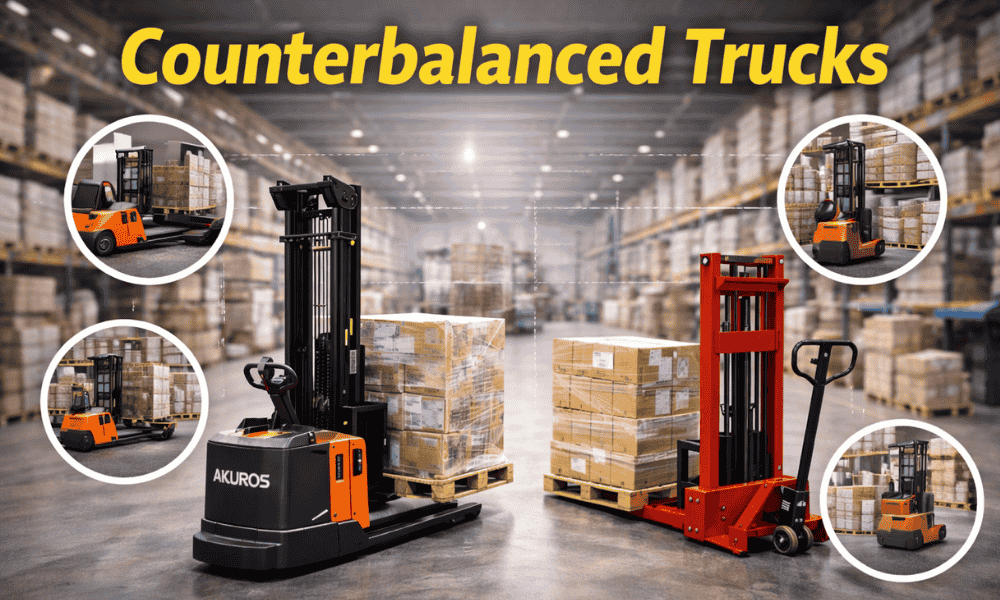
In today’s fast-paced warehouse environments, material handling solutions like counterbalanced trucks play a crucial role in boosting productivity. These trucks are designed for handling heavy loads while maintaining maneuverability in narrow aisles. This article will explore the top 10 applications of counterbalanced trucks in modern warehouses, highlighting their versatility and operational benefits.
カウンターバランストラック
1. Enhancing Material Handling in Narrow Aisles
の最も大きな利点のひとつは counterbalanced trucks is their ability to operate effectively in narrow aisles. This makes them ideal for high-density storage areas, where traditional forklifts may struggle due to their larger size.
なぜそれが重要なのか:
The ability to maneuver in confined spaces allows warehouses to optimize storage, increasing capacity without compromising accessibility. For example, Akuros counterbalanced trucks are designed specifically to offer maximum maneuverability while maintaining high lifting capacity, enabling smooth operations even in tight warehouse environments.
2. Moving Heavy Loads with Stability
Unlike traditional forklifts, counterbalanced trucks have a unique design that allows them to lift and carry heavier loads without tipping. The weight distribution is designed to balance the load against the vehicle’s rear end, improving both stability and safety.
Real-World Example:
In a warehouse handling large pallets, counterbalanced trucks can lift up to 3,000 kg of goods with ease. When combined with アクロス‘ robust design, these trucks ensure that heavy loads are moved efficiently without compromising safety.
3. Increasing Productivity in High-Volume Warehouses
High-volume warehouses that handle large quantities of goods need equipment that can move quickly between pick-up and drop-off points. Counterbalanced trucks are equipped with faster lift speeds, improving throughput while reducing the time spent per load.
Key Statistic:
According to logistics research, counterbalanced trucks can increase warehouse throughput by 25-30% when optimized for high-volume tasks.
4. Perfect for Multi-Tasking in Smaller Spaces
Unlike specialized equipment that is designed for only one task, counterbalanced trucks excel in a variety of warehouse operations, such as loading, unloading, stacking, and picking. This versatility makes them indispensable in warehouses with diverse needs.
Versatility in Action:
Akuros counterbalanced trucks are used across various sectors, including food distribution and consumer goods, where fast, reliable equipment is essential for time-sensitive tasks.
5. Improving Operator Comfort and Safety
Ergonomics plays a significant role in reducing operator fatigue and improving safety. Counterbalanced trucks with adjustable seats, controls, and intuitive maneuverability help reduce strain on workers. Enhanced visibility and improved handling also contribute to オペレーターの安全.
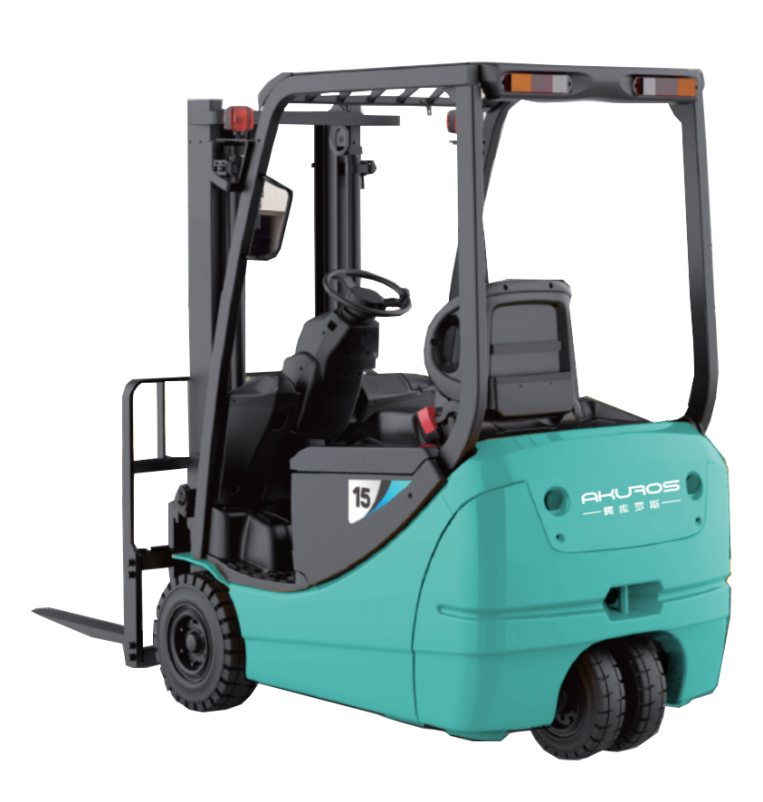
カウンターバランストラック
6. Effective in Tight Loading and Unloading Docks
Loading and unloading goods from delivery trucks often requires a truck that can navigate the dock area with precision. Counterbalanced trucks are designed to easily move in and out of tight spaces, even when the loading dock is packed with goods.
Example:
について Akuros counterbalanced truck excels in dock environments by offering smooth and quick operations, helping reduce bottlenecks during peak hours.
7. Ideal for Handling Pallets with Mixed Goods
Warehouses that store pallets with mixed goods—like boxes of different shapes and sizes—require flexibility in their material handling equipment. Counterbalanced trucks can accommodate pallets with uneven loads and help ensure that all goods are safely stored and moved.
8. Optimizing Stacking Efficiency
Efficient stacking of products can drastically reduce the time spent in organizing and accessing inventory. Counterbalanced trucks with high lift heights are perfect for stacking goods on high shelves, increasing warehouse vertical storage space.
9. Supporting Warehouse Automation Systems
As warehouses become more automated, counterbalanced trucks are often integrated with automated storage and retrieval systems (ASRS). These trucks help speed up material handling by working in sync with automated processes to increase throughput and reduce human error.
10. Reducing Maintenance Costs with Durable Design
Another benefit of counterbalanced trucks is their low maintenance needs. The robust construction and efficient design reduce the likelihood of wear and tear, which ultimately lowers operating costs.
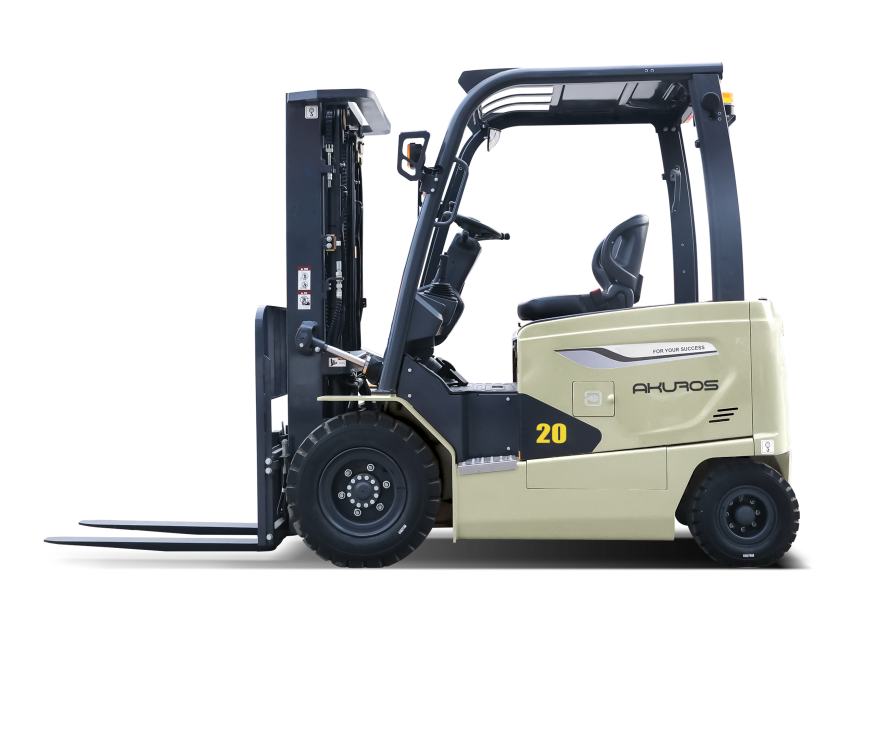
wholesale Counterbalanced Trucks
Frequently Asked Questions (FAQs)
What is the difference between a counterbalanced truck and a forklift?
A counterbalanced truck has a design that allows it to lift heavy loads while maintaining a balanced weight distribution, making it ideal for tight spaces. A forklift typically requires more room to maneuver and is better suited for lifting heavier loads in open spaces.
Can counterbalanced trucks be used for high-lifting tasks?
Yes, counterbalanced trucks are designed for lifting to high heights. Models with extended lift capacities are suitable for stacking goods in tall racking systems.
Are counterbalanced trucks more efficient than forklifts in small warehouses?
Yes, counterbalanced trucks are ideal for smaller spaces due to their compact size and maneuverability, making them more efficient than larger forklifts in tight aisles.
How much weight can a counterbalanced truck lift?
Counterbalanced trucks can lift anywhere between 1,500 kg to 3,000 kg depending on the model and usage requirements.
What maintenance is required for counterbalanced trucks?
Counterbalanced trucks require regular checks on hydraulic systems, tires, and electrical components. Routine maintenance every 6-12 months is recommended to ensure optimal performance.
Maximize Efficiency with the Right Equipment
In conclusion, counterbalanced trucks offer unparalleled versatility, stability, and productivity in modern warehouse operations. Whether you need to lift heavy loads, navigate narrow aisles, or improve operator safety, counterbalanced trucks like those offered by アクロス are the key to optimizing your warehouse’s material handling efficiency.
By selecting the right counterbalanced truck for your operation, you can significantly enhance warehouse performance, reduce downtime, and improve overall operational efficiency.