

 Indonesian
  English
  Russian
  French
  Spanish
  German
  Italian
  Portuguese
  Korean
  Japanese
  Arabic
  Turkish
  Dutch
Dutch 

How to Choose the Right Forklift for Frozen & Chilled Warehouses
Choosing the right cold storage forklift is critical for safety, battery stability, and long-term ROI in frozen warehouses. This guide explains the different forklift types used in cold storage, common selection mistakes, and how to match equipment to operational tasks in chilled and frozen environments.
1. What Is a Cold Storage Forklift?
A forklift penyimpanan dingin is not simply a standard electric forklift placed inside a freezer.
Cold storage environments introduce unique challenges:
-
Low temperatures (-18°C to -25°C)
-
Battery performance instability
-
Condensation-related electrical risks
-
Reduced traction on frozen floors
-
Operator fatigue due to protective clothing
A properly specified cold storage forklift must address all of these factors simultaneously.
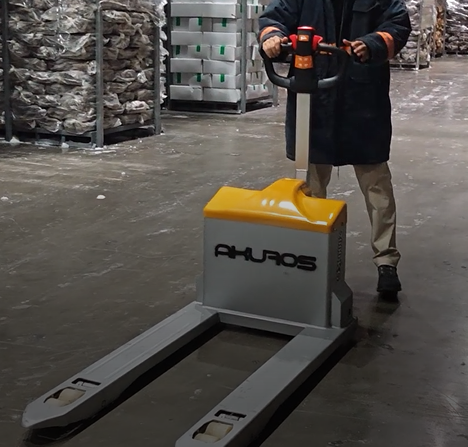 2. Why Standard Forklift Fail in Frozen Warehouses
Using ambient-rated forklifts in cold storage often leads to:
-
Rapid battery discharge
-
Electrical condensation failures
-
Reduced braking efficiency
-
Increased maintenance cost
-
Unexpected downtime during peak periods
Cold storage does not forgive marginal equipment specifications.
📊 Cold Storage Forklift Types — Functional Comparison
3. Key Features of a Reliable Cold Storage Forklift
When specifying a cold storage forklift, focus on:
1️⃣ Battery Stability at Low Temperature
-
Cold-rated battery systems
-
Stable voltage output
-
Adequate shift coverage
2️⃣ Electrical Protection
-
Enhanced sealing
-
Moisture-resistant connectors
-
Reduced condensation risk
3️⃣ Traction & Braking
-
Predictable performance on frozen floors
-
Stable steering response
4️⃣ Operator Ergonomics
-
Easy-to-use controls with gloves
-
Stable handling to reduce fatigue
These features determine real-world reliability.
4. Choosing the Right Cold Storage Forklift by Task
Instead of asking:
“What forklift capacity should I buy?”
Ask:
“What movement problem am I solving?”
Dock & High-Frequency Handling
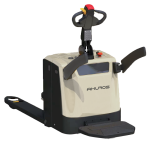
→ Electric pallet trucks + compact counterbalance forklifts
General Flow & Mixed Tasks
→ 1.6-ton class electric counterbalance forklifts
High-Bay Density Storage
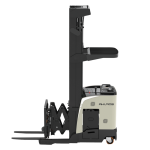
→ Reach trucks
Fixed Repetitive Routes
→ AGV forklifts (only when stable)
Task clarity eliminates over-purchasing.
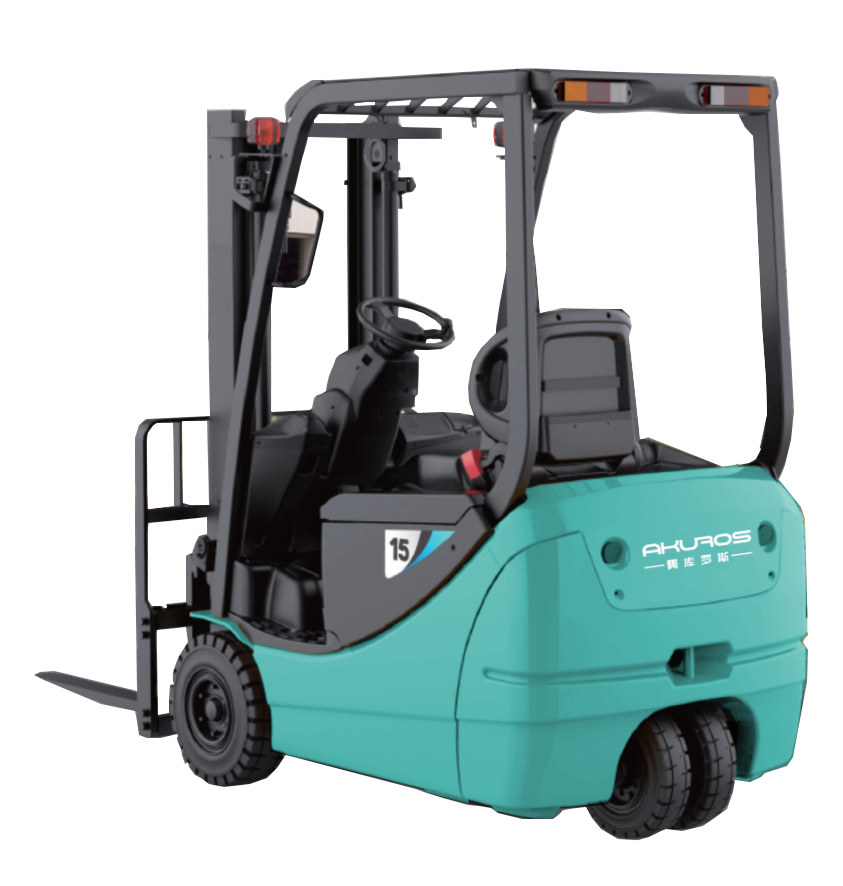
truk penyeimbang
5. The Most Common Cold Storage Forklift Mistakes
Across projects, the same errors repeat:
-
Oversizing forklift capacity “for safety”
-
Overusing reach trucks for horizontal transport
-
Underestimating the importance of pallet trucks
-
Introducing automation before stabilizing manual flow
These mistakes increase cost without improving throughput.
6. Cold Storage Forklift ROI Considerations
Cold storage forklifts are evaluated not just by price, but by:
-
Energy consumption per pallet
-
Downtime frequency
-
Battery replacement cycle
-
Maintenance complexity
-
Peak-period performance
A lower purchase price rarely equals lower total cost.
7. How Many Cold Storage Forklifts Do You Really Need?
The answer depends on:
-
Daily pallet movement volume
-
Racking type
-
Dock intensity
-
Peak variability
In many warehouses:
-
Counterbalance forklifts handle most horizontal flow
-
Reach trucks remain confined to aisles
-
Pallet trucks absorb high-frequency dock work
Balance matters more than fleet size.
8. When Automation Becomes Relevant
Cold storage forklift automation (AGVs) makes sense when:
-
Routes are repetitive
-
SKU profile is stable
-
Labor constraints are persistent
Automation should follow operational clarity—not replace it.
9. Google Popular Topics (Contextual Answers)
What forklift works best in cold storage?
Electric forklifts designed for low temperatures, matched to task type.
Can standard forklifts operate in freezers?
Not reliably without cold-rated configuration.
What capacity forklift is needed for frozen warehouses?
Often 1.6-ton class forklifts cover most pallet profiles.
Are reach trucks necessary in cold storage?
Yes, when high-bay or narrow aisle racking is used.
Do cold storage forklifts cost more?
Yes initially, but they reduce downtime and long-term cost.