

 German
  English
  Russian
  French
  Spanish
  Italian
  Portuguese
  Korean
  Japanese
  Arabic
  Turkish
  Indonesian
  Dutch
Dutch 

Forklifts, Reach Trucks & Pallet Trucks Explained
Cold storage warehouse performance depends less on individual machines and more on the balance between forklifts, reach trucks, and pallet trucks. This article explains how each equipment type contributes to flow, density, and stability—and how the right equipment mix prevents congestion, underutilization, and unnecessary cost in frozen and chilled warehouses.
1. Why “More Equipment” Rarely Fixes Cold Storage Problems
When cold storage operations struggle, the most common reaction is:
“Add more forklifts.”
In reality, most cold storage inefficiencies are caused by:
-
Wrong equipment doing the right job
-
Right equipment doing the wrong job
-
One machine type forced to cover all tasks
Cold storage is unforgiving:
misused equipment creates bottlenecks faster than insufficient equipment.
This is why equipment mix matters more than fleet size.
 2. The Three Core Equipment Roles in Cold Storage
At a system level, cold storage handling relies on three distinct roles:
-
Gabelstapler → keep the warehouse moving
-
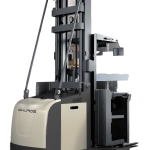
Schubmaststapler → unlock vertical space
-
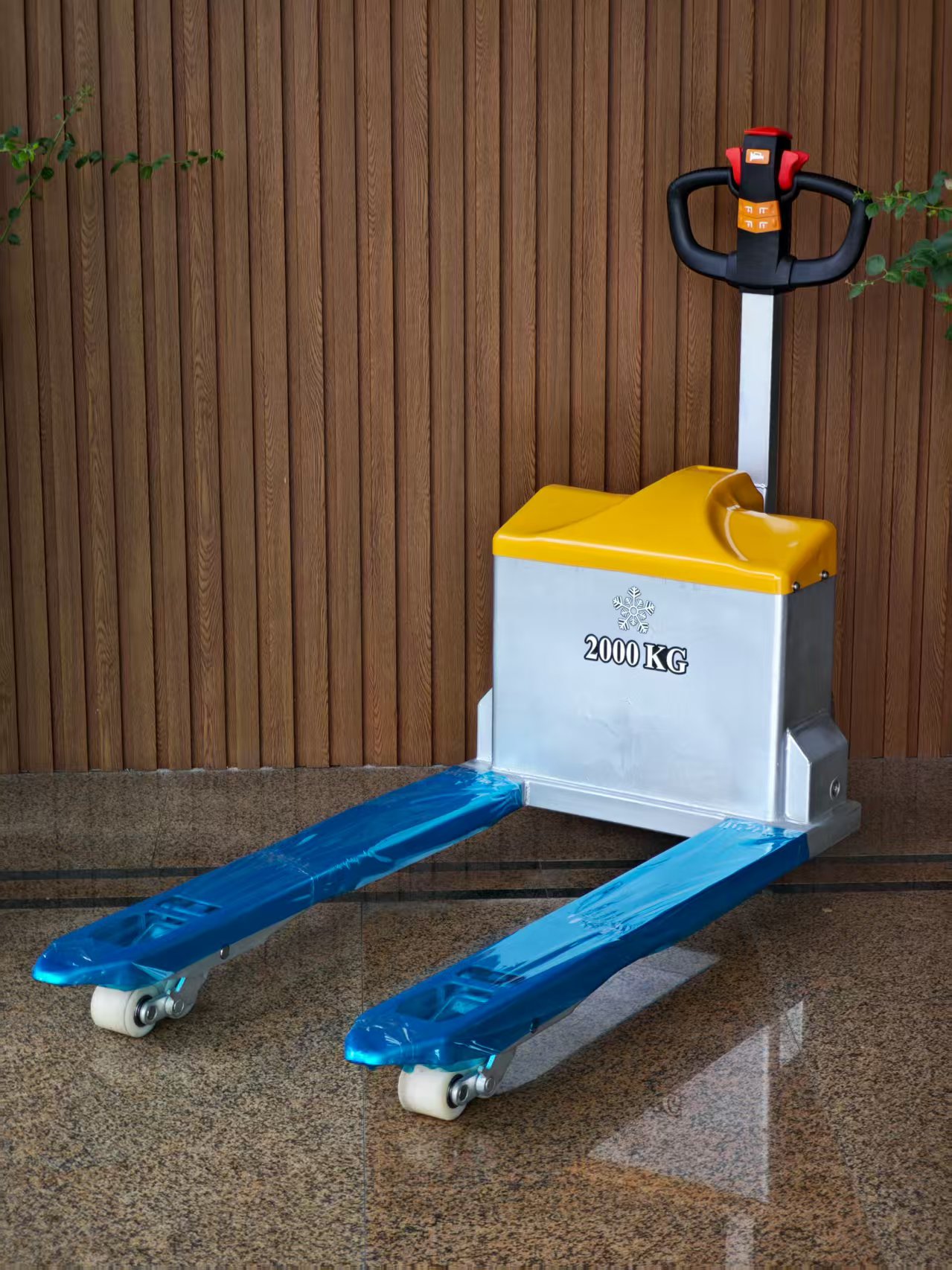
Gabelhubwagen → accelerate short-distance flow
Problems arise when these roles overlap without control.
📊 Forklifts vs Reach Trucks vs Pallet Trucks — Functional Overview
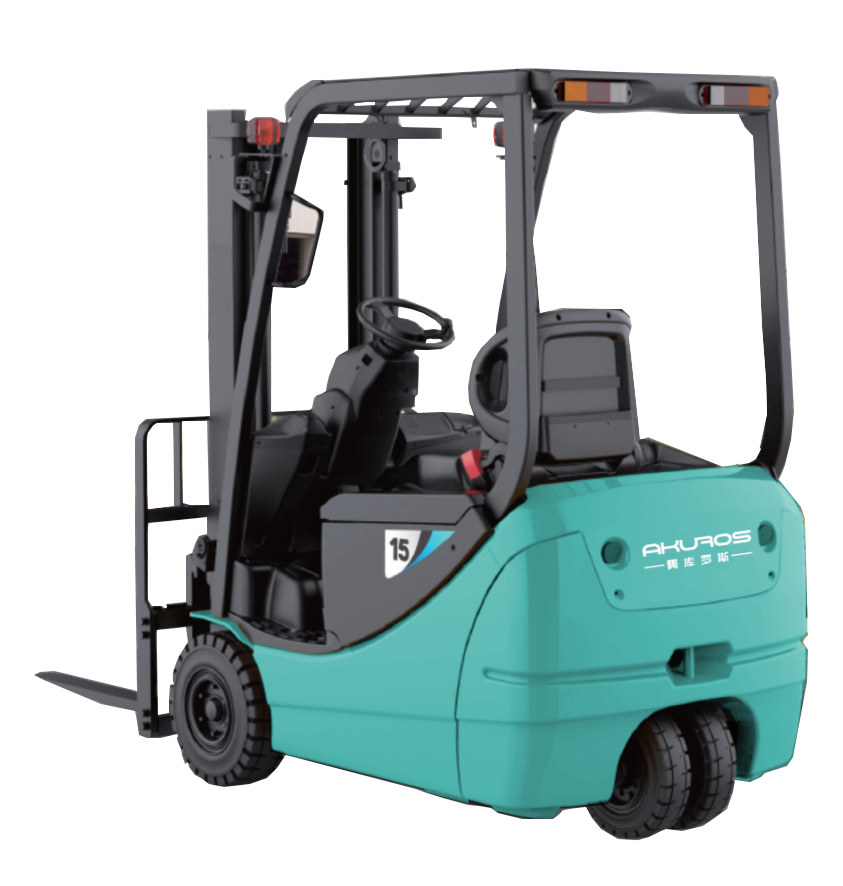
Gegengewichtsstapler
3. Forklifts: The Rhythm Keepers of Cold Storage
Electric forklifts form the backbone of most cold storage operations.
Where Forklifts Perform Best
-
Dock-to-staging movements
-
Selective racking (low to mid levels)
-
Cross-docking
-
Mixed and exception handling
Why Forklifts Are Often Overused
Because they are flexible, forklifts are often asked to do everything—
which leads to:
-
Congestion
-
Energy waste
-
Operator fatigue
Forklifts should connect processes, not dominate all of them.
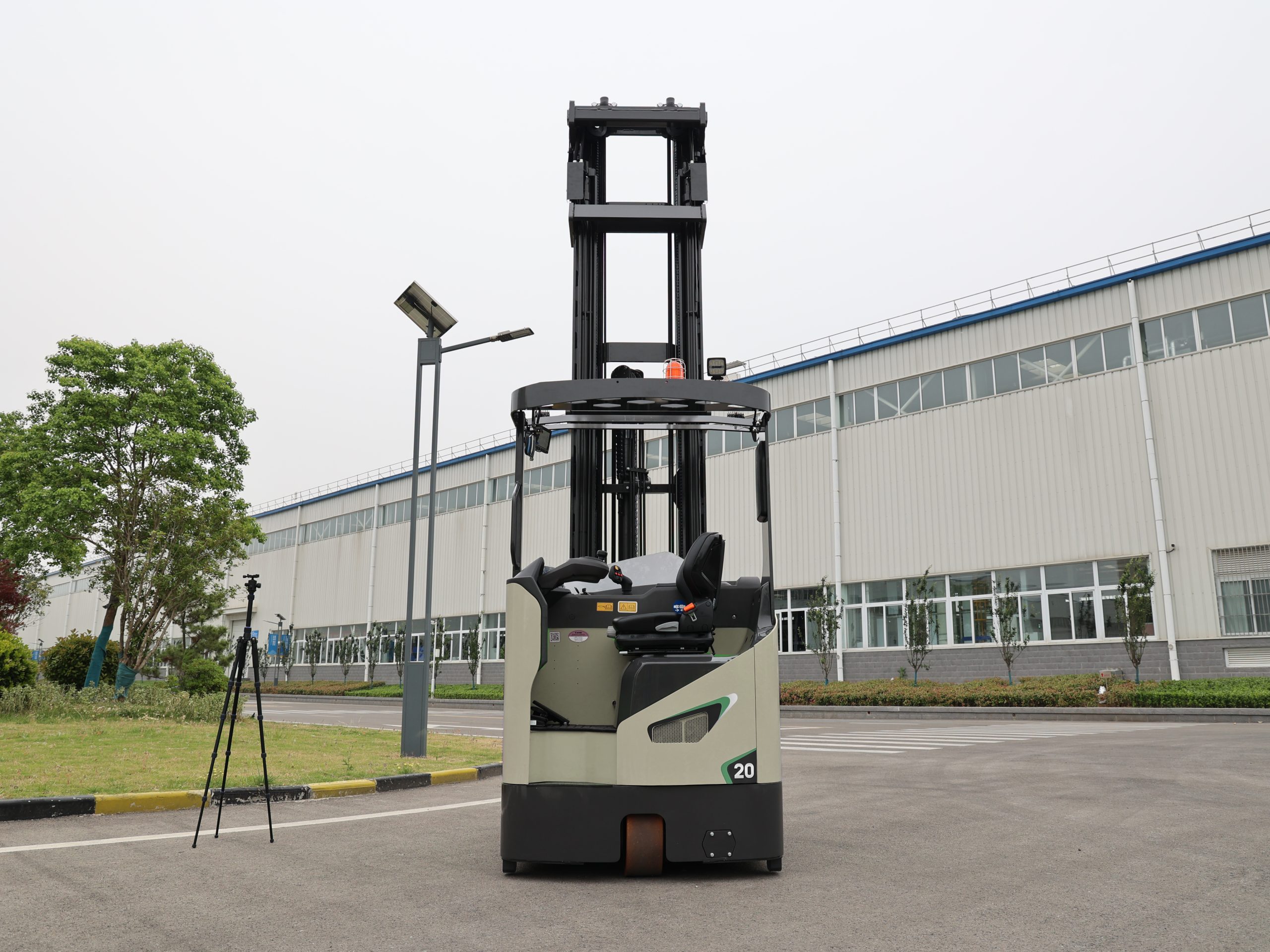
4. Reach Trucks: Density Specialists, Not Flow Machines
Reach trucks exist for one primary reason:
To make high-density racking usable.
Where Reach Trucks Are Essential
-
High-bay selective racking
-
Doppelt tiefe Regale
-
Narrow aisle cold storage
Where Reach Trucks Create Problems
-
Dock areas
-
Long horizontal travel
-
Repetitive short-distance moves
Using reach trucks outside aisles often reduces throughput instead of increasing capacity.
 5. Pallet Trucks: The Hidden Throughput Multiplier
Electric pallet trucks are frequently underestimated in cold storage design.
Where Pallet Trucks Deliver Maximum Value
-
Truck loading and unloading
-
Dock buffer movement
-
Short-distance repetitive transport
Replacing forklifts with pallet trucks in these zones:
-
Reduces congestion
-
Improves door throughput
-
Frees forklifts for value-added tasks
In many cold storage docks, pallet trucks handle more pallet moves than forklifts, quietly stabilizing the system.
6. The Most Common Equipment Mix Mistakes
Across cold storage projects, the same mistakes repeat:
-
Too many reach trucks, too few forklifts
-
Forklifts used where pallet trucks should dominate
-
Pallet trucks treated as secondary equipment
-
Equipment mix decided by budget, not flow
These mistakes rarely appear on drawings—but show up daily in operations.
7. A Practical Equipment Mix Logic (Used in Real Projects)
While every warehouse is different, a practical reference mix often looks like:
-
Forklifts: 50–60% of handling equipment
-
Reach trucks: 25–35%, focused on racking aisles
-
Pallet trucks: 15–25%, concentrated at docks
The exact ratio varies, but the principle is constant:
Flow first, density second.
8. Cold Storage Reality: Peaks Expose Bad Equipment Mix
During peak seasons:
-
Forklifts queue
-
Reach trucks are overextended
-
Pallet trucks are suddenly “missing”
If peak operations feel chaotic, the issue is rarely labor—it is usually equipment imbalance.
9. How Equipment Mix Affects ROI
Correct equipment mix:
-
Reduces total fleet size
-
Improves effective utilization
-
Lowers energy and maintenance cost
-
Delays automation CAPEX
Incorrect mix:
-
Inflates hidden operating cost
-
Forces premature automation
-
Masks design flaws with labor
Equipment mix is therefore a financial decision, not just a technical one.
10. Google Beliebte Themen (kontextbezogene Antworten)
Why do cold storage warehouses need different equipment types?
Because different tasks require different movement characteristics.
Can forklifts replace pallet trucks?
Not efficiently in high-frequency dock operations.
Do reach trucks improve throughput?
They improve density, not flow.
What causes congestion in cold storage?
Misuse of forklifts and reach trucks for the wrong tasks.
Is there a standard equipment mix?
There is no fixed ratio, but clear role separation always improves performance.