


 Russian
  English
  French
  Spanish
  German
  Italian
  Portuguese
  Korean
  Japanese
  Arabic
  Turkish
  Indonesian
  Dutch
Dutch 

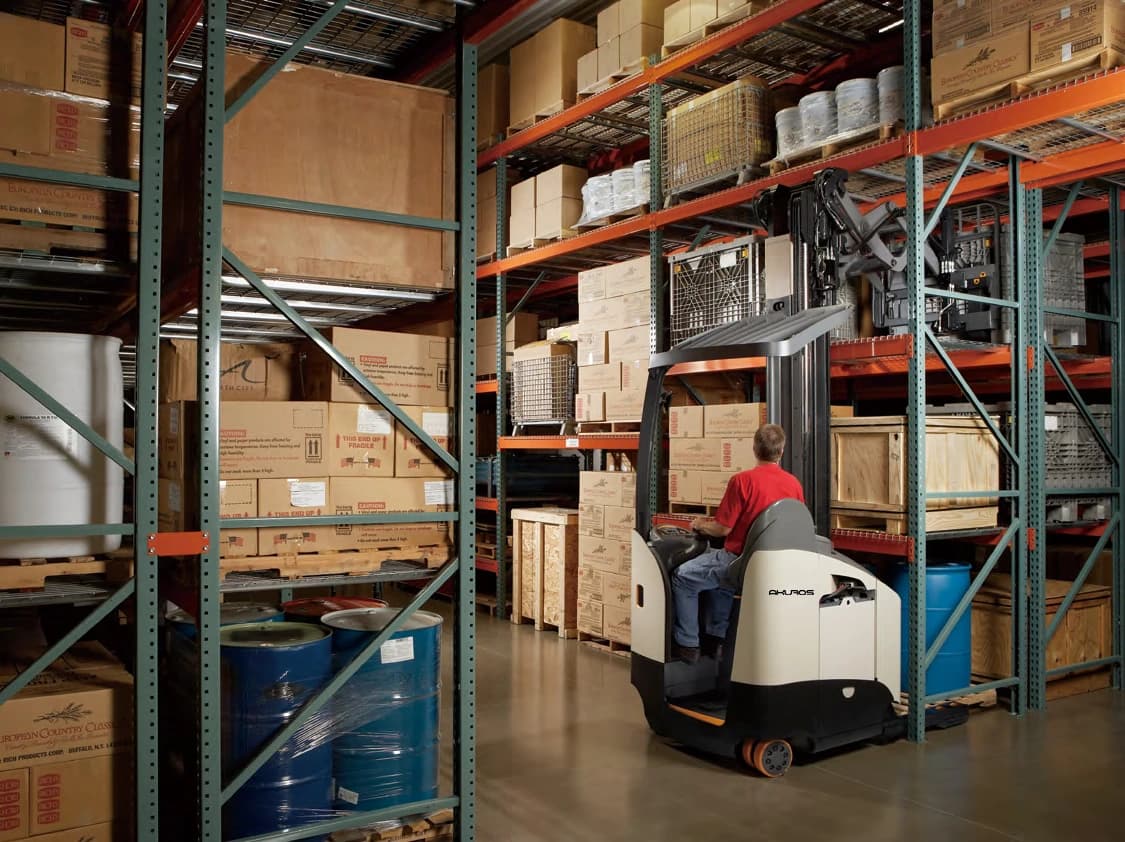
Предоставление комплексных решений для склада
- Как максимально увеличить объем складских помещений?
- Как сделать маршрут работы более разумным? Добиться эффективного хранения и транспортировки.
- Как сделать склад более безопасным?
Присоединяйтесь к нам и станьте нашим партнером

















Складские решения Akuros
Мы прекрасно понимаем, что в современном управлении цепочками поставок эффективные и интеллектуальные складские решения имеют решающее значение для успеха предприятия. Поэтому мы стремимся предоставить клиентам индивидуальные складские решения, включая: обычные балочные стеллажи, стеллажи двойной глубины, узкопроходные стеллажи и т.д., чтобы помочь вам оптимизировать управление запасами, снизить затраты и повысить эффективность работы.
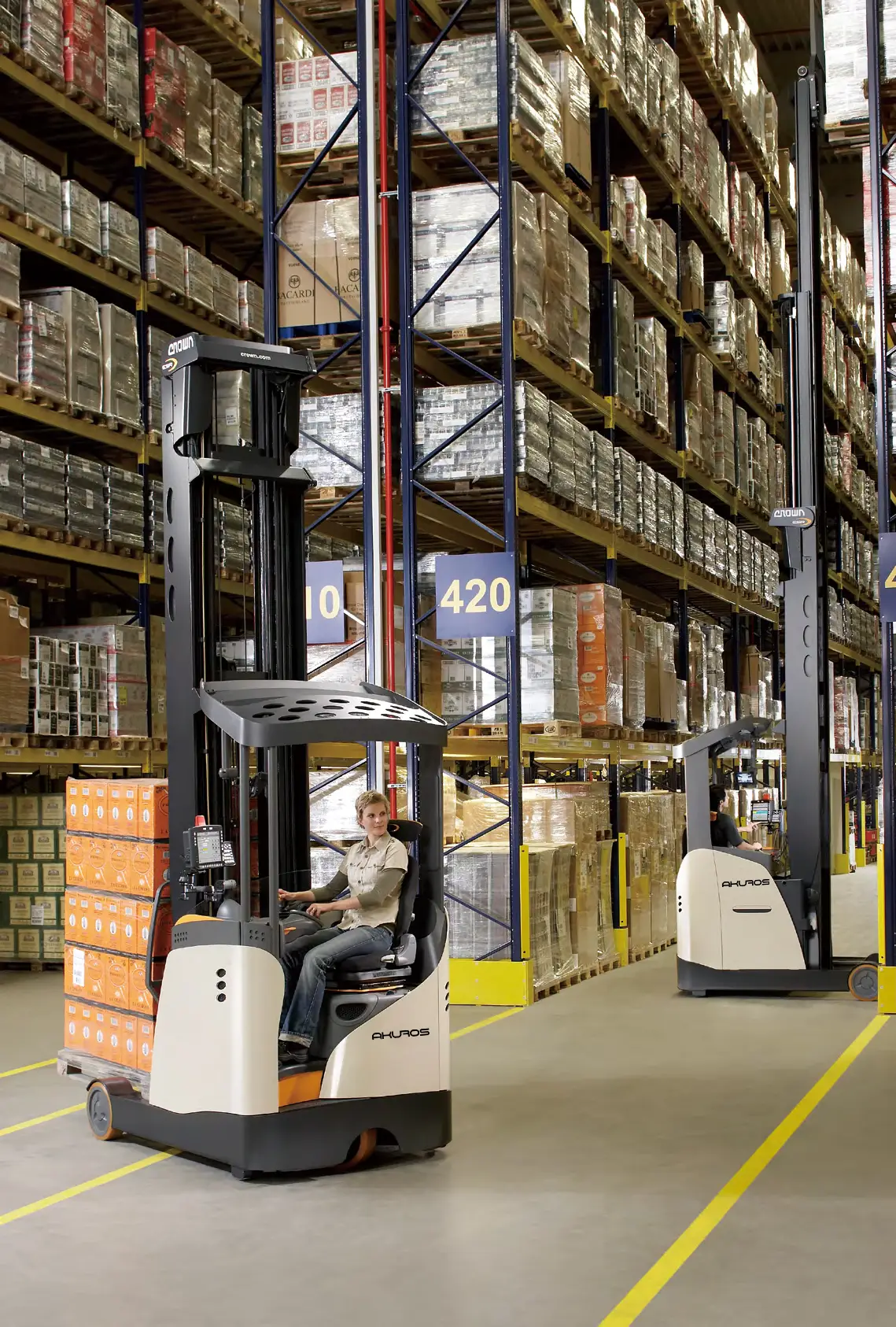
Решения для тяжелых паллетных стеллажей
● Все паллетные грузы на складе можно хранить и извлекать по своему усмотрению
● Гибкий и простой оборот запасов
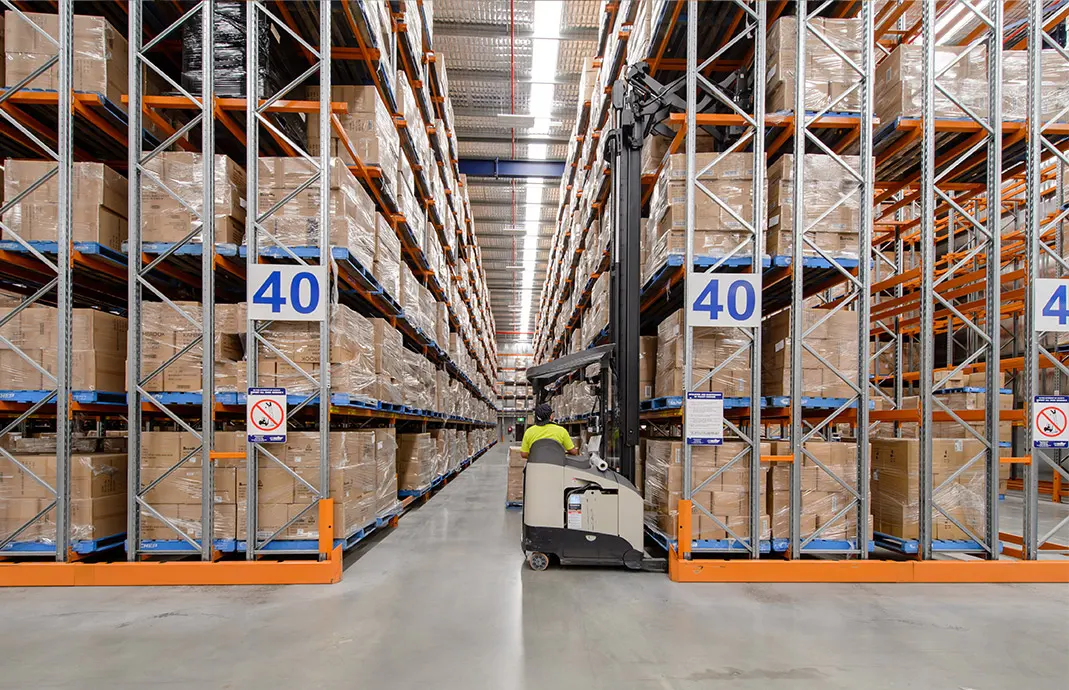
Решения для двойных глубоких стеллажей
● 50% мгновенный доступ, относительно разумный оборот запасов
● Грузы на нижнем поддоне обычно хранятся на земле
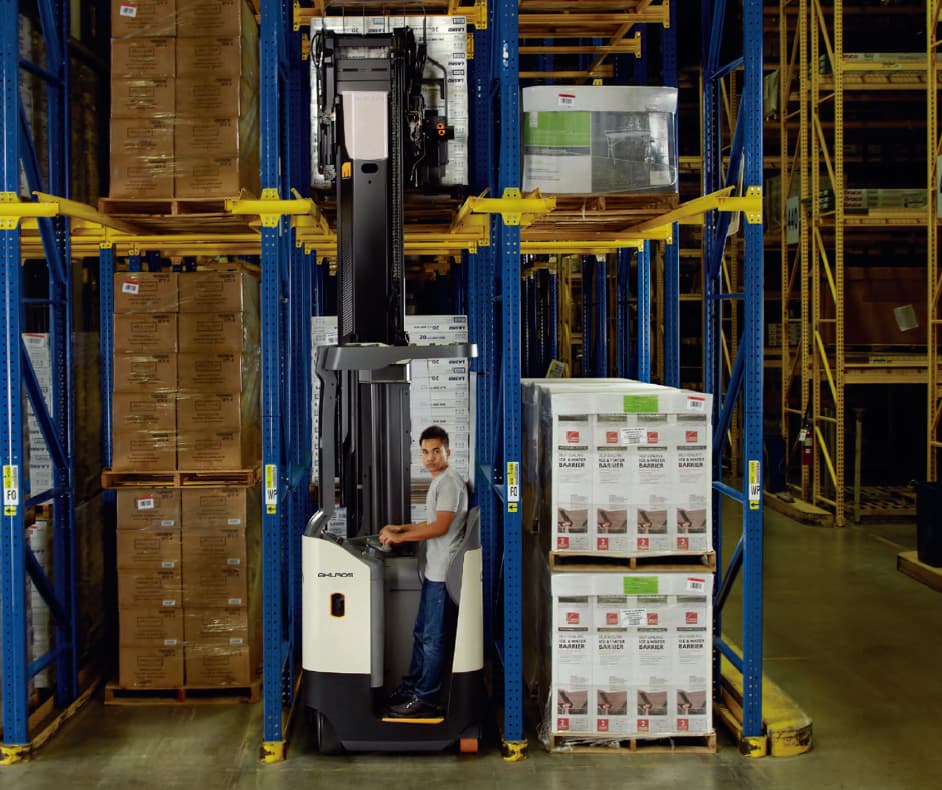
Решения для стеллажей с въездом
● Обеспечивает быстрый доступ к паллетированным грузам в одинарном/двойном слое.
● Совместимость с обычным погрузочно-разгрузочным оборудованием для снижения затрат.
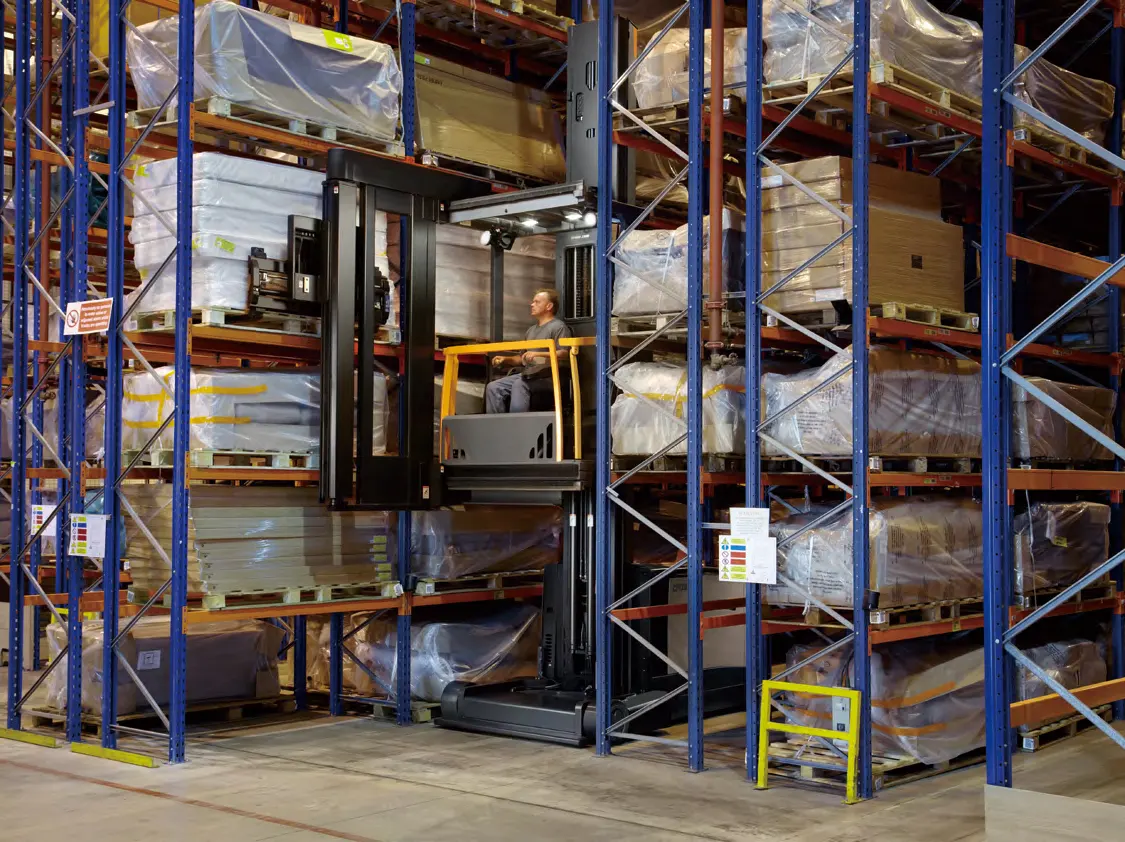
Решения для узкопроходных стеллажей
● Направляющие, закрепленные на земле, повышают эффективность работы вилочного погрузчика.
● Небольшая площадь складского здания
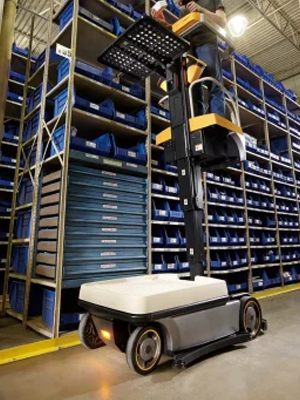
Решения для стоек полочного типа
● Можно использовать общий чердак, чтобы полностью использовать высоту склада
● Гибкость, легкость регулировки высоты балки/полки и количества групп полок
ABC-классификация складских запасов
Основы азбуки
Классифицирует товары по объемам продаж и запасам, чтобы определить приоритеты и повысить эффективность инвентаризации.
Гибкие правила
Использует данные о продажах, обороте и прибыли, чтобы скорректировать классификацию для различных сценариев.
Умная покупка
Применяет индивидуальные стратегии закупок и инвентаризации для снижения затрат и повышения эффективности поставок.
План хранения
Храните товары класса А рядом с выездами, чтобы повысить скорость подбора и снизить затраты на логистику.
Легко наносится
ABC требует чистых данных, четких правил и системной интеграции, чтобы избежать неправильной классификации.
Переходите на цифровые технологии
Использует WMS, RFID и инструменты искусственного интеллекта для отслеживания в реальном времени и интеллектуального управления запасами.
Произведено через Akuros
Складская электронная коммерция
В SkyBridge Logistics, одном из крупнейших в Юго-Восточной Азии центров трансграничных поставок, паллетоукладчики Akuros были задействованы для выполнения операций по комплектации и упаковке в быстром темпе. Автопарк поддерживает сменную работу 24/7 с минимальными перерывами на техническое обслуживание.
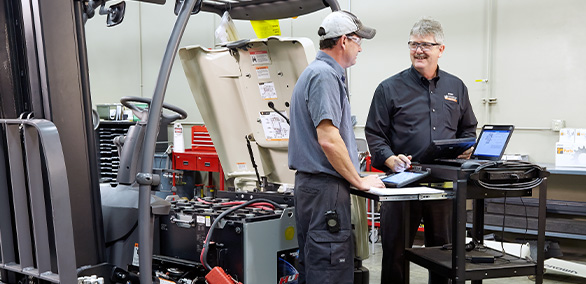
Автопроизводители повышают эффективность производства
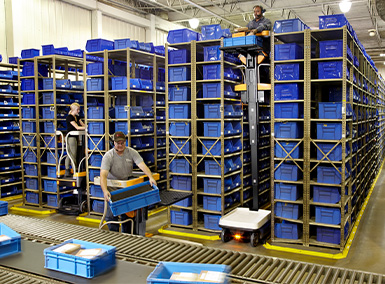
Пищевой комбинат
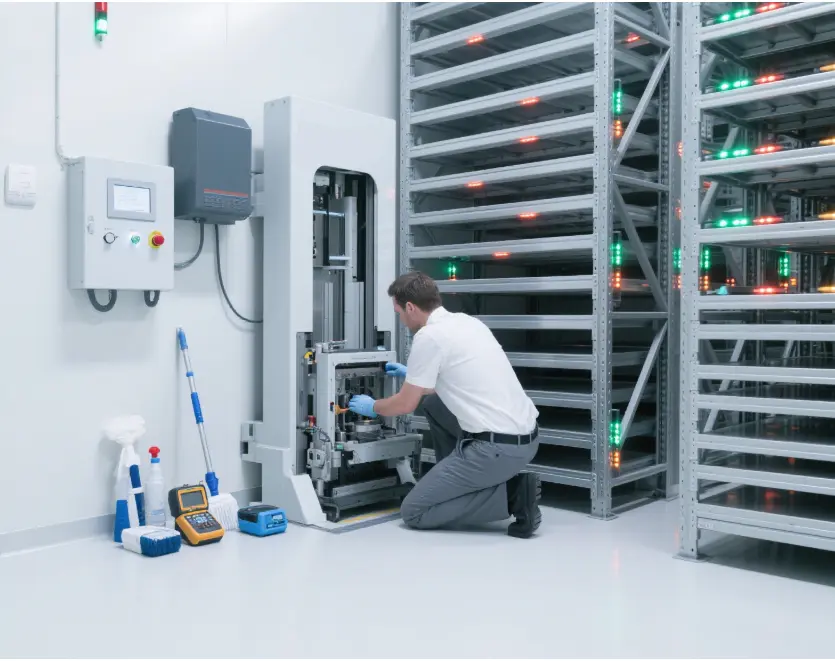
Производитель медицинского оборудования
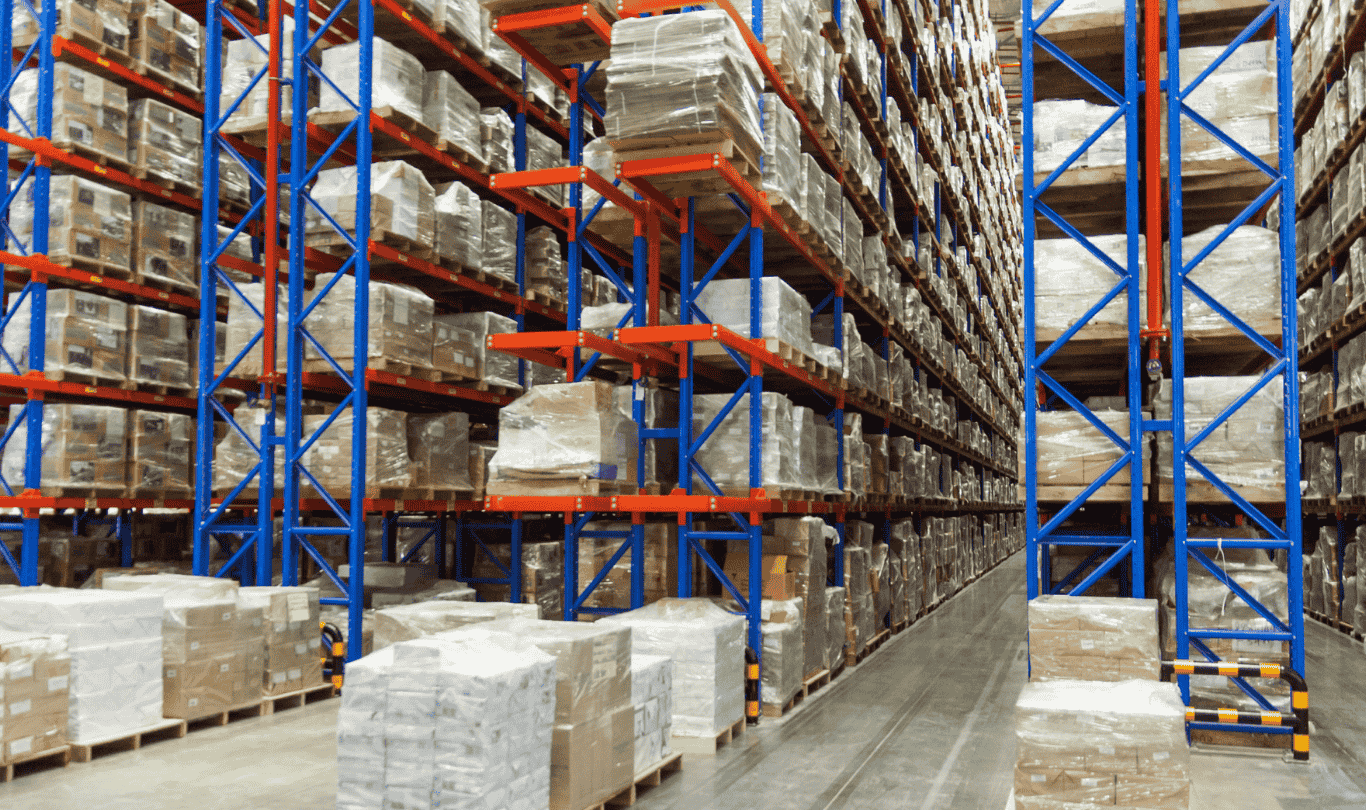
Розничный распределительный центр
Глобальный рынок Акурос
Мы прекрасно понимаем, что в современном управлении цепочками поставок эффективные и интеллектуальные складские решения имеют решающее значение для успеха предприятия. Поэтому мы стремимся предоставить клиентам индивидуальные складские решения, включая: обычные балочные стеллажи, стеллажи двойной глубины, узкопроходные стеллажи и т.д., чтобы помочь вам оптимизировать управление запасами, снизить затраты и повысить эффективность работы.
УЗНАТЬ БОЛЬШЕ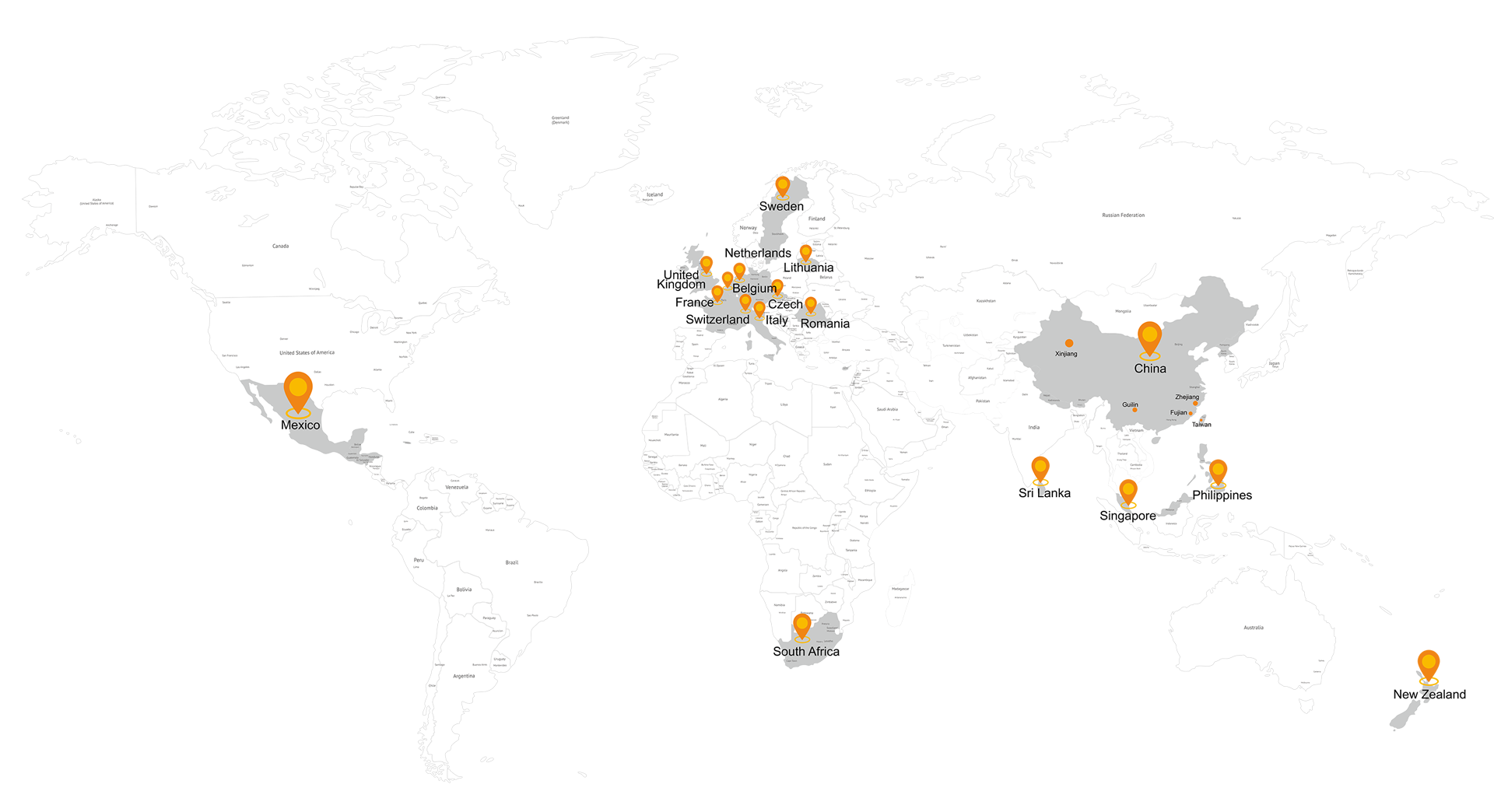
Познакомьтесь с нашей проверенной сетью специализированных производственных партнеров
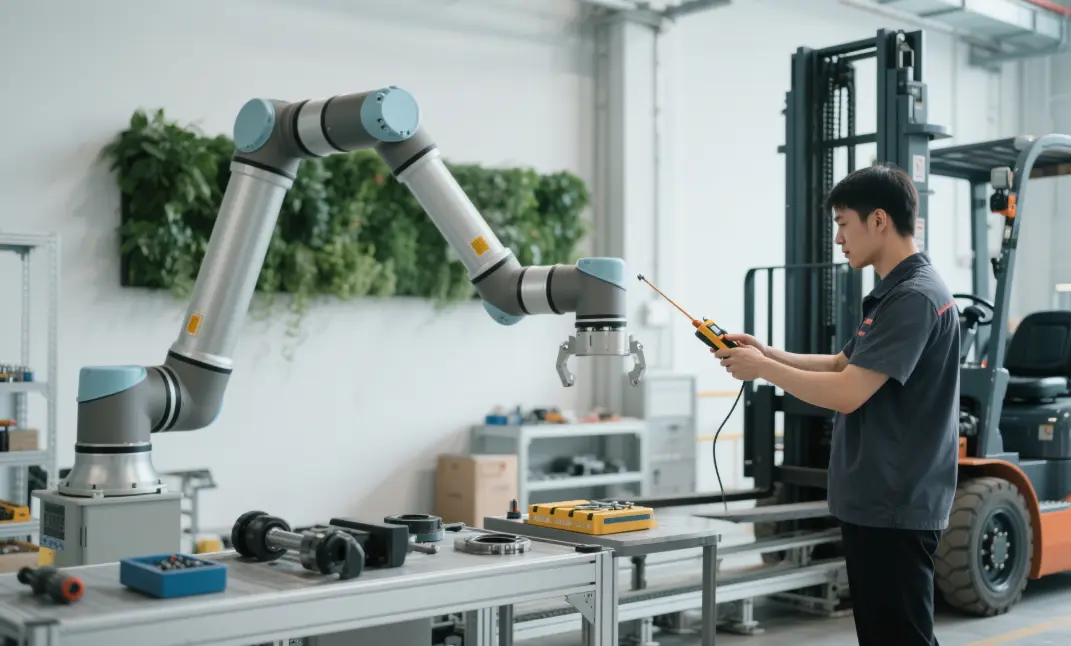
Глобальный рынок Акурос
Удобства: 4 сборочные линии, 2 испытательные камеры
Оборудование: Автоматизированные динамометрические станции, гидравлические тестеры подъема
Это предприятие специализируется на окончательной сборке электрических вилочных погрузчиков, обеспечивая соответствие каждой единицы строгим стандартам безопасности и производительности перед поставкой.
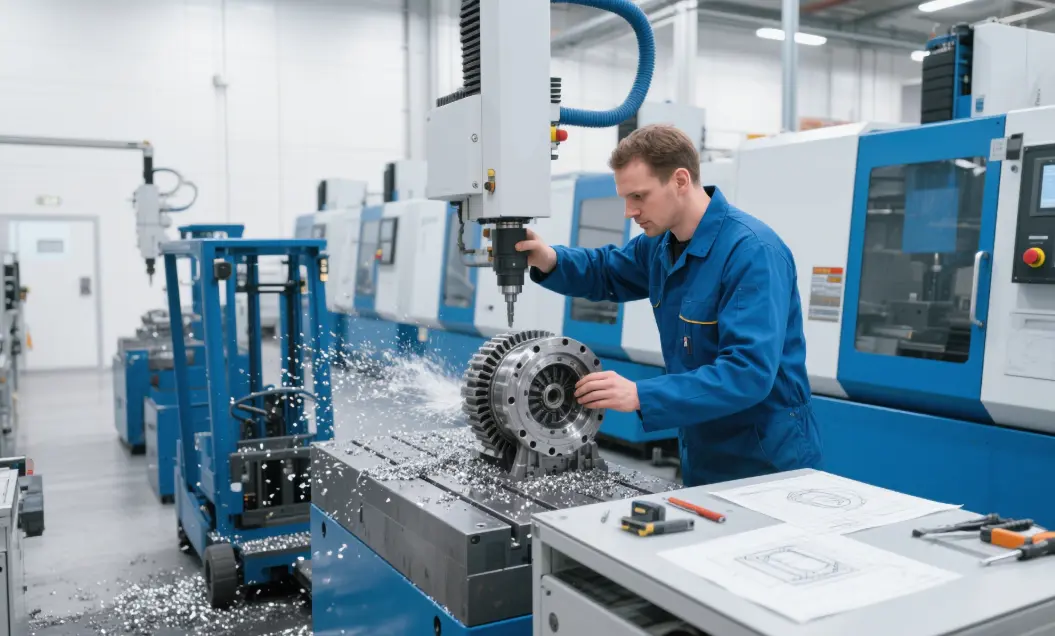
Прецизионная обработка - Штутгарт, Германия
Основан: 2012
Возможности: Обработка с ЧПУ корпусов коробок передач, деталей мостов
Машины: 35 токарно-фрезерных станков с ЧПУ
Высокоточная обработка деталей трансмиссии
Этот завод, известный своей точностью, поставляет важнейшие компоненты для тяжелых вилочных погрузчиков на европейские рынки.
Изготовление листового металла - Бангкок, Таиланд
Основан: 2012
Возможности: Обработка с ЧПУ корпусов коробок передач, деталей мостов
Машины: 35 токарно-фрезерных станков с ЧПУ
Экспертиза: Высокоточная обработка деталей трансмиссии
Этот завод, известный своей точностью, поставляет важнейшие компоненты для тяжелых вилочных погрузчиков на европейские рынки.
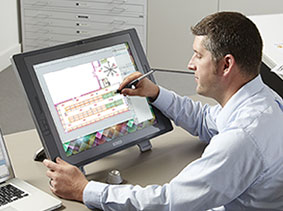
Пластиковые компоненты - Монтеррей, Мексика
Основан: 2019
Возможности: Литье под давлением для изготовления крышек, приборных панелей, рукояток вилочных погрузчиков
Машины: 20 термопластавтоматов (80T-350T)
Специализация: Эргономичные панели управления и корпуса для операторов
На этом предприятии производятся высококачественные пластиковые детали, отвечающие строгим стандартам долговечности и комфорта для оператора.Сборка аккумуляторных батарей - Пуна, Индия
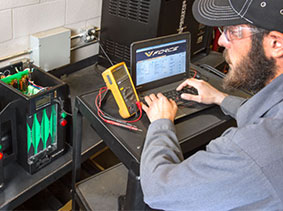
Сборка батарейного блока - Пуна, Индия
Основан: 2017
Возможности: Сборка блоков литий-ионных и свинцово-кислотных аккумуляторов
Оборудование: Аппараты точечной сварки, станции калибровки BMS
Соответствие: Интеграция аккумуляторов по стандартам ISO
Специализируясь на производстве безопасных и долговечных аккумуляторных батарей, этот завод разрабатывает решения в соответствии с региональными и климатическими требованиями.
Получите решение мгновенно
Вам нужно более интеллектуальное решение для склада? Отправьте нам свои требования прямо сейчас, чтобы получить индивидуальное решение! Если вы модернизируете, расширяете или начинаете с нуля, мы можем предоставить быстрые и индивидуальные решения для удовлетворения ваших потребностей в хранении и логистике. Начните получать мгновенные предложения прямо сейчас и ощутите удобство оптимизации склада!
- Мы проектируем складские системы с учетом ваших конкретных потребностей, максимально увеличивая пространство и повышая эффективность.
- Измерьте контент за 24 часа - планируйте проект быстро и уверенно.
- Наша опытная команда предоставляет профессиональные консультации и постоянную поддержку для обеспечения вашего успеха.
Централизованные стандарты для обеспечения постоянного качества
Это наш набор протоколов и процедур, которые обеспечивают стабильное качество каждой детали, которую мы производим.

Контроль дизайна
Спроектирована строго в соответствии с вашим реальным пространством, не занимая лишнего места.
Читать далее
Контроль качества
Мы гарантируем, что любой продукт, который мы вам предоставим, будет полностью соответствовать вашим требованиям.
Читать далее
Контроль доставки
Гарантируя качество, мы упакуем и отправим товар в порт в кратчайшие сроки.
Читать далееВилочные погрузчики и складские инструменты
После того как мы разработаем для вас решение для склада, мы также предоставим на выбор соответствующие товары, необходимые для склада, такие как вилочные погрузчики, аккумуляторы, навесное оборудование, полиуретановые шины, стеллажи и балки для защиты от столкновений.
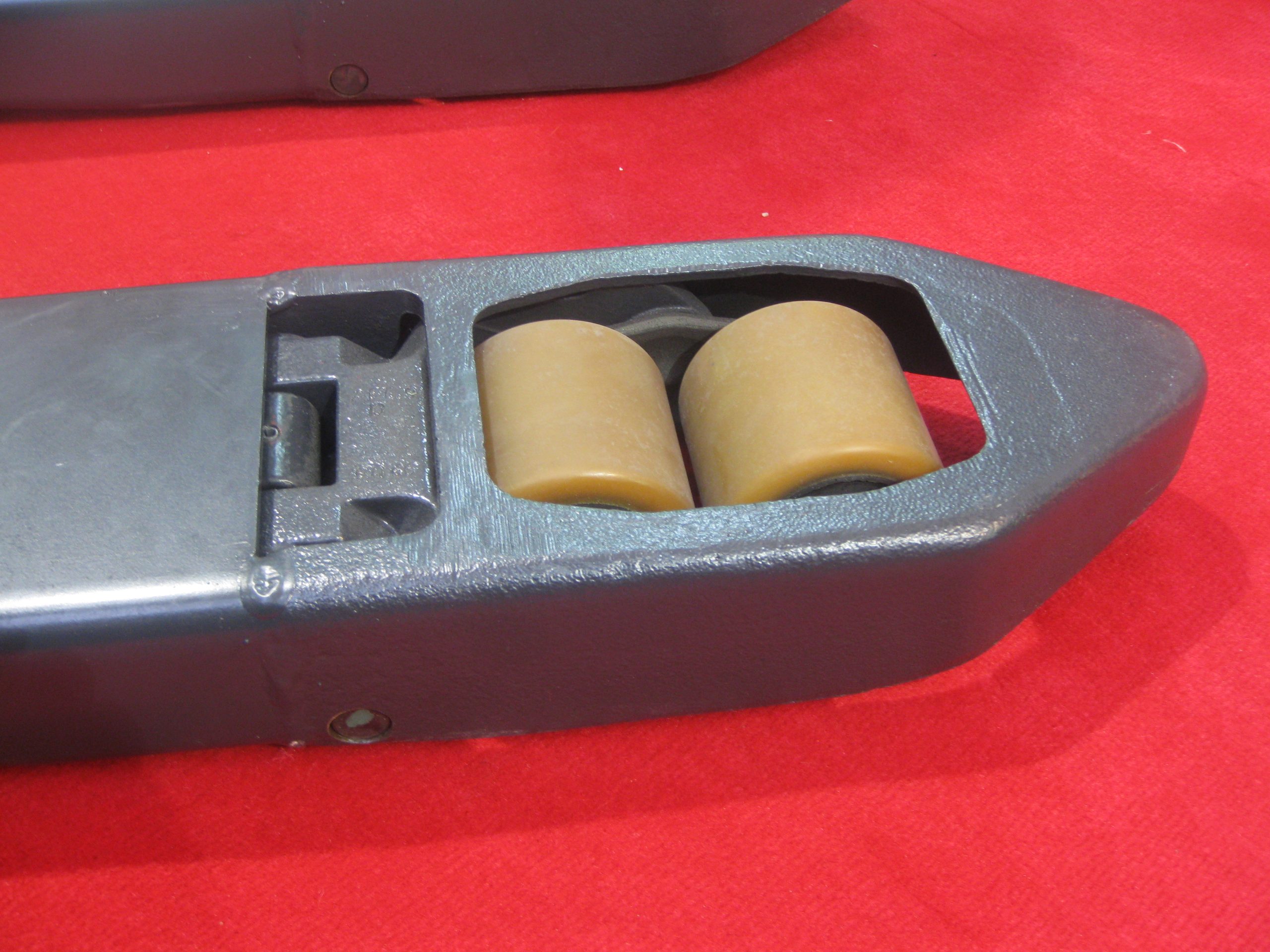
Шины для вилочных погрузчиков
| Тип | Размер | Поверхность |
|---|---|---|
| Твердый | 28×9-15 | Суровый |
| Пневматический | 23×8-12 | Гладкий |
| Полиуретан | 35×12-19 | Смешанные) |
Аккумуляторы для вилочных погрузчиков
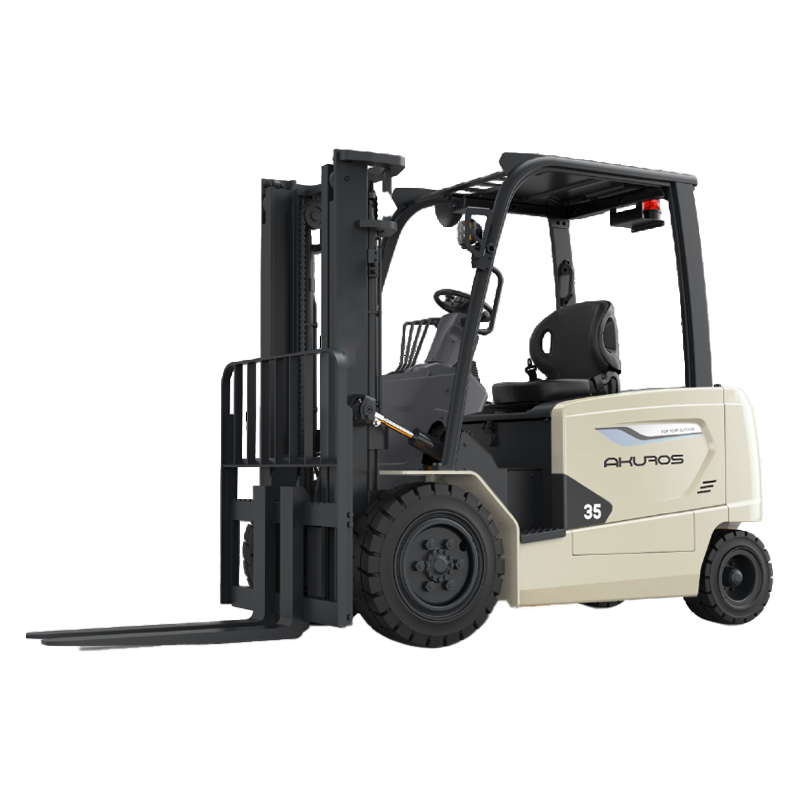
Автопогрузчики
| Продукт | Технические характеристики | Приложение |
|---|---|---|
| Электрический | 1,5 т, подъем 3 м | Склад |
| IC | 3T, подъем 4,5 м | Логистика |
| Достичь | 1T, 5м подъемник | Розничная торговля |
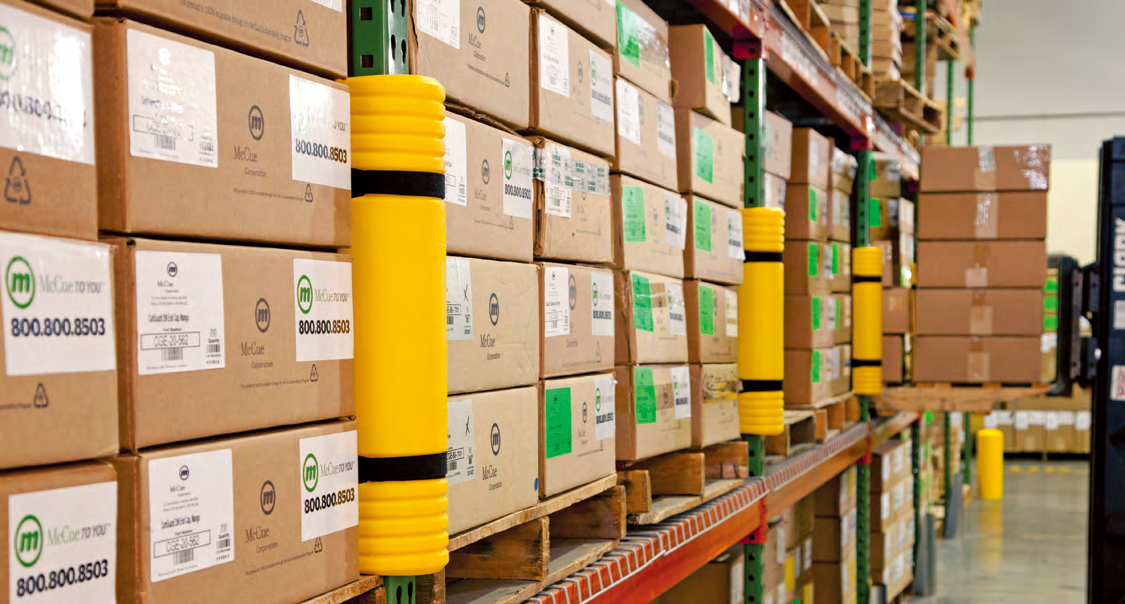
Защитное оборудование
| Оборудование | Функция | Пример использования |
|---|---|---|
| Бамперная стойка | Коллизия | Склад |
| Ремень безопасности | Оператор | Все вилочные погрузчики |
| Зеркало | Видимость | Все вилочные погрузчики |
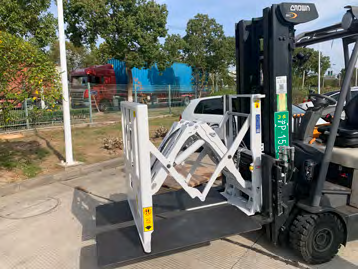
Вложения
| Вложение | Подходит | Функция |
|---|---|---|
| Боковой переключатель | 1-3T | Гибкость |
| Ротатор | 2-5T | Узкие проходы |
| Противовес | Все | Стабильность |
Специализированные отрасли
Мы предоставляем очень широкий спектр консультаций по складскому производству для самых разных отраслей, но особенно хорошо разбираемся в этих областях.
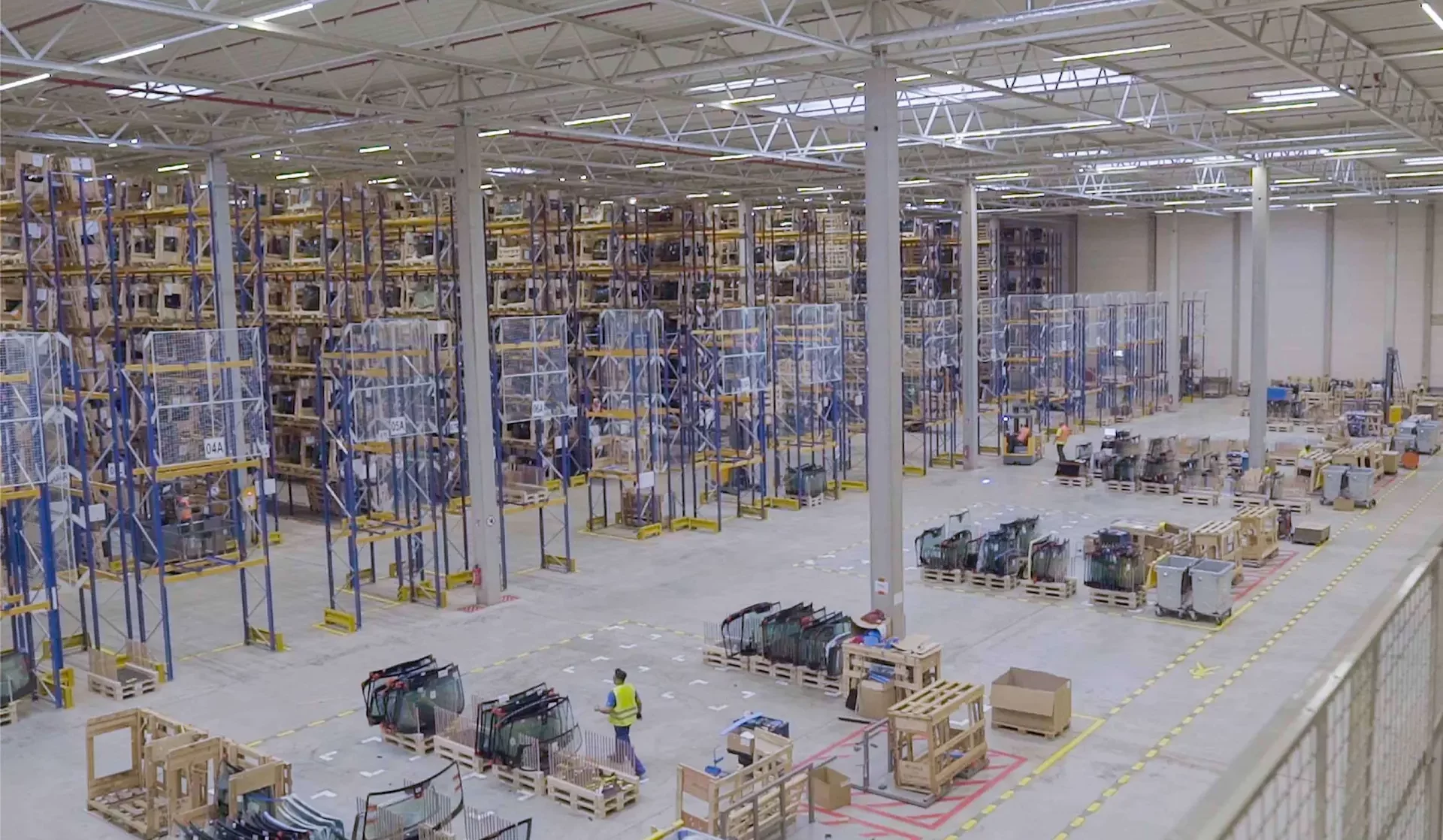
Холодная цепь
Предназначен для стабильной работы в условиях -18°C, обеспечивая надежную логистику холодовой цепи.
Читать далее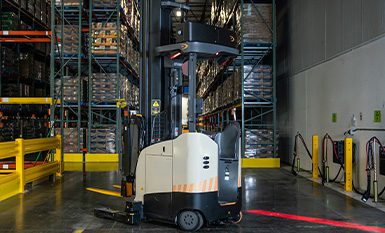
Медицина
Специальное хранилище для медицинских принадлежностей, отвечающее строгим санитарным требованиям и условиям доступа.
Читать далее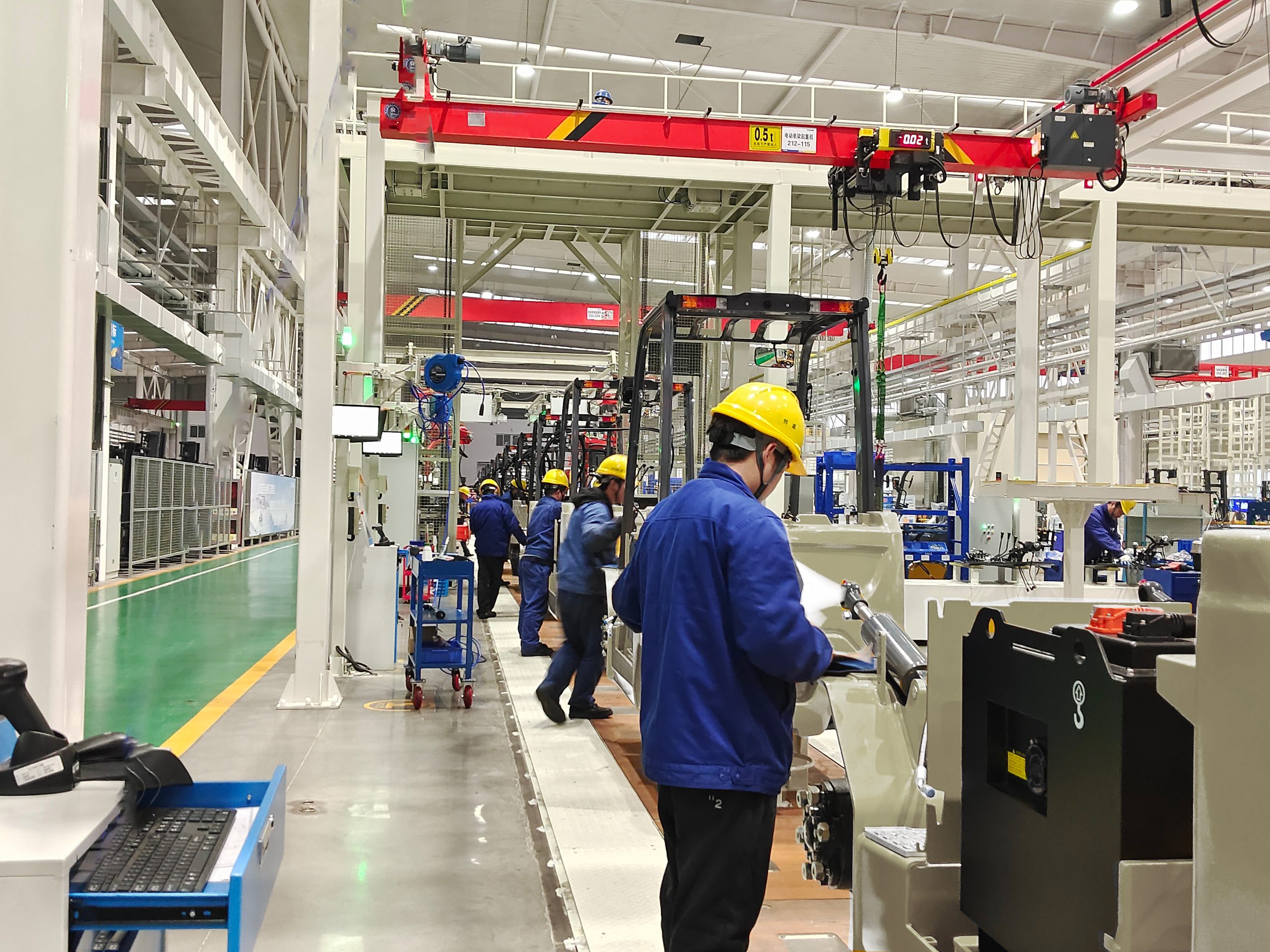
Автомобиль
Эффективное хранение и поиск автомобильных деталей для поддержки производственных процессов.
Читать далее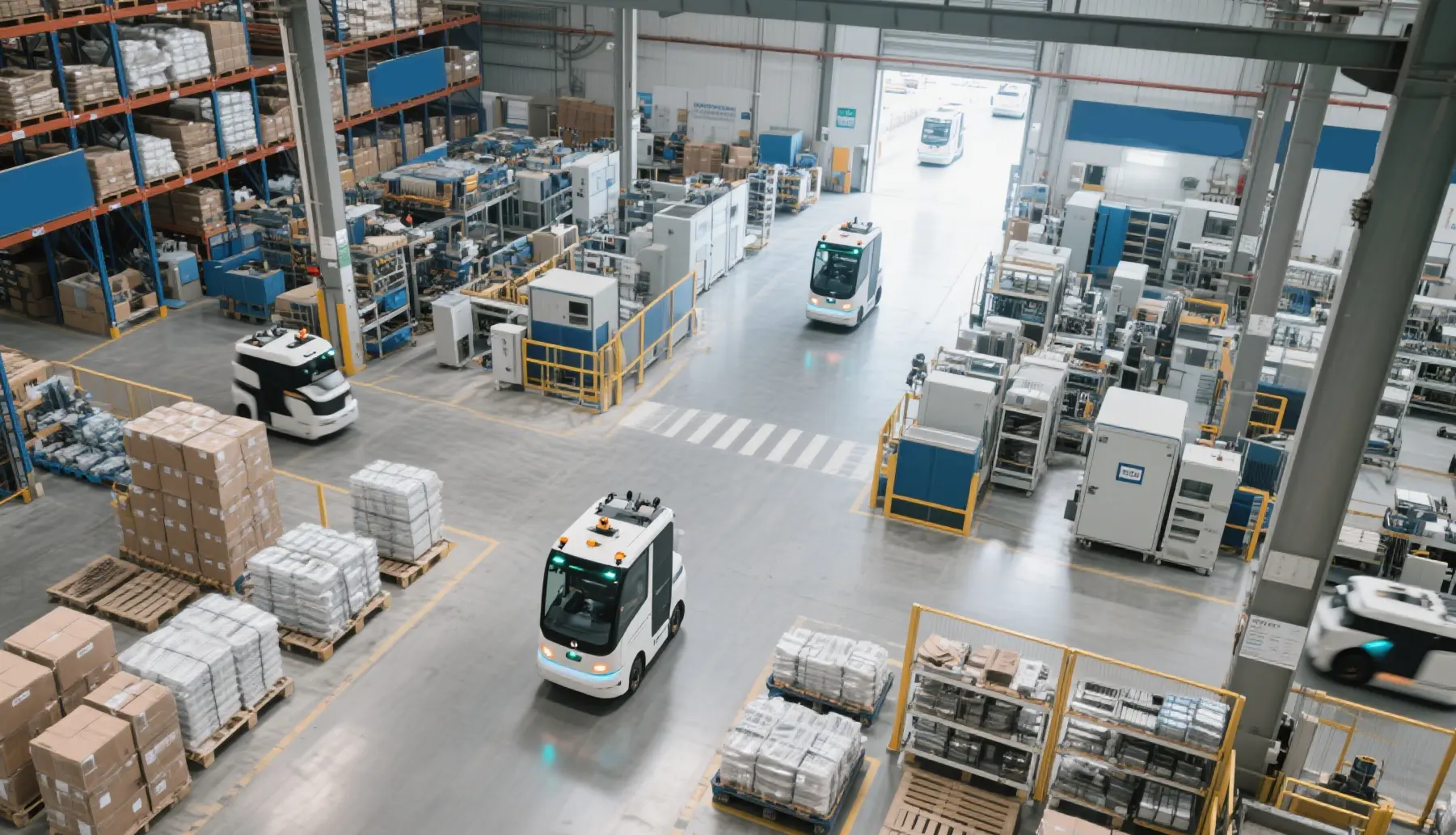
Новая энергия
Инновационные решения по хранению данных для возобновляемых источников энергии, обеспечивающие безопасность и эффективность.
Читать далееПолный комплект запчастей для вилочных погрузчиков за одну неделю
Наша команда экспертов обеспечивает комплексное управление проектами, чтобы помочь вам оптимизировать стоимость, количество и контроль качества ваших заказов на производство деталей для вилочных погрузчиков конечного использования. Узнайте, как достичь больших объемов производства при меньших затратах на запчасти для вилочных погрузчиков, о нашей приверженности качеству и о том, как расширить возможности для поддержки увеличения масштабов производства.
Нажмите здесь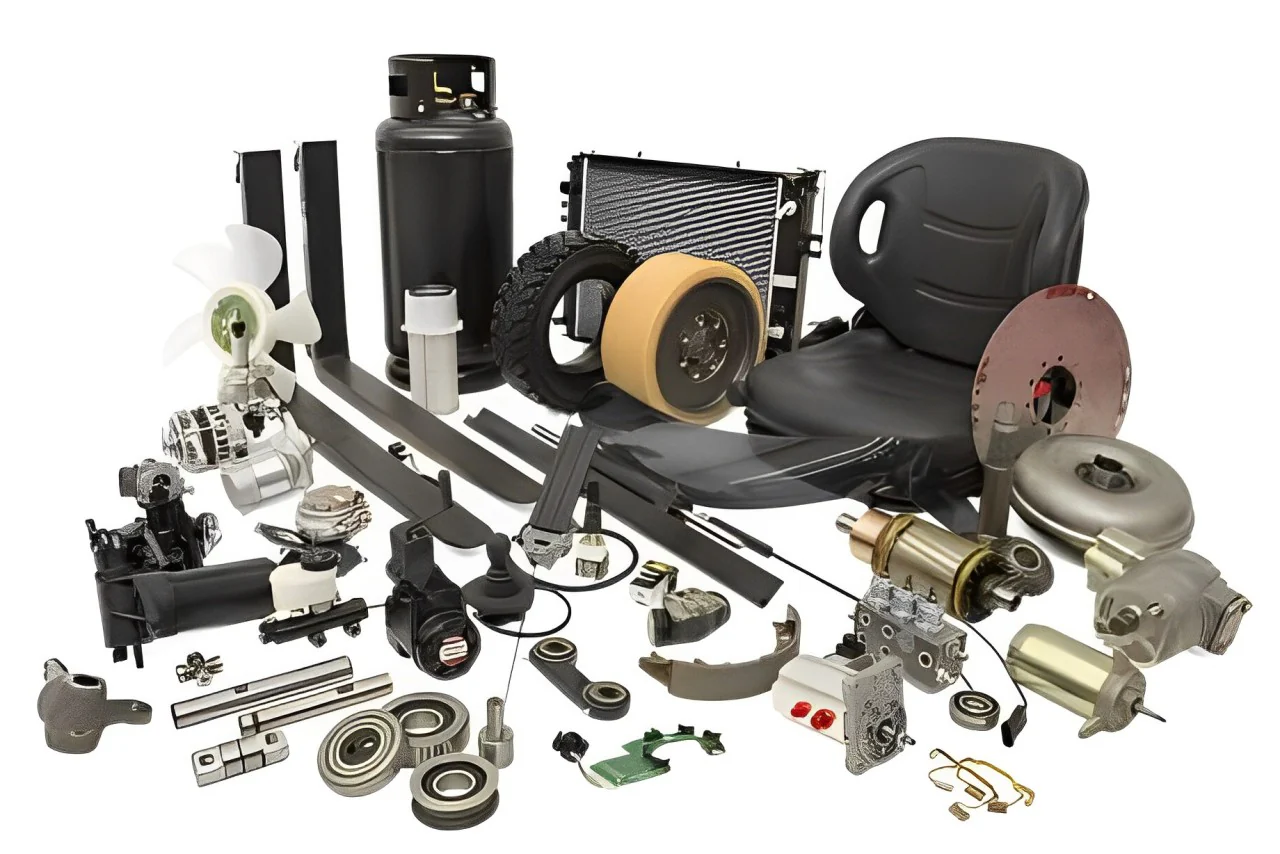
Комплексные производственные решения
Наша производственная сеть не только обладает широкими функциональными возможностями, но и, благодаря собственному автоматизированному оборудованию, заводы Akuros обеспечивают быстрое производство, что позволяет достичь самых быстрых циклов поставки в отрасли. Получите запчасти для вилочных погрузчиков в кратчайшие сроки через Akuros.
Нажмите здесь
Присоединяйтесь к 100 000 предприятий
Великий
На основе 783 отзывов

"За годы работы мы сотрудничали с несколькими поставщиками складских решений, но ни одно из них не сравнилось с эффективностью и долговечностью систем этой компании. Установка прошла гладко, а команда поддержки действительно понимает логистическую отрасль. Настоятельно рекомендуем!"

"После модернизации нашей складской инфраструктуры с помощью их специализированных стеллажных систем мы увидели улучшение использования пространства на 30%. Внимание их команды к деталям и приверженность качеству действительно привлекли мое внимание".

"За годы работы мы сотрудничали с несколькими поставщиками складских решений, но ни одно из них не сравнилось с эффективностью и долговечностью систем этой компании. Установка прошла гладко, а команда поддержки действительно понимает логистическую отрасль. Настоятельно рекомендуем!"