


 Portuguese
  English
  Russian
  French
  Spanish
  German
  Italian
  Korean
  Japanese
  Arabic
  Turkish
  Indonesian
  Dutch
Dutch 

Shuttle Racking Solution
Akuros helps warehouses improve storage density and handling efficiency with shuttle racking, forklift coordination and practical semi-automated pallet storage planning.
Planning Checks Before Layout
- Pallet size, pallet quality and cargo weight
- SKU structure and pallet quantity per SKU
- FIFO or LIFO requirement and batch management method
- Forklift access, shuttle cart quantity and charging strategy
- Cold storage needs, anti-collision protection and traffic flow
Quick Summary
Shuttle racking is a semi-automated high-density pallet storage solution that uses shuttle carts to move pallets inside rack lanes while forklifts handle pallet transfer at the lane entrance. Akuros supports shuttle racking projects by matching rack layout, pallet size, cargo weight, SKU structure, shuttle operation, forklift type, battery configuration and warehouse workflow requirements.
What Is Shuttle Racking?
Shuttle racking is a high-density storage system where pallets are stored in deep rack lanes and moved by a shuttle cart. Instead of forklifts driving deep into rack lanes, the forklift places pallets at the lane entrance, and the shuttle cart transports pallets inside the storage channel.
This solution reduces forklift travel inside racks, improves storage density and supports more efficient pallet storage for warehouses with suitable SKU structure and batch management. Shuttle racking is commonly used in cold storage warehouses, food and beverage warehouses, chemical storage, third-party logistics and high-density pallet storage operations.
Compared with drive-in racking, shuttle racking can improve operational safety and efficiency because the forklift does not need to enter deep rack lanes frequently.
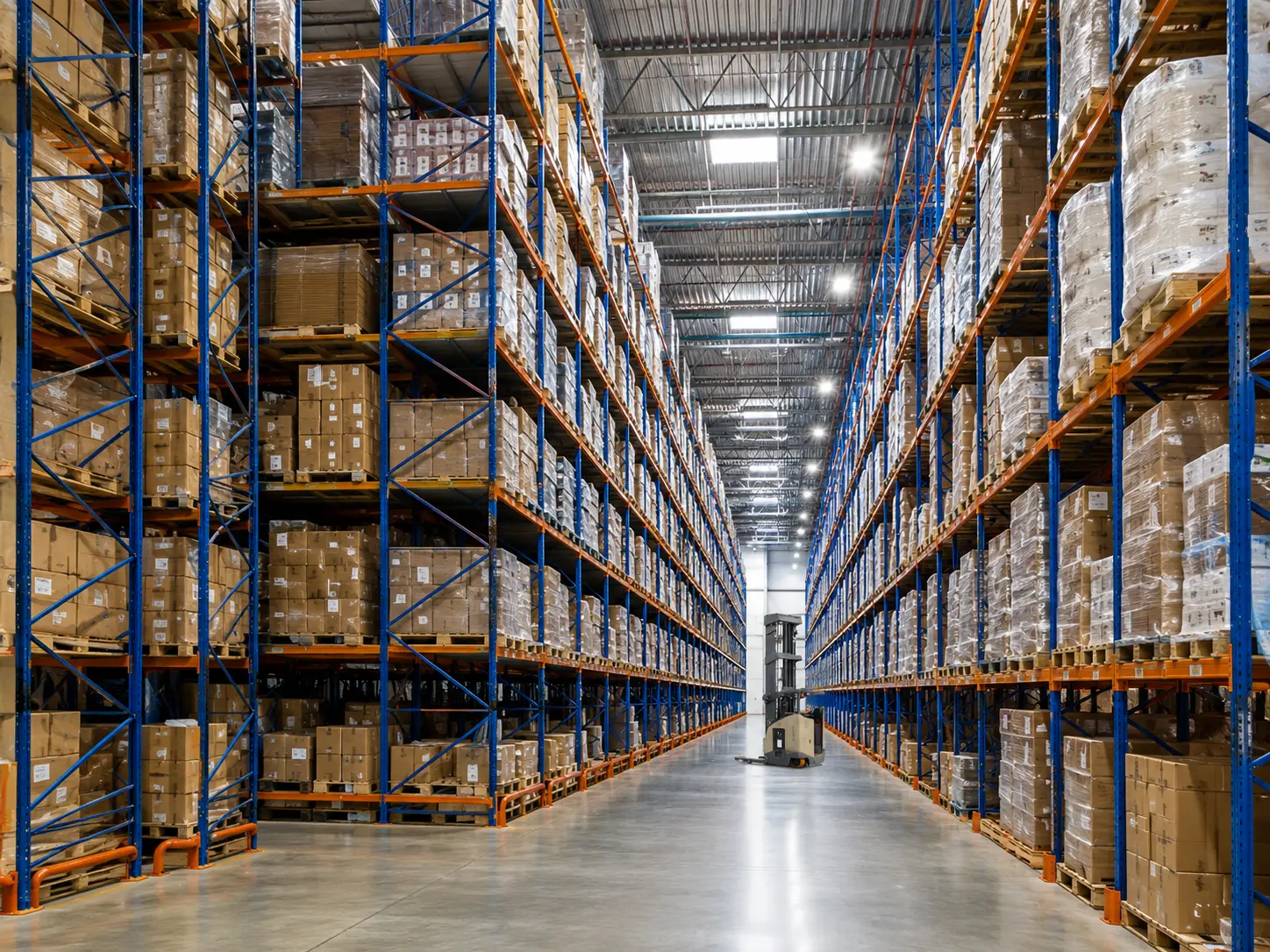
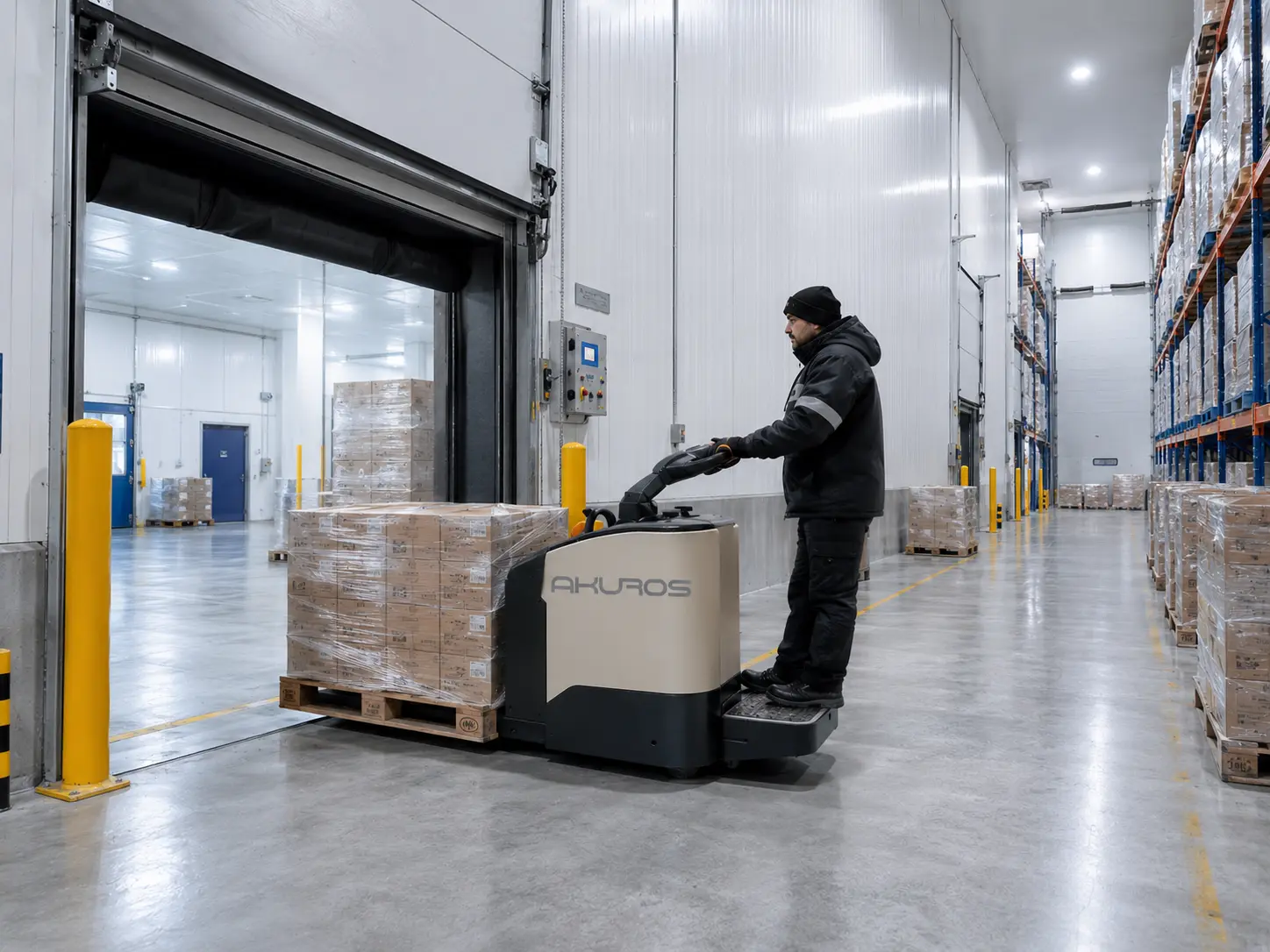
Why Shuttle Racking Is Useful for Warehouse Space Optimization
Many warehouses need higher pallet density but also want better operating efficiency than traditional deep-lane storage systems. Shuttle racking helps solve this problem by combining dense storage with semi-automated pallet movement.
For cold storage warehouses, shuttle racking can be especially valuable because it reduces unnecessary forklift travel inside refrigerated zones and improves the use of expensive cold storage space. For food, beverage and logistics operations, it can support batch storage, organized pallet flow and higher storage capacity.
Akuros helps customers evaluate whether shuttle racking is practical based on SKU quantity, pallet quantity per SKU, pallet flow, warehouse temperature, target capacity, forklift access and budget level.
Shuttle Racking Solution Gallery
Use these image positions as temporary Akuros site placeholders. Replace them later with project drawings, warehouse layouts, racking diagrams or real installation photos.
Shuttle racking lane planning
High-density pallet storage
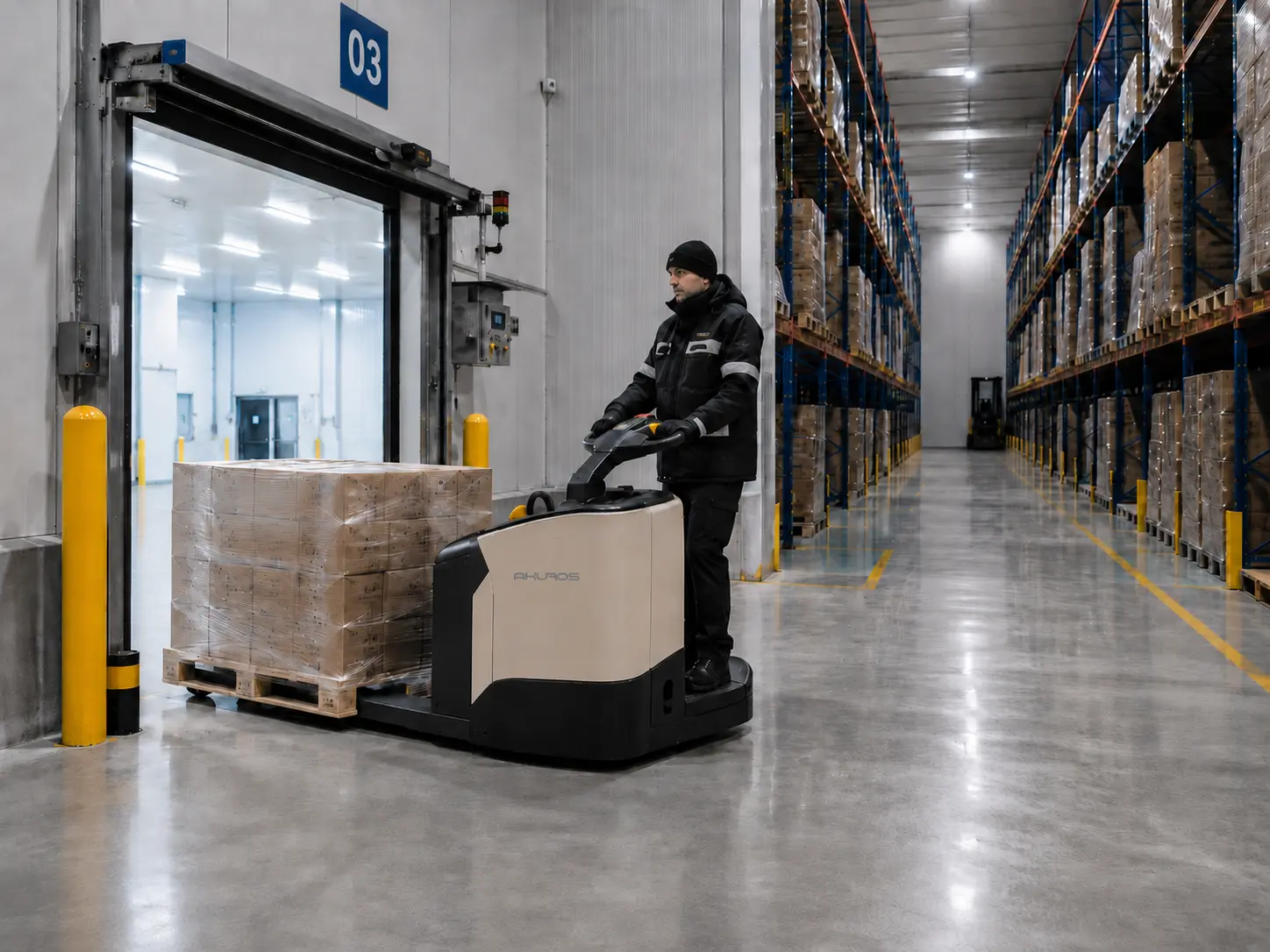
Forklift transfer at lane entrance
Cold storage shuttle racking layout
Batch storage workflow
Semi-automated pallet movement
Best-Fit Applications
Shuttle racking is suitable for warehouses that need high-density pallet storage and more efficient batch handling.
Armazéns de frio
Suitable for cold storage warehouses that need high-density pallet storage and better use of refrigerated space.
Frozen food warehouses
Useful for frozen food warehouses where batch storage, pallet density and efficient lane handling are important.
Food and beverage storage
Supports food and beverage storage operations with clear SKU batches and organized pallet flow.
Chemical and raw material warehouses
Suitable for chemical and raw material warehouses that need dense pallet storage with controlled batch management.
3PL logistics facilities
Helps 3PL logistics facilities manage pallet density, lane allocation and semi-automated pallet movement.
Distribution centers with batch storage
Works for distribution centers where pallets move by batch and lane management is clear.
Warehouses with medium to low SKU variety
Suitable when SKU variety is not too high and each SKU has enough pallet quantity for deep-lane storage.
High-density pallet storage operations
Useful when storage density is a major priority and shuttle carts can improve pallet movement inside rack lanes.
This solution is especially suitable when the warehouse has enough pallet quantity per SKU and clear batch or lane management requirements.
How Shuttle Racking Works
In a shuttle racking system, pallets are stored in rack lanes. A forklift places the pallet at the front of the lane, and the shuttle cart carries the pallet deeper into the rack. When retrieving goods, the shuttle cart brings the pallet back to the lane entrance for forklift pickup.
Depending on the layout and operation design, shuttle racking can support first-in-first-out or first-in-last-out storage methods. The system can be designed for cold storage, ambient warehouses or industrial pallet storage.
Because shuttle racking depends on both mechanical rack design and shuttle cart operation, the system must be planned carefully from the beginning. Rack height, lane depth, pallet quality, batch logic, forklift access, charging method and control system should all be reviewed before implementation.
Key Advantages of Shuttle Racking
Limitations and When Not to Use Shuttle Racking
Shuttle racking is powerful, but it is not suitable for every warehouse. The system requires stronger planning, better pallet quality and clearer batch management than simple selective racking.
Shuttle racking may not be ideal if:
- The warehouse has very high SKU variety
- Each SKU has only a small number of pallets
- Direct access to every pallet is required
- Product packaging or pallet quality is inconsistent
- Initial investment budget is limited
- Operators require highly flexible random picking
- Batch management is not clear
- The warehouse layout changes frequently
In these cases, selective racking, double deep racking or VNA racking may be more suitable.
Forklift and Equipment Matching for Shuttle Racking
Although shuttle racking uses shuttle carts, forklifts are still required for pallet transfer at rack lane entrances. The forklift type must match the aisle width, pallet weight, rack height and daily handling frequency.
Important matching factors include:
- Pallet size
- Pallet quality
- Cargo weight
- Rack lane depth
- Altura de elevação
- Aisle width
- Forklift type
- Inbound/outbound frequency
- Shuttle cart quantity
- Battery charging strategy
- Cold storage configuration
- Anti-collision protection
- Safety and traffic flow
For cold storage applications, battery performance, condensation, low-temperature component selection and charging strategy should also be considered.
Shuttle Racking vs Other Storage Systems
Shuttle Racking vs Selective Racking
Selective racking provides direct access to every pallet, but storage density is lower. Shuttle racking improves density but is better suited for batch storage and fewer SKUs.
Shuttle Racking vs Double Deep Racking
Double deep racking is simpler and requires lower investment than shuttle racking. Shuttle racking can provide higher density and better lane operation efficiency, but it requires shuttle carts and stronger system planning.
Shuttle Racking vs Drive-in Racking
Drive-in racking is usually lower cost and suitable for dense batch storage, but forklift operation inside rack lanes can be slower and riskier. Shuttle racking reduces forklift entry into lanes and improves safety and efficiency.
Shuttle Racking vs VNA Racking
VNA racking provides direct pallet access and better SKU flexibility, while shuttle racking provides higher density for batch storage. The right choice depends on SKU structure, picking requirements and storage strategy.
What Data We Need Before Planning
To evaluate whether shuttle racking is suitable for your warehouse, Akuros usually needs the following information:
- Pallet size with cargo
- Maximum and average pallet weight
- Pallet quality and pallet type
- Warehouse length, width and clear height
- Target pallet positions
- SKU quantity
- Pallet quantity per SKU
- Daily inbound and outbound frequency
- FIFO or LIFO requirement
- Batch management method
- Temperature range
- Existing or preferred forklift type
- Required lift height
- Aisle width limitation
- Charging area and power supply
- Door and loading dock position
- Future expansion plan
With this data, Akuros can help compare shuttle racking with double deep, drive-in, selective and VNA options.
Why Choose Akuros for Shuttle Racking Solutions
Akuros understands that shuttle racking is not just a rack system. It is a coordinated storage solution involving racking design, shuttle carts, forklifts, pallets, batteries, charging strategy, traffic planning and warehouse workflow.
We help customers evaluate whether shuttle racking is truly suitable before making a recommendation. This helps avoid over-investment, poor SKU matching, low shuttle utilization or workflow mismatch.
For cold storage, food, beverage, chemical and 3PL warehouse projects, Akuros can help build a shuttle racking solution that balances storage density, operating efficiency, safety and long-term cost.
Learn more about Akuros
FAQ
These questions and answers match the FAQPage structured data below.
What is shuttle racking?
Shuttle racking is a semi-automated high-density pallet storage system. A shuttle cart moves pallets inside rack lanes while forklifts place and retrieve pallets at the lane entrance.
What warehouses are suitable for shuttle racking?
Shuttle racking is suitable for cold storage, food and beverage, chemical, 3PL and batch storage warehouses with enough pallet quantity per SKU and clear lane management.
Is shuttle racking suitable for cold storage?
Yes. Shuttle racking is commonly used in cold storage because it improves storage density and can reduce forklift travel inside refrigerated areas.
Does shuttle racking support FIFO?
Yes. Shuttle racking can support FIFO or LIFO depending on the system layout and access design. FIFO layouts usually require access from both sides of the lane.
Is shuttle racking better than drive-in racking?
It depends on the project. Shuttle racking usually provides better efficiency and safety because forklifts do not need to enter rack lanes frequently. Drive-in racking may have lower initial cost but lower operating efficiency.
What forklift is needed for shuttle racking?
Forklifts are still required to place and retrieve pallets at rack lane entrances. The forklift type depends on aisle width, pallet weight, lift height and warehouse layout.
What information is needed to design shuttle racking?
Key information includes pallet size, pallet weight, SKU quantity, pallet quantity per SKU, warehouse dimensions, target pallet positions, FIFO/LIFO requirement, temperature range and daily inbound/outbound frequency.
Can Akuros provide shuttle racking and matching equipment?
Yes. Akuros can support shuttle racking, forklifts, batteries, chargers, anti-collision protection, spare parts and warehouse equipment coordination for overseas projects.