


 Portuguese
  English
  Russian
  French
  Spanish
  German
  Italian
  Korean
  Japanese
  Arabic
  Turkish
  Indonesian
  Dutch
Dutch 

Selective Pallet Racking Solution
Akuros helps warehouses build flexible pallet storage systems with selective racking, forklift matching, aisle planning and practical warehouse equipment support.
Planning Checks Before Layout
- SKU quantity and direct pallet access requirements
- Pallet size, cargo weight and load center
- Aisle width, rack height and forklift type
- Beam level adjustment and inventory flexibility
- Battery, tire, safety protection and daily workflow support
Quick Summary
Selective pallet racking is one of the most common warehouse storage systems for palletized goods. It provides direct access to every pallet position, supports high SKU variety, and works with different forklift types. Akuros helps customers match selective racking with suitable forklifts, aisle width, pallet size, load capacity, rack height, batteries, tires and safety equipment for practical warehouse operation.
What Is Selective Pallet Racking?
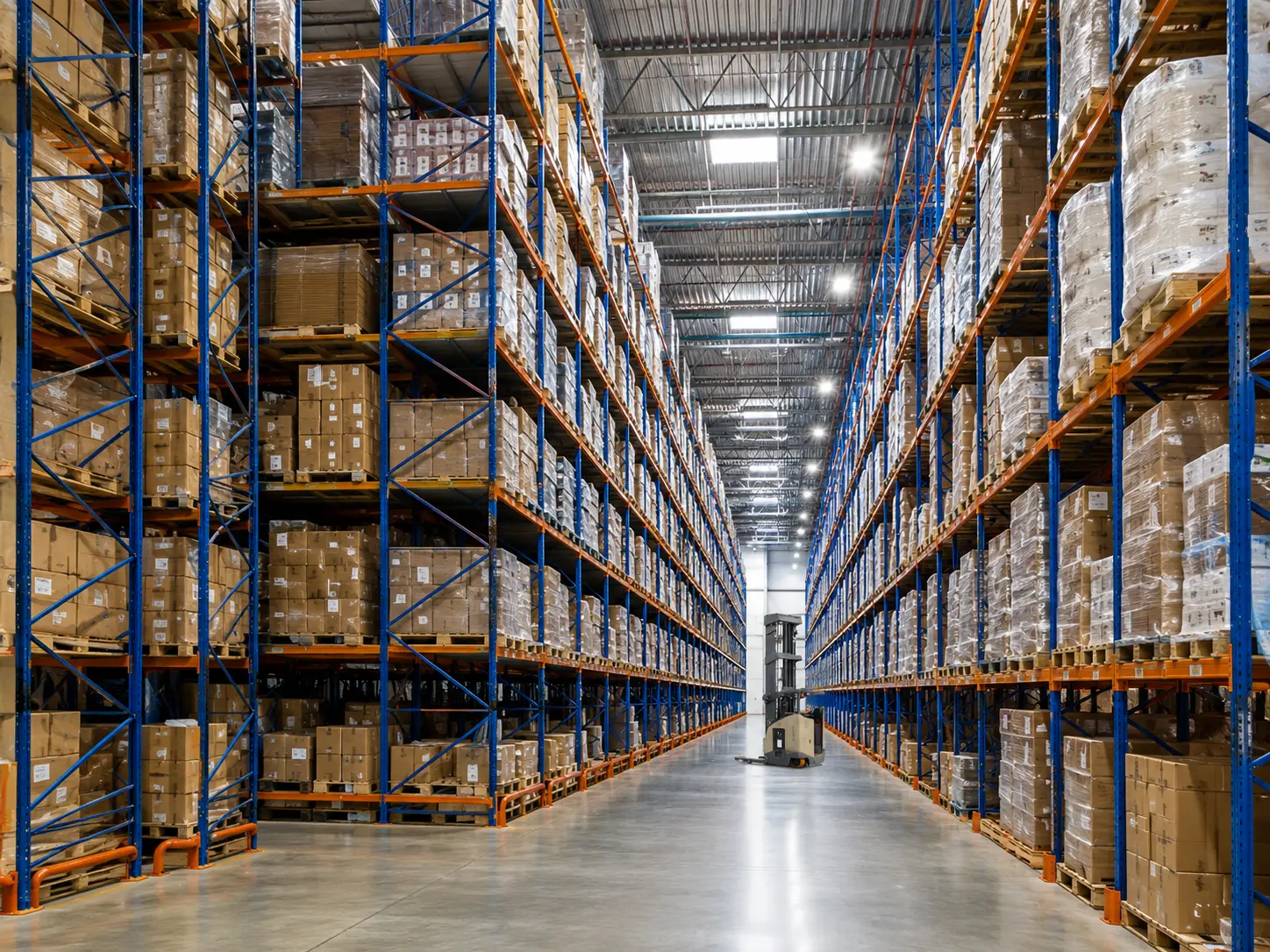
Selective pallet racking is a standard pallet storage system where each pallet position can be accessed directly by forklift. It is widely used in warehouses that need flexibility, easy inventory control and fast pallet picking.
This system is suitable for operations with many SKUs, mixed inventory, frequent pallet access and changing storage requirements. It is commonly used in logistics centers, manufacturing warehouses, retail distribution, food warehouses, spare parts storage and general industrial facilities.
Compared with high-density systems such as double deep, drive-in or shuttle racking, selective racking provides better pallet accessibility but usually requires more aisles and therefore lower storage density.
Why Selective Racking Is Still Widely Used
Many warehouses choose selective pallet racking because it is flexible, simple to operate and easy to adjust. If a warehouse handles many different products, frequent stock rotation or mixed pallet types, direct pallet access can be more important than maximum storage density.
Selective racking also gives operators more freedom in daily warehouse management. Pallets can be stored, picked, relocated and replenished without needing to move another pallet first. This makes it useful for warehouses where SKU structure changes often or where fast access is required.
Akuros helps customers evaluate whether selective racking is the right solution based on SKU quantity, pallet weight, picking frequency, forklift type, aisle width and target storage capacity.
Selective Pallet Racking Solution Gallery
Use these image positions as temporary Akuros site placeholders. Replace them later with project drawings, warehouse layouts, racking diagrams or real installation photos.
Selective pallet racking layout
Direct pallet access aisle
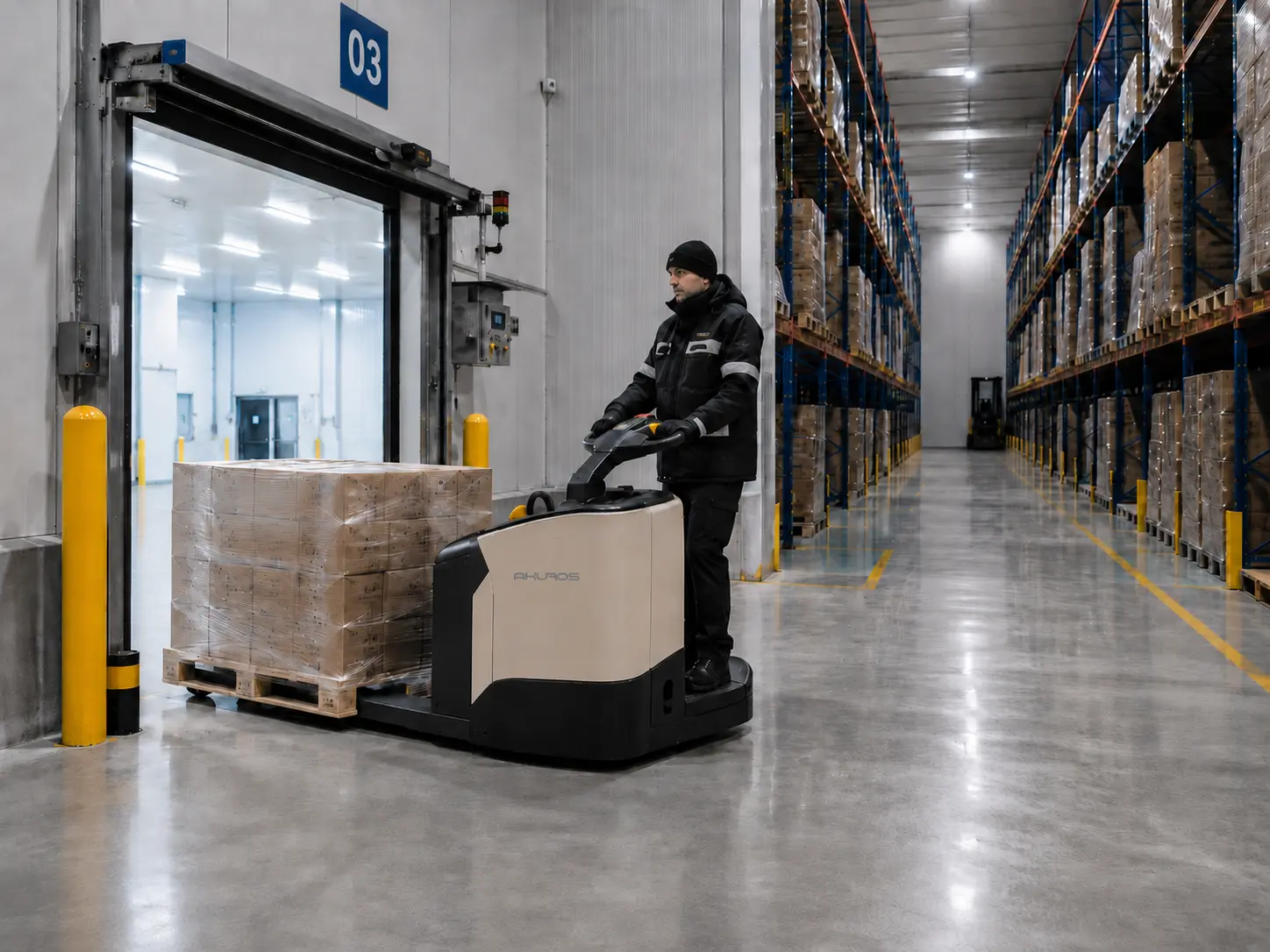
Forklift aisle planning
Níveis ajustáveis das vigas
Warehouse inventory visibility
Flexible pallet storage operation
Best-Fit Applications
Selective pallet racking is suitable for warehouses that need high flexibility and direct pallet access.
3PL logistics warehouses
Suitable for third-party logistics operations that manage many SKUs, mixed pallet types and frequent inbound and outbound movement.
Manufacturing warehouses
Supports production-side storage where raw materials, semi-finished goods and finished pallets need direct access and flexible movement.
Centros de distribuição do varejo
Useful for retail distribution centers that need practical inventory control, fast pallet selection and frequent replenishment.
Armazéns de produtos alimentares e bebidas
Fits food and beverage warehouses where different product batches, pallet sizes and stock rotation requirements must be managed clearly.
Armazéns de comércio eletrônico
Suitable for e-commerce warehouse operations with changing inventory structures and frequent pallet handling.
Spare parts warehouses
Helps spare parts warehouses keep many SKUs visible, accessible and easier to manage.
Industrial storage facilities
Works for general industrial facilities where palletized goods need flexible storage and direct forklift access.
Cold storage warehouses with high SKU variety
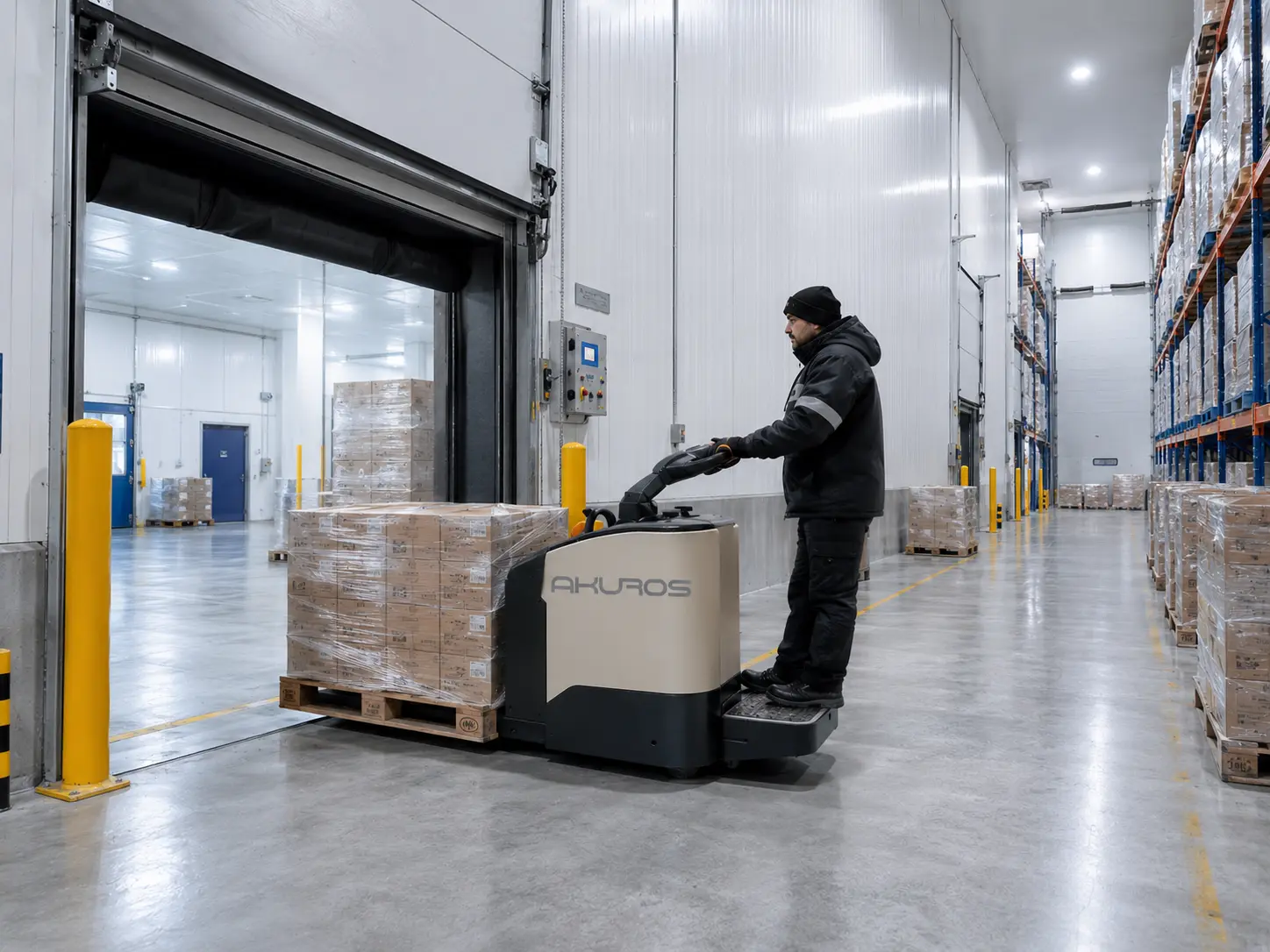
Can be used in cold storage warehouses when direct pallet access and high SKU variety are more important than maximum pallet density.
Warehouses with frequent inbound and outbound movement
Useful when pallets need to be stored, picked, relocated and replenished without moving another pallet first.
This solution is especially suitable when every pallet needs to be accessed directly and when storage flexibility is more important than maximum pallet density.
How Selective Pallet Racking Works
Selective pallet racking uses upright frames and horizontal beams to create pallet storage levels. Forklifts access pallets directly from the aisle. Beam heights can usually be adjusted according to pallet height, cargo height and storage needs.
The system can be configured for different warehouse heights, pallet sizes and load capacities. It can work with counterbalance forklifts, reach trucks and other warehouse handling equipment depending on aisle width and rack height.
Because selective racking requires forklift aisles between rack rows, aisle planning is one of the most important design factors. Wider aisles allow easier forklift operation, while narrower aisles can improve storage capacity if the right forklift is selected.
Key Advantages of Selective Pallet Racking
Limitations and When Not to Use Selective Racking
Selective racking is highly flexible, but it is not always the best solution for storage density. Because each rack row needs forklift access, the system usually requires more aisles and uses more floor space for movement.
Selective racking may not be ideal if:
- The main goal is maximum pallet positions
- The warehouse has few SKUs and large batch storage
- Cold storage operating cost makes aisle waste too expensive
- The customer wants high-density storage
- Warehouse floor area is very limited
- A semi-automated or automated solution is required
- Pallet movement is mostly batch-in and batch-out
In these cases, double deep racking, drive-in racking, shuttle racking or VNA racking may be more suitable.
Forklift Matching for Selective Racking
Selective racking must still be matched with the right forklift. Even though the system is flexible, poor forklift selection can create problems such as wide aisle waste, insufficient lift height, low residual capacity or inefficient pallet handling.
Important forklift matching factors include:
- Pallet size
- Cargo weight
- Load center
- Rack beam height
- Required lift height
- Aisle width
- Raio de giro
- Forklift type
- Battery type
- Tire type
- Operating environment
- Cold storage configuration if needed
For wider aisles, counterbalance forklifts may be suitable. For higher racking and narrower aisles, reach trucks may be more practical. Akuros helps customers compare forklift options before finalizing the racking layout.
Selective Racking vs Other Storage Systems
Selective Racking vs Double Deep Racking
Selective racking provides direct access to every pallet, while double deep racking stores pallets two positions deep to increase storage capacity. Double deep is suitable when each SKU has multiple pallets and higher density is required.
Selective Racking vs VNA Racking
VNA racking can maintain direct pallet access while reducing aisle width and improving space utilization. However, VNA requires specialized forklifts, better floor conditions and more careful project planning.
Selective Racking vs Drive-in Racking
Drive-in racking provides high-density storage for fewer SKUs and batch storage, but pallet access and efficiency are more limited. Selective racking is better for warehouses with many SKUs and frequent picking.
Selective Racking vs Shuttle Racking
Shuttle racking provides high-density semi-automated storage, but investment and batch management requirements are higher. Selective racking is simpler and more flexible for mixed inventory operations.
What Data We Need Before Planning
To design a practical selective pallet racking solution, Akuros usually needs the following information:
- Pallet size with cargo
- Maximum and average pallet weight
- Warehouse length, width and clear height
- Target pallet positions
- SKU quantity
- Daily inbound and outbound frequency
- Required lift height
- Preferred forklift type
- Existing aisle width or target aisle width
- FIFO or storage access requirement
- Temperature range
- Door and loading dock position
- Fire system or sprinkler constraints
- Future expansion plan
With this data, Akuros can help determine rack height, beam levels, aisle width, forklift type and whether selective racking is the best choice compared with other storage systems.
Why Choose Akuros for Selective Pallet Racking Solutions
Akuros understands that selective pallet racking is not only a rack structure. It is part of the full warehouse operation.
We help customers connect pallet data, forklift type, aisle width, rack height, battery strategy, tires, safety protection and daily workflow into one practical storage solution. This helps reduce the risk of equipment mismatch and supports smoother warehouse operation.
For logistics, manufacturing, food, retail and industrial warehouse projects, Akuros can provide selective pallet racking solutions that balance accessibility, flexibility, safety and operating efficiency.
Learn more about Akuros
FAQ
These questions and answers match the FAQPage structured data below.
What is selective pallet racking?
Selective pallet racking is a warehouse storage system that allows direct access to every pallet position. It is commonly used for warehouses with many SKUs and frequent pallet movement.
What are the main advantages of selective racking?
The main advantages are 100% pallet accessibility, flexible beam adjustment, compatibility with different forklifts, easy inventory management and broad suitability across many warehouse types.
Is selective racking suitable for cold storage?
Yes. Selective racking can be used in cold storage warehouses, especially when direct pallet access and high SKU variety are important. However, if cold storage space cost is high, denser systems may also need to be evaluated.
What forklifts are suitable for selective racking?
Counterbalance forklifts and reach trucks are commonly used with selective racking. The right choice depends on aisle width, lift height, pallet weight and warehouse layout.
Does selective racking provide the highest storage density?
No. Selective racking provides high flexibility and direct access, but storage density is lower than double deep, drive-in, shuttle or some VNA systems.
When should I choose selective racking?
Selective racking is suitable when your warehouse has many SKUs, frequent picking, mixed pallet types or changing inventory requirements. It is a good choice when flexibility matters more than maximum density.
What information is needed to design selective racking?
Key information includes pallet size, cargo weight, warehouse dimensions, clear height, target pallet positions, SKU quantity, forklift type, aisle width and storage access requirements.
Can Akuros supply forklifts and selective racking together?
Yes. Akuros can help match selective racking with suitable counterbalance forklifts, reach trucks, batteries, tires, attachments and safety equipment.