

 Portuguese
  English
  Russian
  French
  Spanish
  German
  Italian
  Korean
  Japanese
  Arabic
  Turkish
  Indonesian
  Dutch
Dutch 

A Flexible Pallet Storage System for Balanced Warehouse Planning
In warehouse planning, the choice of racking is often a balance between
storage capacity, operational flexibility, and investment control.
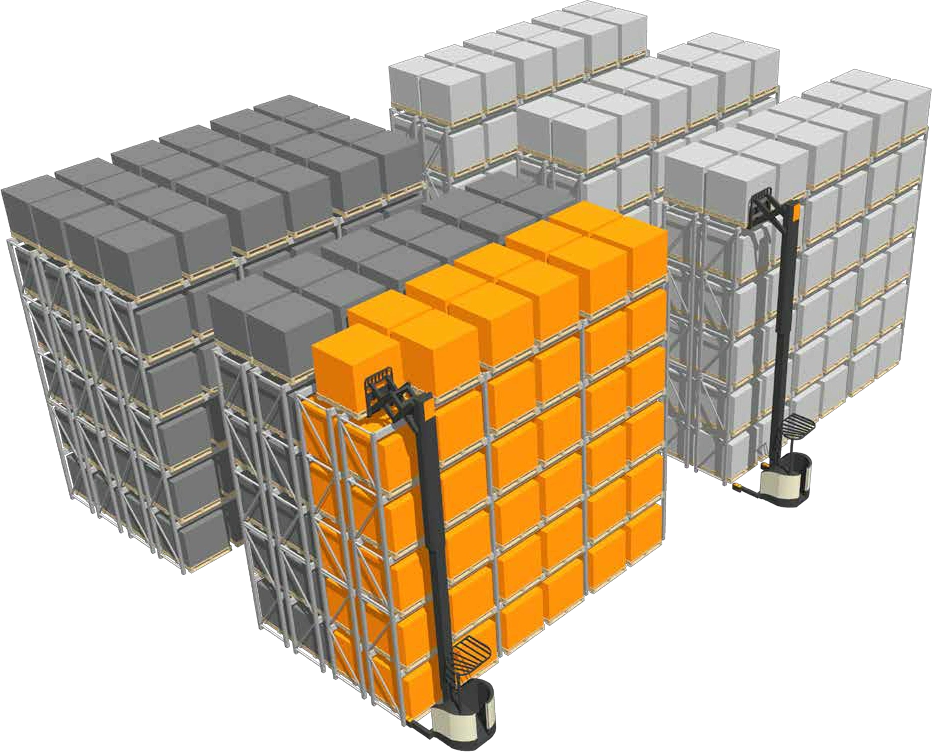
O Akuros Double-Deep Racking System is designed for warehouses that need higher pallet concentration than selective racking, while still retaining manual access and operational simplicity without moving into fully automated systems.
System Overview at a Glance
| Item | Descrição |
|---|---|
| Storage System Type | Double-Deep Pallet Racking |
| Core Planning Concept | Capacity increase with controlled complexity |
| Pallet Positioning | Two pallet positions in depth |
| Rack Structure | Frame-and-beam modular system |
| Typical Load Range | 1000–2000 kg per pallet (configurable) |
| Inventory Access Mode | LIFO (Last In, First Out) |
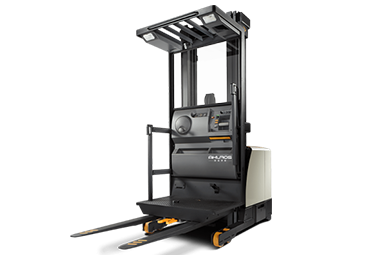
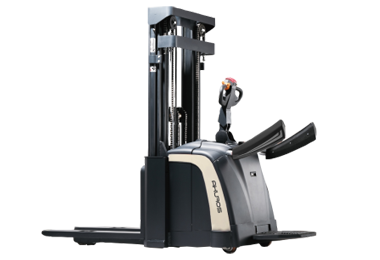
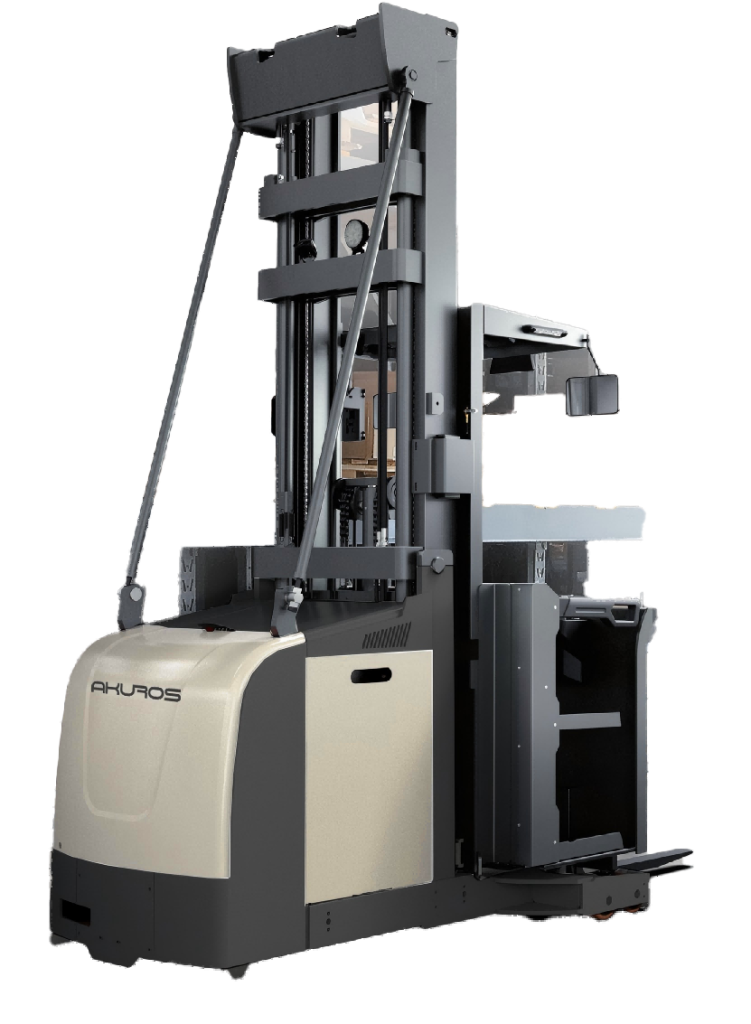
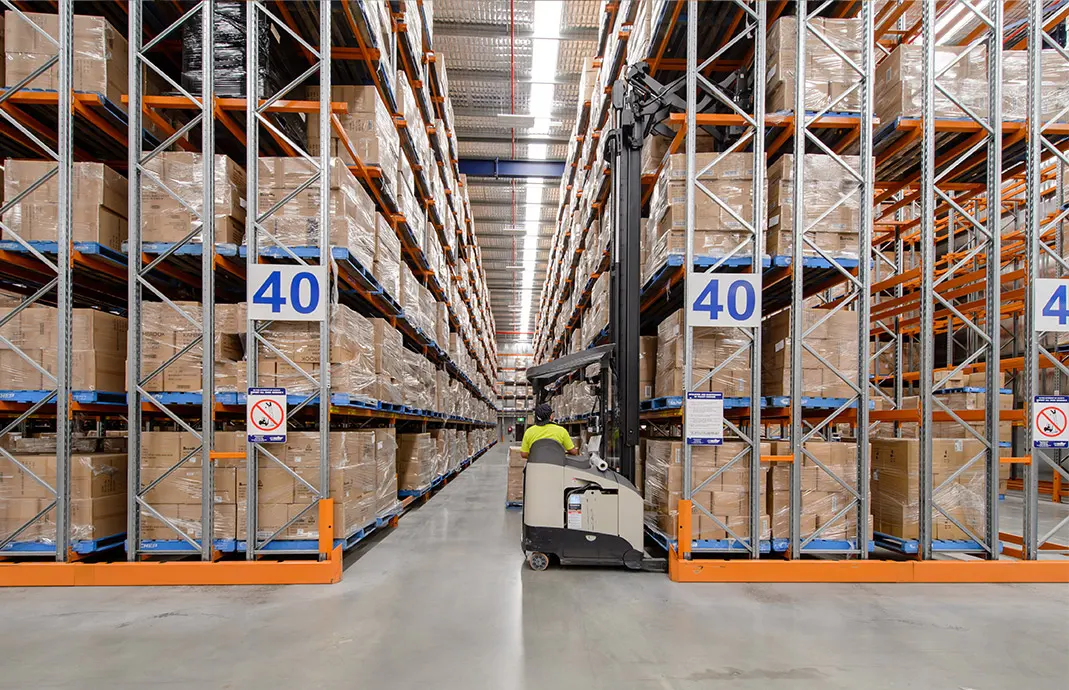
| Equipment Interface | Double-deep reach truck |
| Installation Area | Indoor warehouse |
| Escalabilidade do sistema | Expandable by bay and height |
| Custom Engineering | Layout & load design available |
How Double-Deep Racking Supports Practical Warehouse Growth
A Step Between Selective and Automated Storage
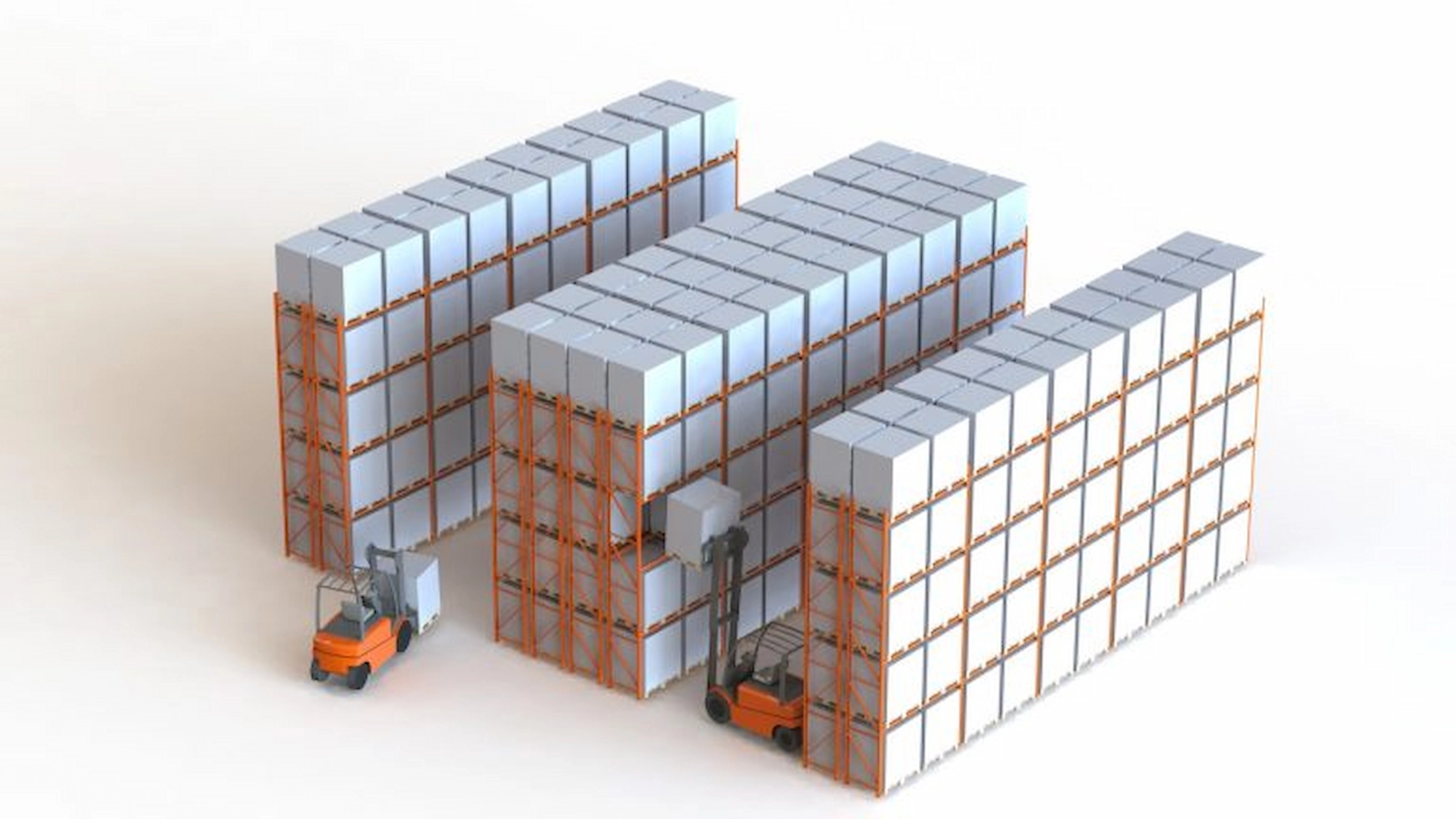
Double-deep racking sits between standard selective racking e highly automated systems, offering a practical upgrade path for warehouses that have outgrown basic layouts but are not ready for automation investment.
Capacity Expansion Without Structural Change
By reducing aisle count and increasing pallet positions per bay, the system allows warehouses to increase storage volume within the existing building envelope, avoiding structural modification or relocation.
Modular Design for Future Adjustment
Beam levels and bay configurations can be adjusted as pallet size, SKU mix, or storage strategy changes—supporting long-term planning flexibility.
Typical Application Scenarios
The Akuros Double-Deep Racking System is well suited for:
-
Warehouses with moderate SKU variety and palletized goods
-
Facilities transitioning from selective racking
-
Cold and ambient storage with predictable stock flow
-
Manufacturing warehouses with batch-based inventory
-
Distribution centers balancing capacity and accessibility
In these environments, the system provides a measured upgrade in storage efficiency without disrupting daily operations.
Key Planning Considerations Before Selection
Before implementing a double-deep racking system, warehouse planners should evaluate:
-
Inventory rotation strategy (LIFO suitability)
-
Pallet consistency and load stability
-
Reach truck availability and operator skill
-
Long-term storage growth expectations
Akuros supports customers with layout simulation and racking configuration planning to ensure system alignment with real operational needs.
Practical Suitability Checklist
The Akuros Double-Deep Racking System is a strong option if your warehouse requires:
-
Higher pallet capacity than selective racking
-
Manual access without automation complexity
-
Scalable racking layout for future expansion
-
Efficient use of vertical warehouse space
-
A cost-balanced storage system solution
Perguntas frequentes (FAQ)
Q1: How does double-deep racking differ from selective racking?
A: Double-deep racking stores two pallets in depth, reducing aisle count and increasing pallet capacity compared to selective racking.
Q2: Is double-deep racking suitable for fast-moving SKUs?
A: It is best suited for products with predictable rotation, as the system operates on a LIFO access principle.
Q3: Does the system require special forklifts?
A: Yes. Double-deep reach trucks are required to access pallets stored in the rear position.
Q4: Can the racking layout be expanded later?
A: Yes. The modular design allows for additional bays or height extensions as storage needs grow.
Q5: Is double-deep racking suitable for cold storage warehouses?
A: Yes. It is commonly used in both ambient and cold storage environments with proper engineering considerations.
Closing Summary
O Akuros Double-Deep Racking System offers a balanced approach to warehouse storage expansion, combining increased pallet capacity with operational simplicity.
It is an ideal solution for facilities seeking a measured step forward in storage efficiency without committing to complex automation.