

 Korean
  English
  Russian
  French
  Spanish
  German
  Italian
  Portuguese
  Japanese
  Arabic
  Turkish
  Indonesian
  Dutch
Dutch 

As global demand for fresh and high-quality food continues to rise, cold storage logistics has become the backbone of modern food distribution. From fruits and vegetables to frozen meats and seafood, a well-designed cold storage warehouse ensures that products remain fresh, safe, and ready to reach consumers’ tables faster than ever.
이 문서에서는 core functions, key configurations, and design essentials of a logistics cold storage warehouse, offering practical insights for companies looking to build or upgrade their facilities.
🌡 Why Cold Storage Matters in the Logistics Chain
그리고 logistics cold chain plays a crucial role in maintaining the freshness and quality of temperature-sensitive goods. By transporting products in refrigerated trucks and storing them in temperature-controlled warehouses, businesses can ensure that perishable items maintain optimal quality throughout distribution.
Modern cold storage facilities not only prevent spoilage but also improve efficiency and reduce operational costs when properly designed and maintained.
🧊 Construction Considerations for Cold Storage Warehouses
Unlike conventional warehouses, cold storage construction presents unique engineering challenges. The structure is built and assembled under normal temperature conditions, but once operational, it must withstand extremely low temperatures for long periods.
This large temperature difference causes thermal stress and structural deformation, much higher than in ordinary buildings. Therefore, engineers must carefully calculate temperature-induced stress to prevent “cold bridge” formation—areas where heat can leak through insulation, reducing efficiency.
Additionally:
-
그리고 floor must include anti-freeze layers to prevent ground frost heaving, which could damage the foundation.
-
Materials used in the structure should have strong frost resistance and durability to ensure longevity in low-temperature conditions.
-
Proper insulation and vapor barriers are key to maintaining consistent temperatures and energy efficiency.
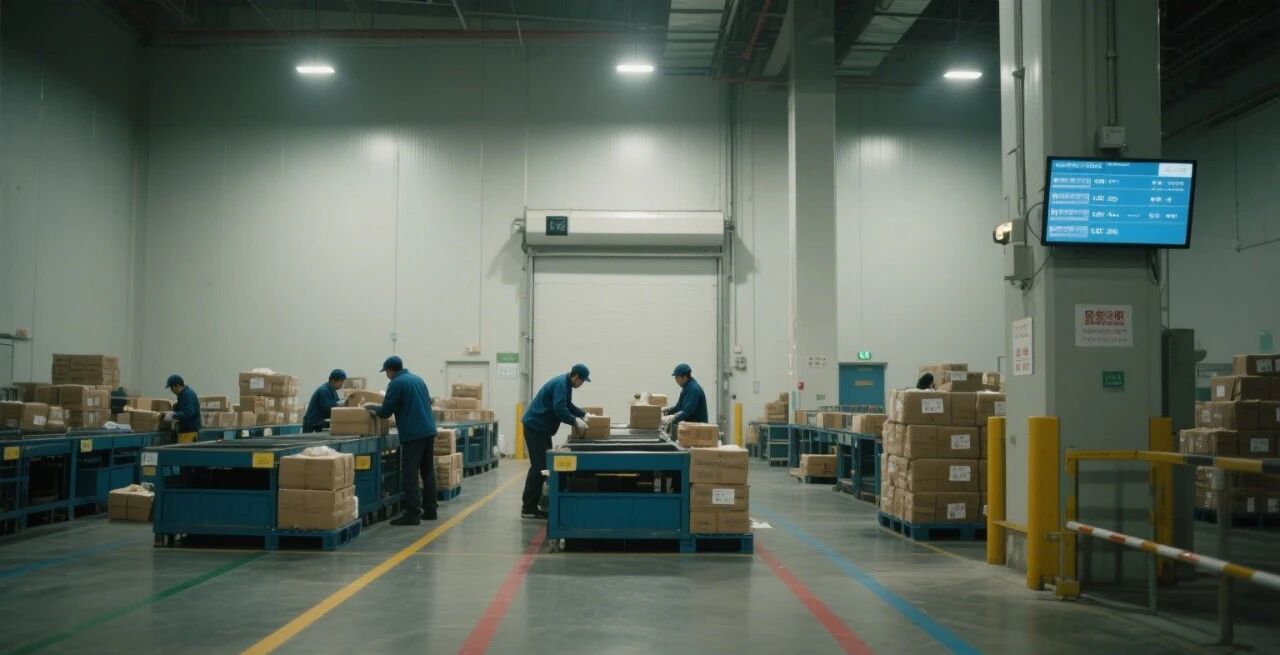
🏭 Core Functions of a Logistics Cold Storage Warehouse
1. Circulation and Processing Functions
A modern cold storage distribution center goes beyond storage—it integrates multiple processing operations such as:
-
Sorting and weighing
-
Repackaging or breaking down bulk packaging
-
Labeling and barcoding
-
Assembling mixed product pallets
These tasks add value and enhance the overall service quality of the cold chain logistics system. Efficient flow-through processing enables faster turnover and reduces product handling times.
2. Refrigerated Distribution and Delivery
Unlike traditional warehouses that simply store goods, refrigerated distribution centers emphasize full-cycle logistics functions. These include:
-
Storage and preservation
-
Sorting and distribution
-
Value-added processing
-
Real-time inventory and information management
Such integration allows for seamless coordination between suppliers, distributors, and end customers, ensuring that perishable goods move efficiently through every stage of the cold chain.
⚙️ Essential Configurations of a Cold Storage Warehouse
1. Cold Storage Door Systems
Conventional sliding cold room doors are no longer sufficient for busy logistics operations. Frequent door opening leads to temperature loss and energy waste.
Modern cold storage facilities should use:
-
Automatic vertical lift doors 또는 high-speed roll-up doors
-
Dock levelers and hydraulic lift platforms to achieve “dock-to-dock” loading operations
These upgrades minimize air exchange between rooms, reduce cooling loss, and improve operational efficiency during high-volume loading and unloading.
2. Intermediate (Buffer) Room Design
A well-designed buffer room helps prevent temperature fluctuations caused by frequent door openings. It reduces frost buildup and maintains stable operating conditions.
For facilities with large throughput, a dedicated sorting or staging area should be included, typically maintained between 0–7°C. This ensures optimal conditions for sorting and preparing goods before they enter or exit the main cold zone.
3. Cold Truck Operation Planning
Efficient refrigerated vehicle management is vital to the success of any cold storage facility. Before construction or renovation, businesses should provide key operational data—such as vehicle dimensions, turnover frequency, and loading times—to help engineers optimize the vehicle access and parking zones for smooth flow and energy efficiency.
❄ Best Practices for Energy Efficiency
To build a cost-effective and reliable cold storage warehouse, consider the following:
-
Use smart temperature monitoring systems to track performance in real time.
-
Select high-efficiency insulation panels to reduce energy consumption.
-
Implement zoning to separate areas with different temperature requirements.
-
Leverage automation and AGV systems for efficient internal transport and reduced labor costs.
Akuros’ cold storage solutions integrate intelligent monitoring, energy management, and forklift automation, helping clients enhance performance while reducing total cost of ownership.
📦 Real-World Benefits
A well-designed logistics cold storage system can:
-
Extend the shelf life of perishable goods
-
Reduce product loss and waste
-
Improve warehouse productivity and accuracy
-
Minimize energy consumption and maintenance costs
-
Support sustainable operations
에서 food manufacturers and distributors 에 retail chains and e-commerce platforms, efficient cold storage infrastructure is the foundation of modern supply chains.
❓ FAQ: Common Questions About Cold Storage Warehouses
Q1: What temperature should a cold storage warehouse maintain?
A: It depends on the product type. Fresh produce typically requires 0–7°C, while frozen goods need temperatures of -18°C or lower.
Q2: How can I prevent frost buildup inside my cold room?
A: Install air curtains or buffer rooms, minimize door openings, and maintain proper ventilation to reduce humidity.
Q3: What’s the best insulation material for cold storage construction?
A: Polyurethane (PU) or polyisocyanurate (PIR) panels are widely used for their excellent thermal insulation and moisture resistance.
Q4: How often should equipment in a cold storage facility be maintained?
A: Regular maintenance every 3–6 months ensures optimal energy efficiency, safety, and equipment lifespan.
🔍 Final Thoughts
As the demand for high-quality, fresh, and frozen food continues to grow, cold storage logistics will remain at the heart of the modern supply chain. A well-designed cold storage warehouse—supported by efficient systems and technologies like those from 아쿠로스—not only ensures food safety but also enhances operational efficiency and long-term profitability.