

 Korean
  English
  Russian
  French
  Spanish
  German
  Italian
  Portuguese
  Japanese
  Arabic
  Turkish
  Indonesian
  Dutch
Dutch 

감사 전체를 바꿔 놓은 오후의 열기 점검
“왜 우리 팔레트는 직원들보다 더 많이 땀을 흘리는 거죠?”
라고스의 운영 담당 이사는 농담 반 진담 반으로 말했습니다. 우기철이 그의 창고를 저기술 사우나로 만들어 버렸습니다: 철제 보에 맺힌 결로, 부풀어 오른 박스, 미끄러지는 라벨, 그리고 수시로 수리 중인 지게차들.
그의 컨설턴트가 온도와 습도 그래프를 테이블 위에 올려놓았습니다:
“어제 오후 3시 15분에 실내 온도가 42°C까지 치솟았습니다. 귀하의 건물은 이런 기후를 위해 설계되지 않았습니다. 서아프리카의 환경에서 유럽식 배치를 그대로 적용하고 계십니다.”
대륙 전역에서 동일한 패턴이 반복됩니다: 창고들이 실패하는 이유는 아프리카 팀들의 역량이 부족해서가 아니라, 인프라가 폭염, 습도 변동, 먼지, 염분, 그리고 불안정한 전력 문제를 무시하기 때문입니다. 진정한 지속 가능성은 창고 솔루션 여기서는 단순히 탄소 발자국이나 ESG 보고서만이 아니라, 아프리카의 날씨에서도 실제로 살아남고 성능을 발휘하는 시스템을 설계하는 것입니다.
기후 변화에 가장 취약한 많은 산업 분야—FMCG, 전자상거래, 자동차, 농산물 가공—은 이미 단편적인 조달 방식 대신 통합된 원스톱 창고 생태계로 전환하고 있습니다. 이러한 변화는 Akuros의 자체 산업 분석에서도 확인됩니다. 원스톱 창고 서비스, 여기서 고성장 분야들은 실제 아프리카의 환경에서 건물, 설비, 그리고 기술이 어떻게 서로 협력하는지를 재고하고 있습니다.
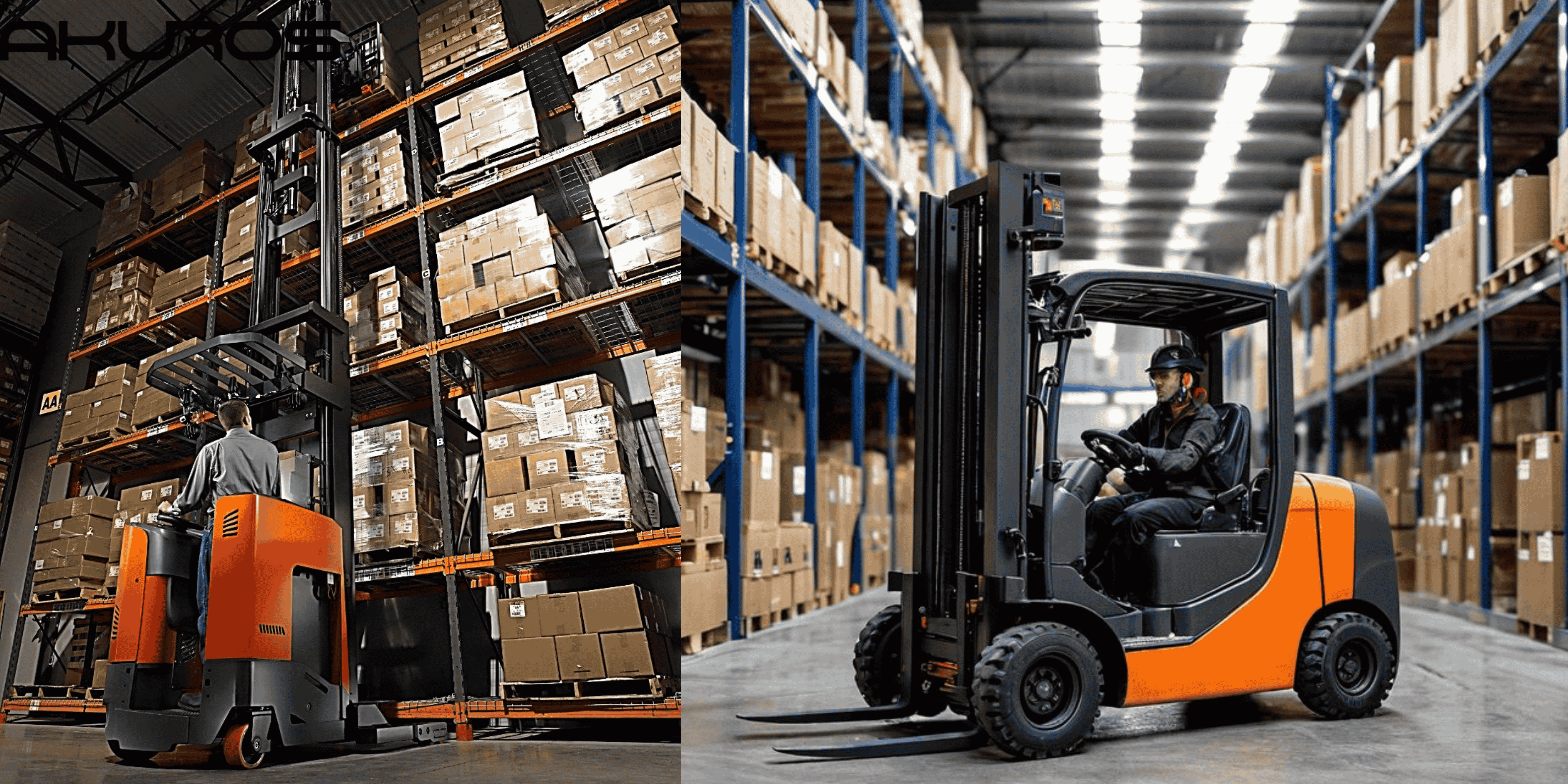
원스톱 창고 솔루션
왜 복사·붙여넣기식 창고 설계가 아프리카 기후에서는 실패하는가
대부분의 “글로벌 표준” 창고 설계는 다음과 같은 가정을 합니다:
-
온화한 기온 범위
-
낮은 먼지 수준
-
안정적인 전력 공급
-
제한된 습도 변동
아프리카의 광범위한 지역은 이와 정반대의 조건을 제공합니다. 동아프리카, 서아프리카, 남아프리카 전역의 기후 및 인프라 연구는 반복적으로 다음과 같은 사실을 보여줍니다:
-
노출된 금속 지붕은 실내 온도를 상승시킬 수 있습니다 실외 기온보다 5–12°C 높음.
-
해안 지역의 상대 습도는 종종 다음 사이에서 변동합니다: 60–95% 하루 만에.
-
건기에는 먼지 수준이 산업 기준을 몇 배 초과할 수 있습니다.
-
전력 중단, 전압 강하, 그리고 갑작스러운 발전기 전환은 일상적인 현상입니다.
그런 환경에서는 일반적인 설계가 단순히 “성능이 부족하다”는 정도에 그치지 않고, 오히려 장비와 안전 여유를 조용히 파괴합니다:
-
결로는 선반, 제어 패널, 그리고 개폐 장치에 부식을 유발합니다.
-
열기는 모터, 씰, 그리고 전자 장치의 마모를 가속화합니다.
-
먼지는 냉각 핀을 막고, 베어링을 막으며, 센서와 스캐너의 작동을 방해합니다.
-
불안정한 전력은 충전기, WMS 하드웨어, 그리고 배터리 시스템을 손상시킵니다.
전기 차량군은 이를 가장 먼저 느낍니다. 표준 지게차 배터리 온화한 기후에 맞춰 설계된 세트는 40°C 이상의 열기가 넘치는 통로에서, 환기가 제한되고 전력 변동이 잦은 상황에서 더 뜨겁게 작동하고, 더 빨리 노후되며, 더 많은 유지보수가 필요합니다. 배터리 전략과 충전 로직이 현지 기후에 맞게 명시적으로 설계되지 않는 한, “친환경” 업그레이드는 지속 가능성의 성과가 아니라 숨은 비용 증가 요인이 됩니다.
현장 사례: 열기가 다운타임으로 변할 때
Akuros가 2024년에 감사한 동아프리카의 한 지역 유통센터를 예로 들어 보겠습니다. 문서상으로는 현대적으로 보였습니다: 선택식 선반, 전기 리치 트럭, WMS, 그리고 밀폐된 도크 문. 그러나 현실에서는 매일 오후마다 건물이 어려움을 겪었습니다.
30일간의 데이터 로그에서 나온 주요 발견:
-
실내 최고 온도가 40°C 이상 20일 이상 지속됨
-
이른 아침에 차가운 금속에 습도로 인한 결로 발생
-
컨베이어 롤러, 지게차 마스트 트랙, 그리고 충전기 팬에 먼지 축적
-
수시로 발생하는 미세 정전으로 인해 수동 오버라이드와 서류 작업이 필수화됨
운영상의 증상은 익숙했습니다:
-
오후 피킹 생산성이 15–20% 감소함
-
최고 열기 시 지게차 오류 코드 증가
-
문 근처에서 팔레트 판이 뒤틀리고 박스가 물러짐
회복 방안의 일부는 공기 흐름과 선반 구획을 재설계하는 것이었습니다. 하지만 또 다른 간과된 부분은 기본 운반 장비였습니다. 현장은 지게차가 열에 취약한 상황에서도 단거리 이동에 지게차에 너무 의존하고 있었습니다. 따라서 내구성이 높고 에너지 소비가 적은 팔레트 트럭 지게차로 차량 구성 비율을 재조정하여 마지막 미터 이동과 도크 작업을 수행하도록 함으로써, 창고는 전력 변동과 열기 급증에도 불구하고 가동 시간을 유지할 수 있었습니다.
이것이 바로 아프리카 물류에서 지속 가능한 설계의 핵심입니다: 작은 결정들(단거리에서 팔레트를 어떻게 이동시키는지, 배터리를 어떻게 냉각하고 충전하는지)이 회복력을 높이는 큰 지렛대가 됩니다.
아프리카에서 기후 스마트 창고 솔루션을 위한 설계 원칙
얻기 창고 솔루션 아프리카에서 올바르게 하는 것은 우선 기후에 맞게 설계한 뒤, 처리량과 비용을 최적화하는 것입니다. Akuros의 프로젝트 팀은 일반적으로 다섯 가지 핵심 원칙을 따릅니다.
1. 건물 외피부터 시작하세요
창고의 외벽은 중립적인 박스가 아닙니다; 그것은 하나의 기후 장치입니다. 아프리카 환경에서 고성능 외피는 보통 다음을 포함합니다:
-
적절한 단열과 열 차단이 적용된 고반사 지붕
-
뜨거운 공기의 층화를 활용하는 능선 통풍구와 루버 시스템
-
파사드와 도크에서 태양열 획득을 줄이기 위한 처마와 차광 장치
-
강우량이 심한 경우를 대비한 내풍성 배수와 지형 조성
-
밀폐된 HVAC가 현실적이지 않은 경우, 교차 환기를 위한 먼지 제어형 입구
Akuros의 여러 현장에서 수집한 현장 측정 결과에 따르면, 최적화된 지붕과 환기 설계만으로도 실내 작업 온도를 3–7°C 낮출 수 있습니다. 이것이 바로 “기계가 불평한다”와 “기계는 괜찮고 사람들은 여전히 움직인다”의 차이입니다.
2. 창고를 열기와 습도에 따라 구역화하세요
내부를 하나의 균일한 공간으로 취급하는 대신, 기후를 고려한 운영자는:
-
민감한 제품(제약, 전자제품, 화장품)을 더 깊고 시원한 구역에 배치하세요
-
Place high-turnover goods closer to docks to reduce dwell time in hot aisles
-
Reserve the hottest roof-adjacent zones for robust SKUs or use them for utilities
-
Segment “dirty” areas (returns, repairs, wooden pallets) away from clean zones
3. Design Power and Battery Strategy for the Real Grid
In many African hubs, stability is something you design, not something you inherit:
-
Plan hybrid strategies that combine grid, generator, and (where possible) solar
-
Use smart charge scheduling to avoid peak heat charging and deep discharge cycles
-
Select battery technologies (and chargers) that tolerate thermal and voltage stress
Here, sustainability is not only about CO₂; it is also about getting predictable, long-lived energy performance in harsh conditions.
Why Integration Matters: From Components to Ecosystems
Fragmented procurement—one vendor for racking, another for forklifts, another for software—creates technical friction. Each component might be “good,” but the system is fragile.
An integrated approach, like the one practiced by 아쿠로스, starts from the opposite direction:
-
First model the climate and energy profile
-
Then map material flows, product mixes, and safety requirements
-
Then choose racking, handling equipment, control systems, and energy topology as one engineered package
Under this model, aisle width, rack height, forklift type, battery spec, ventilation layout, and door strategy are not independent decisions—they are variables in one design equation.
That’s especially critical in African environments where flaws show up faster:
-
Aisles too narrow for the real turning radius on less-than-perfect floors
-
Chargers installed in hot, unventilated rooms
-
Docks without enough buffer space for seasonal weather patterns
-
Racking coatings unsuited to salt air in coastal cities
ESTA’s recent safety communications have repeatedly highlighted the value of integrated warehouse engineering in reducing accident rates, structural stress, and energy overload. Akuros’ climate-focused projects align strongly with that direction: safety is not added at the end; it is designed from the start.
If you want to understand the philosophy and technical depth behind this integrated approach, the corporate profile and project stories about Akuros give a useful lens into how engineering teams and logistics consultants work together.
원스톱 창고 솔루션
The Akuros Method: Data-Driven Climate Engineering
On paper, “designing for climate” sounds obvious. In practice, most warehouses are still built on rules of thumb. Akuros replaces guesswork with a structured method that can be summarized in four phases.
Phase 1 – Measure the Climate, Not Just the Floor Area
Before proposing any layout, Akuros teams log:
-
Temperature profiles at multiple heights and zones
-
Humidity patterns over several weeks or months
-
Airflow paths during peak heat, rain, and dust conditions
-
Real power events: dips, surges, outages, generator switchover times
Phase 2 – Build a Digital Twin
Those measurements feed into a digital model that simulates:
-
Future internal temperatures with different roof and ventilation strategies
-
Condensation risk on slabs, racks, and structural steel
-
Dust and airflow paths with various door and louver configurations
-
Energy demand under different fleet and lighting options
Phase 3 – Engineer Interventions and Phases
Instead of “big bang” redesigns that are hard to fund, Akuros proposes phased roadmaps:
-
Quick wins: shading, smart ventilation tweaks, LED upgrades, layout nudges
-
Mid-term: racking reconfiguration, fleet optimization, new battery strategies
-
Strategic: deep envelope retrofits, solar integration, partial automation
Phase 4 – Track Performance
Key indicators are monitored and reviewed:
-
Energy per pallet moved
-
Equipment downtime hours per month
-
Battery cycle life vs. expected curves
-
Damage incidents and near misses
-
Worker comfort and retention indicators
This continuous feedback loop is what keeps 창고 솔루션 sustainable—not just “green” in brochures but robust in day-to-day operations.
Implementation Roadmap: How African Operators Can Start
Designing from scratch is ideal, but most operators are dealing with live warehouses that cannot simply stop. A realistic roadmap often looks like this:
-
Diagnostic audit
-
Climate logging, power profile analysis, equipment health check
-
Safety assessment aligned with ESTA’s best-practice expectations
-
-
Concept design and simulation
-
Scenario comparison for different layouts, envelope upgrades, fleet mixes
-
Cost–benefit analysis with realistic timelines and disruption estimates
-
-
Pilot interventions
-
Implement targeted upgrades in one zone to validate assumptions
-
Capture data: temperature changes, energy savings, productivity shifts
-
-
Scaled roll-out
-
Extend successful interventions across the site or network
-
Retune as needed based on local climate and grid behavior
-
There’s no need to translate this alone. A direct conversation with a specialist usually cuts months off the trial-and-error cycle. If your DCs or plants are already showing climate stress, it’s worth opening a structured dialogue with engineering and project teams and 지게차와 파렛트 트럭: 경쟁 관계인가, 보완 관계인가? for a baseline assessment before the next peak season hits.
Ultimately, the goal is to move from “fighting fires” to operating a climate-ready network of 창고 솔루션 that can scale with Africa’s growth instead of collapsing under it.
고품질 원스톱 창고 솔루션
FAQs: Sustainable Warehouse Design for Africa’s Climate
Why do African warehouses need different design standards?
Because climate and infrastructure conditions are different. High heat, humidity swings, dust storms, salty coastal air, and unstable power all accelerate wear on buildings and equipment. Designs that work fine in temperate, stable grids will fail faster and cost more in African conditions. Climate-specific engineering prevents that.
What is the fastest way to improve a hot warehouse without rebuilding it?
Start with low-disruption, high-impact moves: add reflective coatings or insulation to the roof where possible, improve natural ventilation paths, seal obvious air leaks, reorganize SKUs so sensitive products sit in cooler zones, and upgrade lighting to LEDs that produce less heat. Then review power and battery strategies to avoid charging fleets in peak heat periods.
How does climate-smart design affect forklift and battery life?
Heat and dust are two of the biggest enemies of electric fleets. Poor ventilation and high ambient temperatures shorten battery life, slow charging, and trigger more error events. Dust clogs cooling fans and moving parts. Climate-smart design—better airflow, smarter charger placement, and suitable battery technology—extends fleet life cycles and reduces maintenance.
Is solar power a realistic option for African warehouses?
Yes, but usually as part of a hybrid model. Solar can reduce diesel consumption, stabilize portions of the load, and support predictable battery charging. However, it must be engineered with storage, grid characteristics, and warehouse load patterns in mind. It’s not a magic switch, but a powerful tool when integrated into a broader energy strategy.
How long does it take to see ROI on climate-focused warehouse improvements?
It depends on scope, but many operators see measurable benefits within 12–24 months: fewer equipment failures, lower energy bills, more stable throughput in hot months, and reduced product damage. Large structural upgrades may have longer payback periods, but quick wins in ventilation, zoning, and fleet strategy often deliver surprisingly fast returns.
Turning Climate from Liability into Advantage
Africa’s climate is not going to “calm down”—if anything, models point to more extremes ahead. Warehouses that ignore this reality will keep overheating, corroding, and draining cash through repairs and wasted energy.
Sustainable 창고 솔루션 for Africa start from a different mindset: treat climate as a design input, not an afterthought. That means engineering envelopes for heat and humidity, tuning fleets and batteries for real power conditions, zoning material flows for resilience, and integrating everything from racking to energy under one data-driven, safety-conscious plan.
Industry bodies like ESTA are already praising integrated, safety-first approaches that cut accidents and unplanned downtime. Akuros’ climate-engineered projects show that when you respect the environment you operate in, your warehouse stops being a fragile box and becomes a durable asset.
Design for the climate you actually have—not the one in someone else’s brochure—and Africa’s warehouses can become some of the most resilient, efficient, and future-ready in the world.
Africa’s climate is not a barrier—it is a design requirement. Warehouses fail not because teams lack capability, but because traditional layouts were never engineered for 40°C heat spikes, rapid humidity swings, or dust-driven mechanical wear. As logistics expert Dr. Samuel K. Obeng notes in the 2025 Industrial Climate Study, “A warehouse that is not climate-designed is mathematically guaranteed to lose efficiency.” His findings align with Akuros’ field data: facilities with optimized ventilation, insulated roofing, and climate-tuned equipment experience up to 35% fewer failures and 18–22% higher operational stability.The long-term conclusion is clear: sustainable Warehouse Solutions for Africa must integrate building envelope engineering, fleet configuration, power resilience, and data logging into one ecosystem—not a collection of disconnected upgrades. When African warehouses are designed with climate as the central variable, they stop reacting to weather—and start outperforming it.