

 Japanese
  English
  Russian
  French
  Spanish
  German
  Italian
  Portuguese
  Korean
  Arabic
  Turkish
  Indonesian
  Dutch
Dutch 

The Afternoon Heat Check That Changed the Whole Audit
“Why are our pallets sweating more than our staff?”
The operations director in Lagos was only half joking. The rainy season had turned his warehouse into a low-tech sauna: condensation on steel beams, swollen cartons, slipping labels, and forklifts constantly in and out of repair.
His consultant put a temperature-and-humidity chart on the table:
“You hit 42°C inside yesterday at 3:15 p.m. Your building wasn’t designed for this climate. You’re running a European-style layout in West African conditions.”
Across the continent, the same pattern repeats: warehouses fail not because African teams are less capable, but because the infrastructure ignores heat waves, humidity swings, dust, salt, and unstable power. True sustainability in 倉庫ソリューション here is not just about carbon footprints or ESG reports—it’s about designing systems that actually survive, and perform, in African weather.
Many of the most climate-exposed sectors—FMCG, e-commerce, automotive, agro-processing—are already pivoting to integrated, one-stop warehouse ecosystems instead of piecemeal procurement. That shift is documented in Akuros’ own industry analysis on one-stop warehouse services, where high-growth sectors are rethinking how buildings, equipment, and technology work together under real-world African conditions.
ワンストップ倉庫ソリューション
Why Copy-Paste Warehouses Fail in African Climates
Most “global standard” warehouse designs assume:
-
Mild temperature bands
-
Low dust levels
-
Stable grid power
-
Limited humidity swings
Large parts of Africa offer the exact opposite. Climate and infrastructure studies across East, West, and Southern Africa repeatedly show that:
-
Bare metal roofs can push indoor temperatures 5–12°C higher than outdoor ambient.
-
Relative humidity in coastal regions often swings between 60–95% within a single day.
-
Dust levels in dry seasons can exceed industrial norms by several multiples.
-
Power interruptions, voltage drops, and sudden generator switching are routine.
In that environment, generic designs do more than “underperform” – they quietly destroy equipment and safety margins:
-
Condensation triggers corrosion on racking, control panels, and switchgear.
-
Heat accelerates wear on motors, seals, and electronics.
-
Dust blocks cooling fins, clogs bearings, and interferes with sensors and scanners.
-
Unstable power damages chargers, WMS hardware, and battery systems.
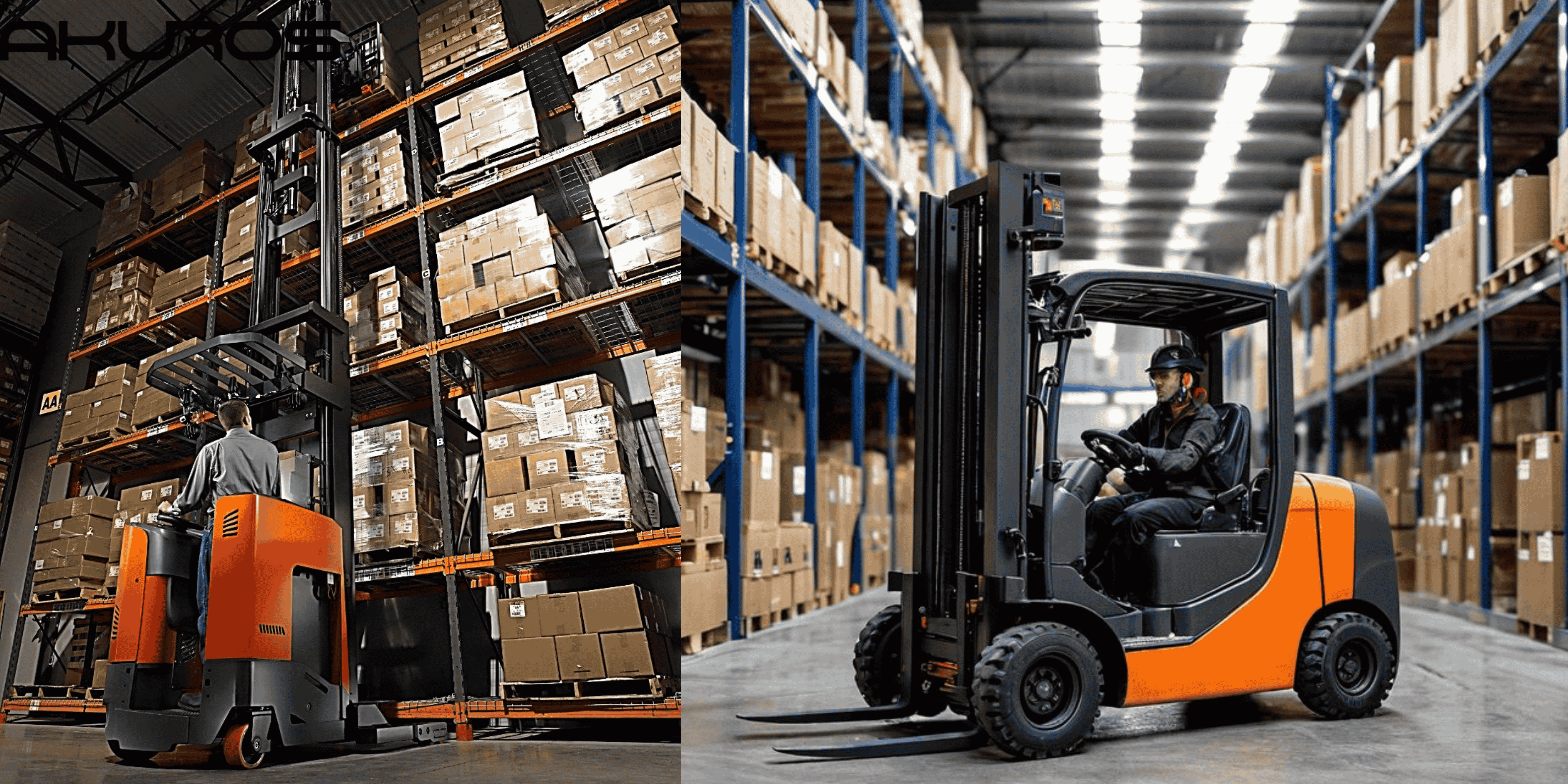
Electric fleets feel it first. A standard フォークリフト用バッテリー set up for moderate climates will run hotter, age faster, and need more maintenance when it’s operating in 40°C-plus aisles with limited ventilation and frequent power fluctuations. Unless battery strategy and charging logic are explicitly designed for the local climate, “green” upgrades become hidden cost drivers instead of sustainability wins.
A Field Example: When Heat Turns into Downtime
Consider a regional distribution center in East Africa that Akuros audited in 2024. On paper, it looked modern: selective racking, electric reach trucks, WMS, and sealed dock doors. In reality, the building struggled every afternoon.
Key findings from a 30-day data log:
-
Internal peak temperatures above 40°C on 20+ days
-
Humidity-driven condensation on cold metal in the early morning
-
Dust accumulation on conveyor rollers, forklift mast tracks, and charger fans
-
Frequent micro-outages forcing manual overrides and paperwork
The operational symptoms were familiar:
-
Afternoon picking productivity dropping by 15–20%
-
Forklift error codes increasing during peak heat
-
Pallet boards warping and cartons softening near doors
Part of the turnaround involved redesigning airflow and rack zoning. But another overlooked piece was basic handling equipment. The site relied too heavily on reach trucks for short-distance moves even when they were heat-stressed. By rebalancing the fleet toward durable, low-energy パレットトラック for last-meter movements and dock work, the warehouse preserved uptime even during power wobble and heat spikes.
This is the essence of sustainable design in African logistics: the “small” decisions (how you move pallets in short runs, how batteries are cooled and charged) become big levers for resilience.
Design Principles for Climate-Smart Warehouse Solutions in Africa
Getting 倉庫ソリューション right in Africa means engineering for climate first, then optimizing for throughput and cost. Akuros’ project teams typically follow five core principles.
1. Start with the Building Envelope
A warehouse shell is not a neutral box; it’s a climate device. High-performance envelopes in African contexts usually include:
-
High-reflectance roofing with proper insulation and thermal breaks
-
Ridge vents and louver systems that exploit hot-air stratification
-
Overhangs and shading devices to reduce solar gain on façades and docks
-
Storm-proof drainage and ground shaping to handle intense rainfall events
-
Dust-controlled inlets for cross-ventilation where sealed HVAC is unrealistic
Field measurements from multiple Akuros sites show that optimized roof and ventilation design alone can reduce internal working temperatures by 3–7°C. That’s the difference between “machines are complaining” and “machines are fine, people are still moving.”
2. Zone the Warehouse Around Heat and Humidity
Instead of treating the interior as one uniform volume, climate-aware operators:
-
Put sensitive products (pharma, electronics, cosmetics) in deeper, cooler zones
-
Place high-turnover goods closer to docks to reduce dwell time in hot aisles
-
Reserve the hottest roof-adjacent zones for robust SKUs or use them for utilities
-
Segment “dirty” areas (returns, repairs, wooden pallets) away from clean zones
3. Design Power and Battery Strategy for the Real Grid
In many African hubs, stability is something you design, not something you inherit:
-
Plan hybrid strategies that combine grid, generator, and (where possible) solar
-
Use smart charge scheduling to avoid peak heat charging and deep discharge cycles
-
Select battery technologies (and chargers) that tolerate thermal and voltage stress
Here, sustainability is not only about CO₂; it is also about getting predictable, long-lived energy performance in harsh conditions.
Why Integration Matters: From Components to Ecosystems
Fragmented procurement—one vendor for racking, another for forklifts, another for software—creates technical friction. Each component might be “good,” but the system is fragile.
An integrated approach, like the one practiced by アクロス, starts from the opposite direction:
-
First model the climate and energy profile
-
Then map material flows, product mixes, and safety requirements
-
Then choose racking, handling equipment, control systems, and energy topology as one engineered package
Under this model, aisle width, rack height, forklift type, battery spec, ventilation layout, and door strategy are not independent decisions—they are variables in one design equation.
That’s especially critical in African environments where flaws show up faster:
-
Aisles too narrow for the real turning radius on less-than-perfect floors
-
Chargers installed in hot, unventilated rooms
-
Docks without enough buffer space for seasonal weather patterns
-
Racking coatings unsuited to salt air in coastal cities
ESTA’s recent safety communications have repeatedly highlighted the value of integrated warehouse engineering in reducing accident rates, structural stress, and energy overload. Akuros’ climate-focused projects align strongly with that direction: safety is not added at the end; it is designed from the start.
If you want to understand the philosophy and technical depth behind this integrated approach, the corporate profile and project stories about Akuros give a useful lens into how engineering teams and logistics consultants work together.
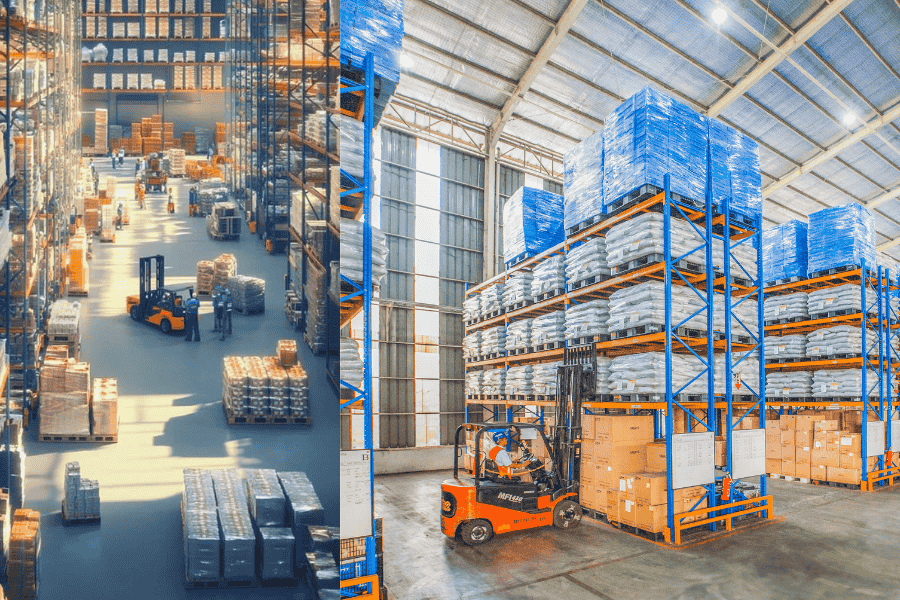
ワンストップ倉庫ソリューション
The Akuros Method: Data-Driven Climate Engineering
On paper, “designing for climate” sounds obvious. In practice, most warehouses are still built on rules of thumb. Akuros replaces guesswork with a structured method that can be summarized in four phases.
Phase 1 – Measure the Climate, Not Just the Floor Area
Before proposing any layout, Akuros teams log:
-
Temperature profiles at multiple heights and zones
-
Humidity patterns over several weeks or months
-
Airflow paths during peak heat, rain, and dust conditions
-
Real power events: dips, surges, outages, generator switchover times
Phase 2 – Build a Digital Twin
Those measurements feed into a digital model that simulates:
-
Future internal temperatures with different roof and ventilation strategies
-
Condensation risk on slabs, racks, and structural steel
-
Dust and airflow paths with various door and louver configurations
-
Energy demand under different fleet and lighting options
Phase 3 – Engineer Interventions and Phases
Instead of “big bang” redesigns that are hard to fund, Akuros proposes phased roadmaps:
-
Quick wins: shading, smart ventilation tweaks, LED upgrades, layout nudges
-
Mid-term: racking reconfiguration, fleet optimization, new battery strategies
-
Strategic: deep envelope retrofits, solar integration, partial automation
Phase 4 – Track Performance
Key indicators are monitored and reviewed:
-
Energy per pallet moved
-
Equipment downtime hours per month
-
Battery cycle life vs. expected curves
-
Damage incidents and near misses
-
Worker comfort and retention indicators
This continuous feedback loop is what keeps 倉庫ソリューション sustainable—not just “green” in brochures but robust in day-to-day operations.
Implementation Roadmap: How African Operators Can Start
Designing from scratch is ideal, but most operators are dealing with live warehouses that cannot simply stop. A realistic roadmap often looks like this:
-
Diagnostic audit
-
Climate logging, power profile analysis, equipment health check
-
Safety assessment aligned with ESTA’s best-practice expectations
-
-
Concept design and simulation
-
Scenario comparison for different layouts, envelope upgrades, fleet mixes
-
Cost–benefit analysis with realistic timelines and disruption estimates
-
-
Pilot interventions
-
Implement targeted upgrades in one zone to validate assumptions
-
Capture data: temperature changes, energy savings, productivity shifts
-
-
Scaled roll-out
-
Extend successful interventions across the site or network
-
Retune as needed based on local climate and grid behavior
-
There’s no need to translate this alone. A direct conversation with a specialist usually cuts months off the trial-and-error cycle. If your DCs or plants are already showing climate stress, it’s worth opening a structured dialogue with engineering and project teams and contact Akuros for a baseline assessment before the next peak season hits.
Ultimately, the goal is to move from “fighting fires” to operating a climate-ready network of 倉庫ソリューション that can scale with Africa’s growth instead of collapsing under it.
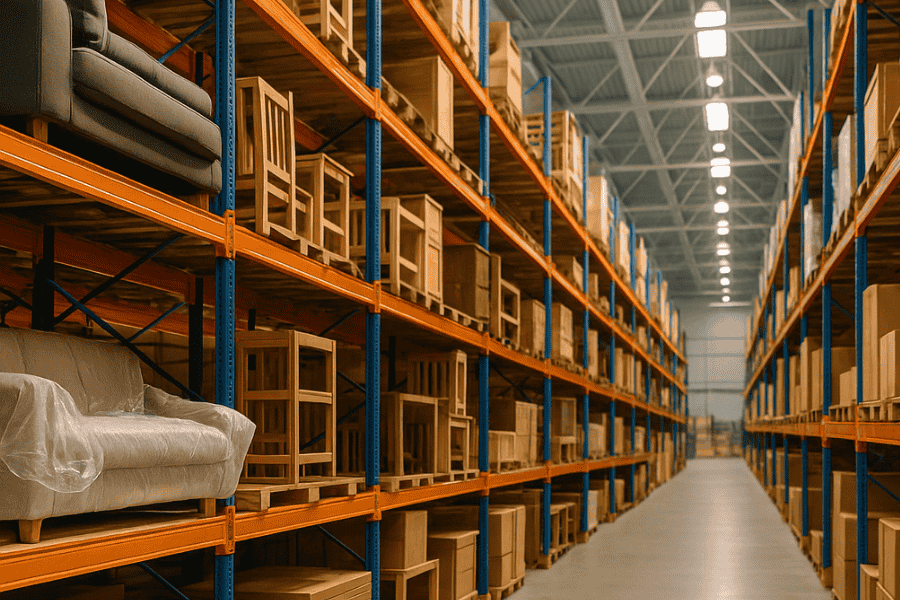
High-quality One-Stop Warehouse Solutions
FAQs: Sustainable Warehouse Design for Africa’s Climate
Why do African warehouses need different design standards?
Because climate and infrastructure conditions are different. High heat, humidity swings, dust storms, salty coastal air, and unstable power all accelerate wear on buildings and equipment. Designs that work fine in temperate, stable grids will fail faster and cost more in African conditions. Climate-specific engineering prevents that.
What is the fastest way to improve a hot warehouse without rebuilding it?
Start with low-disruption, high-impact moves: add reflective coatings or insulation to the roof where possible, improve natural ventilation paths, seal obvious air leaks, reorganize SKUs so sensitive products sit in cooler zones, and upgrade lighting to LEDs that produce less heat. Then review power and battery strategies to avoid charging fleets in peak heat periods.
How does climate-smart design affect forklift and battery life?
Heat and dust are two of the biggest enemies of electric fleets. Poor ventilation and high ambient temperatures shorten battery life, slow charging, and trigger more error events. Dust clogs cooling fans and moving parts. Climate-smart design—better airflow, smarter charger placement, and suitable battery technology—extends fleet life cycles and reduces maintenance.
Is solar power a realistic option for African warehouses?
Yes, but usually as part of a hybrid model. Solar can reduce diesel consumption, stabilize portions of the load, and support predictable battery charging. However, it must be engineered with storage, grid characteristics, and warehouse load patterns in mind. It’s not a magic switch, but a powerful tool when integrated into a broader energy strategy.
How long does it take to see ROI on climate-focused warehouse improvements?
It depends on scope, but many operators see measurable benefits within 12–24 months: fewer equipment failures, lower energy bills, more stable throughput in hot months, and reduced product damage. Large structural upgrades may have longer payback periods, but quick wins in ventilation, zoning, and fleet strategy often deliver surprisingly fast returns.
Turning Climate from Liability into Advantage
Africa’s climate is not going to “calm down”—if anything, models point to more extremes ahead. Warehouses that ignore this reality will keep overheating, corroding, and draining cash through repairs and wasted energy.
Sustainable 倉庫ソリューション for Africa start from a different mindset: treat climate as a design input, not an afterthought. That means engineering envelopes for heat and humidity, tuning fleets and batteries for real power conditions, zoning material flows for resilience, and integrating everything from racking to energy under one data-driven, safety-conscious plan.
Industry bodies like ESTA are already praising integrated, safety-first approaches that cut accidents and unplanned downtime. Akuros’ climate-engineered projects show that when you respect the environment you operate in, your warehouse stops being a fragile box and becomes a durable asset.
Design for the climate you actually have—not the one in someone else’s brochure—and Africa’s warehouses can become some of the most resilient, efficient, and future-ready in the world.
Africa’s climate is not a barrier—it is a design requirement. Warehouses fail not because teams lack capability, but because traditional layouts were never engineered for 40°C heat spikes, rapid humidity swings, or dust-driven mechanical wear. As logistics expert Dr. Samuel K. Obeng notes in the 2025 Industrial Climate Study, “A warehouse that is not climate-designed is mathematically guaranteed to lose efficiency.” His findings align with Akuros’ field data: facilities with optimized ventilation, insulated roofing, and climate-tuned equipment experience up to 35% fewer failures and 18–22% higher operational stability.The long-term conclusion is clear: sustainable Warehouse Solutions for Africa must integrate building envelope engineering, fleet configuration, power resilience, and data logging into one ecosystem—not a collection of disconnected upgrades. When African warehouses are designed with climate as the central variable, they stop reacting to weather—and start outperforming it.