


 Japanese
  English
  Russian
  French
  Spanish
  German
  Italian
  Portuguese
  Korean
  Arabic
  Turkish
  Indonesian
  Dutch
Dutch 

Drive-in Racking Solution
Akuros helps warehouses improve storage density with drive-in racking, forklift matching and practical safety planning for batch pallet storage operations.
Planning Checks Before Layout
- SKU structure and pallet quantity per SKU
- Batch storage, LIFO or FIFO requirement
- Forklift access, aisle width and rack lane depth
- Rack protection and anti-collision planning
Quick Summary
Drive-in racking is a high-density pallet storage solution designed for warehouses with fewer SKUs and large pallet quantities per SKU. It allows forklifts to enter rack lanes and store pallets in deep channels, reducing aisle space and increasing storage density. Akuros supports drive-in racking projects by matching rack layout, pallet size, cargo weight, forklift type, aisle width, storage method and anti-collision protection into one practical warehouse solution.
What Is Drive-in Racking?
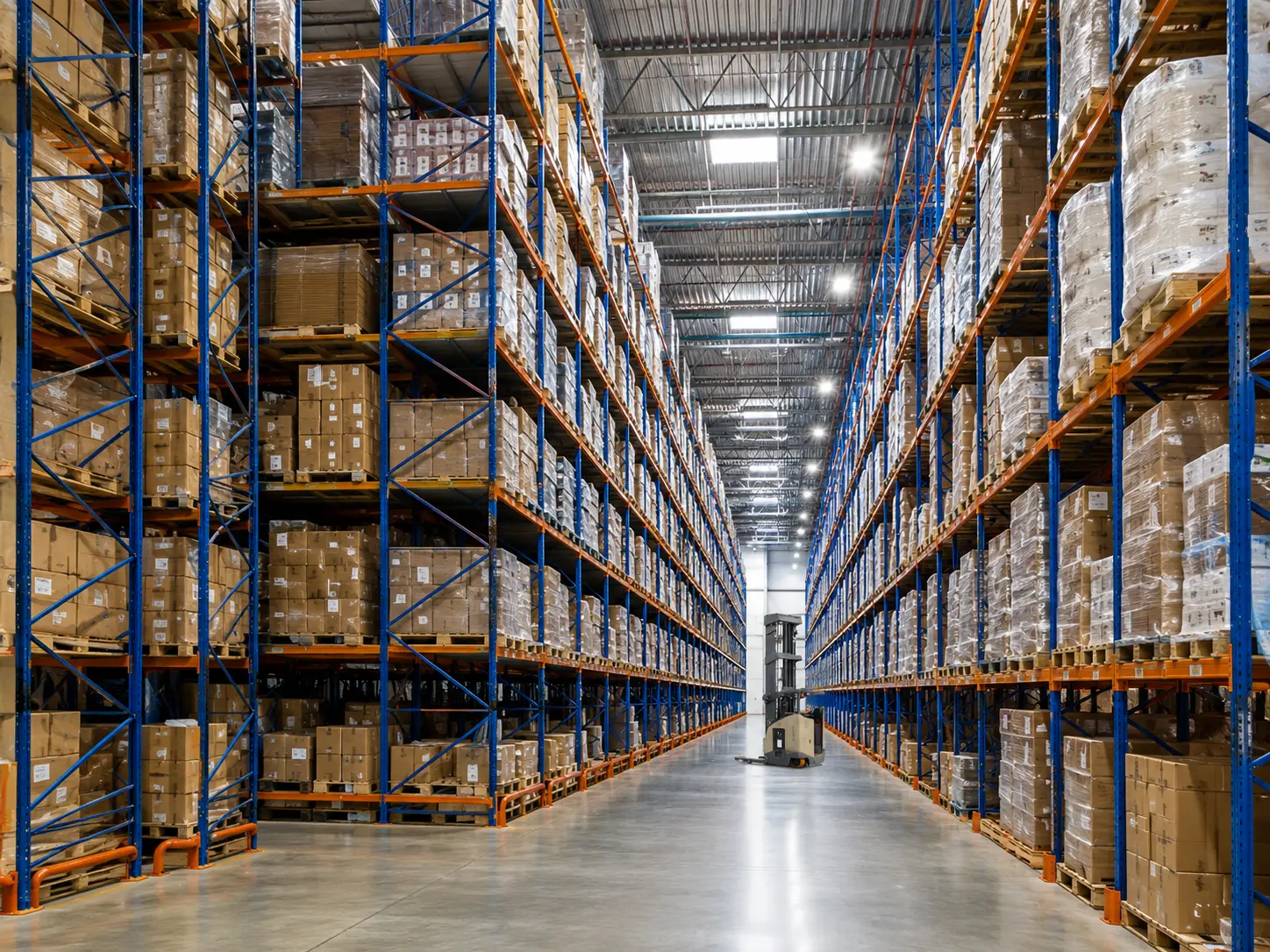
Drive-in racking is a high-density storage system where pallets are stored in deep rack lanes. Forklifts drive directly into the rack structure to place or retrieve pallets. Because the system removes many standard access aisles, it can increase pallet positions within the same warehouse footprint.
This solution is commonly used for warehouses that store fewer SKUs in large quantities, such as food and beverage warehouses, cold storage facilities, raw material warehouses, chemical storage and batch storage operations.
Drive-in racking is usually based on first-in-last-out or batch-in-batch-out storage logic. It is not designed for operations that require direct access to every pallet.
Why Drive-in Racking Is Useful for Space Optimization
In some warehouses, the main challenge is not SKU complexity but limited space for large-volume storage. If each SKU has many pallets and the warehouse does not need to access every pallet individually, drive-in racking can be a practical high-density solution.
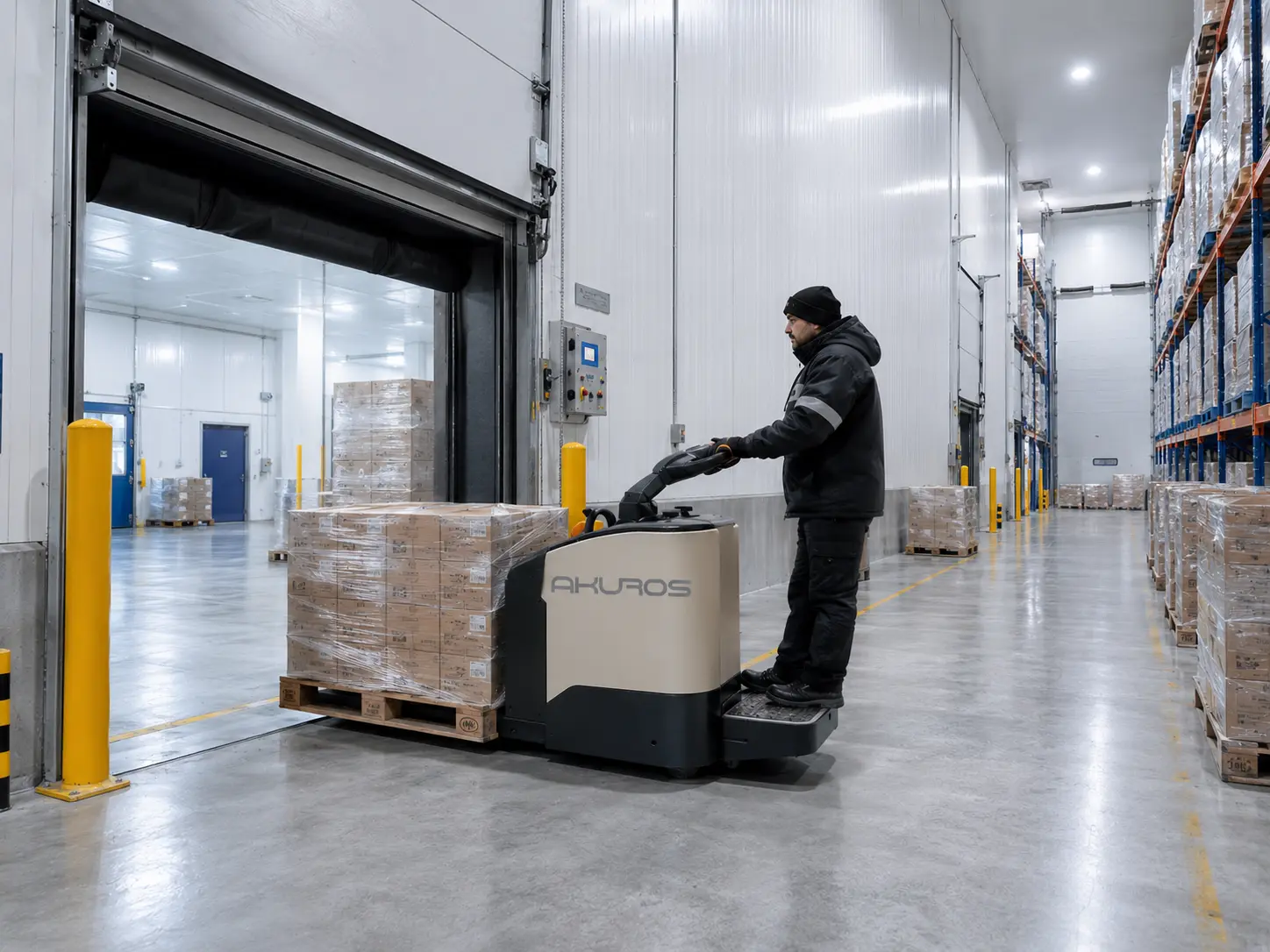
By reducing aisle quantity and using deep storage lanes, drive-in racking can help improve pallet capacity without expanding the building. This is especially useful in cold storage warehouses, where every square meter has high construction and refrigeration cost.
Akuros helps customers evaluate whether drive-in racking is suitable based on SKU structure, batch management, pallet quantity, forklift access, safety requirements and daily handling frequency.
Drive-in Racking Solution Gallery
Use these image positions as temporary Akuros site placeholders. Replace them later with project drawings, warehouse layouts, racking diagrams or real installation photos.
Drive-in racking lane layout
High-density pallet storage area
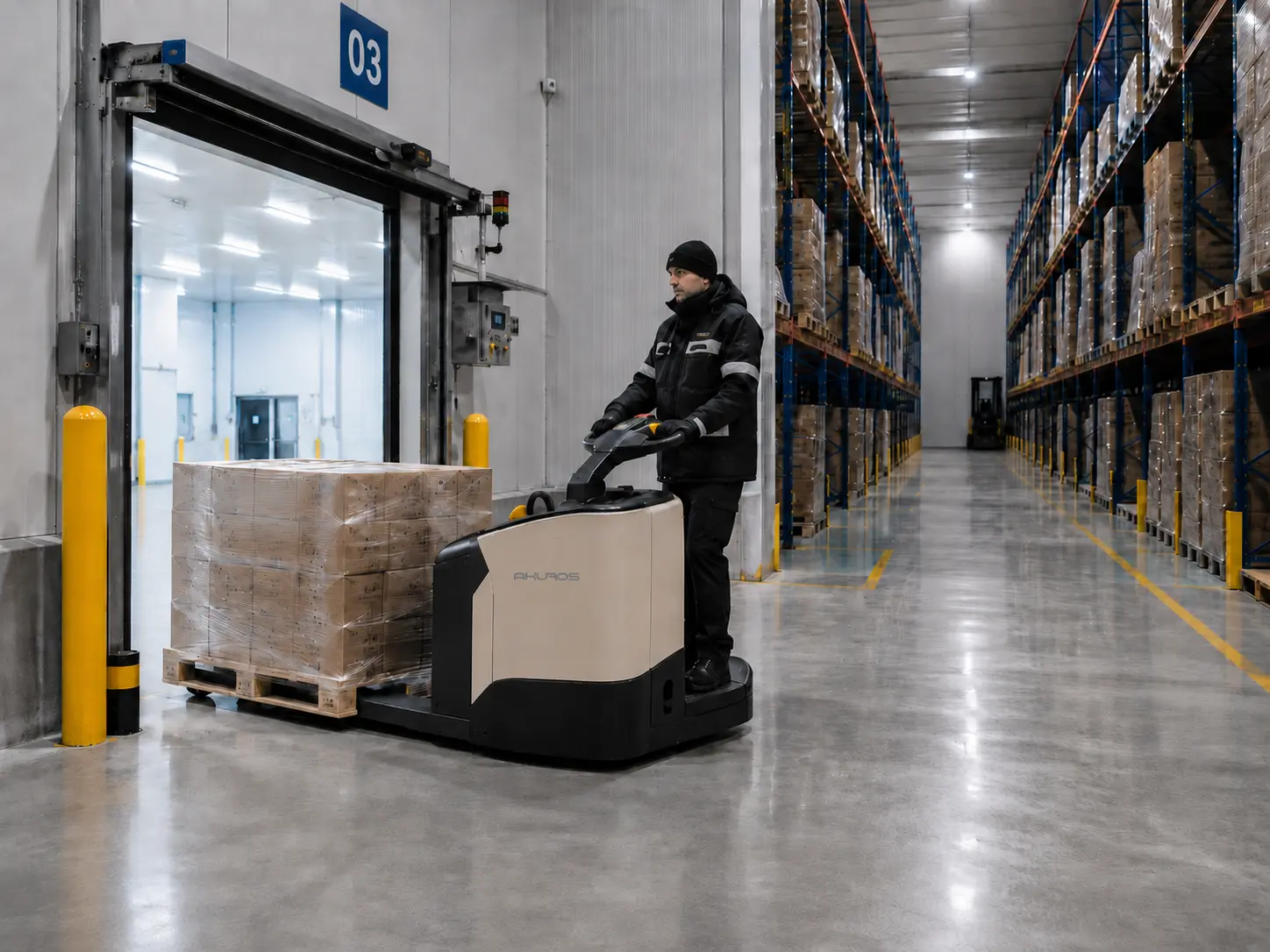
Forklift access planning
Cold storage drive-in racking
Batch storage operation
Rack protection and safety planning
Best-Fit Applications
Drive-in racking is suitable for warehouses where storage density is more important than individual pallet access.
冷蔵倉庫
Suitable for cold storage warehouses where dense pallet storage and careful forklift access planning are required.
Frozen food storage
Useful for frozen food storage where fewer SKUs are stored in large pallet quantities and refrigeration space is costly.
食品・飲料倉庫
Supports food and beverage warehouses with batch storage, consistent pallet flow and high-density storage needs.
Raw material warehouses
Suitable for raw material storage where large-volume goods are stored and moved in batches.
Chemical and daily-use product storage
Useful for chemical and daily-use product storage when pallet quality, traffic flow and rack safety are planned properly.
Manufacturing buffer storage
Works for manufacturing buffer storage where goods wait between production, storage and outbound handling.
Batch storage operations
Designed for batch-in and batch-out operations where direct access to every pallet is not required.
Warehouses with fewer SKUs and high pallet quantity per SKU
Suitable when each SKU has enough pallet quantity to justify deep-lane storage.
This solution is especially suitable when goods are stored and moved in batches rather than picked pallet by pallet.
How Drive-in Racking Works
In a drive-in racking system, pallets are stored on support rails inside deep rack lanes. Forklifts enter the rack lane to place pallets from the back toward the front or retrieve pallets from the front.
Because forklifts operate inside the rack structure, the system requires careful planning of aisle width, lane depth, pallet size, forklift dimensions and operator visibility. Rack protection and anti-collision planning are also important because impact damage inside drive-in racks can affect safety and long-term performance.
Drive-in racking can be designed for normal temperature warehouses or cold storage environments, depending on material specification, surface treatment and operating conditions.
Key Advantages of Drive-in Racking
Limitations and When Not to Use Drive-in Racking
Drive-in racking is not suitable for every warehouse. It should only be selected when the storage strategy matches the operation.
Drive-in racking may not be ideal if:
- The warehouse has many SKUs
- Direct access to every pallet is required
- FIFO is required for all pallets
- Picking frequency is high
- Pallet quantity per SKU is low
- Operators need fast random pallet access
- Forklift traffic inside racks creates safety concerns
- Pallet quality is inconsistent
- The warehouse layout changes frequently
In these cases, selective racking, double deep racking, VNA racking or shuttle racking may be more suitable.
Safety Considerations for Drive-in Racking
Drive-in racking requires more attention to warehouse safety because forklifts need to enter the rack structure. Compared with selective racking or double deep racking, the risk of forklift impact inside rack lanes is higher.
Important safety considerations include:
- Rack upright protection
- Guide rail design
- Forklift operator visibility
- Correct pallet placement
- Speed control inside rack lanes
- Anti-collision equipment
- 床面の状態
- Pallet quality
- Regular rack inspection
- Clear traffic flow around rack entrances
Akuros can help customers evaluate anti-collision protection, forklift configuration and rack protection needs to improve long-term safety.
Forklift Matching for Drive-in Racking
Drive-in racking must be matched with the correct forklift. The forklift needs to enter the rack lane safely and handle pallets accurately within the available space.
Important forklift matching factors include:
- Forklift width
- Overhead guard height
- Mast height
- Required lift height
- Pallet size
- 荷重重量
- Load center
- 旋回半径
- 通路幅
- Rack lane depth
- Operator visibility
- Tire type
- Cold storage configuration if needed
- Warning lights and safety devices
For cold storage projects, battery performance, tire material, low-temperature configuration and condensation resistance should also be considered.
Drive-in Racking vs Other Storage Systems
Drive-in Racking vs Selective Racking
Selective racking provides direct access to every pallet, but storage density is lower. Drive-in racking provides higher density but is less flexible and not suitable for high SKU variety.
Drive-in Racking vs Double Deep Racking
Double deep racking provides better pallet accessibility and usually higher operating efficiency. Drive-in racking can provide dense batch storage, but forklift operation inside rack lanes requires more safety planning.
Drive-in Racking vs Shuttle Racking
Shuttle racking is more efficient and safer for deep-lane storage because shuttle carts move pallets inside lanes. Drive-in racking may have lower initial system complexity but usually requires more forklift driving inside racks.
Drive-in Racking vs VNA Racking
VNA racking maintains direct pallet access and works well for high-bay storage with many SKUs. Drive-in racking is better for fewer SKUs and large batch storage where direct access is not required.
What Data We Need Before Planning
To evaluate whether drive-in racking is suitable for your warehouse, Akuros usually needs the following information:
- Pallet size with cargo
- Maximum and average pallet weight
- Pallet quality and pallet type
- Warehouse length, width and clear height
- Target pallet positions
- SKU quantity
- Pallet quantity per SKU
- Daily inbound and outbound frequency
- FIFO, LIFO or batch storage requirement
- Temperature range
- Existing or preferred forklift type
- Required lift height
- Aisle width limitation
- Rack lane depth expectation
- Door and loading dock position
- 床面の状態
- Anti-collision and safety requirements
- Future expansion plan
With this data, Akuros can help compare drive-in racking with selective, double deep, VNA and shuttle options.
Why Choose Akuros for Drive-in Racking Solutions
Akuros understands that drive-in racking is not just about increasing pallet positions. The system must be planned around pallet flow, forklift access, rack safety, operator visibility and batch storage logic.
We help customers evaluate whether drive-in racking is truly suitable before recommending it. This helps avoid poor SKU matching, low picking efficiency, rack damage risk and unsafe forklift operation inside rack lanes.
For cold storage, food, beverage, raw material and industrial warehouse projects, Akuros can help build a drive-in racking solution that balances storage density, operational safety and investment cost.
Learn more about Akuros
よくあるご質問
These questions and answers match the FAQPage structured data below.
What is drive-in racking?
Drive-in racking is a high-density pallet storage system where forklifts drive into rack lanes to store and retrieve pallets. It reduces aisle space and increases pallet capacity.
What type of warehouse is suitable for drive-in racking?
Drive-in racking is suitable for warehouses with fewer SKUs and large pallet quantities per SKU, such as cold storage, food and beverage, raw material and batch storage warehouses.
Does drive-in racking support FIFO?
Drive-in racking is usually more suitable for LIFO or batch-in-batch-out storage. FIFO may require a drive-through layout with access from both sides, depending on project design.
Is drive-in racking suitable for cold storage?
Yes. Drive-in racking can be suitable for cold storage when the warehouse stores fewer SKUs in large quantities and needs higher storage density.
What forklift is used with drive-in racking?
Suitable counterbalance forklifts or reach trucks can be used depending on rack design, aisle width, lift height and pallet weight. Forklift dimensions and operator visibility must be reviewed carefully.
What are the main advantages of drive-in racking?
The main advantages are high storage density, reduced aisle space, suitability for batch storage and relatively lower system complexity compared with semi-automated or automated systems.
What are the limitations of drive-in racking?
Drive-in racking has lower pallet accessibility, is not ideal for high SKU variety, and requires careful forklift operation inside rack lanes. Rack protection and anti-collision planning are important.
Can Akuros provide anti-collision equipment for drive-in racking?
Yes. Akuros can support rack protection, warning lights, anti-collision equipment and safety planning to reduce forklift impact risks in drive-in racking systems.