

 Arabic
  English
  Russian
  French
  Spanish
  German
  Italian
  Portuguese
  Korean
  Japanese
  Turkish
  Indonesian
  Dutch
Dutch 

In today’s fast-evolving supply chain environment, warehouse operators face increasing pressure to reduce costs, improve productivity, and adopt equipment solutions that are both high-performing and environmentally responsible. As businesses modernize their operations, electric forklifts have quickly become the material-handling equipment of choice—replacing traditional diesel and LPG models in warehouses around the world.
Electric forklifts are no longer viewed as an alternative option. They are now a strategic investment that enhances safety, reduces maintenance costs, and supports sustainable growth.
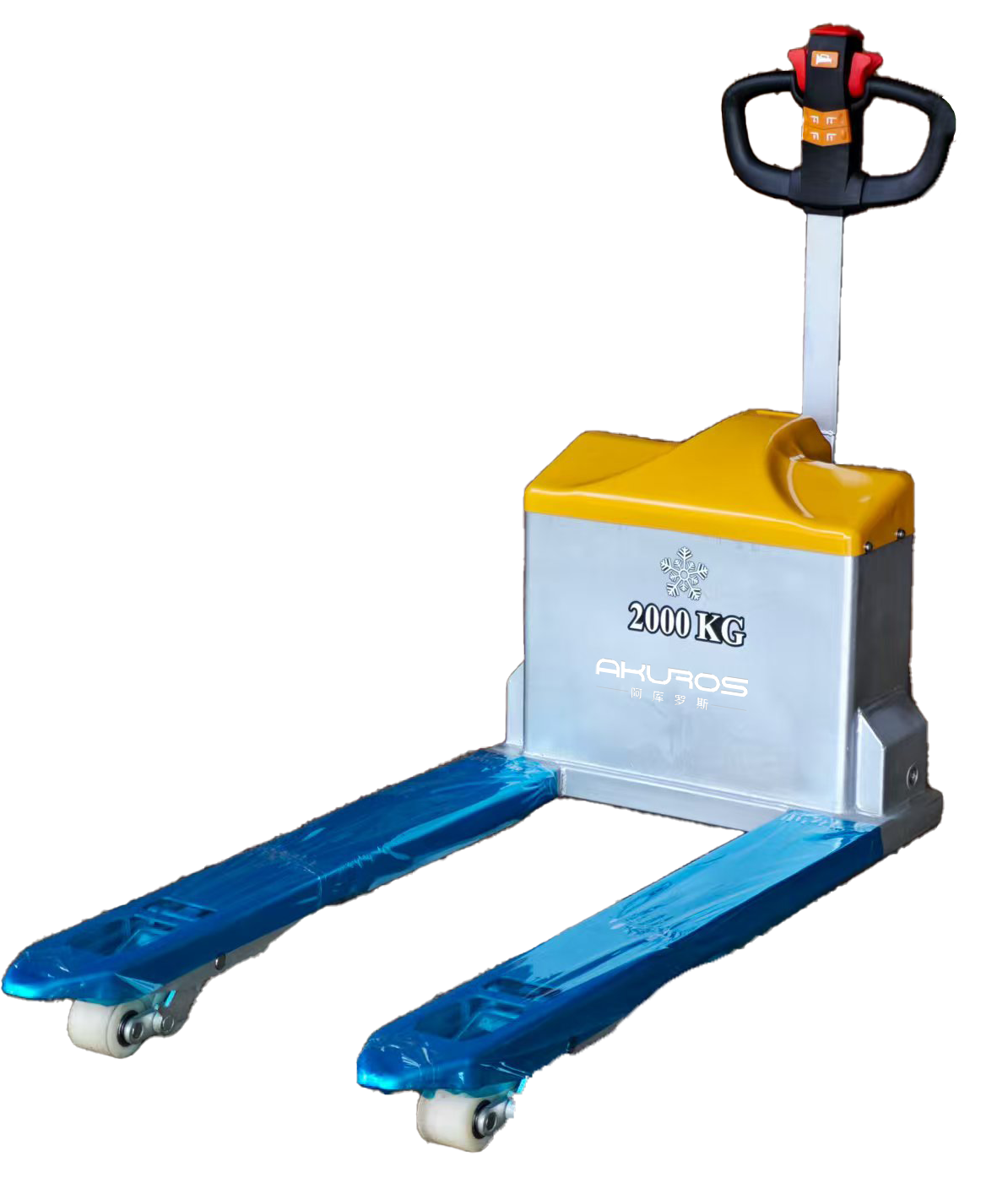
At Akuros, we design our electric forklift lineup—including the popular E16 Electric Counterbalance Forklift—to solve real-world operational challenges with precision, power, and long-term reliability.
 1. A Significant Reduction in Long-Term Operational Costs
One of the most compelling reasons companies shift toward electric forklifts is cost-efficiency. Unlike internal-combustion forklifts, electric models require:
-
No fuel purchases (diesel / LPG)
-
No engine oil changes
-
No transmission fluid maintenance
-
Fewer mechanical wear components
A well-managed electric forklift fleet can reduce operational costs by 30–50% over its lifespan.
Energy Management Advantage
Electric forklifts convert a higher percentage of energy into usable power, allowing them to operate longer on a single charge. Combined with advanced battery technology, companies benefit from:
-
Lower cost per operating hour
-
Improved multi-shift uptime with fast or opportunity charging
-
More predictable maintenance schedules
For warehouses operating around the clock, this efficiency becomes a major competitive advantage.
2. Zero Emissions for Cleaner, Safer Warehouse Environments
Sustainability is no longer optional—it is a global expectation. Electric forklifts help companies reduce their carbon footprint by eliminating on-site emissions entirely.
Benefits Include:
-
Cleaner air quality inside warehouses
-
Improved employee health and comfort
-
Reduced HVAC load from exhaust heat
-
Compliance with increasing environmental regulations
Industries such as food processing, pharmaceuticals, and cold-chain logistics—where hygiene and indoor air quality are critical—now consider electric forklifts as the standard equipment choice.
3. Precision Handling Through Advanced Electronic Control
Modern electric forklifts offer control advantages that internal-combustion models simply cannot match.
Akuros E16 Example Features:
-
Fingertip hydraulic control
-
Proportional valve movement
-
Smooth acceleration and braking curves
-
Instant torque for precise low-speed maneuvering
This technology leads to:
-
More accurate pallet positioning
-
Reduced cargo damage
-
Faster stacking in narrow aisles
-
Lower operator fatigue
In high-density warehouses, precision equals productivity.
4. Exceptional Performance in Cold Storage and High-Moisture Environments
Not all equipment performs well in extreme temperatures—but electric forklifts excel where others fail.
Electric systems avoid the fuel combustion issues IC engines face in temperatures below freezing. The sealed motor structure and reduced number of mechanical components also mean fewer failures caused by:
-
Condensation
-
Frost accumulation
-
Corrosive environments (seafood, chemicals, meat processing)
Cold-chain operators increasingly choose electric forklifts because they deliver stable, reliable performance from 0°C to -25°C, especially when paired with moisture-resistant components.
5. Lower Noise Levels Improve Warehouse Productivity
Warehouse environments can be loud and fatiguing. Electric forklifts operate significantly quieter—creating a safer and more productive workspace.
Noise advantages:
-
Less operator fatigue during long shifts
-
Better communication among workers
-
Enhanced awareness of surrounding movement
-
Reduced workplace accidents
Lower noise is not merely a comfort feature—it directly influences accuracy, situational awareness, and long-term operational safety.
6. Electric Forklifts Enable Smarter, Connected Warehousing
The future of logistics lies in digital transformation. Electric forklifts integrate seamlessly into modern warehouse management systems because of their electronic architecture.
Capabilities Include:
-
IoT fleet monitoring
-
Real-time energy consumption tracking
-
Predictive maintenance alerts
-
Integration with AGV and AMR systems
-
Automated speed and torque control by zone
As automation increases, electric forklifts serve as the ideal foundation for smart warehouses requiring reliability and consistent data output.
7. A Long-Term Investment With High ROI
When considering purchase decisions, companies evaluate the total cost of ownership (TCO). Electric forklifts consistently outperform IC forklifts in TCO.
Economic advantages:
-
Lower maintenance cost
-
Longer equipment lifespan
-
Lower energy cost per shift
-
Fewer mechanical failures
-
Better residual value
Most companies report achieving a full return on investment (ROI) in 18–36 months depending on usage intensity.
Conclusion: Electric Forklifts Are the Future of Material Handling
Electric forklifts represent more than just a shift in energy choice—they are transforming how warehouses operate. Businesses adopting electric equipment benefit from:
-
Reduced operational costs
-
Superior handling precision
-
Lower environmental impact
-
Improved worker safety and comfort
-
Higher long-term reliability
-
Integration readiness for automation
At Akuros, our engineering philosophy centers on delivering powerful, efficient, and durable electric forklifts that support modern warehouse demands.
Models like the أكوروس E16 demonstrate how performance, comfort, and sustainability can exist in perfect balance.
Electric forklifts are the smart choice.
Akuros makes them the powerful choice.