

 Russian
  English
  French
  Spanish
  German
  Italian
  Portuguese
  Korean
  Japanese
  Arabic
  Turkish
  Indonesian
  Dutch
Dutch 

A Common Cold Storage Design Trap
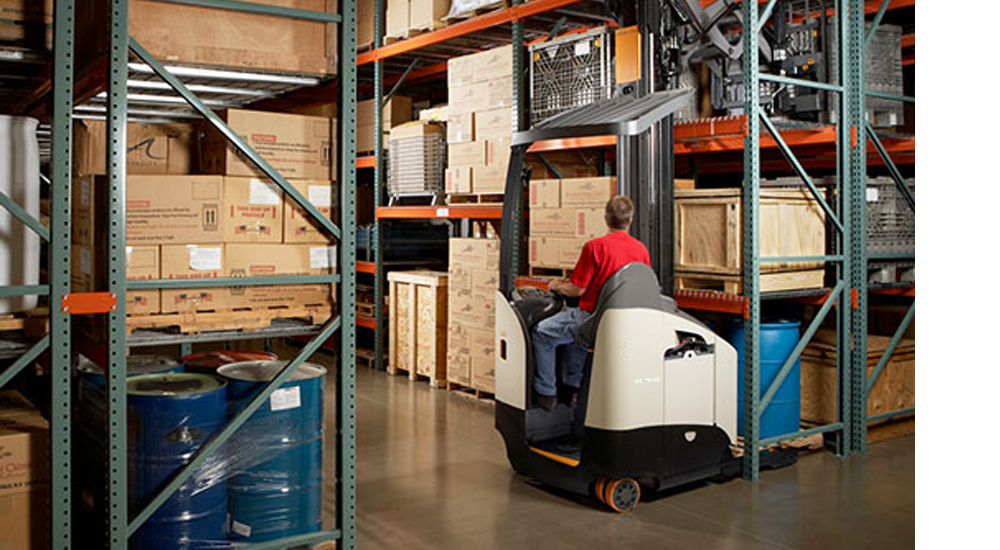
Reach trucks are essential for high-density cold storage, but many warehouses deploy too many of them—and then wonder why congestion, downtime, and throughput problems appear. This article explains why over-reliance on reach trucks is a common cold storage design trap, how to recognize the warning signs, and how to rebalance equipment roles for better flow and ROI.
1. Why Reach Trucks Are So Often Overused
Reach trucks are attractive in cold storage projects because they:
-
Enable high-bay storage
-
Reduce aisle width
-
Maximize pallet positions
On drawings and spreadsheets, they look like the perfect efficiency tool.
The problem is that drawings show space, not movement.
In real cold storage operations, reach trucks are frequently pushed beyond their natural role—especially once the warehouse goes live.
 2. The Design Assumption That Causes the Trap
The trap usually starts with one assumption:
“If reach trucks can access all pallets, they can also handle most movements.”
This assumption ignores three realities of cold storage:
-
Low temperatures reduce tolerance for precision
-
Reach trucks are optimized for aisles, not flow
-
Peak periods expose movement bottlenecks, not storage limits
As a result, reach trucks end up doing work they are structurally unsuited for.
📊 Reach Trucks vs Flow-Oriented Equipment — Reality Check
3. Warning Signs: When You Have Too Many Ричтраки
Cold storage warehouses typically fall into the trap when you observe:
-
Reach trucks queuing near docks
-
Operators using reach trucks for short shuttle moves
-
High battery drain despite “enough equipment”
-
Frequent repositioning and corrective maneuvers
-
Throughput dropping during peak periods
If reach trucks are busy outside aisles, the mix is already wrong.
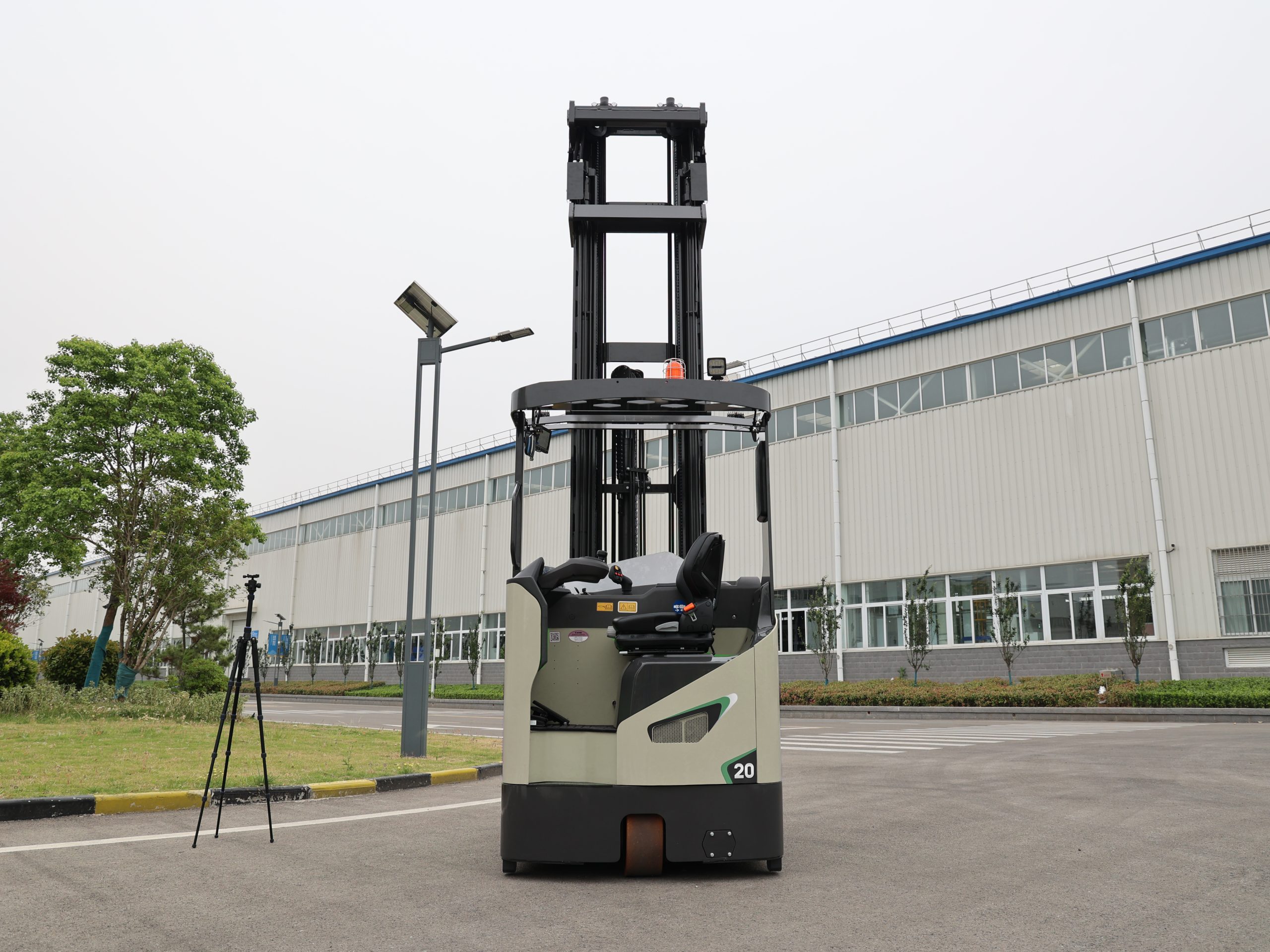 4. Why Overusing Ричтраки Hurts Throughput
In frozen environments, reach trucks:
-
Consume more energy per move
-
Require higher operator concentration
-
React slower during repetitive cycles
When they are used for flow tasks, the warehouse experiences:
-
Artificial bottlenecks
-
Faster battery depletion
-
Higher fatigue and error risk
Ironically, adding more reach trucks often makes things worse, not better.
5. The Cold Storage Reality: Density Is Not the Same as Capacity
Many warehouses confuse:
-
Storage capacity (pallet positions)
с -
Handling capacity (pallets per hour)
Reach trucks improve the first.
They do not automatically improve the second.
In export-oriented or peak-driven cold storage, handling capacity determines success, not how many pallets fit on paper.
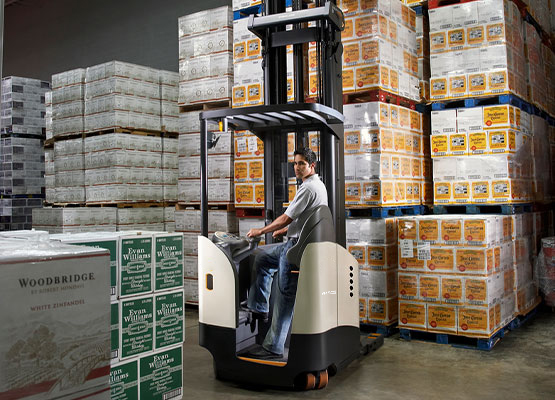 6. How This Trap Usually Happens in Projects
The pattern is remarkably consistent:
1️⃣ Design focuses on racking density
2️⃣ Reach trucks are selected early
3️⃣ Forklifts and pallet trucks are treated as secondary
4️⃣ Warehouse goes live
5️⃣ Operators improvise
6️⃣ Congestion appears
By the time the issue is visible, equipment has already been purchased.
7. How to Fix the Problem Without Redesigning the Warehouse
The good news:
Most warehouses can rebalance without structural changes.
Typical corrective steps include:
-
Restricting reach trucks to aisle work only
-
Shifting horizontal flow to forklifts or pallet trucks
-
Reassigning equipment by task, not by availability
-
Adjusting peak-period operating logic
Often, no new equipment is required—just better role discipline.
8. A Practical Rebalancing Principle
A simple but effective principle used in many cold storage projects:
Reach trucks touch height.
Forklifts and pallet trucks touch flow.
When this rule is enforced operationally, throughput and stability usually improve within weeks.
9. ROI Perspective: The Hidden Cost of Too Many Reach Trucks
Over-investing in reach trucks leads to:
-
Higher CAPEX
-
Higher energy cost
-
Higher maintenance complexity
But the biggest cost is lost throughput during peaks, which rarely appears in budgets—but always appears in missed shipments.
10. Google Популярные темы (Контекстные ответы)
Can reach trucks handle dock operations?
They can, but inefficiently.
Is it bad to have many reach trucks?
Only if they are used outside their intended role.
Why does congestion increase with more reach trucks?
Because they are sensitive to overlap and short-cycle tasks.
Do reach trucks work well in cold storage?
Yes, when confined to aisle and vertical tasks.
How do I know if my warehouse has too many reach trucks?
If they dominate non-aisle movements, the mix is unbalanced.