

 Japanese
  English
  Russian
  French
  Spanish
  German
  Italian
  Portuguese
  Korean
  Arabic
  Turkish
  Indonesian
  Dutch
Dutch 

Labor Constraints, Food Export & Operational Stability
Australian cold storage warehouses operate under unique conditions shaped by labor constraints, strict food export standards, and long-distance distribution. This article explains how cold storage facilities in Australia should be designed and equipped to maintain operational stability, compliance, and scalability—without over-investing in rigid systems.
1. Why Australia Cold Storage Has Its Own Logic
Australia’s cold chain is heavily influenced by geography and trade structure. Facilities often serve food production and export markets across vast distances, while operating with limited labor availability and high compliance expectations.
Key structural characteristics include:
-
Chronic labor shortages in regional areas
-
Strong focus on food export and traceability
-
Long-distance, time-sensitive distribution
-
High cost of downtime due to remote locations
In this context, reliability and simplicity matter more than extreme density. Systems that are difficult to maintain or operate consistently tend to fail operationally, even if they look efficient on paper.
This is why Australian projects benefit from a システムレベルでの 倉庫ソリューション, rather than aggressive density-first designs.
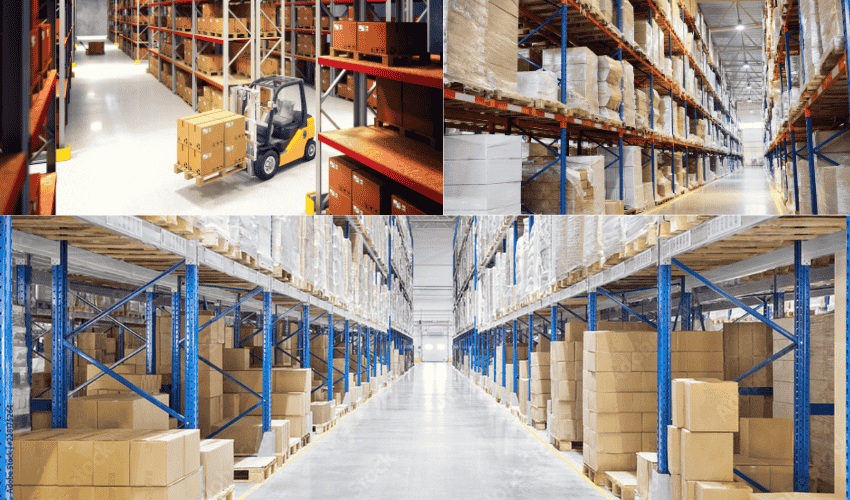
高品質ダブル・ディープ・ラック・ソリューション
2. Australia Cold Storage Challenges — Overview Table
Before examining specific system choices, the table below summarizes the most common challenges in Australian cold storage operations and the corresponding design priorities.
📊 Australia Cold Storage Challenges & Design Priorities
| 地域ごとの課題 | 運用への影響 | Design Priority |
|---|---|---|
| Labor shortage | Staffing instability | 手作業依存の低減 |
| Remote operations | High downtime cost | Equipment reliability |
| Export compliance | Rejection risk | Process consistency |
| Long transport distances | Throughput sensitivity | Stable flow design |
| Energy cost pressure | OPEX volatility | 効率的なシステム |
In Australia, operational stability often outweighs maximum storage density.
3. Layout Design for Regional and Export-Oriented Facilities
Australian cold storage layouts must support predictable flow and easy operation, particularly in regional facilities where skilled labor may be limited.
Design priorities typically include:
-
Clear, simple traffic patterns
-
Adequate staging for export consolidation
-
Separation between production, storage, and dispatch zones
Layouts that are overly complex or tightly packed often struggle to perform consistently when workforce availability fluctuates.
の一環として行うことで、衛生、安全、処理能力を同時に解決できます。 統合 倉庫ソリューション allows throughput and simplicity to be balanced from the outset.
4. Racking Systems Commonly Used in Australia Cold Storage
Racking selection in Australia tends to favor robustness and flexibility.
-
は、混合SKUの水産物業務においてスペース利用と管理可能なアクセスを両立させるためによく使われます。 are widely used to balance storage density with straightforward operation, especially for export-oriented frozen food.
-
は、均質なSKUを持つ大量冷凍水産物に適している場合がありますが、厳格なフォークリフトの操作と保護措置が必要です。 are applied selectively for homogeneous SKUs with long storage cycles, particularly in meat and seafood exports.
Highly complex systems are less common in regional facilities due to maintenance and training constraints.
5. Forklifts and Handling Equipment in Australian Cold Rooms
Forklifts in Australian cold storage must perform reliably with minimal downtime, often far from service centers.
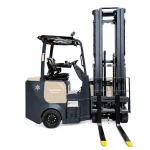
Operations typically rely on を使用します。これらは密封性の強化、腐食防止、低温での安定した性能を備えています。フォークリフトの選定はラックの形状や濡れた床の稼働条件に合わせなければ、安全事故やダウンタイムを防げません。, supported by:
-
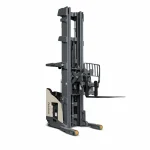
リーチトラック 高層の選択性およびダブルディープ保管向け
-
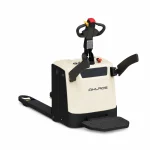
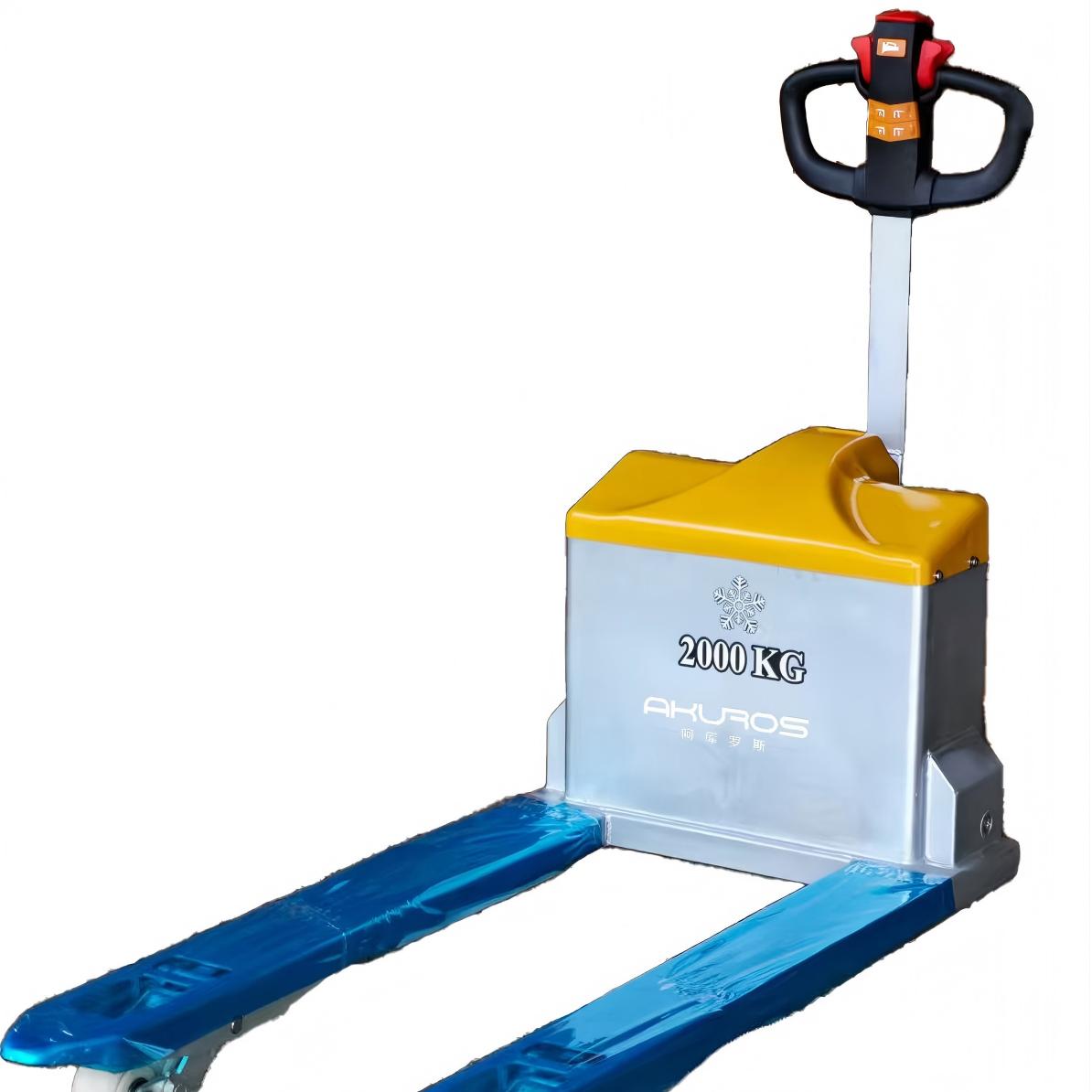
パレットトラック for staging and dispatch areas
Equipment that emphasizes stability, ease of maintenance, and predictable performance is favored over high-spec but fragile alternatives.
 6. Automation in Australia Cold Storage: Practical and Phased
Automation adoption in Australia is driven more by labor availability than by wage inflation. However, automation strategies tend to be pragmatic rather than aggressive.
Facilities often introduce AGVシステム in clearly defined, repetitive transport routes, while maintaining manual handling elsewhere. Integrating AGVs within automated warehouse solutions allows operators to reduce labor dependency without overcomplicating operations.
Phased automation is particularly effective in Australian facilities where volumes grow gradually rather than explosively.
7. Energy, Batteries, and Long-Term Operating Cost
Energy cost volatility and remote operations make energy efficiency a critical consideration. Equipment that consumes excessive power or requires frequent charging disrupts operations.
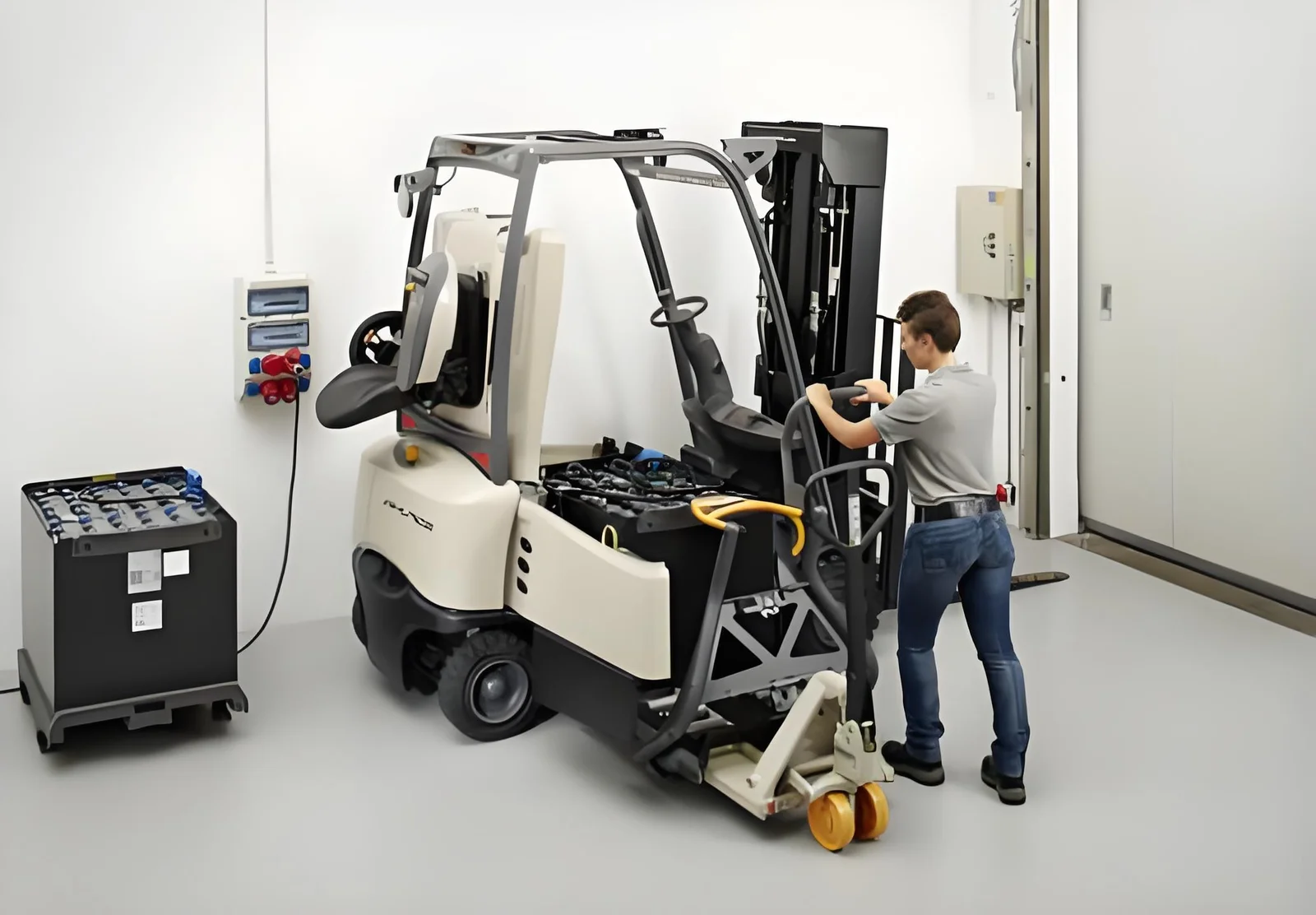
寒冷地仕様 フォークリフト用バッテリー・システム support longer shifts and reduce charging frequency, while reliable traction solutions help minimize energy loss and wear on frozen floors.
Energy-aware equipment selection contributes directly to lower total cost of ownership in Australia.
 8. Common Mistakes in Australia Cold Storage Projects
繰り返し発生する問題には以下が含まれます:
-
Over-designing systems for peak scenarios that rarely occur
-
Selecting complex automation without local support capability
-
Underestimating the impact of regional labor shortages
-
Prioritizing density over operational simplicity
In Australia, these mistakes often lead to inconsistent performance rather than immediate failure—making them harder to diagnose and correct.
9. How Successful Australia Cold Storage Facilities Are Designed
High-performing Australian facilities share several characteristics:
-
Simple, repeatable operating processes
-
Robust racking and equipment choices
-
Automation applied selectively
-
Lifecycle cost prioritized over theoretical efficiency
これらの成果は、以下の方法によって最もよく達成されます: エンドツーエンドの倉庫ソリューション approach that aligns design, equipment, and operations.
10. Google人気トピック(文脈別回答)
Why is labor a key issue in Australian cold storage?
Because workforce availability is limited, especially in regional areas.
Which racking systems are common in Australia cold storage?
Double deep and selective drive-in systems are widely used.
Is automation necessary in Australian cold storage?
Automation is useful where labor is scarce, but should be applied selectively.
What forklifts are preferred in Australian cold rooms?
Electric forklifts designed for cold storage with reliable low-temperature performance.
How can Australian cold storage control operating cost?
By focusing on reliability, energy efficiency, and lifecycle cost.